4S-24S Active Balancer PCBA: what it is, where it fits, and what buyers should look for
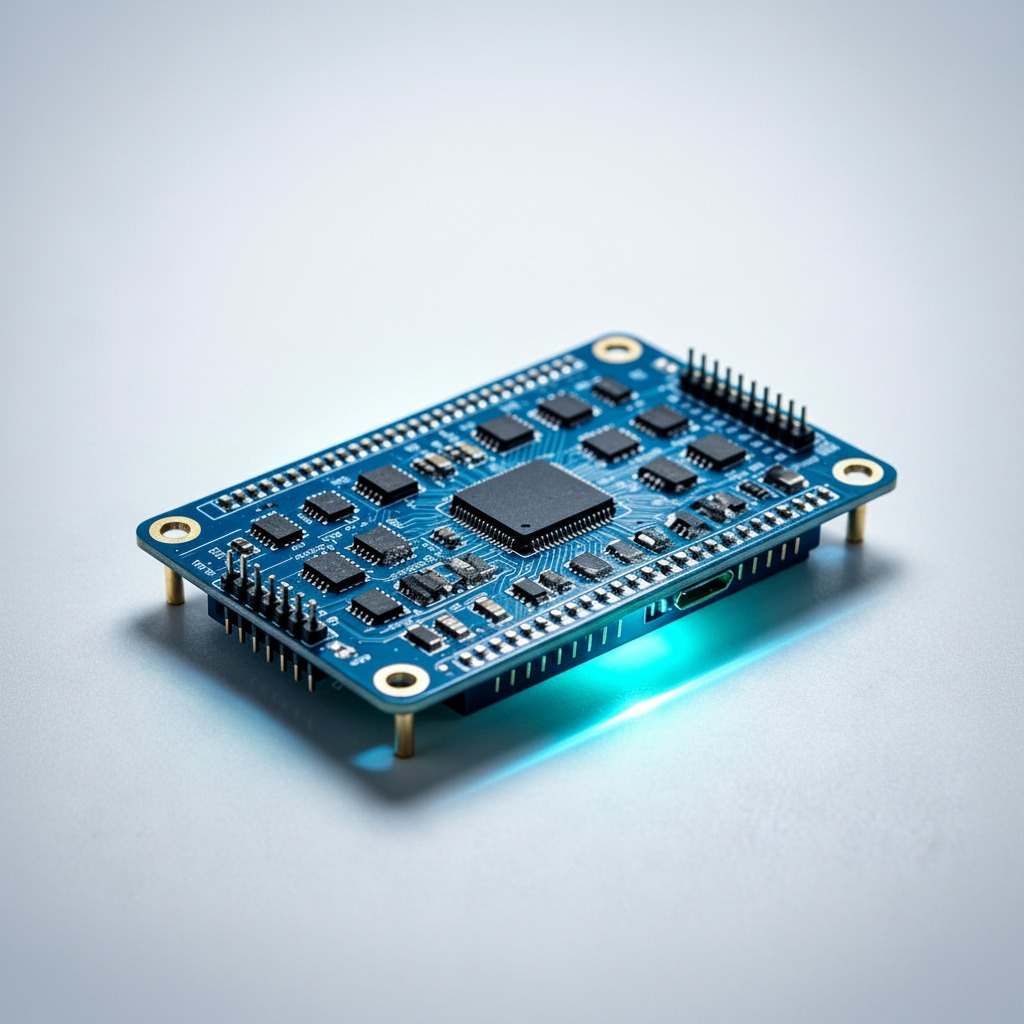
A 4S-24S Active Balancer PCBA sits in a very specific corner of battery engineering: it is the control and balancing assembly used to help multi-cell packs stay closer together in state of charge. For engineers working with lithium battery systems, that matters more than it first appears. A pack can look healthy on paper and still drift cell by cell under real charge and discharge cycles. Once that drift grows, usable capacity drops, charge times get awkward, and the pack becomes harder to manage safely.
That is why buyers looking at this type of board are usually making a practical decision, not a cosmetic one. They are deciding whether their battery system needs a compact active balancing module, whether it belongs in a LiFePO4 NCM Battery Active Balancer design, and whether the board can be integrated cleanly into a production pack or a test fixture without creating more problems than it solves.
Why active balancing matters in multi-cell packs
Passive balancing is simple, and in some designs that is enough. But it burns off excess energy as heat, which is not especially elegant once pack size increases or thermal headroom gets tight. Active balancing takes a different route. It moves charge between cells rather than simply wasting it, which is often more attractive in larger packs or in systems where efficiency is watched closely.
For storage builders, the attraction is obvious. In solar and backup applications, batteries spend long periods cycling in ways that amplify small differences between cells. Over time, those differences matter. A Solar Storage Battery Balancer PCBA is therefore not just another board in the box; it is part of the pack’s long-term stability.
What “4S-24S” tells you
The range in the name is the first clue. A 4S-24S board is intended for packs built from four to twenty-four cells in series. That is a broad span, and buyers should treat it carefully. Broad range claims are useful, but they do not remove the need to check the rest of the design: cell chemistry, monitoring strategy, thermal behavior, and how the board is powered and connected.
A cautious buyer will ask a simple question: does the board match the pack architecture, or is it being forced into place because it is available? That distinction saves time later.
How this PCBA is typically built
The product name points to a finished electronics assembly rather than a bare PCB. In practical terms, that means the board usually combines PCB fabrication, SMT assembly, and the through-hole attachment needed for headers or connectors. In battery products, those assembly choices matter because vibration, repeated thermal cycling, and service access all put stress on joints.
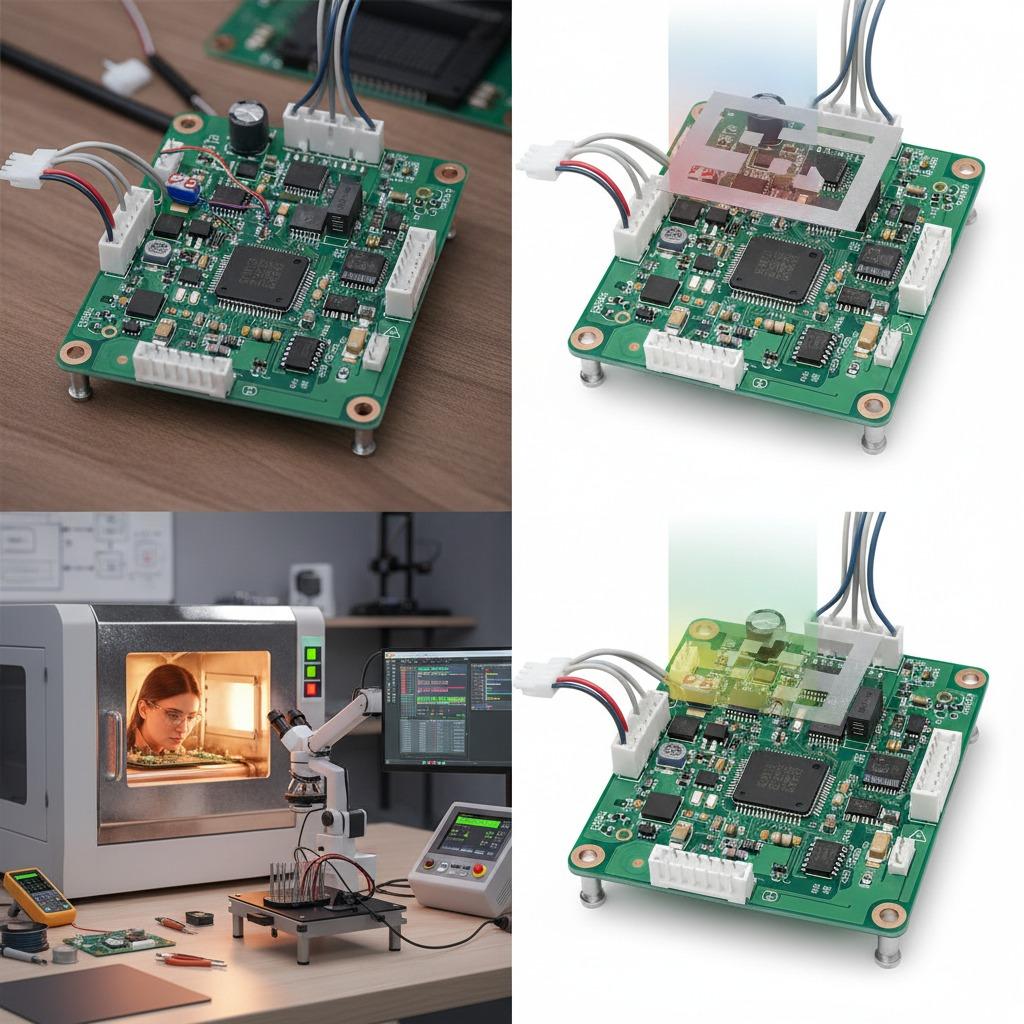
The visible companion board description supplied here also reflects a familiar electronics pattern: a compact rigid PCB, dense surface-mounted components, a central integrated circuit, and multiple pin headers. That is a useful reminder for purchasers. In this industry, the quality of the assembly is often as important as the schematic idea behind it. Solder quality, component placement, and mechanical support can decide whether a board behaves like a production part or a bench sample.
Selection criteria engineers should not skip
If you are evaluating a 4S-24S active balancer for a battery pack project, start with the basics and work outward:
Cell chemistry compatibility
A balancer advertised for LiFePO4 NCM Battery Active Balancer use may still require different operating assumptions depending on pack chemistry. Do not assume one part number covers every chemistry equally well.
Pack size and integration space
Higher-cell-count systems often make enclosure space tight. The board must fit alongside bus bars, harnesses, insulation, and cooling clearances. A compact module is helpful, but not if connectors become inaccessible once the pack is assembled.
Serviceability
Battery systems are maintained, not just built. If the balancer is buried in the pack with no practical access, even a good board can become a maintenance headache.
Thermal and electrical margin
Any active balancing system should be selected with real operating conditions in mind, not just nominal pack voltage. This is where datasheets matter, and where vague listings become risky.
Common buyer mistakes
The most common mistake is treating active balancing as a universal cure. It is not. It helps manage imbalance, but it does not excuse poor cell matching, weak pack design, or sloppy assembly.
Another mistake is ignoring the manufacturing side. A board can look neat in a product photo and still be a poor fit if the PCBA quality, connector robustness, or protection scheme is weak. Buyers sourcing for production should ask for the boring details: assembly process, test coverage, and whether the supplier can support repeatable builds. That is where companies like hcdpcba tend to add value, especially when PCB fabrication, SMT贴片, 元器件代采, assembly, and test need to be handled as one workflow rather than three disconnected jobs.
Practical advice for sourcing teams
For procurement and product teams, the best approach is usually to treat the balancer as part of the battery system, not as a standalone commodity. Review the pack’s chemistry, series count, enclosure limits, and expected duty cycle before comparing suppliers. Then ask for the board-level information that really matters: interface type, supported cell count range, assembly quality, and test process.
If the project is new, a pilot run is often wiser than a full buy. Battery electronics are unforgiving when the first assumptions are wrong, and a short validation cycle can uncover problems that a glossy spec sheet will not.
What to ask before placing an order
Can the supplier support your specific cell count and chemistry? Is the board intended for storage, UPS, or another operating profile? Are the connectors and mounting method appropriate for your enclosure? Can the manufacturer support custom PCB and PCBA work if the standard module is close but not exact?
Those questions save more money than a spreadsheet comparison based on unit price alone.
Next step
If you are sourcing a UPS Battery Pack Active Balancer or a storage-focused balancing PCB assembly, start with the pack requirements and work backward to the board. For custom or semi-custom builds, hcdpcba can support PCB打样, SMT贴片, 元器件代采, 组装, 测试, and OEM/ODM-style production support for electronic assemblies. The right board is the one that fits the pack, survives the environment, and can actually be built the same way twice.