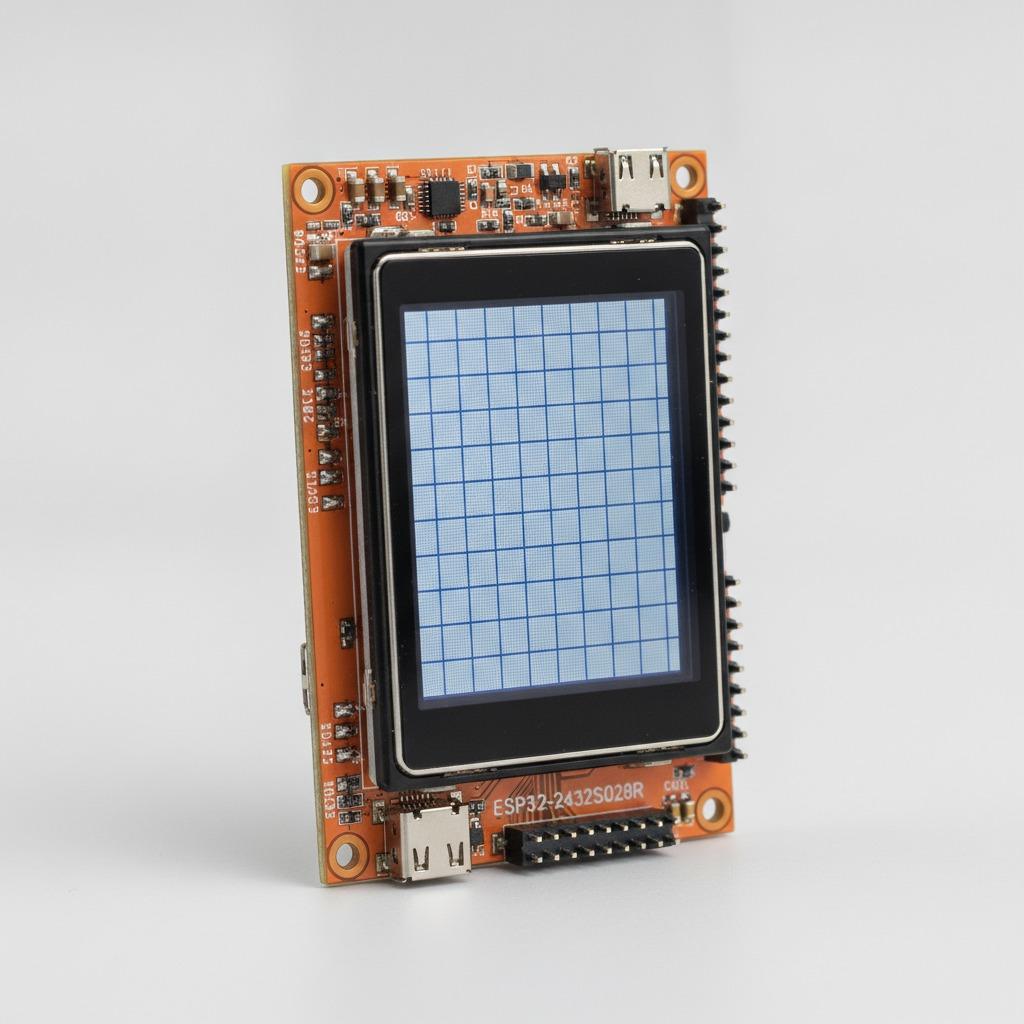
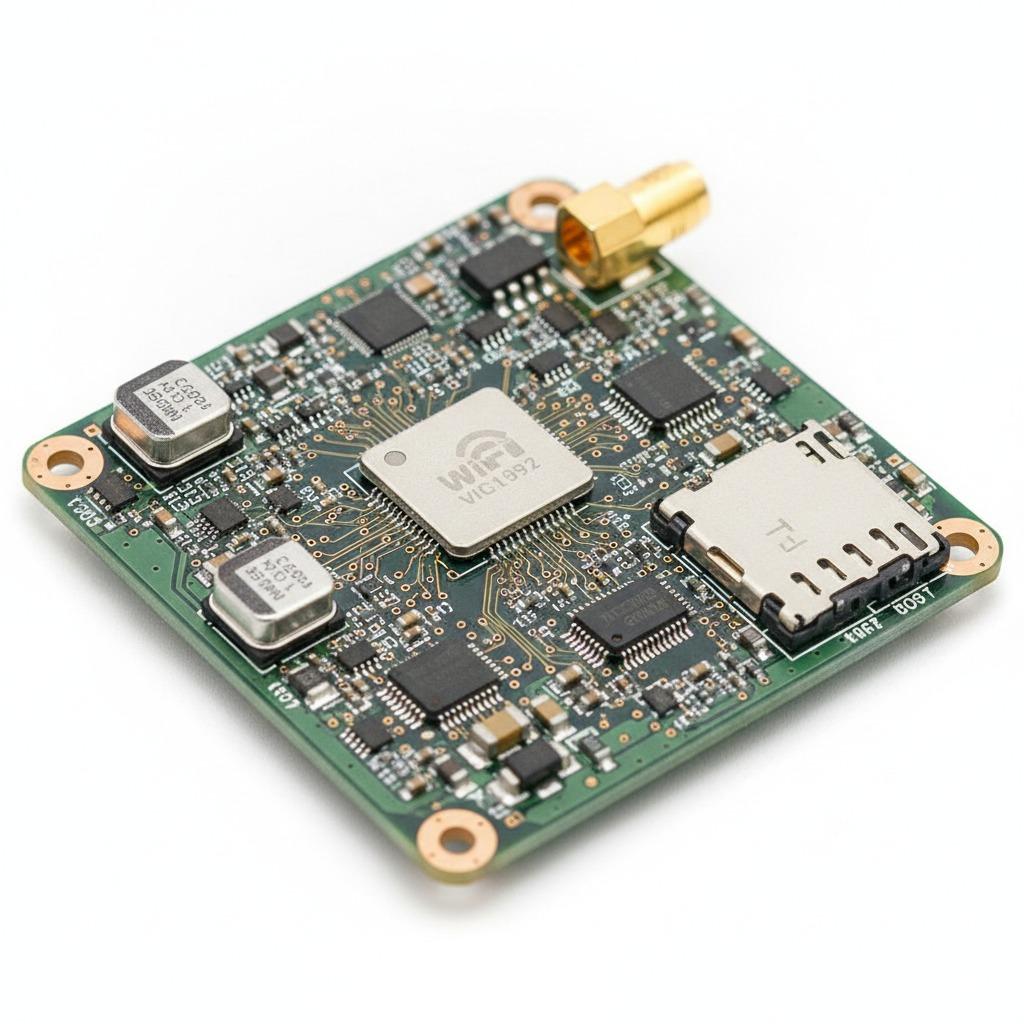
Why custom medical PCB fabrication is a different buying decision
Custom medical PCB fabrication is not just another electronics procurement task. In medical devices, a board is rarely “just a board”; it is part of a system that may monitor a patient, move data into a control circuit, or support a device’s user interface under real-world conditions that are less forgiving than a lab bench. For engineering teams and sourcing managers, the core question is usually not whether a board can be built, but whether it can be built consistently, documented properly, and integrated without creating risk downstream.
That is why buyers working on a healthcare circuit board need to think beyond copper layers and component counts. Material choice, assembly quality, test strategy, and design-for-manufacturability checks all affect whether the board will behave as intended when production scales. A low-cost prototype may be acceptable for early evaluation, but a medical grade pcb program typically demands tighter process control and better visibility into the supply chain.
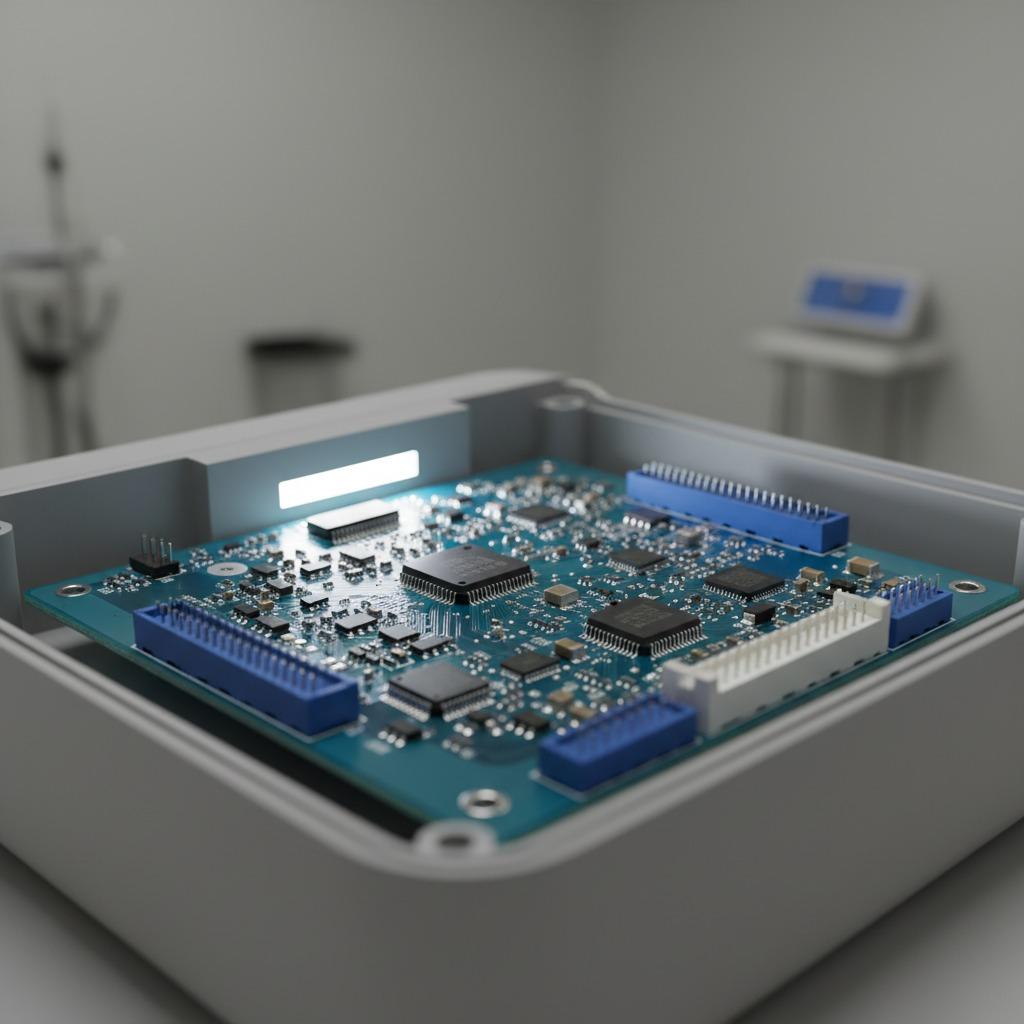
What a medical PCB program usually has to solve
Medical electronics often combine analog sensing, digital control, power management, and communication in a compact footprint. That mix can be unforgiving. Noise that would be tolerable in consumer electronics may interfere with a sensor front end. A connector placement that looks fine on paper may make assembly difficult. Even an otherwise workable layout can become expensive if it ignores test access or component sourcing realities.
In practical terms, custom medical pcb fabrication helps teams solve three problems at once: fit, function, and repeatability. The board must fit the enclosure and the product architecture; it must function under the expected operating conditions; and it must be repeatable enough that the second build looks like the first. Those are not identical goals, and they do not always arrive together.
Where custom fabrication matters most
Prototype and pilot builds
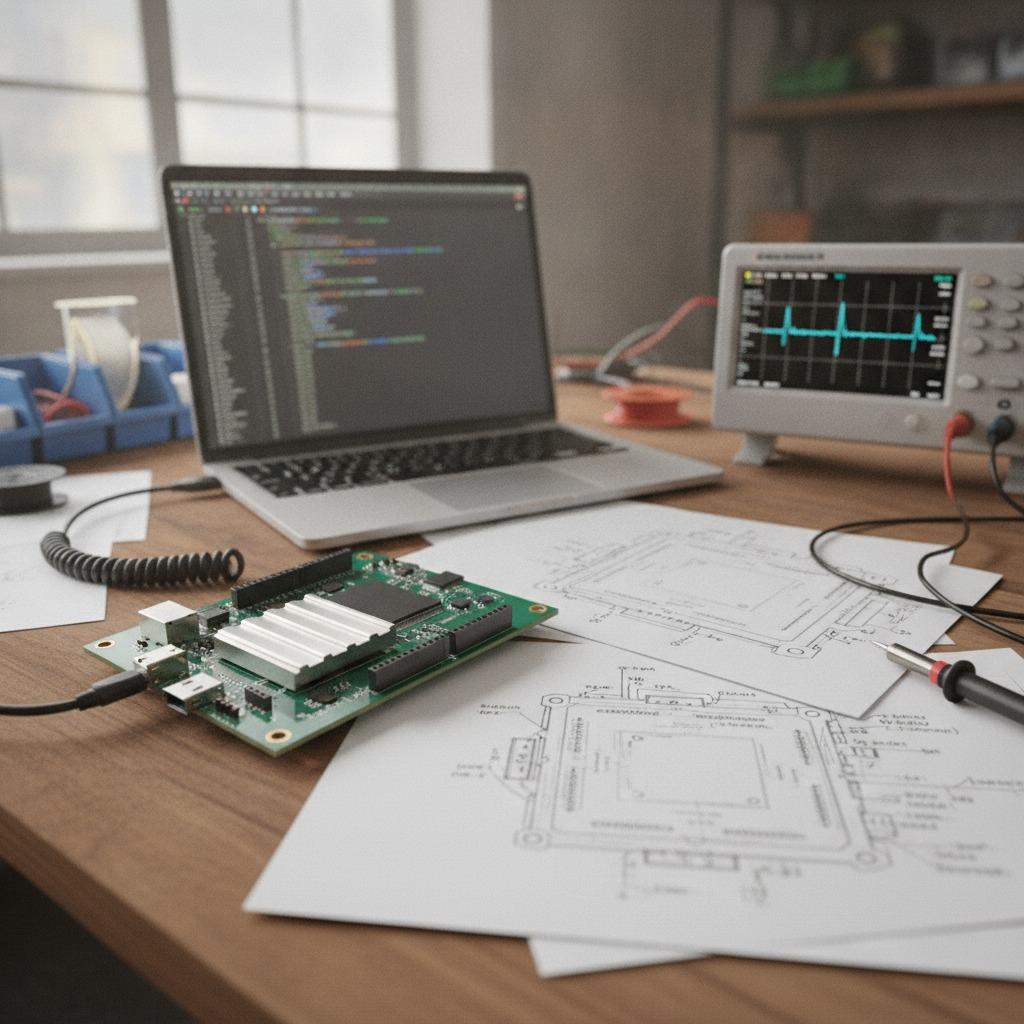
For medical device development, prototype boards are more than proof of concept. They are a chance to catch layout mistakes, component availability issues, and assembly bottlenecks before those problems spread into the pilot run. hcdpcba offers PCB prototyping support, including multilayer and HDI boards, which is useful when the design has dense routing or needs a compact footprint.
Assembly and test
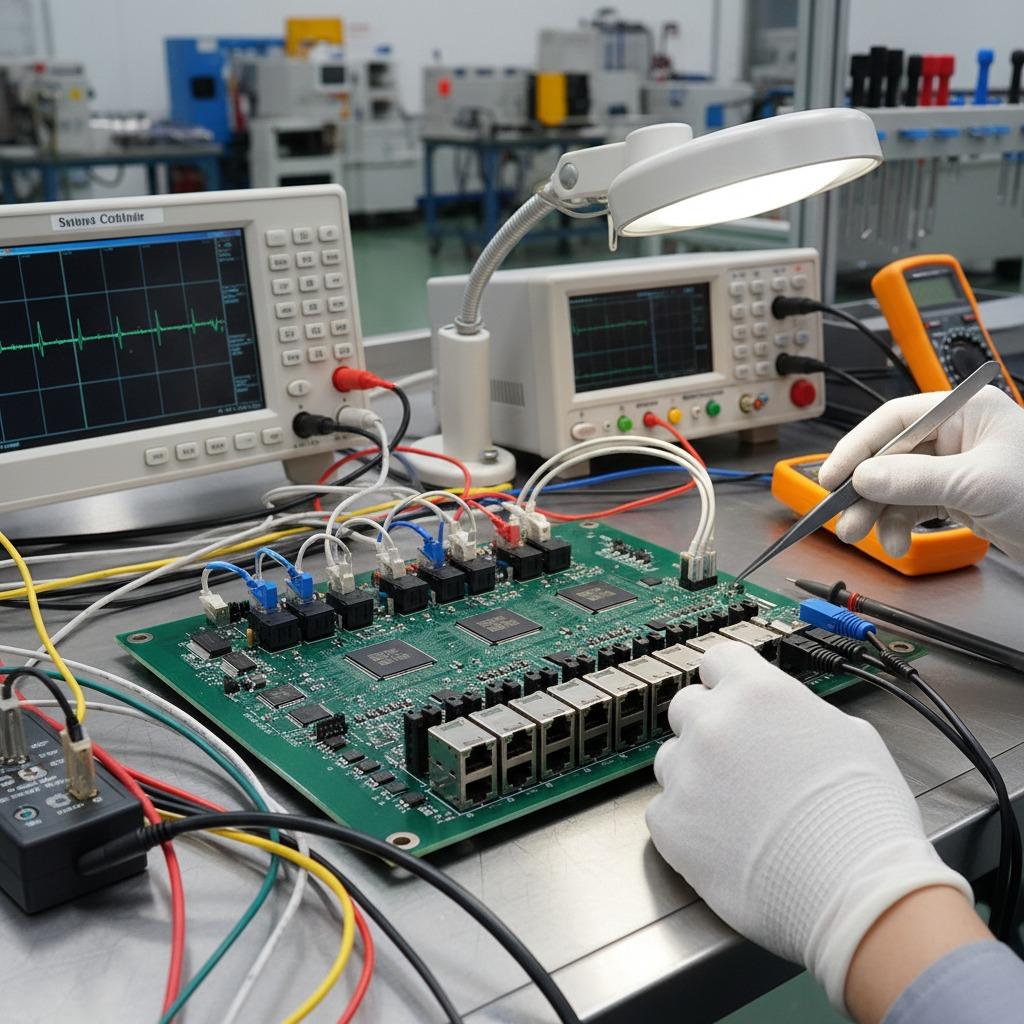
SMT assembly quality can make or break a medical device build. Fine-pitch parts, mixed technology assemblies, and boards with strict cleanliness expectations need disciplined process control. hcdpcba’s SMT贴片 service is positioned for both small-batch and larger production runs, and the company also provides component sourcing, assembly, and testing. That combination matters because a sourcing manager often needs one partner who can help stabilize the bill of materials instead of forcing the buyer to coordinate multiple vendors.
Design support before production
DFMA services are often underestimated. In medical programs, a small design change that improves solderability or test access can save a surprising amount of time later. A careful manufacturability review can also flag parts that are difficult to source or footprints that are awkward to assemble. That kind of early feedback is not glamorous, but it usually pays for itself.
Key selection criteria for engineering and sourcing teams
When comparing suppliers for custom medical pcb fabrication, buyers should look at more than price. A better comparison starts with process capability, responsiveness, and the supplier’s willingness to discuss risk.
First, check whether the vendor can support the board type your product actually needs. Some medical devices use standard multilayer boards; others require HDI or high-frequency designs. hcdpcba lists multilayer boards, HDI boards, and high-frequency boards among its PCBA capabilities, which suggests it can cover a broad range of architectures. Second, review how the supplier handles material and component procurement. In medical production, supply continuity matters almost as much as electrical performance. Third, ask how testing is handled and what kind of feedback is provided when a board does not pass.
One practical caution: do not assume that a supplier experienced in general electronics will automatically understand every medical-program constraint. A healthcare circuit board may need stricter documentation, more careful handling, or special attention to traceability depending on the final application. It is better to raise those issues early than to discover them after the first build.
Common mistakes buyers make
The most common mistake is treating the PCB as a finished item before the system requirements are stable. Medical products often change during development, and an early layout decision can be expensive to undo. Another frequent issue is over-optimizing for board cost while ignoring assembly yield. A slightly more expensive board can be the cheaper option if it reduces rework, improves test access, or shortens the path to production.
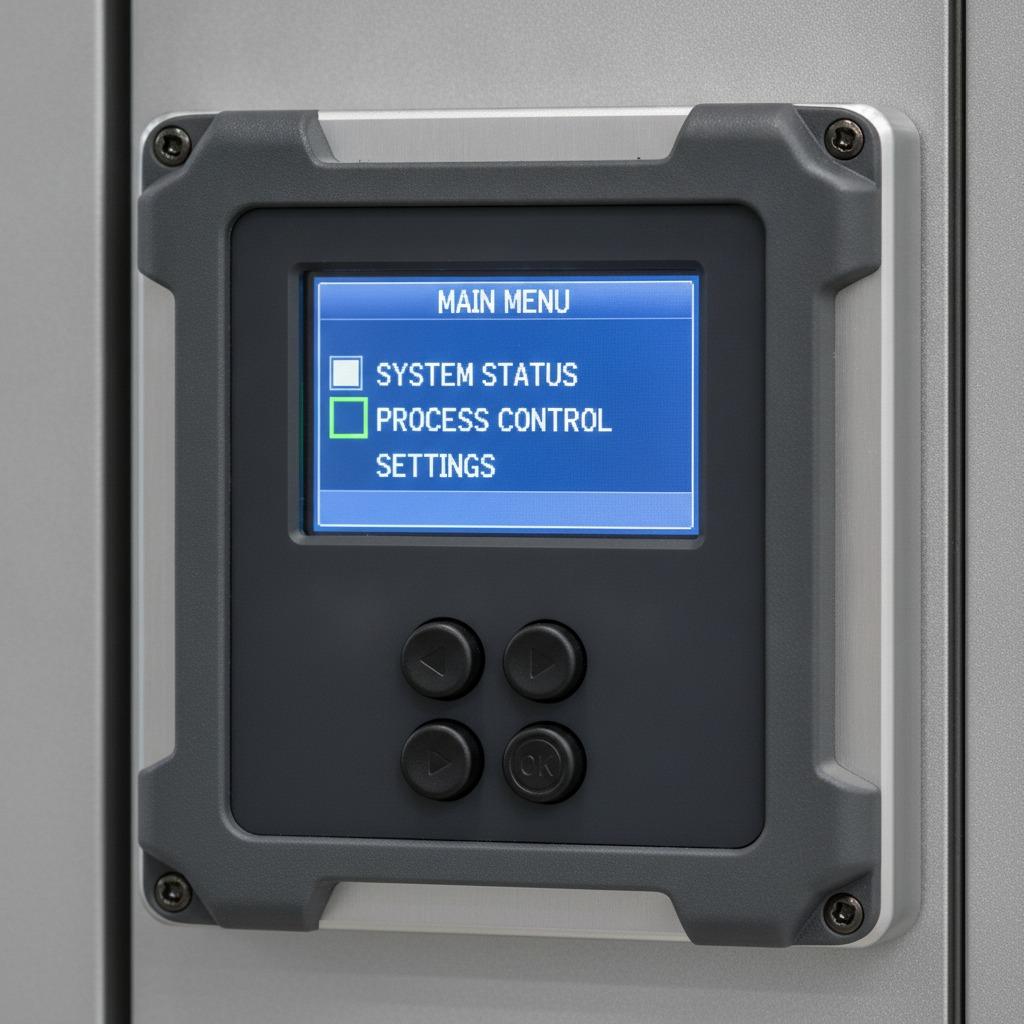
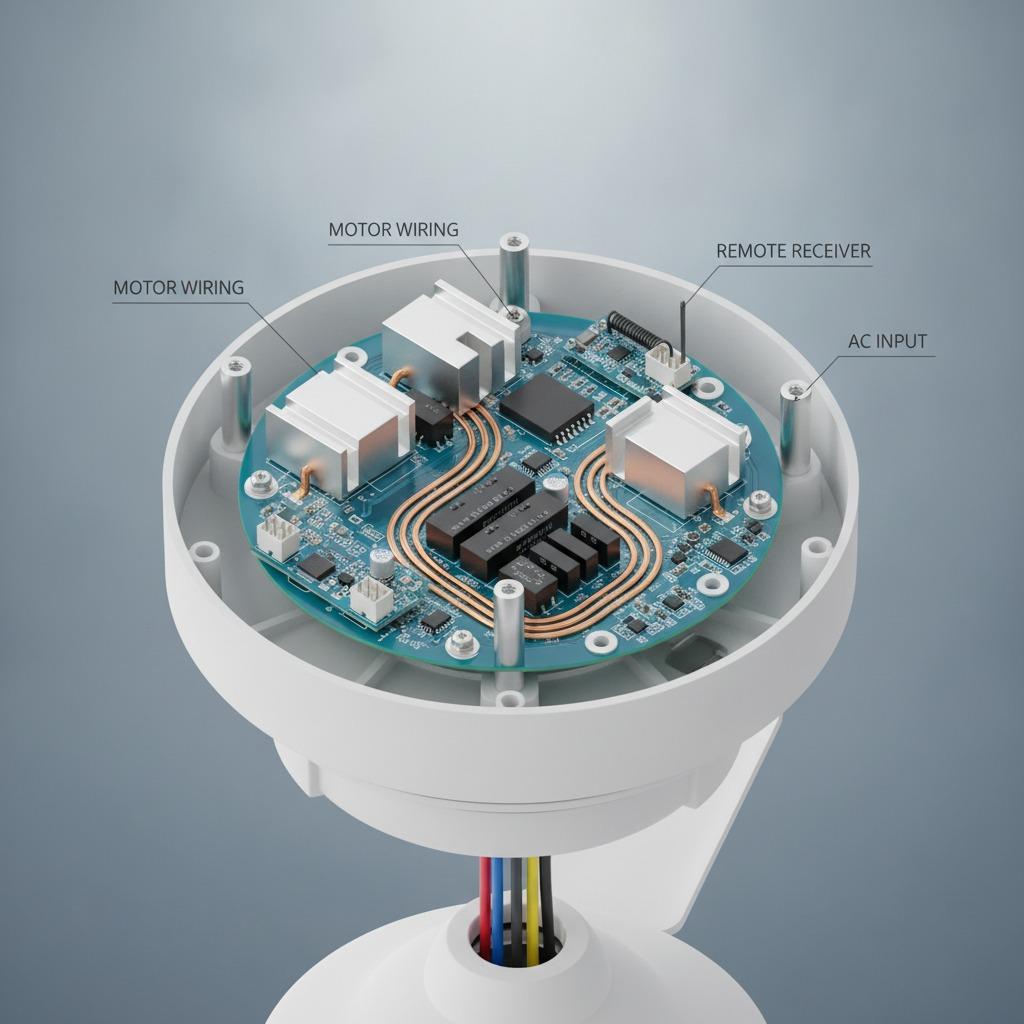
A third mistake is underestimating the value of communication. For a program like an oximeter internal control panel, for example, the board may sit inside a compact instrument with mechanical constraints, sensor interfaces, and user-facing reliability expectations. That is the kind of application where good vendor communication is worth real money, because it helps align electrical design, enclosure fit, and manufacturing reality before anyone commits to a large run.
How hcdpcba fits into this kind of project
hcdpcba positions itself as a provider of SMT assembly, PCB prototyping, component sourcing, assembly, testing, OEM, ODM, and DFMA support. The company also says it serves industries including medical, industrial control, automotive electronics, IoT, communications, and smart home products. For buyers, that broad application base is useful mainly because it suggests familiarity with different production styles and documentation needs.
The company also highlights fast quoting, production responsiveness, confidentiality measures, and quality control. Those are not small claims in the medical supply chain. When a launch schedule is tight, responsiveness can matter almost as much as technical capability. And when the design contains proprietary control logic or custom circuitry, confidentiality is not a side note.
Practical buyer advice before you send the RFQ
Before requesting a quote, organize the files and the questions. Include the latest Gerbers, BOM, assembly drawings, and any special handling notes. If the board is part of a regulated or semi-regulated device, specify the expectations that affect manufacturing even if the supplier is not responsible for regulatory submission.
Also be clear about the production phase. Prototype, verification build, pilot run, and volume manufacture are not interchangeable. A supplier can often support all four, but the process and expectations should not be the same. That distinction prevents a lot of unnecessary friction.
FAQ
Is custom medical PCB fabrication only for high-volume programs?
No. Early-stage medical products often need prototype and small-batch support first, especially when the design is still being validated.
What matters more, PCB fabrication or assembly?
Both matter, but many problems show up at the interface between the two. A fabricator who understands assembly constraints can help avoid painful surprises.
Can one supplier handle sourcing, assembly, and test?
That is often preferable for medical electronics because it reduces coordination risk and simplifies feedback loops during development.
Next step
If you are evaluating custom medical pcb fabrication for a new device or a production transfer, start with the design files and the build phase definition. Then compare suppliers on process capability, communication speed, and their ability to support assembly and test as part of the same workflow. For teams that want an integrated path from PCB prototyping to SMT assembly and DFMA support, hcdpcba is the type of partner worth putting on the shortlist.