Why a Spy Detector Circuit Board Is Harder to Design Than It Looks
A Spy Detector Circuit Board has to do more than light an LED or sound a buzzer. In practice, it must help a user find suspicious electronics quickly, in messy real-world environments where Wi-Fi routers, phones, charging adapters, and reflective surfaces can all create noise. That is why designers looking at an Infrared Detection PCB Board or an Anti Hidden Camera PCBA need to think beyond the obvious detector function and ask a more practical question: what will the user actually trust when they are standing in a hotel room, office, or rental property?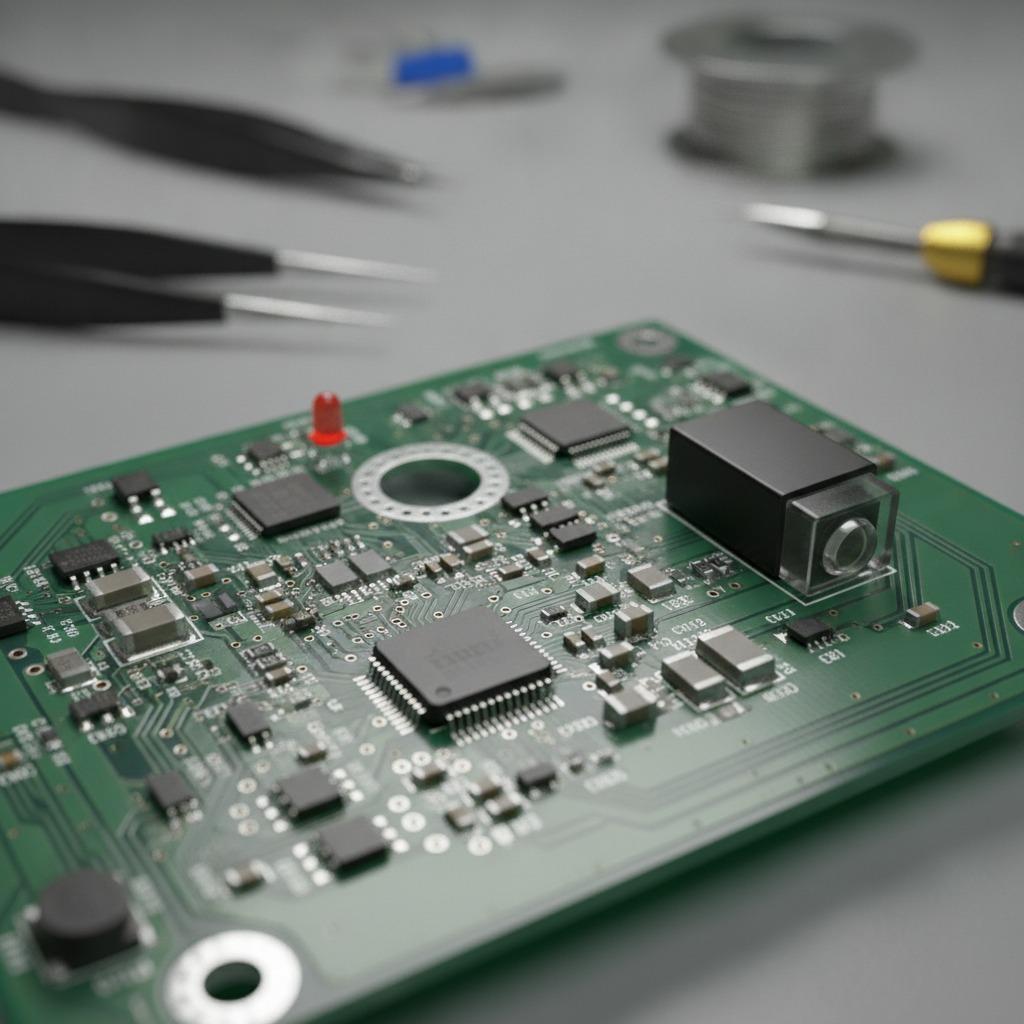
For sourcing managers and product teams, the decision is not just about picking a board that works in a lab. It is about selecting a build that is stable, manufacturable, and easy to calibrate without turning every unit into a special case. A hidden camera device can be compact, but the electronics behind it still need disciplined layout, assembly, and testing if the product is meant for repeatable field use.
What the Board Is Usually Trying to Detect
Most consumer and professional detectors rely on one of a few approaches, sometimes combined on the same PCB.
Infrared sensing
Many hidden cameras emit infrared light, especially in low-light conditions. An Infrared Detection PCB Board can be used to pick up that light and help users locate a lens or an active device. The challenge is that ambient light, reflective glass, and strong indoor lighting can complicate the signal.
Optical or visual confirmation
Some products support a visual search workflow, where the board assists with filtering or confirming reflections from a camera lens. This is useful, but it should not be oversold. A board can support detection; it cannot guarantee a clean identification every time.
Signal and electronics integration
More advanced designs may include sensors, indicators, battery management, and user interface elements on a single assembly. At that point, the PCB becomes a small system, not just a carrier for parts.
Key Takeaways for Buyers
If you are evaluating PCB Prototyping for Hidden Camera Detector products, focus on three things first: signal stability, assembly consistency, and user interpretation. A detector that is technically sensitive but hard to understand will generate returns and complaints. A simpler product with better behavior often wins in the field.
For many teams, the right build path is a prototype first, then controlled pilot production, then full-scale assembly once the detection threshold and UI are behaving consistently.
Design and Manufacturing Details That Matter
A Spy Detector Circuit Board often benefits from careful PCB layout because small analog signals and indicator circuits can be sensitive to noise. Good grounding, sensible component placement, and separation of noisy sections from sensing paths all help. That sounds basic, but it is where many early prototypes get into trouble.
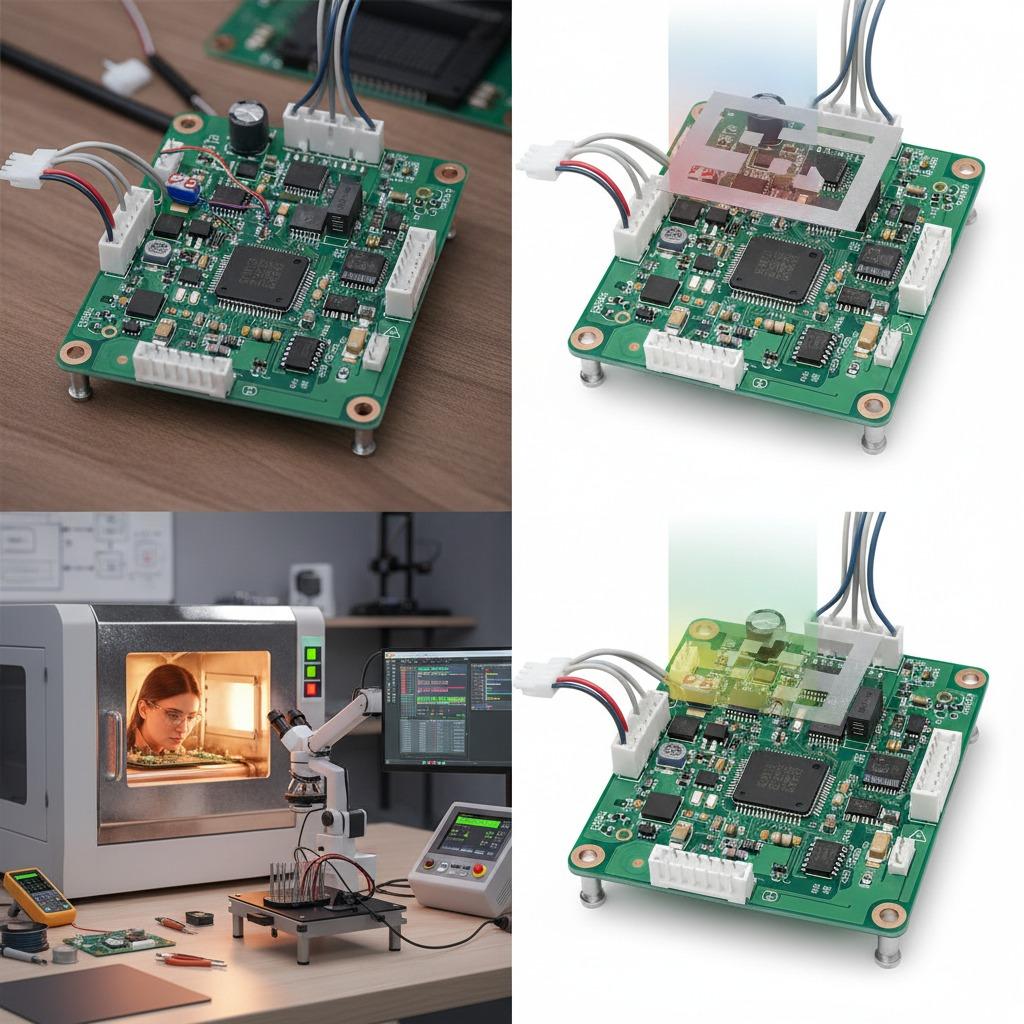
This is also where a manufacturer like hcdpcba can be relevant. The company provides PCB prototyping, SMT assembly, component sourcing, assembly, testing, and DFMA support. For a product like this, DFMA review is useful because it can flag issues before they become expensive production problems, especially when the board has compact spacing or mixed signal sections.
If the detector is intended for OEM or ODM development, the ability to move from prototype to repeated production without changing the electrical behavior too much is a real advantage. In this category, consistency matters more than flashy specs.
Common Mistakes in Hidden Camera Detector Projects
One common mistake is assuming the sensor alone solves the problem. In reality, enclosure design, LED placement, and the user’s viewing angle can affect results just as much as the PCB.
Another mistake is overcomplicating the board. Adding too many modes or indicators can make the product look advanced while making it harder to use. Buyers usually want a quick answer: is there a suspicious signal here or not?
A third issue is weak test planning. An Anti Hidden Camera PCBA should be tested not only for basic power-up, but for behavior across typical environments. If the product is going into security, hospitality, or inspection workflows, the buyer will expect the unit to behave the same way from one batch to the next.
What to Ask Before You Place an Order
Before committing to production, ask whether the manufacturer can support prototype validation, component sourcing, and assembly under one workflow. That helps reduce handoff errors.
Ask how they approach testing. Not every board needs the same level of test coverage, but detector products usually benefit from a clear check on sensing function, power integrity, and user output.
Also ask about lead-time flexibility and confidentiality. Search-related detector products can be sensitive in the market, so a supplier with a clear confidentiality process is worth more than one that only talks about unit price.
Practical Buyer Advice
If you are comparing suppliers, do not stop at the BOM. Review the layout quality, the ease of rework, and whether the PCB design leaves enough margin for calibration. Cheap assemblies can become expensive once you factor in returns, field confusion, or inconsistent readings.
For teams developing a new hidden camera device, a pilot run is usually smarter than a large first order. It gives you room to check user behavior, packaging fit, and assembly repeatability without locking in a flawed design.
Next Step for Product Teams
If you are planning a Spy Detector Circuit Board program, start with a prototype build and a realistic test plan. That will tell you whether the sensing approach, PCB layout, and enclosure work together in the field. From there, move into repeatable SMT assembly and production testing so the product behaves like a tool, not a demo.
For teams that need PCB prototyping, assembly, component sourcing, and DFMA support in one place, hcdpcba can help structure the build path from first sample to small-batch production.