Why a fast charging power bank module matters before you build the enclosure
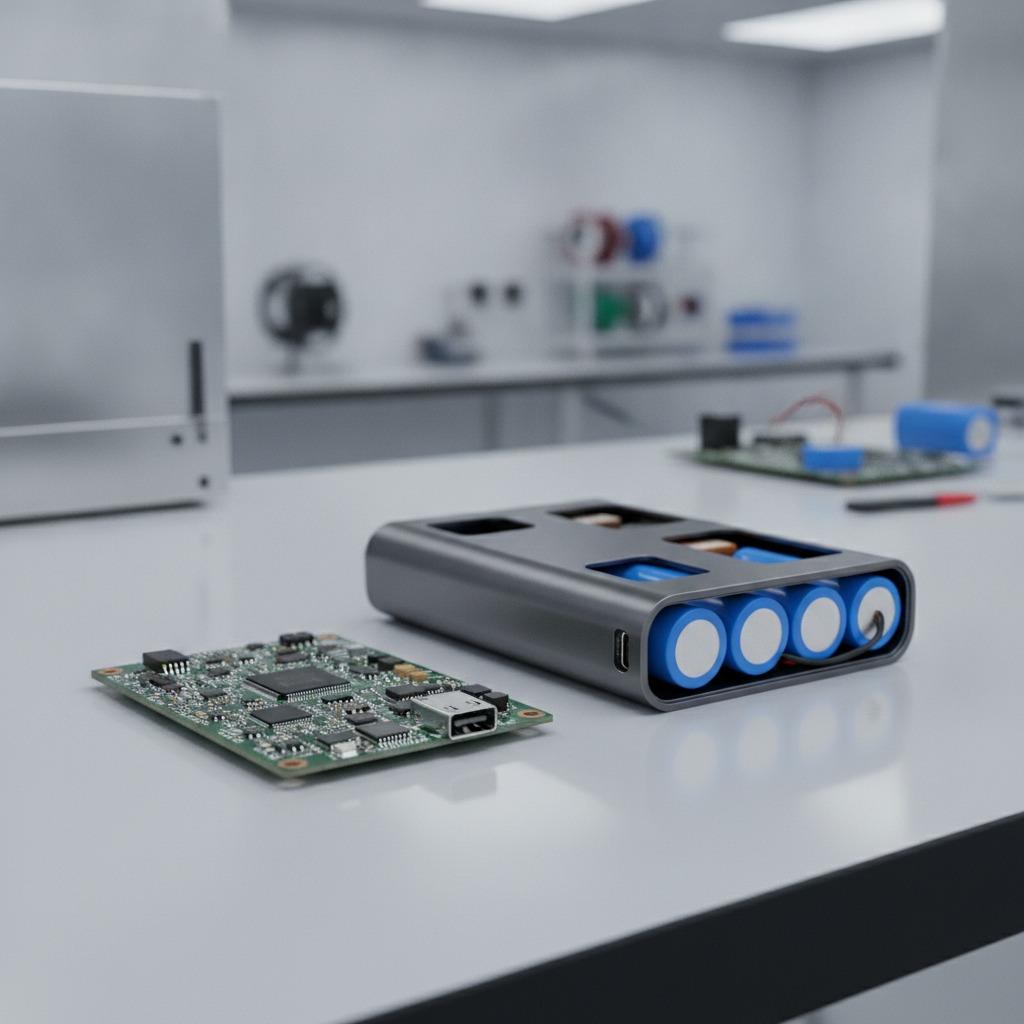
A fast charging power bank module is often the part that decides whether a portable battery product feels modern or already dated. Buyers do not care only that a power bank holds charge. They care whether it can refill a phone quickly, whether it can charge two devices without awkward behavior, and whether the product stays compact enough to carry every day. For engineers and sourcing teams, the module is where those promises either hold together or fall apart.
That is why the decision is not simply about picking a board with a higher wattage number. It is about matching charging protocol behavior, thermal performance, cell configuration, and manufacturing support to the end product. If you are comparing options for a consumer accessory, an industrial backup pack, or a private-label launch, the module choice shapes everything from user experience to assembly risk.
What buyers usually mean by fast charging
In the market, fast charging usually points to USB Power Delivery or similar protocol-based charging rather than just “more current.” A bidirectional PD power bank module can both charge the power bank itself and discharge power to external devices through the same port logic. That bidirectional behavior is now expected in many mainstream designs because it simplifies the user experience and reduces the number of separate charging paths.
For product teams, the practical question is not whether a module says PD on the spec sheet. It is whether the module negotiates power cleanly with common phones, tablets, earbuds cases, and compact laptops. Some modules support 20W, 30W, or 45W power levels, but the value depends on the battery pack design and the product category. A 20W unit may be enough for a slim pocket model, while 30W or 45W can make more sense where faster refill times are part of the selling point.
Key technical points to review before sourcing
1. Output power and protocol compatibility
The label wattage matters, but only if it aligns with the target devices. If a fast charging power bank module claims high output yet does not negotiate correctly with popular devices, the buyer ends up with disappointing real-world performance. A good sourcing review should look at supported charging protocols, port types, and whether the module handles multiple load conditions without instability.
2. Efficiency and heat
A high efficiency power bank module is more than an energy-saving feature. Better efficiency usually means less heat, longer usable runtime, and less stress on the enclosure. In a crowded handheld product, heat is never a cosmetic issue. It affects cycle stability, safety perception, and sometimes the choice of housing material. This is one reason thermal behavior should be checked early, not after the tool is already fixed.
3. Battery pack architecture
The module must fit the battery arrangement you plan to use. Cell count, pack voltage, protective functions, and charging path all need to line up. The wrong module can force awkward compromises in casing shape or add unnecessary rework during assembly. That is where DFM thinking pays off.
Where OEM and ODM support changes the project math
For many brands, the better question is not “Which board should we buy?” but “Which OEM ODM power bank module manufacturer can support the full build?” If you are launching under your own brand, the board alone is only part of the job. You also need assembly, component sourcing, testing, and a reliable path from prototype to production.
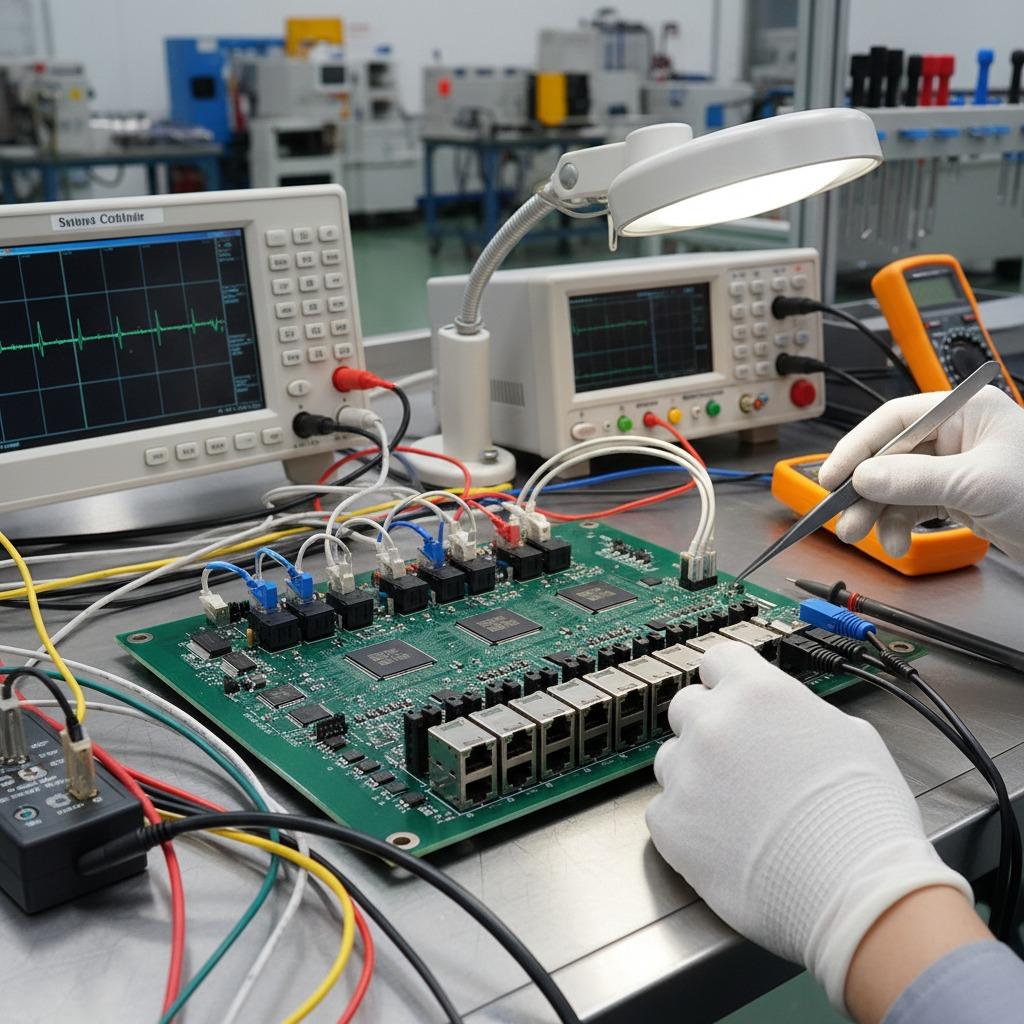
hcdpcba focuses on SMT placement, PCBA boards, PCB prototyping, component sourcing, assembly, testing, DFMA service, and OEM/ODM support. That matters in a power bank project because the module is rarely isolated. It sits inside a broader manufacturing chain. A supplier that can support sourcing and testing can reduce the chance of mismatch between PCB design intent and factory execution. The company also works across industrial control, medical, automotive electronics, IoT, smart home, communications, and related sectors, which suggests a process mindset rather than a one-off build approach.
Common mistakes when selecting a module
One common mistake is overbuying wattage. A 45W module sounds attractive, but if the pack, enclosure, and thermal path are not ready for it, the design can become harder to certify and harder to assemble. Another mistake is assuming the highest output automatically means the best user experience. In reality, stable negotiation and consistent thermals often matter more than an impressive headline number.
Another trap is ignoring manufacturing support. A module that looks acceptable in sample form can become troublesome when volume production starts if the supplier cannot hold component consistency or test discipline. Buyers should ask early how assembly, inspection, and final verification are handled.
Buyer questions worth asking before RFQ
What devices must the module support in daily use? Is the priority compact size, faster recharge, or multi-port flexibility? Do you need a bidirectional PD power bank module for a premium consumer model, or a more conservative design with a simpler power profile? Is your project closer to a 20W 30W 45W power bank module range, and which wattage actually fits the cell stack and enclosure?
These questions sound basic, but they prevent many expensive revisions later.
Practical next step
If you are comparing module options for a new portable power product, start with the usage scenario, not the brochure. Then map that scenario to charging power, thermal limits, cell arrangement, and assembly support. For teams that want one vendor to help with PCB fabrication, SMT, component sourcing, testing, and OEM/ODM execution, a manufacturing partner such as hcdpcba may be worth a closer look.
A short technical discussion at the sourcing stage usually saves a longer one after samples arrive.