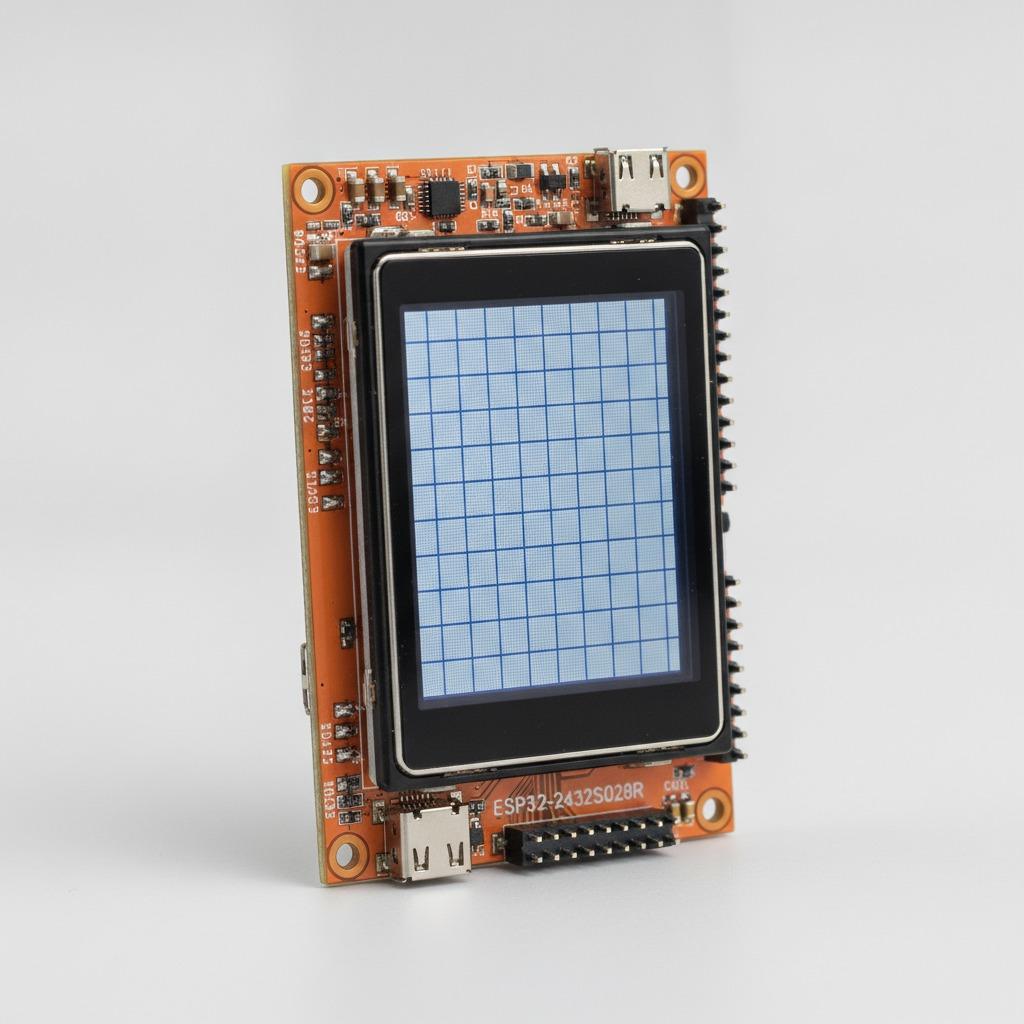
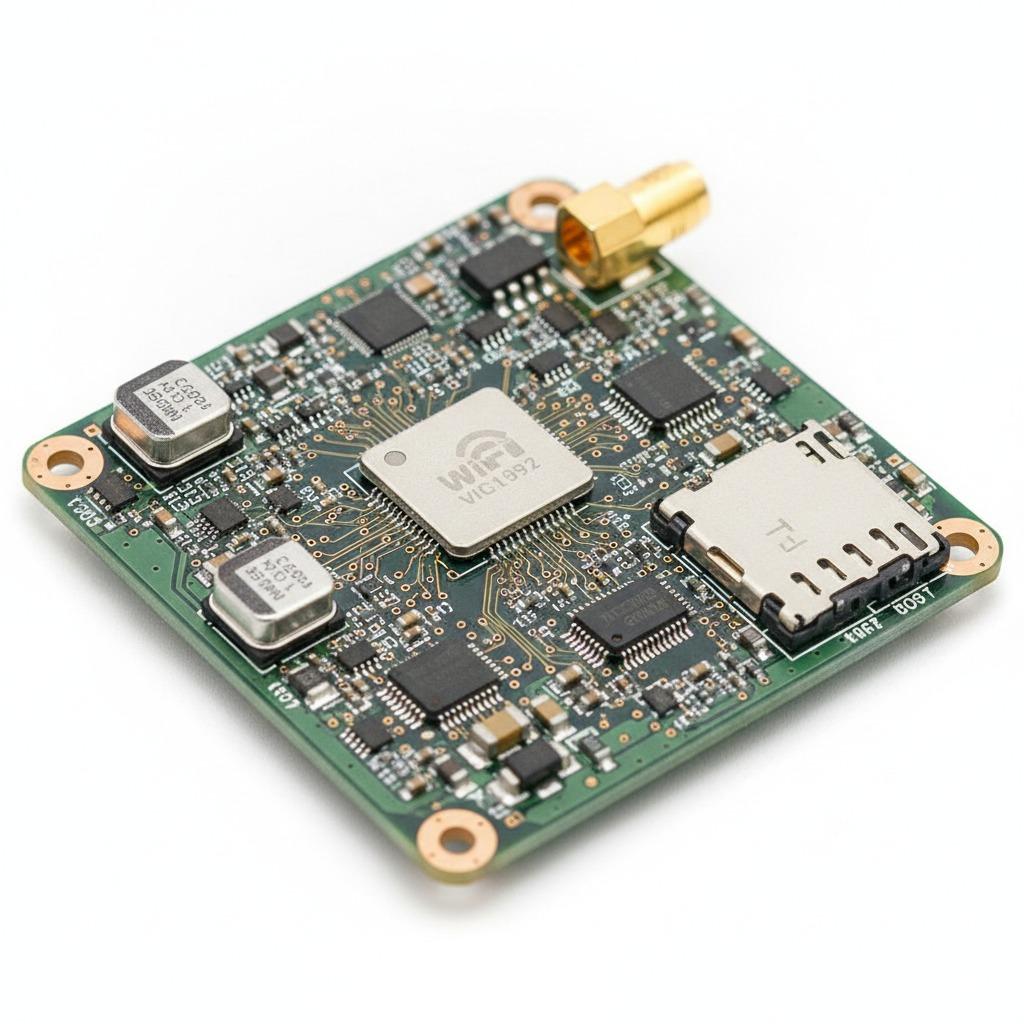
What PCB Full Assembly Really Solves for Buyers
PCB Full Assembly is the stage where a bare circuit board becomes a working electronic product, and that is exactly why it matters so much to engineering teams and sourcing managers. A clean Gerber file and a neat BOM are only the starting point. What often decides success is how well the board is procured, placed, soldered, inspected, and tested as one coordinated process. Miss one link, and the line between a functional prototype and a costly rework pile gets uncomfortably thin.
For buyers, the real question is not whether a supplier can place parts on a board. It is whether the supplier can handle the full assembly flow without creating hidden friction: component shortages, solder defects, weak process control, or late-stage design surprises. That is where a Full Assembly PCBA Service becomes more than a convenience. It can shorten handoffs, reduce uncertainty, and give product teams a single place to resolve manufacturing issues before they spread downstream.
Quick Takeaway: When Full Assembly Makes the Most Sense
Projects with multiple component types, dense layouts, or time-sensitive launches tend to benefit most from a Turnkey Circuit Board approach. Instead of splitting procurement, assembly, and testing across several vendors, the buyer works with one manufacturer that can coordinate the flow. That usually helps when the design is still settling, when supply chains are jumpy, or when the cost of an assembly mistake is high.
hcdpcba describes its service around SMT贴片, PCB打样, component sourcing, assembly, testing, and DFMA support. For buyers, that mix is useful because it keeps design-for-manufacture questions close to production rather than treating them as an afterthought. In practice, that can save time, but only if the team feeding the job is disciplined about data and revisions.
What Happens in a PCB Full Assembly Workflow
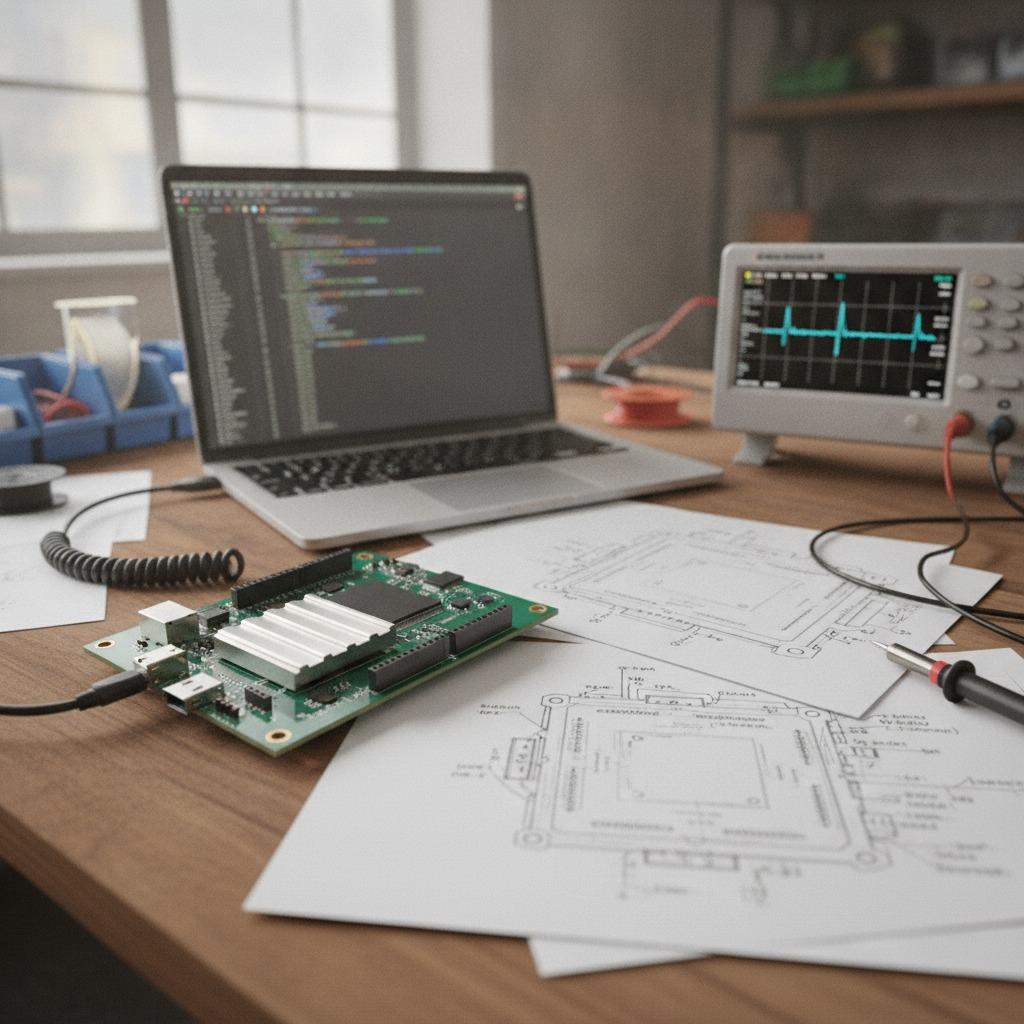
A proper assembly workflow usually begins with incoming design data: board files, BOM, pick-and-place data, and any process notes that affect special handling. From there, the factory confirms whether parts are available, whether footprints match the package, and whether the layout can be built efficiently. If the supplier offers PCBA Design Optimization or DFMA support, this is the point where small layout or component-choice adjustments can prevent larger production problems later.
Then comes sourcing. A Reliable PCBA Manufacturer should treat component procurement as part of quality control, not just purchasing. Counterfeit risk, substitution risk, and shelf-life issues are all real concerns, especially in industrial, medical, automotive electronic, and IoT builds. It is worth asking how substitute parts are approved and how traceability is handled. Buyers sometimes skip this discussion early, only to discover later that the “same” part from two lots does not behave the same way.
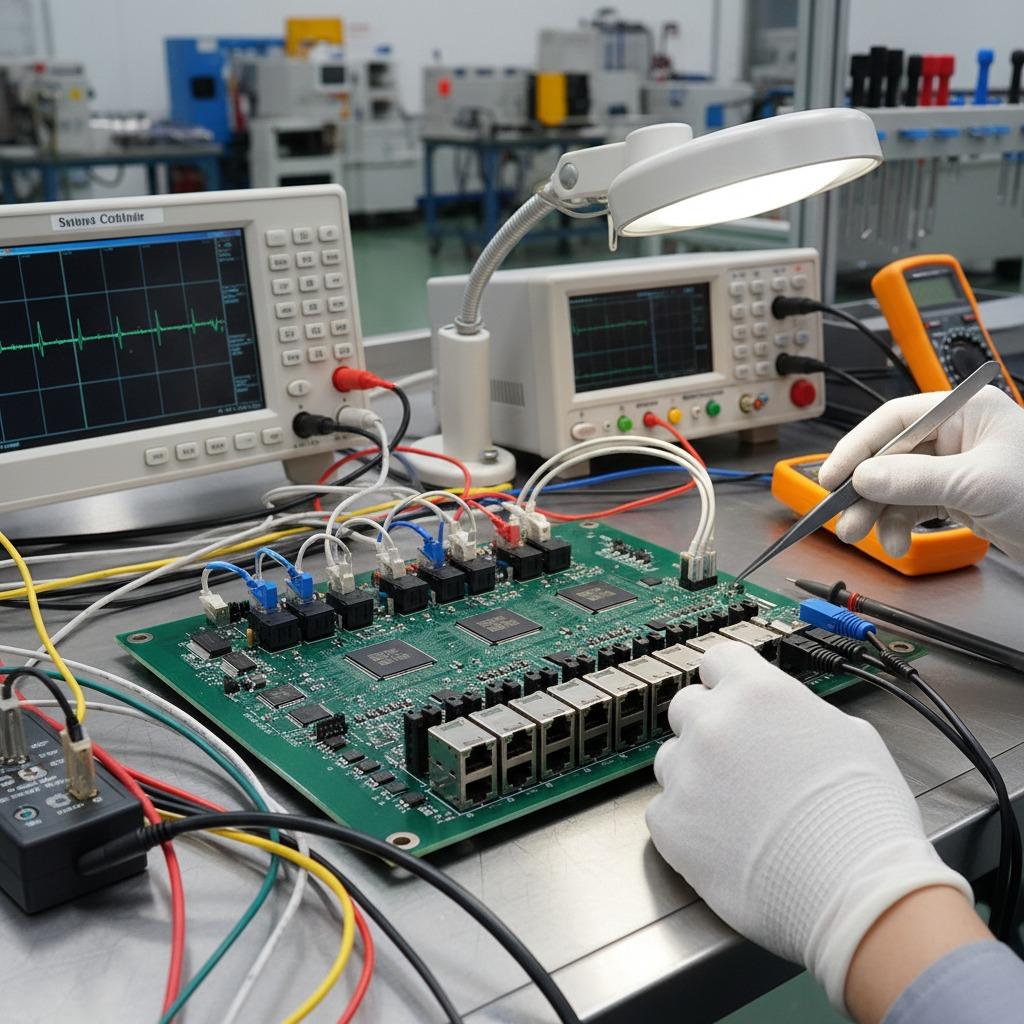
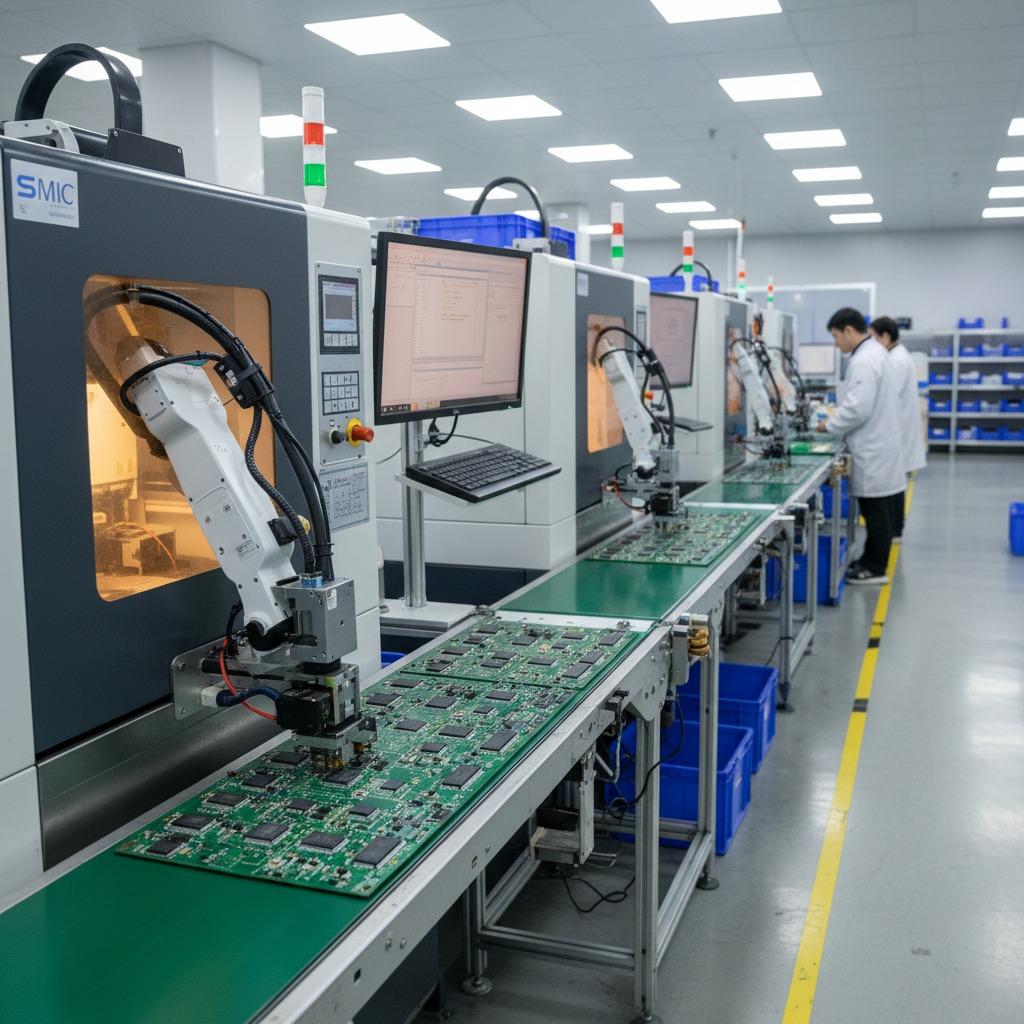
Once parts arrive, SMT贴片 places the components onto the board, followed by soldering and inspection. Depending on the product, testing may include functional checks, continuity verification, or other inspection methods appropriate to the build. hcdpcba notes testing support and process improvement suggestions, which is the sort of practical detail that matters when the first pilot run exposes a thermal or assembly issue that was invisible on paper.
Why PCBA Design Optimization Pays Off
PCBA Design Optimization is not about making a board prettier. It is about making it easier to build repeatedly without waste. That can mean clearer component spacing, better panelization choices, simpler assembly sequencing, or footprints that are less likely to trigger solder problems. In high-mix manufacturing, those small choices can save more money than many buyers expect.
One useful habit is to ask the factory where the board is likely to be sensitive. Dense BGA areas, fine-pitch components, mixed board thicknesses, and special materials such as high-frequency substrates can all affect production stability. Multi-layer boards and HDI boards can also raise the difficulty level, so the supplier’s experience matters more than a glossy capability statement.
How to Evaluate a Supplier Before You Commit
When comparing providers, look beyond the headline promise of a Full Assembly PCBA Service. Ask how they manage:
component sourcing and traceability,
process control for SMT贴片,
testing and fault feedback,
communication speed on design questions,
and confidentiality, especially for new products.
hcdpcba highlights fast quotation, production response, quality control, cost advantages, and NDA-based confidentiality. Those are sensible buying signals, though buyers should still verify how those promises show up in day-to-day work. Fast response is helpful, but the better sign is a supplier that asks the right questions before the purchase order is issued.
Common Buyer Mistakes
The most common mistake is assuming assembly is a commodity. It is not. Two suppliers can build the same board and deliver very different outcomes if one has stronger DFMA habits, better sourcing control, or more stable inspection routines.
Another mistake is sending incomplete documentation. Missing revision notes, unclear polarity markings, or BOM ambiguity can slow a Turnkey Circuit Board job and create avoidable back-and-forth. It sounds basic, but in real production settings these are the errors that cause late nights.
A third mistake is over-focusing on the prototype price while ignoring downstream yield. A slightly higher assembly quote can still be the cheaper option if it avoids rework, scrap, or field problems.
Where Full Assembly Fits Best
Full assembly is especially useful in control systems, medical electronics, automotive electronics, communications hardware, smart home products, power devices, and industrial equipment. These sectors often need stable repeatability, not just a one-off build. The ability to move from PCB打样 to SMT贴片 to assembly and testing under one roof can reduce handoff errors and keep development moving.
For teams building multi-layer, HDI, or high-frequency boards, the assembly partner’s practical experience can be just as important as machine capability. A board that looks straightforward in CAD may be a different story once heat, part density, and solder behavior are in play.
Buyer Questions Worth Asking Up Front
Before placing an order, ask what data format they prefer, how they handle engineering changes, whether they support small-batch and volume runs, and what testing can be applied to your product type. If your project is sensitive, confirm how they protect files and customer information.
If you are still refining the design, a supplier that offers DFMA and assembly feedback may be the safer choice than one that simply accepts files and hopes for the best. That is not glamorous advice, but it tends to hold up on the factory floor.
Next Step
If your team is planning a board build and wants fewer surprises between design and finished product, a discussion with a manufacturer that can handle sourcing, SMT贴片, assembly, and testing in one workflow is a practical place to start. hcdpcba supports PCB打样, PCBA board production, component procurement, assembly, testing, DFMA, OEM, and ODM services across industrial and electronics applications. For buyers comparing suppliers, that combination can be a useful benchmark for what a serious PCB Full Assembly partner should cover.