Security Camera Module OEM: High-Reliability Imaging for Surveillance and Monitoring Systems
Security devices operate under unpredictable conditions — dim hallways, backlit entrances, rapidly changing outdoor brightness, or continuous 24/7 runtime.
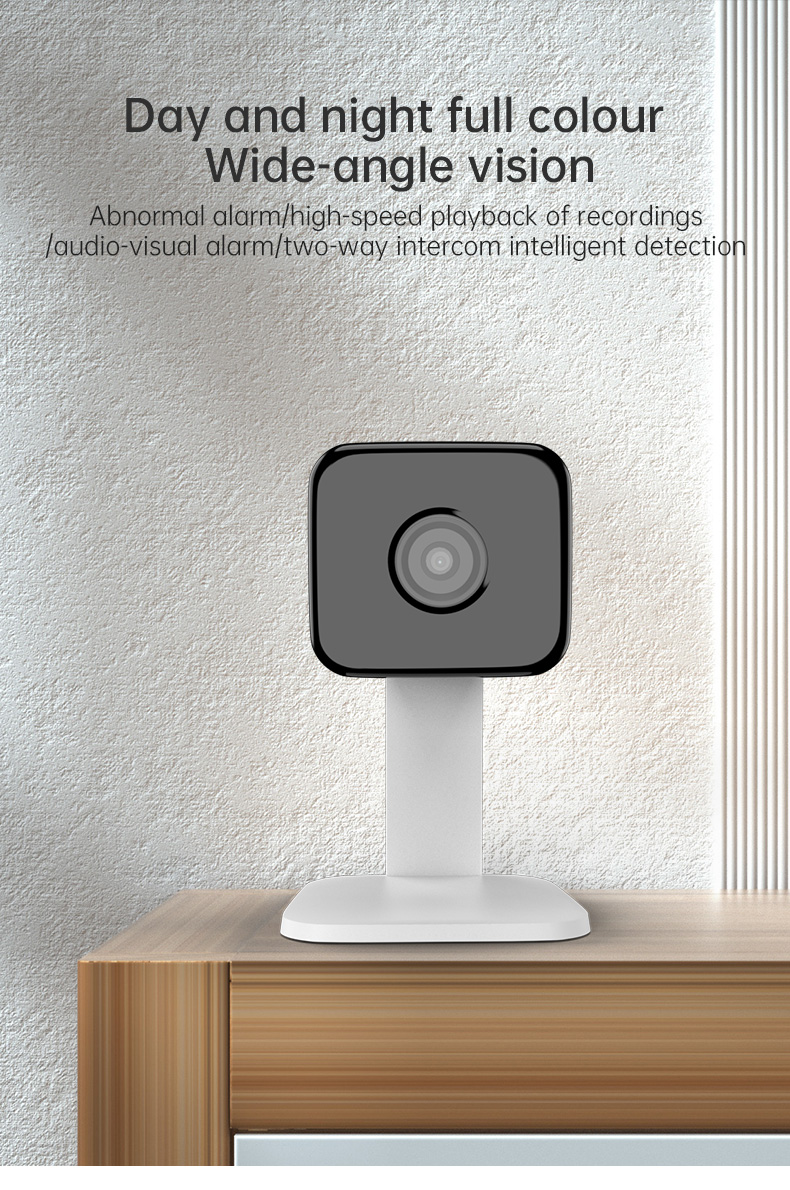
A security camera module OEM exists to deliver stable, clear imaging across all of these environments, enabling devices to capture detail, maintain color accuracy, and operate reliably for years.
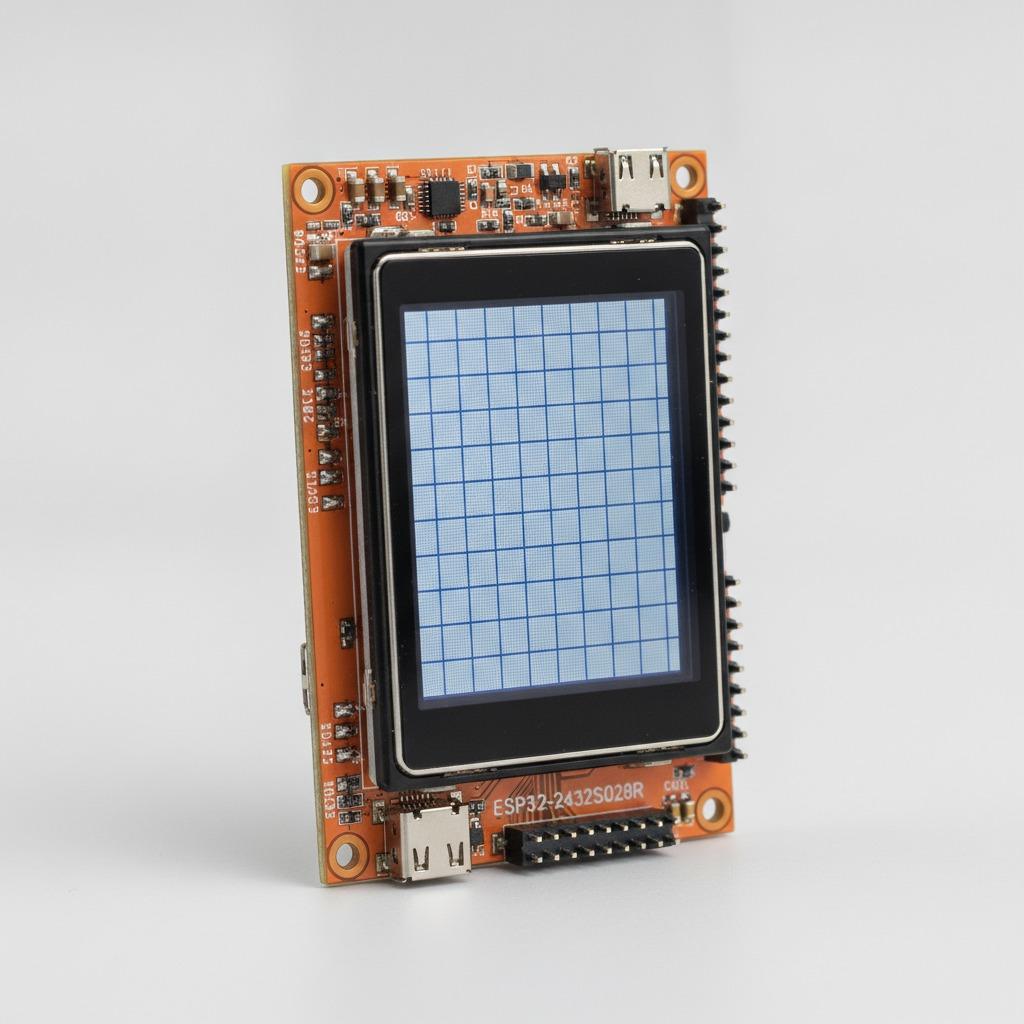
By combining high-sensitivity CMOS sensors, optimized PCBA architecture, infrared management, and WDR/HDR processing, OEM manufacturers provide surveillance modules that support smart home systems, commercial installations, industrial monitoring, and outdoor security units.
1. Core Imaging Architecture for Security Environments
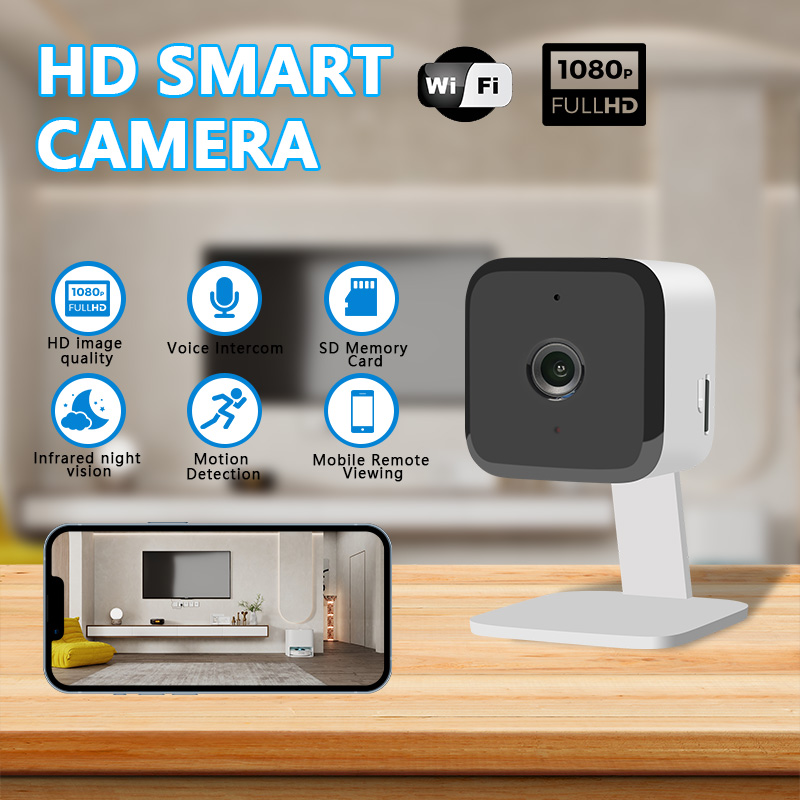
Unlike consumer cameras, security modules must capture useful footage at any moment — including low illumination, complex lighting angles, or moving subjects.
Key architectural elements include:
-
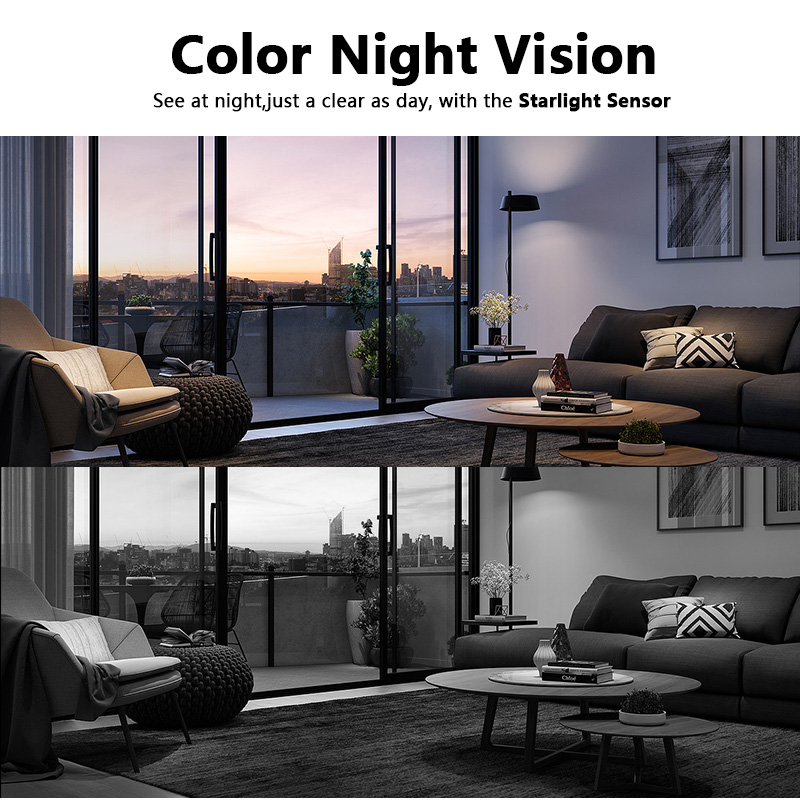
High-sensitivity CMOS (BSI or starlight architecture) for illumination levels below 0.01 lux
-
Wide Dynamic Range (WDR/HDR) to manage extreme contrast at doors, windows, and night streets
-
High SNR (Signal-to-Noise Ratio) for clear nighttime footage
-
Sensor-grade noise reduction to minimize grain in dim environments
-
IR-cut switching for accurate daytime color and enhanced night visibility
This multi-layered design ensures the module captures identifiable details — faces, vehicles, objects — regardless of ambient lighting.
2. Optical System Tailored for Surveillance Needs
Security cameras require optics optimized for wide coverage and consistent clarity.
Common OEM optical features include:
-
Wide Field of View (90–150°) for room or outdoor coverage
-
Large aperture lenses (F1.6–F2.0) to improve nighttime brightness
-
IR-corrected lenses to prevent color distortion when LEDs activate
-
Anti-glare coating reducing reflections from windows or headlights
-
Glass lens construction for temperature-resistant clarity
Security OEM factories tune lens-sensor alignment to maintain sharpness across the entire image frame — critical for identification footage.
3. PCBA Architecture That Supports Long-Term Stability
Security devices often run continuously for months or years.
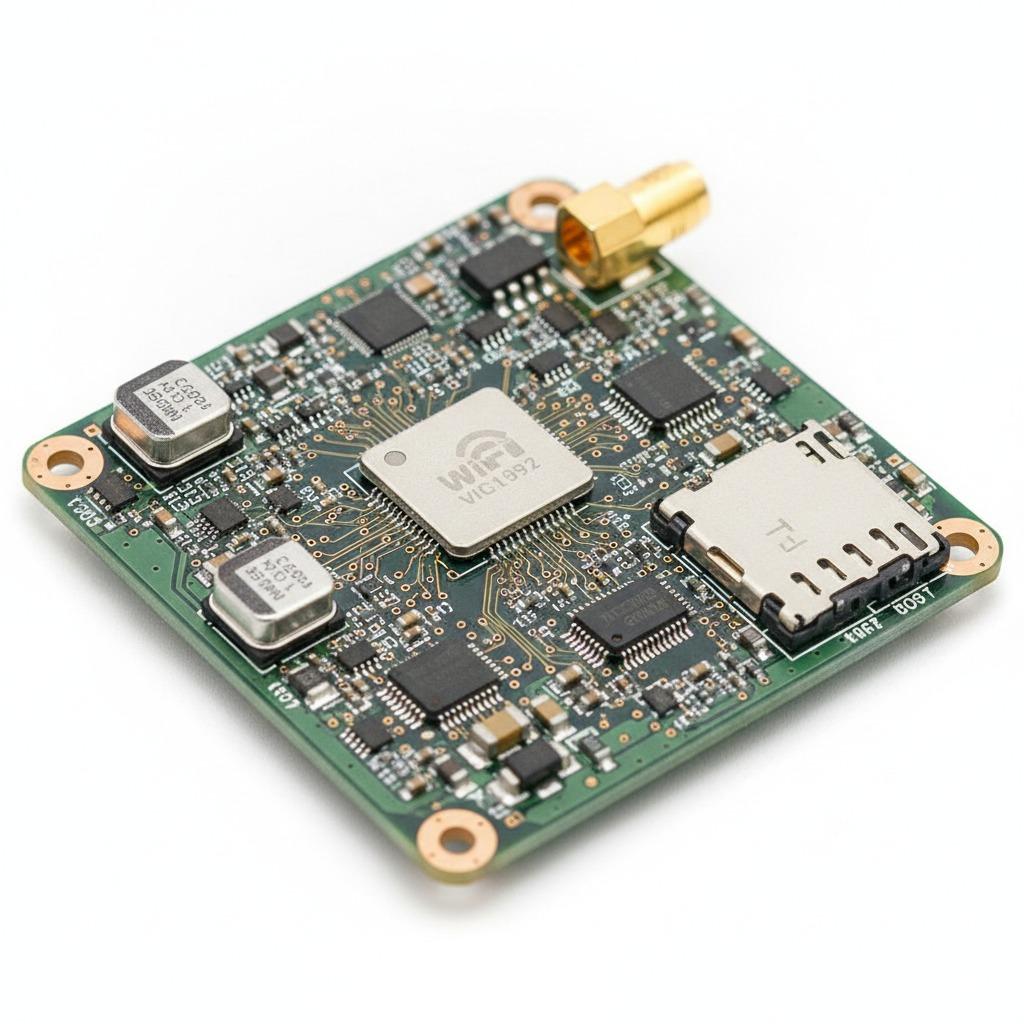
A robust camera PCBA design ensures consistent performance without degradation.
Key elements:
-
Low-ripple power supply supporting stable sensor operation
-
High-speed differential routing for MIPI/DVP/LVDS output
-
EMI shielding structures to prevent interference from Wi-Fi or motors
-
Thermal pathways dissipating heat from long-duration imaging
-
Protected solder joints and coating for outdoor or humid installation environments
OEM-level PCBAs are designed to endure weather variations, vibration, and continuous electrical load.
4. ISP Processing: Where Footage Becomes Evidence
A security module’s ISP determines how well the device handles difficult lighting and motion.
Critical ISP features include:
-
Real-time WDR/HDR exposure blending
-
Motion-adaptive noise reduction
-
Low-light enhancement algorithms
-
Shadow boost for dark corners
-
White balance tuning for mixed indoor lighting
-
Face and object clarity enhancement
Proper ISP tuning is essential for producing footage that remains useful during legal review, analytics processing, or AI-based recognition.

5. IR Management and Night Vision Capabilities
Security cameras must perform when illumination is minimal or nonexistent.
OEM factories implement:
-
IR-cut filters for natural color during daytime
-
IR-pass mode activated at night
-
High-power IR LED compatibility for outdoor units
-
IR reflection control to prevent white-out at close distances
-
Glass window and housing design optimized for infrared transmission
A well-calibrated IR system ensures nighttime images remain bright, clear, and free from glare or halo effects.
6. Reliability Testing Required for Security Camera Modules
Security modules undergo stricter validation than consumer modules due to long-term deployment and environmental unpredictability.
| Test Type | Purpose | Industry Standard |
|---|---|---|
| Low-light performance test | Validate clarity under near-darkness | <0.01 lux |
| WDR contrast test | Ensure detail retention in bright/dark areas | 120 dB+ WDR |
| Thermal cycling | Verify stability across temperature changes | -30°C to +85°C |
| Humidity resistance | Prevent fogging and corrosion | 60°C, 90% RH |
| Aging test | Ensure 24/7 reliability | 72–120 hours |
| Vibration and shock test | For outdoor and industrial units | Automotive-grade profiles |
Such testing ensures the module will perform consistently through seasons, weather, and continuous operation.
7. OEM Advantages: Why Surveillance Brands Rely on Professional Factories
A specialized security camera module OEM delivers:
-
Custom module design (FOV, housing, PCBA shape, interface, IR performance)
-
End-to-end manufacturing — optics, sensor bonding, PCBA, SMT, calibration
-
Wide product coverage — from indoor doorbell modules to outdoor bullet camera modules
-
Batch stability important for large surveillance deployments
-
Long-term supply chain reliability for multi-year product families
OEM capability ensures product consistency and reduces the risk of image quality variation across production batches.
Seeing Clearly, Day or Night: The Value of Professional Security Modules
Reliability defines the value of a security camera module.
Clear footage, stable low-light performance, consistent WDR handling, and long-term durability determine whether a security device can protect people, property, and infrastructure.
For surveillance brands, partnering with a capable OEM means faster development, predictable quality, and hardware that performs wherever it is deployed — indoors, outdoors, or in industrial environments.
To discuss tailored OEM module solutions, ranging from smart home cameras to industrial-grade monitoring systems, visit www.hcdpcba.com or connect with us via the contact page.