PCBA Factory for Stable Production Systems and Scalable Manufacturing Capability
Many buyers evaluate a factory based on visible factors—equipment lists, factory size, or pricing.
However, real manufacturing capability is not defined by machines alone. It is defined by how consistently a factory can produce identical results across batches, time, and scale.
In actual projects, problems often appear not in the first order, but in repeat production. Yield begins to fluctuate, delivery timelines shift, and product performance becomes inconsistent. These issues are rarely caused by design—they are caused by gaps in manufacturing systems.
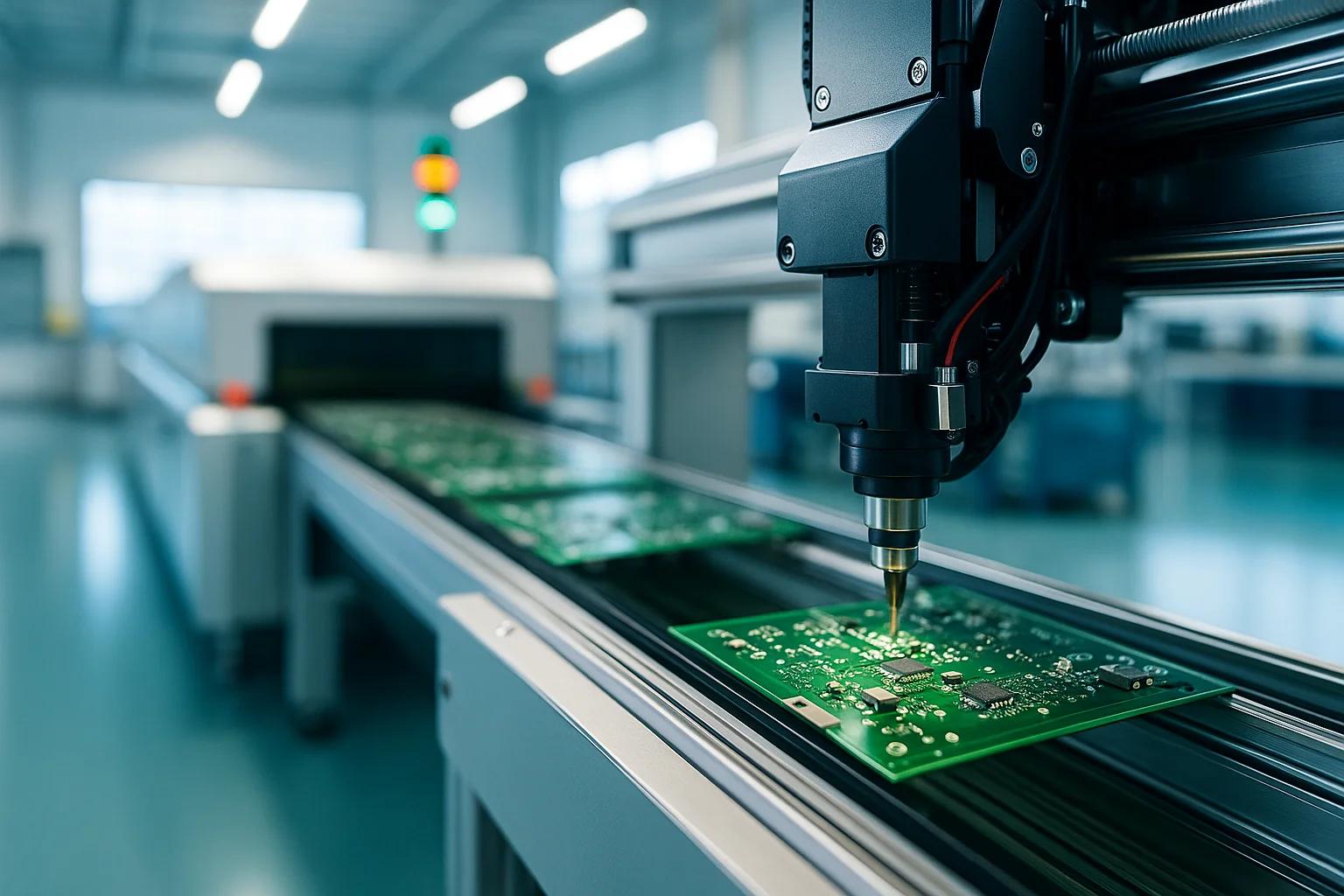
A mature PCBA factory addresses these risks by building a structured production environment where processes, materials, and quality control are tightly integrated. Our engineering and production teams focus on creating repeatable systems that ensure every unit performs the same—not just the first batch.
What Truly Defines a PCBA Factory
A factory is not simply a place where boards are assembled. It is a system where multiple variables—materials, machines, processes, and people—must work together consistently.
For example, two factories may use the same SMT equipment, but produce different results due to differences in process control, operator training, and material management.
A reliable PCBA factory ensures:
- Standardized process parameters across all production lines
- Controlled material sourcing and validation
- Consistent operator training and workflow execution
Factories with this level of control often achieve 20–30% lower defect rates compared to less structured environments.
Process Stability as the Core Manufacturing Advantage
In electronics manufacturing, stability is more valuable than peak performance. A process that delivers consistent results is more important than one that occasionally achieves perfect output.
Process stability includes:
- Fixed and validated reflow profiles
- Controlled solder paste printing conditions
- Repeatable placement accuracy
When these variables are not controlled, small deviations can accumulate into large production issues.
In a structured PCBA factory, maintaining process stability can reduce defect recurrence by 25–40%, especially in high-density or multilayer boards.
Material Control and Supply Chain Integration
Material inconsistency is one of the most common hidden risks in PCBA production. Variations in components, packaging, or storage conditions can lead to subtle but critical differences in performance.
For example, moisture-sensitive components that are not properly handled may develop reliability issues after assembly. Similarly, unverified component substitutions can introduce electrical variation.
A disciplined PCBA factory integrates sourcing with production by:
- Validating suppliers before approval
- Monitoring component lifecycle and availability
- Controlling storage and handling conditions
These practices typically reduce sourcing-related variation by 5–12%, improving batch consistency.
Scaling Production Without Losing Control
Scaling production is where many factories fail. Processes that work in small batches often become unstable at higher volumes.
For example, minor inconsistencies in stencil design or placement accuracy may be acceptable in 100 units but become critical in 10,000 units.
A capable PCBA factory manages scaling by:
- Locking validated parameters before ramp-up
- Standardizing production workflows across shifts
- Monitoring real-time production data
Factories that implement these controls often improve production consistency by 10–20% during scale-up.
Manufacturing Factors and Their Impact
| Manufacturing Factor | Control Method | Typical Result |
|---|---|---|
| Solder paste printing | Optimized stencil design | 20–30% defect reduction |
| Component placement | High-precision SMT machines | Improved alignment consistency |
| Reflow process | Controlled temperature profile | Reduced solder failure |
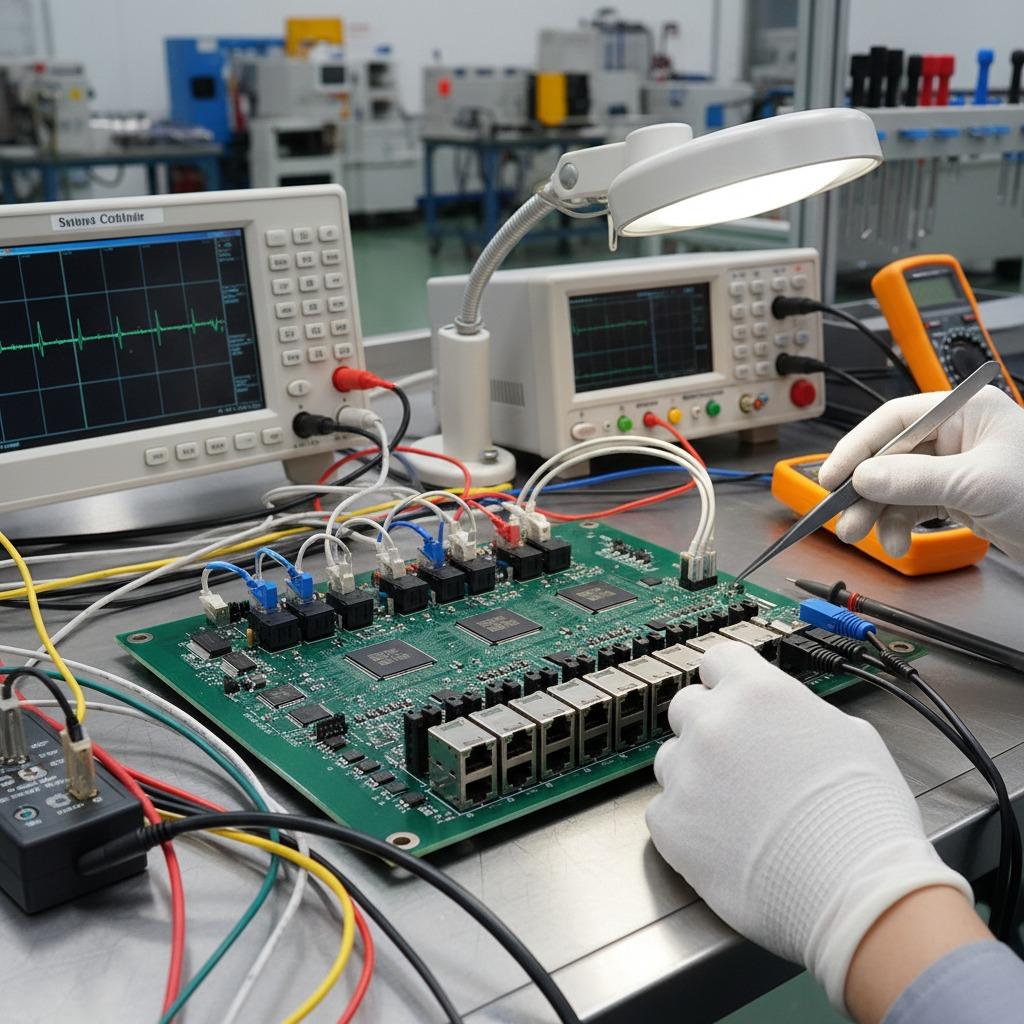
| Inspection system | AOI + functional testing | Early defect detection |
| Process monitoring | Data-driven feedback | Prevents defect recurrence |
These factors determine whether a factory can deliver stable production or unpredictable output.
Compliance and Quality Systems
A professional factory must operate within a structured quality framework, especially for export and industrial projects.
Key requirements include:
- ISO-based quality management systems
- RoHS material compliance
- Support for CE / FCC certification
- Full production traceability
A structured PCBA factory integrates compliance into daily operations rather than treating it as a separate step.
Frequently Asked Questions
Q1: What is the difference between a PCBA factory and a PCB assembler?
A factory focuses on system-level production control, not just assembly execution.
Q2: Why does production quality change over time?
Because processes are not fully standardized or controlled.
Q3: Can a factory improve product reliability?
Yes. Stable processes directly improve long-term product performance.
Why Factory Capability Determines Manufacturing Success
A reliable PCBA factory provides more than equipment—it provides a controlled manufacturing system that ensures consistent quality, predictable output, and scalable production. When processes, materials, and engineering are aligned, products can move from prototype to long-term production without unexpected issues.
If you want to evaluate whether a factory can support your long-term manufacturing goals, reviewing real production systems and process control is the best starting point. You can learn more about our capabilities here:
👉 https://www.hcdpcba.com
For OEM projects, repeat production, or complex assemblies, early technical discussion can significantly improve outcomes. You are welcome to contact our team here:
👉 https://www.hcdpcba.com/en/contact-us