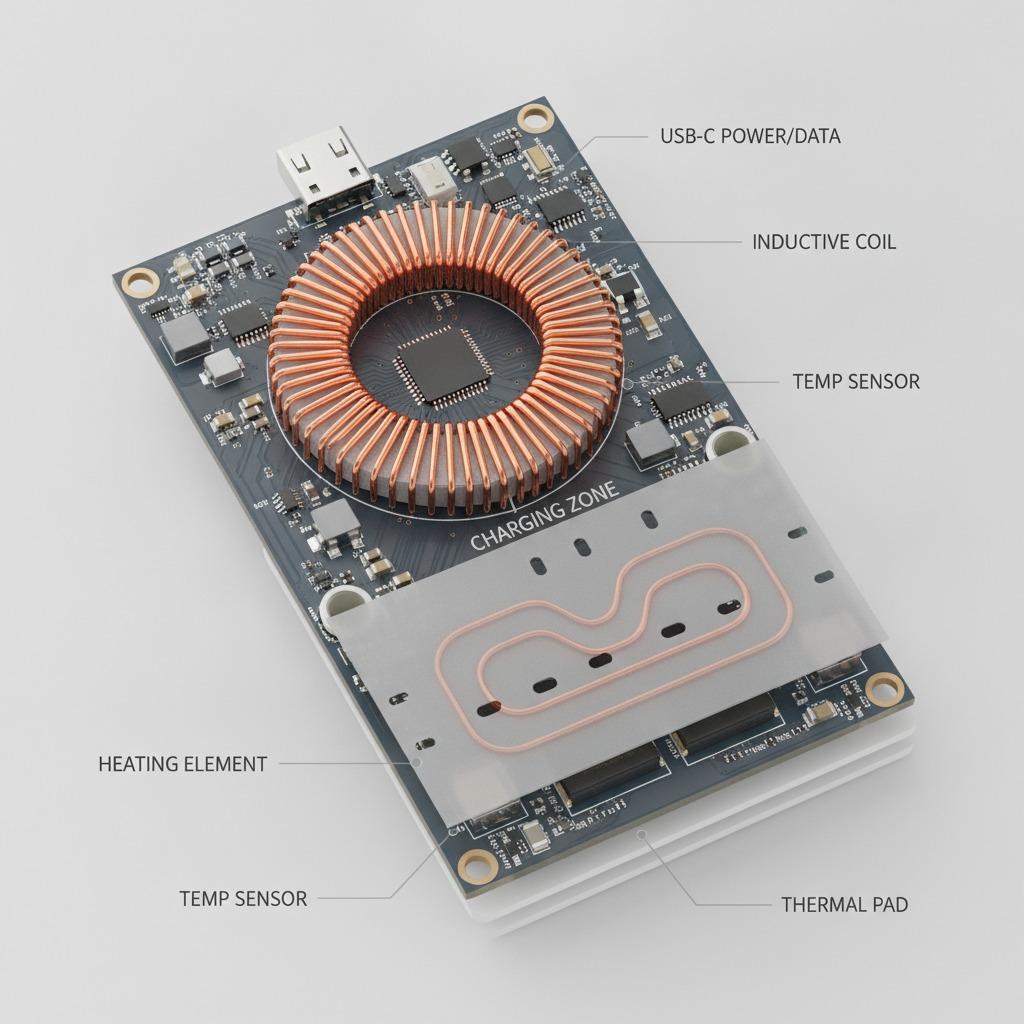
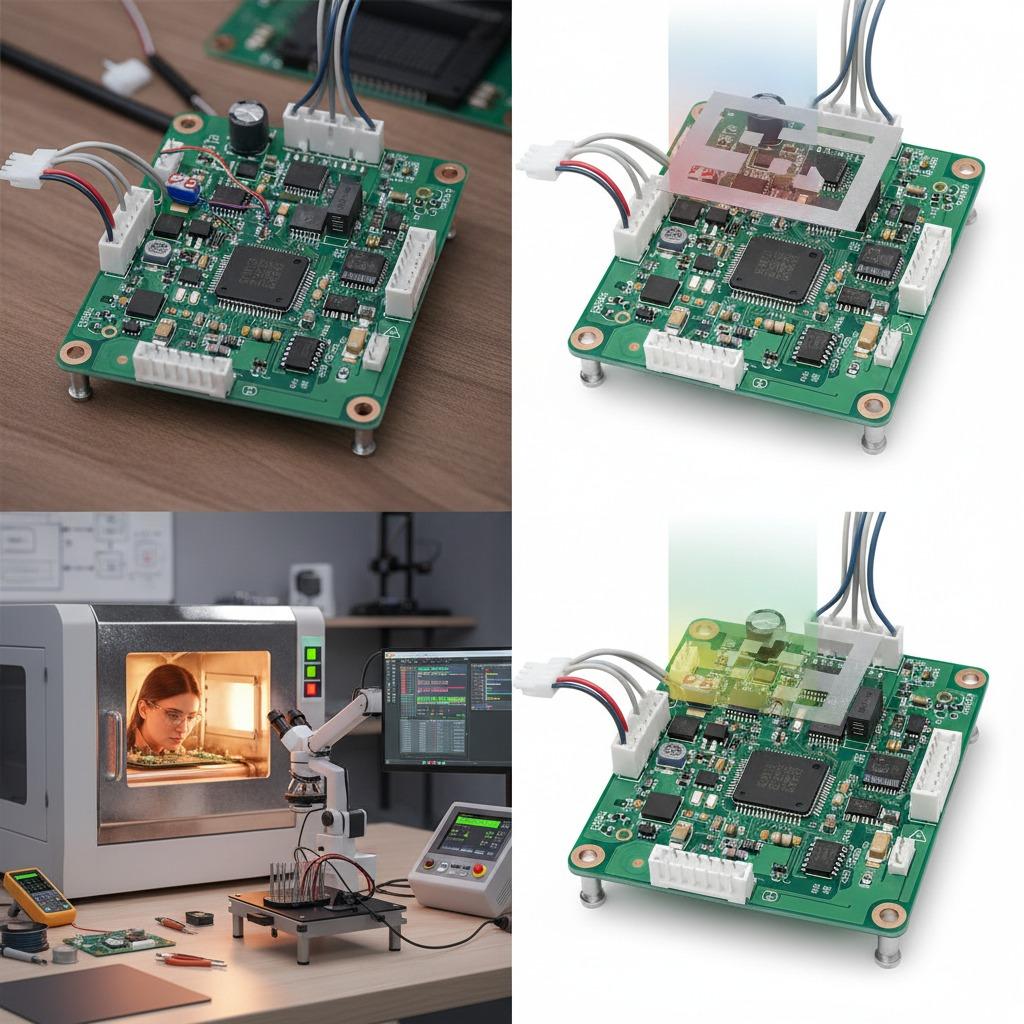
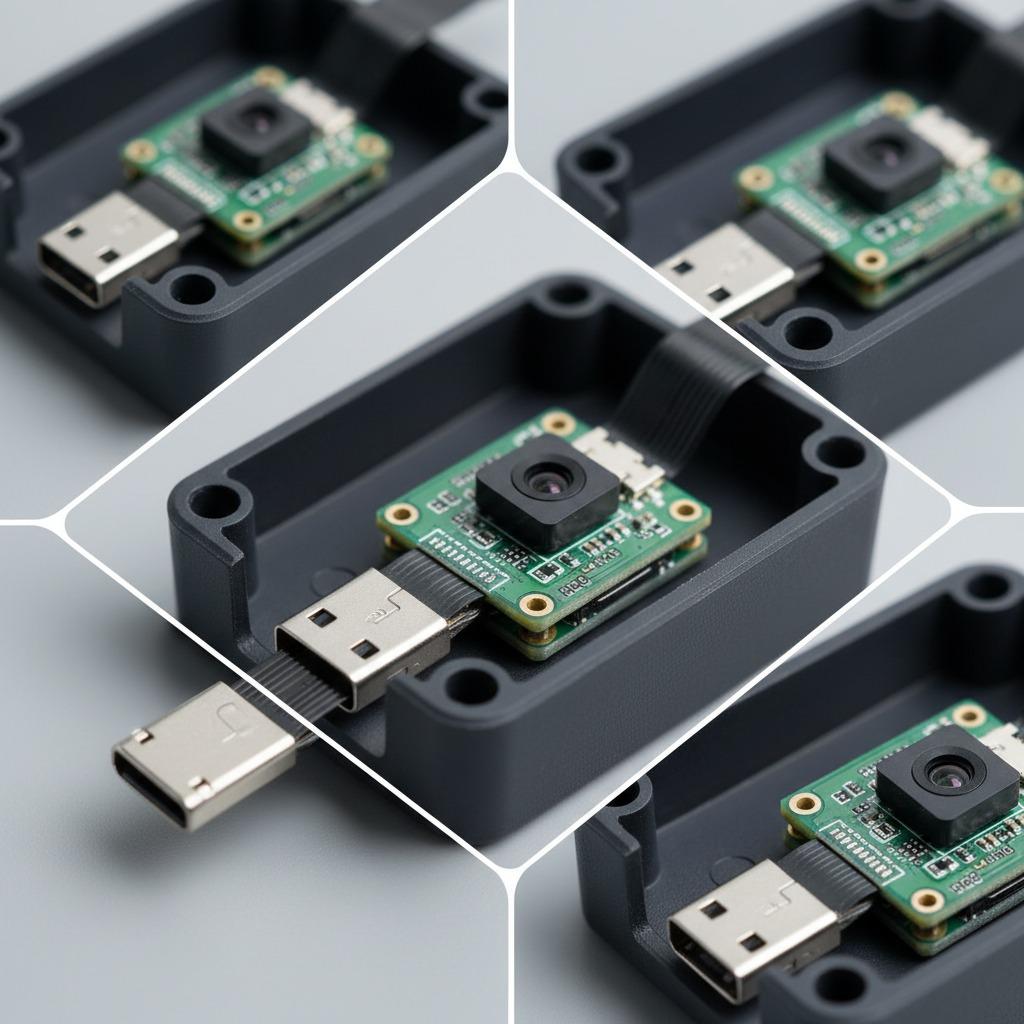
A USB camera module looks simple on a spec sheet, but in real products it sits at the intersection of optics, power, board layout, firmware, and end-user expectations. That is why buyers often discover that the cheapest module is not the least expensive choice once image quality, integration time, and field failures are counted. If you are comparing options for a new device, the real question is not just whether the module works, but whether it fits the product’s electrical budget, enclosure, and production plan.
What A USB Camera Module Actually Solves
In practice, this part gives designers a fast path to image capture without building a full camera subsystem from scratch. The USB interface makes integration easier for host devices such as industrial PCs, embedded systems, medical terminals, and smart hardware. For many teams, the attraction is speed: one well-chosen module can reduce development risk and shorten the route from prototype to pilot build.
That said, a camera module is rarely a drop-in decision. The lens choice, sensor behavior in mixed light, cable length, board shape, and power draw all affect the final result. A module that looks fine in a lab can become awkward inside a compact housing or noisy next to switching electronics. Buyers who treat it as a commodity often pay for that assumption later.
Key Options Buyers Usually Compare
When teams evaluate a USB camera module, they are usually sorting through a few practical questions rather than comparing abstract features. Is the image intended for human viewing or for automated inspection? Does the product need a 1080P camera module, or is lower resolution acceptable if the optics are stable and the frame rate is sufficient? Does the device need a machine vision camera module for deterministic capture, or a general-purpose HD camera module for monitoring and user interaction?
Those distinctions matter because the same sensor family can behave very differently depending on processing, interface settings, and illumination. A machine vision setup, for example, may prioritize repeatability, trigger behavior, and consistent exposure over visual polish. A consumer-facing or kiosk product may care more about color rendering and packaging. The right answer depends on the job, not the headline spec.
Resolution Is Not The Whole Story
Resolution gets attention because it is easy to compare. Still, it is only one piece of the image chain. A poorly tuned lens can make a high-resolution module look soft. A sensor with good nominal pixel count can still struggle with glare or motion blur. For buyers, it is smarter to ask how the module behaves under the lighting and distance conditions of the actual product, not just on a bench test chart.
Where Low Power And Thermal Discipline Matter
Power consumption becomes important in battery-powered equipment, portable instruments, and compact embedded systems. A low power camera module can help reduce thermal stress and extend runtime, but the rest of the design must support that choice. If the host board or enclosure traps heat, the module may still drift in performance. This is one of those details that sounds minor during sourcing and becomes major during validation.
For industrial or always-on products, lower power also means less strain on adjacent components. It can improve overall system reliability and simplify enclosure design. The tradeoff is straightforward: savings in power must not come at the expense of image quality, interface stability, or manufacturability.
Manufacturing Considerations That Change The Outcome
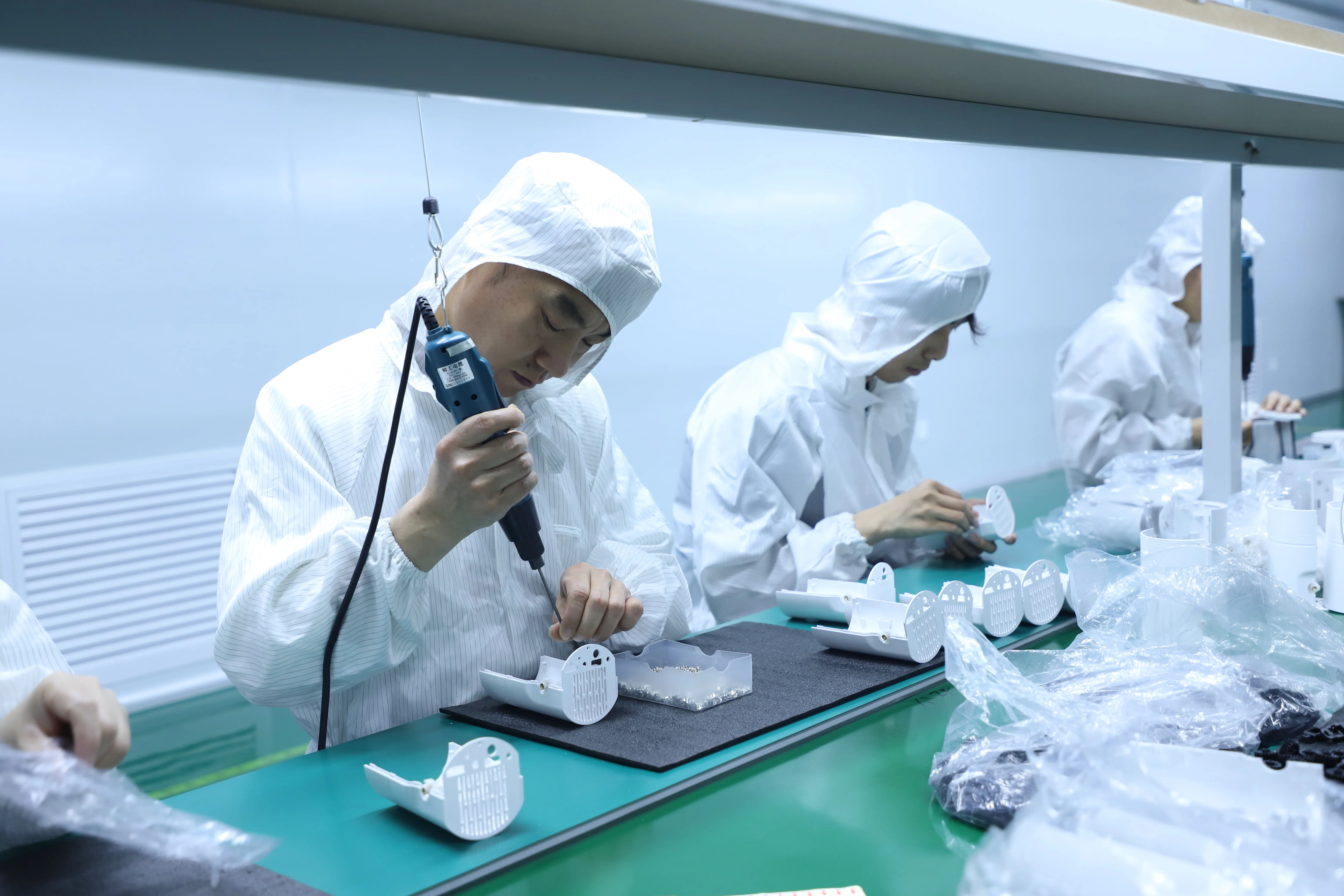
Camera modules do not succeed on optics alone. Assembly quality, solder joint consistency, and board-level testing shape the field result just as much as the sensor choice. This is where a manufacturer like hcdpcba becomes relevant, especially for buyers who need more than a loose module.
hcdpcba focuses on SMT贴片, PCBA boards, PCB prototyping, component sourcing, assembly, testing, DFMA review, and OEM/ODM services. For a camera-based product, those capabilities matter because the module may need to be integrated into a larger board stack, connected to sensors or control logic, and checked for electrical and functional consistency before mass production. Their experience across industrial control, security, medical, IoT, automotive electronics, AI, smart home, power, and communications suggests a production environment where camera-related hardware can be handled alongside the rest of the system rather than as a one-off add-on.
That is useful for buyers who are not simply purchasing a part, but building a product. The camera module may be the visible piece, yet the real manufacturing task is making sure the entire assembly behaves the same way on the first unit and the ten-thousandth.
Common Mistakes In Procurement
One common mistake is choosing a module before defining the use case. If the product needs barcode capture, positioning feedback, or visual inspection, the requirements are different from a conferencing or monitoring device. Another mistake is overlooking the mechanical envelope. A module with the right electronics can still fail the project if the lens height conflicts with the enclosure or if the cable path is too tight.
Buyers also sometimes under-specify testing. It is not enough to ask whether the module powers on. You want evidence that it performs consistently across the expected operating range, especially when it will be assembled into a larger system. A camera module that works on a developer desk may still expose grounding, EMI, or thermal issues once it is installed near motors, LEDs, or wireless radios.
Selection Criteria That Help In Real Projects
Start with the final product behavior and work backward. If the device is for inspection, prioritize repeatability and stable exposure. If it is for operator interaction, prioritize clarity, color, and low-latency display. If battery life matters, check the power profile carefully. If the product is destined for volume production, ask how the module will be assembled, tested, and tracked through the build process.
Buyers should also pay attention to sourcing and support. A module can look attractive on paper, but without reliable component supply, documented assembly flow, and responsive engineering feedback, the project can stall at the worst moment. That is especially true for custom or semi-custom designs where changes in lens, board shape, or firmware may be needed after early samples.
Practical Buyer Advice
Request sample units early and test them in the actual enclosure, with the actual host board, under the actual lighting. If your product needs a 1080P camera module, confirm that the full imaging chain delivers that performance in context, not just in a datasheet. If the application is closer to industrial automation, treat the module as part of a machine vision camera module evaluation and check repeatability first.
It is also wise to involve manufacturing partners before the design is frozen. DFMA feedback can catch assembly problems, connector placement issues, and testability gaps that are expensive to fix later. In camera products, those early checks often decide whether the project scales smoothly or turns into a sequence of small fire drills.
Next Step For Teams Building Camera Products
If you are sourcing a USB camera module for a new device, the best next step is to align imaging requirements with manufacturing reality. That means defining the use case, checking power and mechanical constraints, and planning how the module will be assembled and tested at volume. For teams that need PCB, SMT, PCBA, component sourcing, and OEM/ODM support in one place, it can be helpful to discuss the whole build rather than the camera alone. In this category, the right partner is usually the one that asks awkward questions early, because those are the questions that prevent late surprises.