Indoor monitoring devices are expected to work quietly and continuously in homes, offices, retail spaces, care facilities, and smart building systems. However, many buyers find that image quality problems appear after real installation: poor low-light visibility, color shift under LED lighting, overheating in compact housings, unstable video output, or inconsistent image quality between production batches.
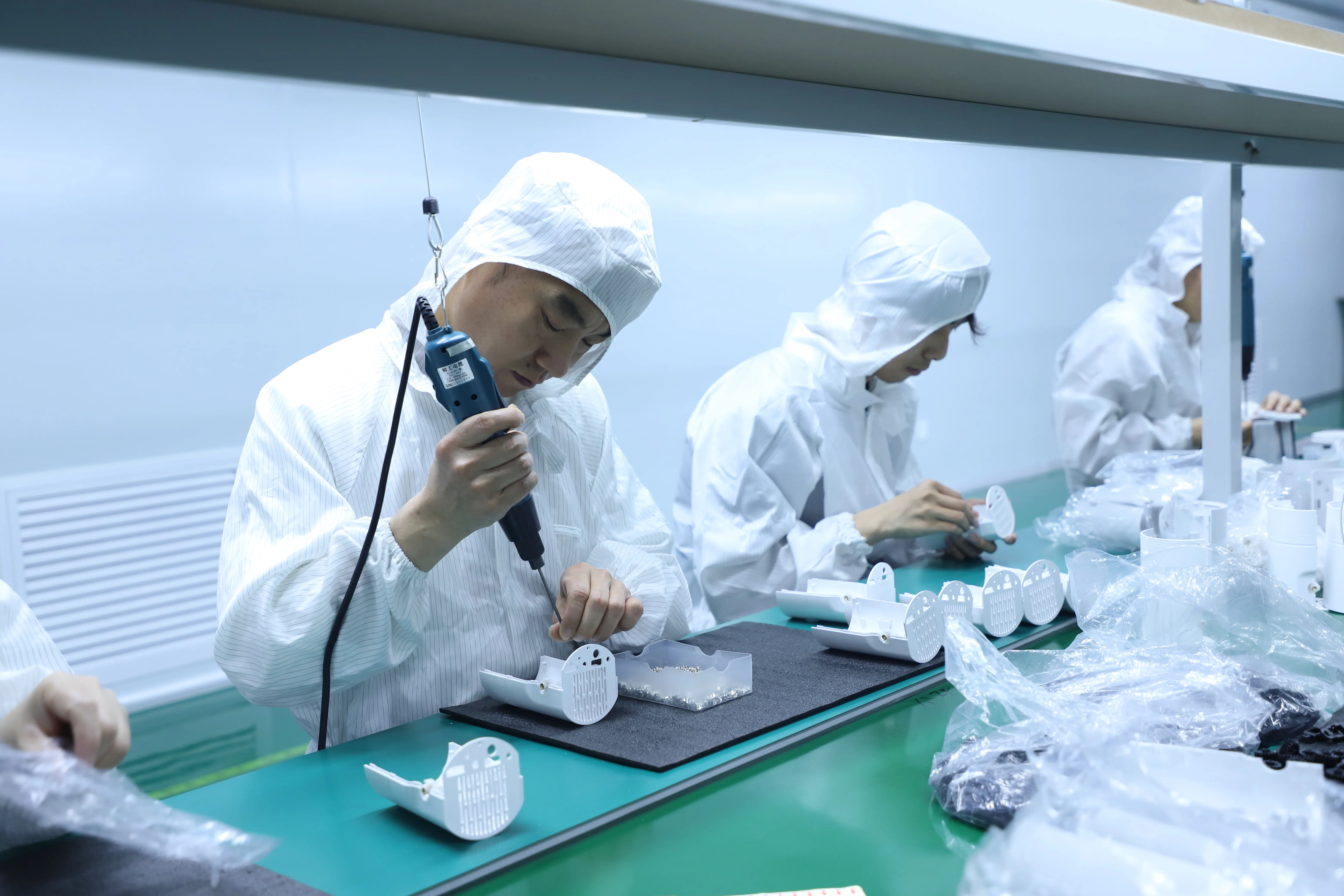
A professional indoor monitoring camera module supplier solves these issues by coordinating sensor selection, lens structure, PCBA layout, firmware tuning, thermal control, and production testing. At HCDPCBA, our engineering team supports camera module development, PCBA production, and custom electronics integration for smart monitoring and embedded vision projects. You can learn more about our manufacturing background through the About Us page: https://www.hcdpcba.com/en/about-us
Common Challenges in Indoor Monitoring Camera Module Projects
Indoor monitoring cameras operate in environments that look simple but are technically complex. Unlike outdoor cameras, indoor products often face mixed artificial lighting, reflective surfaces, compact installation spaces, and long operating cycles. A camera installed in a living room, nursing room, warehouse aisle, or office corridor may need to capture clear images during both daytime and low-light conditions.
Common problems include video noise at night, inaccurate color under LED lights, image flicker, lens fogging in humid spaces, WiFi camera overheating, and inconsistent focus across batches. These problems can reduce user trust and increase return rates for smart home brands and device manufacturers.
This is why choosing an indoor monitoring camera module supplier is not only about resolution or unit price. The supplier must understand how optical design, electronics, image processing, and production control work together.
Why Indoor Camera Image Problems Happen
Most indoor monitoring problems come from the interaction between lighting, sensor response, lens performance, and electronic stability.
For example, many indoor environments use LED lighting that may create flicker if the sensor and firmware are not tuned properly. Low-cost lenses may look acceptable in bright conditions but lose sharpness at the image edge. Compact product housings may trap heat around the sensor and processor, increasing image noise during continuous operation.
PCBA design also matters. If the power supply is noisy or signal routing is unstable, the module may produce intermittent image distortion, frame drops, or unstable data transmission. In smart home and AI monitoring devices, these small issues can affect motion detection, people counting, object recognition, and cloud video performance.
A capable factory must solve these problems before mass production, not after customer complaints.
Technical Principles Behind Stable Indoor Imaging
Indoor monitoring camera performance depends on three technical foundations: light sensitivity, image processing, and electrical stability.
First, the image sensor must be selected based on real lighting conditions. For baby monitors, elder care devices, and home security cameras, low-light performance is often more important than simply increasing megapixels. A 2MP or 4MP sensor with better sensitivity may perform better than a higher-resolution sensor with poor noise control.
Second, the lens must match the application. A wide-angle lens can cover more indoor space, but excessive FOV may increase distortion. For indoor monitoring, common lens angles range from 90° to 140°, depending on room size, mounting position, and detection requirements.
Third, the PCBA must support stable signal and power delivery. For camera-related product and PCBA capabilities, you can review the Products page: https://www.hcdpcba.com/en/products
Standard Module Sourcing vs Supplier-Level Custom Development
| Factor | Standard Module Sourcing | Supplier-Level Custom Development |
|---|---|---|
| Sensor choice | Limited existing models | Selected by low-light, resolution, frame rate, and cost |
| Lens design | Fixed lens option | FOV, aperture, distortion, and structure customized |
| PCBA structure | Standard board size | Custom board shape, connector, interface, and thermal layout |
| Image tuning | Basic default settings | White balance, exposure, flicker, and noise optimized |
| Testing | Simple image check | Light, temperature, aging, function, and batch testing |
| Best for | Simple replacement demand | Smart home, indoor monitoring, AI camera, and OEM projects |
For B2B buyers, customized development usually provides better long-term value because it reduces integration risk and improves product differentiation.
Engineering Solutions for Indoor Monitoring Camera Modules
A structured OEM process begins with the real use scenario. A baby monitor needs soft low-light performance and stable night vision. A smart home camera needs compact size, WiFi compatibility, and reliable image output. A retail monitoring device may require wide coverage, people counting support, and stable image processing under bright indoor lighting.
As an indoor monitoring camera module supplier, HCDPCBA supports projects through sensor and lens matching, PCBA design review, prototype development, firmware tuning, and production validation. The goal is not only to make the module work, but to make it stable in real indoor environments.
When this process is managed properly, customers can reduce redesign risk, improve image consistency, and avoid late-stage problems caused by overheating, poor focus, or unstable image output.
Technical Parameters Buyers Should Evaluate
| Parameter | Typical Reference Range | Why It Matters |
| Resolution | 2MP–8MP | Affects image detail and bandwidth demand |
| Field of View | 90°–140° | Defines indoor coverage and distortion level |
| Aperture | F1.8–F2.4 | Influences low-light visibility |
| Interface | MIPI / USB / DVP | Determines system compatibility |
| Frame Rate | 25–60 fps | Affects motion smoothness |
| Operating Temperature | -10°C to +70°C | Suitable for indoor long-term operation |
| PCB Layers | 4–8 layers | Supports compact layout and signal stability |
| IR Support | 850nm / 940nm optional | Important for night monitoring |
These parameters should be reviewed together. A module with strong resolution but poor low-light tuning may still fail in practical indoor monitoring applications.
Production Data and Quality Control
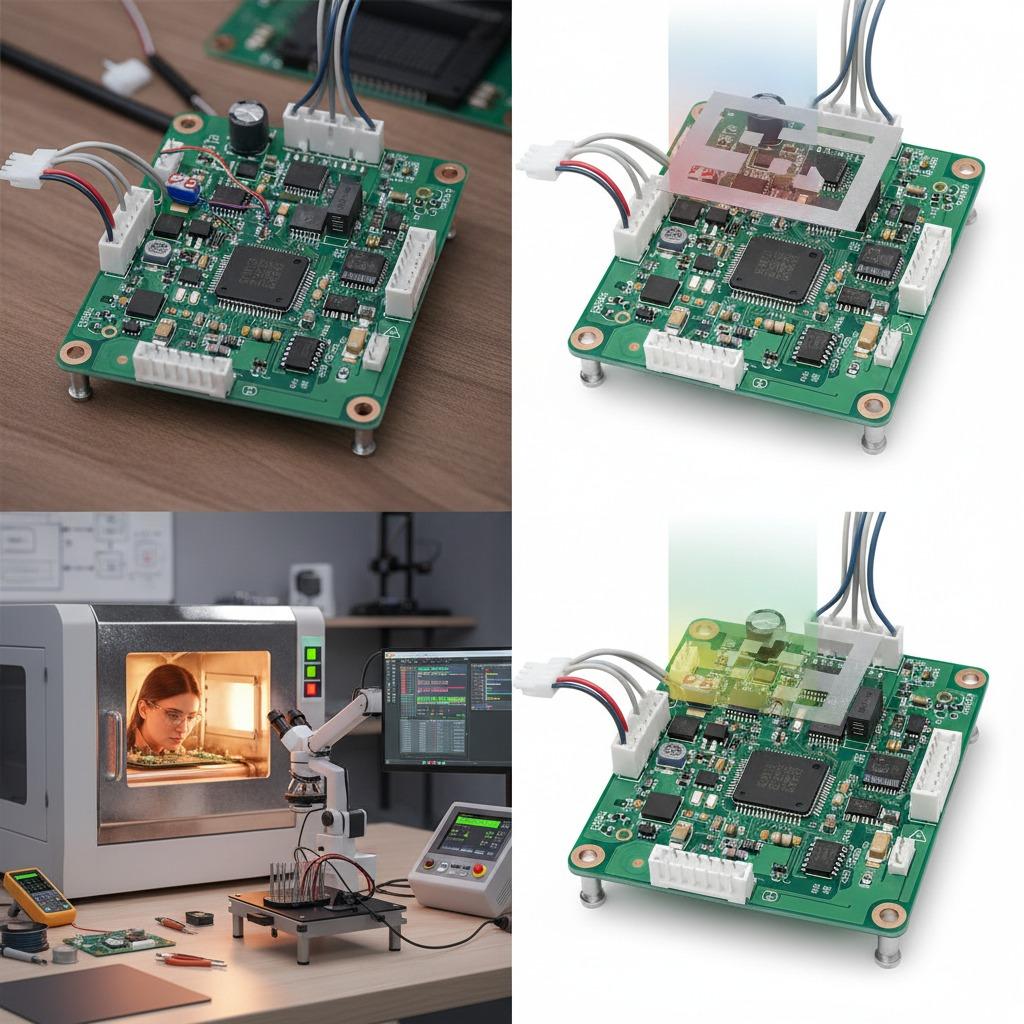
Indoor camera module manufacturing requires consistent alignment, calibration, and electrical testing. Small differences in lens positioning, sensor bonding, solder quality, or firmware calibration can create visible quality differences between batches.
| Quality Metric | Standard Production | Optimized Supplier Control |
| Optical alignment yield | 92–95% | 97–99% |
| Lens centering accuracy | ±50 μm | ±20–30 μm |
| Module rework rate | 4–6% | Below 2% |
| Image calibration pass rate | 93–96% | 98%+ |
| Batch image consistency | Baseline | 15–25% better stability |
These are typical reference ranges used for production evaluation. Actual results depend on module structure, sensor type, lens design, and testing standards.
Application Scenarios for Indoor Monitoring Camera Modules
Indoor monitoring camera modules are suitable for smart home cameras, baby monitors, elder care monitoring devices, pet cameras, office security systems, retail monitoring devices, indoor AI vision terminals, and smart building sensors.
For smart home brands, compact structure and stable image quality are usually the most important. For care facility monitoring, low-light performance, reliable night vision, and stable long-term operation matter more. For retail analytics devices, image consistency affects people counting, heat map analysis, and customer behavior recognition.
This is why an experienced indoor monitoring camera module supplier should match the module design to the final product environment, rather than offering one standard solution for all customers.
Standards, Safety, and Certification Considerations
Professional indoor camera module projects should consider both electronics quality and market compliance. Common references include RoHS, REACH, CE, FCC, ISO 9001 quality management, and IPC-A-610 assembly quality standards. For smart home devices, EMC performance and safe material compliance are especially important because the product may be used continuously in residential environments.
Before starting an OEM project, buyers can review common cooperation, quality, and production questions through the FAQ page: https://www.hcdpcba.com/en/faqs
Frequently Asked Questions
Q1: What resolution is suitable for indoor monitoring camera modules?
Most indoor monitoring devices use 2MP–5MP modules. Higher resolution may improve detail but also increases bandwidth, storage, and heat.
Q2: Can indoor camera modules support night vision?
Yes. Modules can be customized with IR support, low-light sensors, and suitable lens structures for night monitoring.
Q3: What is the biggest risk in low-cost indoor camera modules?
The biggest risk is unstable image consistency. Poor calibration, weak PCBA design, or low-quality lenses can cause noise, color shift, and focus problems.
Q4: Can the camera module size and connector be customized?
Yes. OEM projects commonly customize PCB shape, connector type, cable length, lens holder, interface, and firmware settings.
Q5: Why work directly with a supplier instead of buying standard modules?
Direct supplier cooperation improves customization flexibility, technical communication, cost control, and long-term batch consistency.
Why Supplier Capability Matters for Indoor Monitoring Devices
A reliable indoor monitoring camera module supplier does more than provide a camera board. It controls optical performance, sensor integration, PCBA stability, image calibration, testing, and production consistency. For OEM buyers, this means fewer development risks and stronger long-term product reliability.
To understand how HCDPCBA supports camera modules, PCBA production, and custom electronics development, you can visit the About Us page and explore product capabilities through the Products page.
For smart home cameras, baby monitors, indoor security devices, or AI monitoring projects, early technical discussion can help confirm the right sensor, lens, interface, and production strategy. Contact our engineering team here: https://www.hcdpcba.com/en/contact-us
Image Prompt for Article Cover
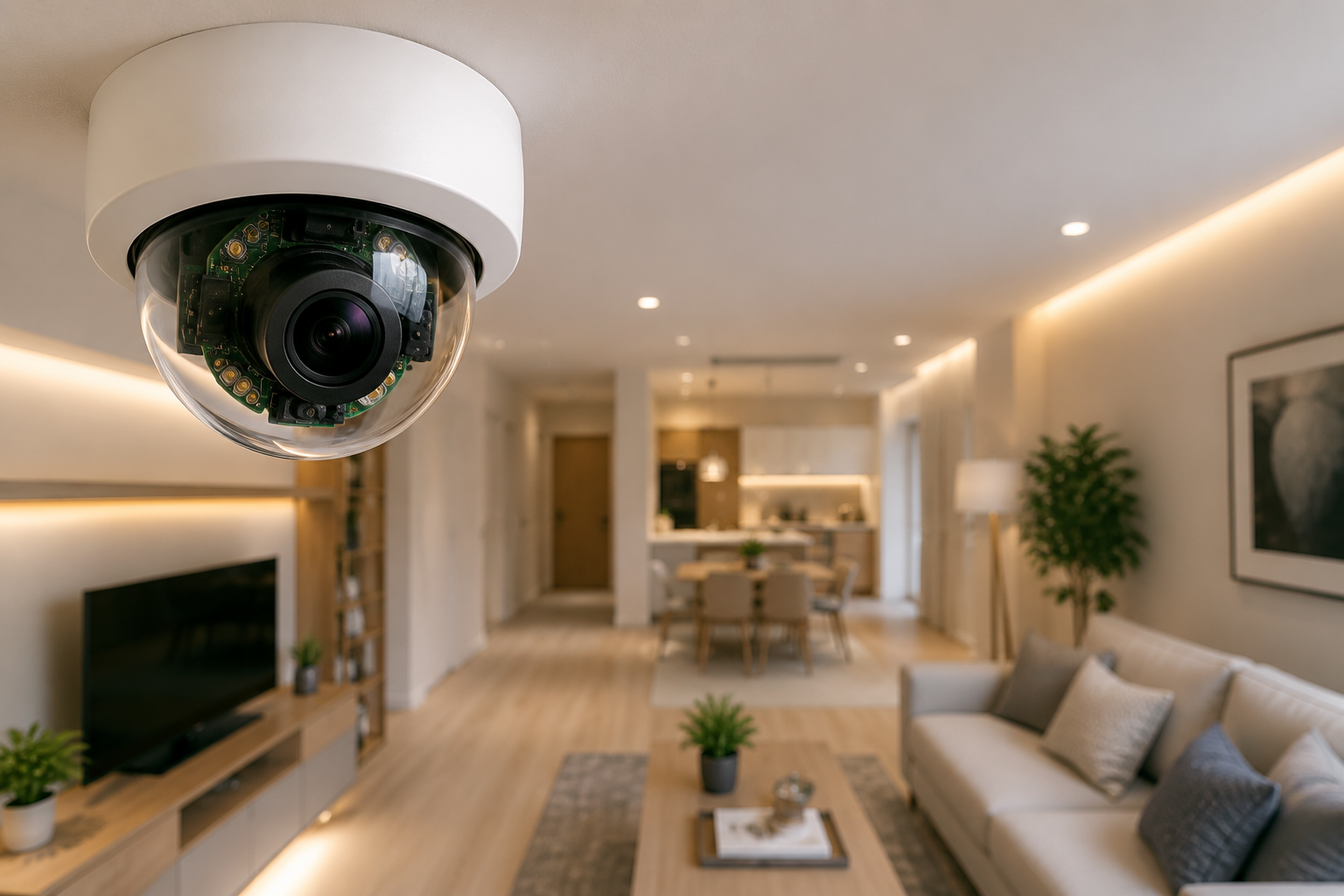
A realistic 1200x800 indoor smart monitoring camera application scene, showing a compact camera module installed inside a modern home or office environment, with soft indoor lighting, clear lens detail, subtle PCBA element nearby, clean smart home atmosphere, professional OEM electronics photography style, no logo, no text.