AC3 Digital Audio Decoder Board: what buyers actually need to sort out first
The term AC3 Digital Audio Decoder Board sounds simple enough, but in practice it sits at the intersection of audio format support, PCB quality, system integration, and end-user expectations. For engineers and sourcing teams, the real question is not whether a board can decode surround sound in a lab demo. It is whether the module fits the product architecture, behaves cleanly in a finished enclosure, and can be built at the right scale without unnecessary rework. That is where an AC3 Digital Audio Decoder Board becomes less of an accessory and more of a system decision.
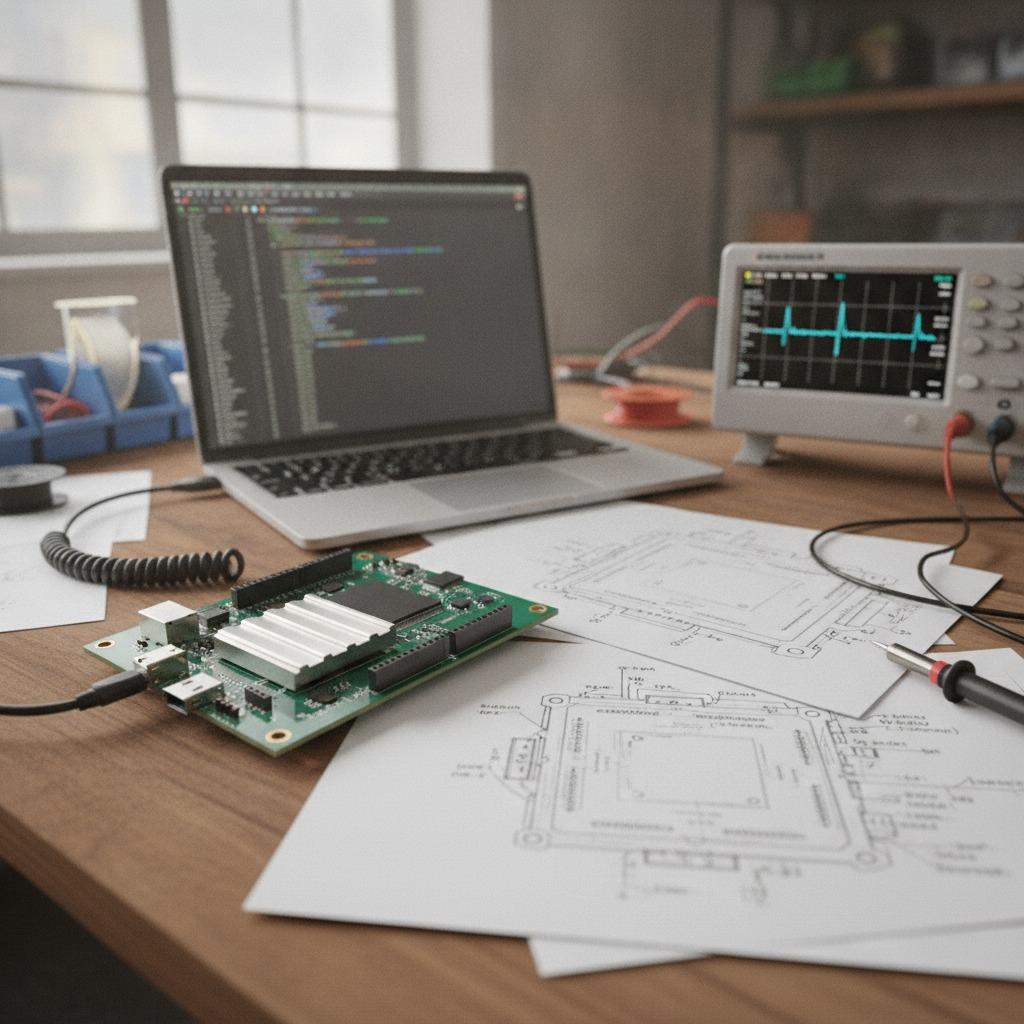
If you are developing a Home Theater Audio Module Board, a DIY Speaker Amplifier Accessory, or a broader Digital Surround Decode PCB concept, you usually need to balance performance, cost, and assembly practicality at the same time. Audio products can look deceptively straightforward. They are not. Noise sensitivity, connector placement, grounding, and board layout all show up quickly once the board is installed beside a switching supply or an amplifier stage.
What this board is meant to solve
At a basic level, an AC3 decoder board takes a digital audio signal encoded in AC3 format and converts it into usable audio outputs for downstream amplification or playback. In a consumer product, that means the board is acting as a bridge between a source device and the listening experience. The user never sees the decode process, but they do notice dropouts, hiss, channel imbalance, or a sluggish input response.
For buyers, the useful decision is not just “does it decode?” but “does it decode reliably in my product environment?” That distinction matters because a board that performs well on a bench can still struggle when installed in a compact speaker cabinet with limited airflow and shared power rails.
Typical integration points engineers should check
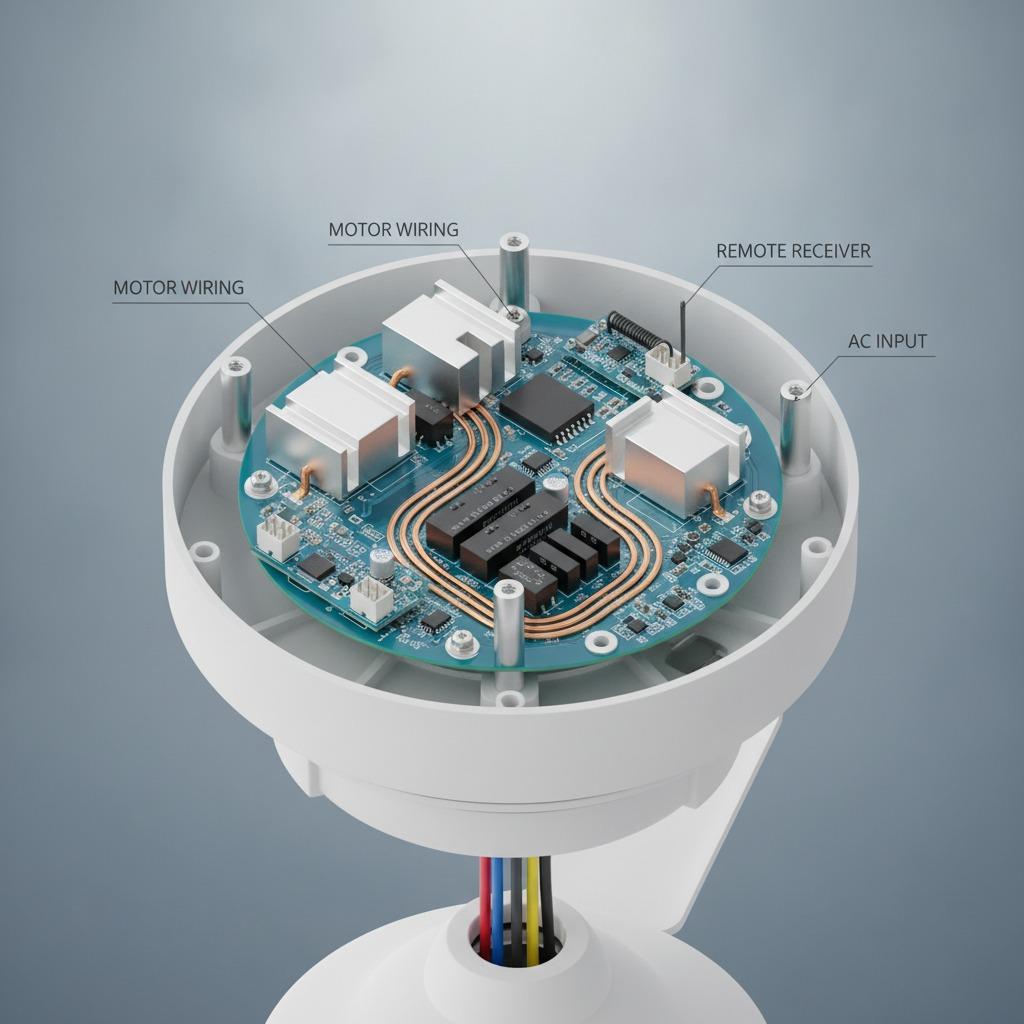
Audio boards rarely live alone. They need to connect cleanly to input interfaces, output stages, display or control logic, and power delivery. A well-planned Digital Surround Decode PCB should make these interfaces predictable.
Signal path and grounding
Audio designs are sensitive to layout choices. Ground strategy, trace routing, and separation between noisy digital sections and analog outputs all influence final sound quality. In mixed-signal assemblies, a careless layout can introduce hum or intermittent artifacts that are difficult to trace later.
Power and thermal behavior
Even if the decoder section itself is not a heavy power consumer, the board still lives inside a larger electrical system. Shared regulators, unstable inputs, or poor decoupling can create problems that look like software faults but are really hardware issues.
Mechanical fit and assembly flow
When a module becomes part of a consumer housing or a compact speaker platform, board outline, connector height, and mounting points suddenly matter. This is where PCB fabrication and SMT assembly quality become more than a procurement line item. hcdpcba, for example, supports PCB prototyping, SMT assembly, component sourcing, testing, DFMA review, and OEM/ODM services, which is the kind of workflow that helps when a project moves from a schematic idea to a buildable product.
Why sourcing teams should care about build quality
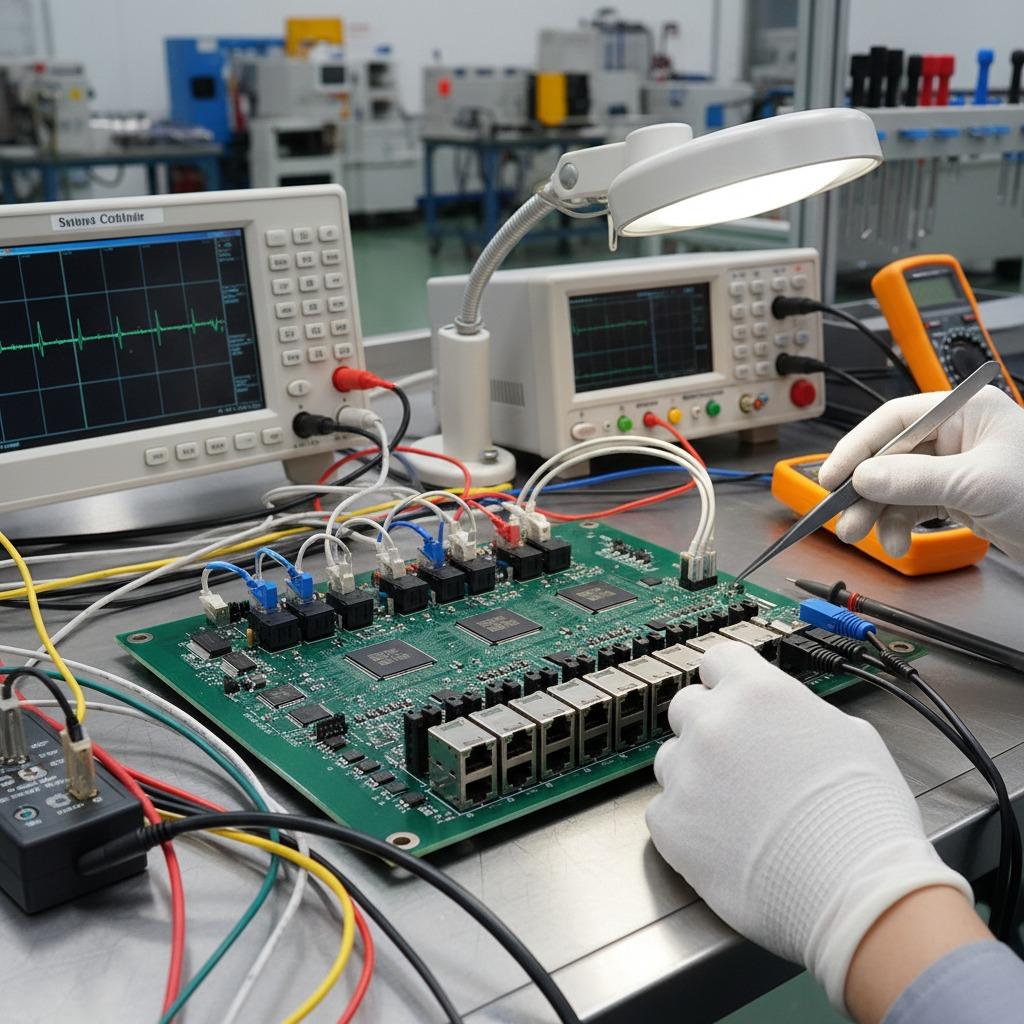
A decoder board is only as good as the assembly behind it. Poor solder joints, inconsistent component sourcing, or weak testing discipline can create field failures that are expensive to diagnose. In audio hardware, the failures may be subtle at first: a channel that comes and goes, a board that warms up unevenly, or a unit that works in one enclosure but not another.
For that reason, buyers should look beyond the feature list. Ask how the board is built, how it is tested, and whether the supplier can support small pilot runs before committing to volume. That approach is especially useful for product teams building a DIY Speaker Amplifier Accessory or a new Home Theater Audio Module Board, where product variation is common and revisions come fast.
Selection criteria that matter in real projects
Instead of starting with marketing claims, start with the system constraints.
Does the board match the required audio interface and output structure?
Can it be integrated into the target enclosure without awkward connector workarounds?
Will the supplier support PCB fabrication, SMT placement, assembly, and test under one workflow?
Is there room in the design for future revision if the first build reveals a layout or usability issue?
These are plain questions, but they prevent expensive detours. In many cases, the cheapest board is not the cheapest project.
Common mistakes that slow audio projects down
One common mistake is treating the decoder board as a standalone item and ignoring the rest of the signal chain. Another is assuming that any small PCB with the right format support will behave the same once it is placed in a real product. Audio products are unforgiving about EMI, connector quality, and power cleanliness.
A third mistake is skipping DFMA review. That step can feel optional during prototyping, but it often exposes the exact issues that delay launch: hard-to-place components, awkward test points, or a board shape that complicates assembly.
Practical buyer advice before you place an order
If you are sourcing an AC3 Digital Audio Decoder Board, ask for clear documentation on the board’s intended use, interface expectations, and assembly approach. If you are still in development, a supplier that can combine PCB prototype work, SMT, component sourcing, and test support will usually be easier to work with than a fragmented supply chain.
For teams balancing cost and speed, that kind of integrated service can reduce churn between design and production. It also makes it easier to move from a prototype audio module to a repeatable production build without rebuilding the process from scratch.
When to move from concept to manufacturing support
The right moment is usually earlier than teams expect. Once the board starts interacting with a real enclosure, real power rails, and real users, small issues become expensive. If your project is heading toward OEM or ODM production, or if the module will be part of a larger smart-home, communication, or consumer audio platform, it is worth bringing manufacturing into the discussion before the design hardens.
That is often the difference between a promising prototype and a product that is actually ready to ship.
Next step
If you are evaluating an AC3 Digital Audio Decoder Board for a new build, start with the application requirements, then verify manufacturing support, test flow, and integration fit. A supplier like hcdpcba, with PCB, SMT, sourcing, assembly, testing, DFMA, OEM, and ODM capabilities, can help reduce the usual handoff friction between design intent and production reality. For audio hardware, that support is not a luxury. It is part of the product.