Dashcam products are not judged only by whether they can record video. In real vehicle environments, they must capture clear footage during vibration, high temperature, night driving, tunnel transitions, strong sunlight, and sudden impact events. Many buyers discover problems only after trial production: blurred edges, unstable exposure, overheating modules, delayed image output, or inconsistent quality between batches.
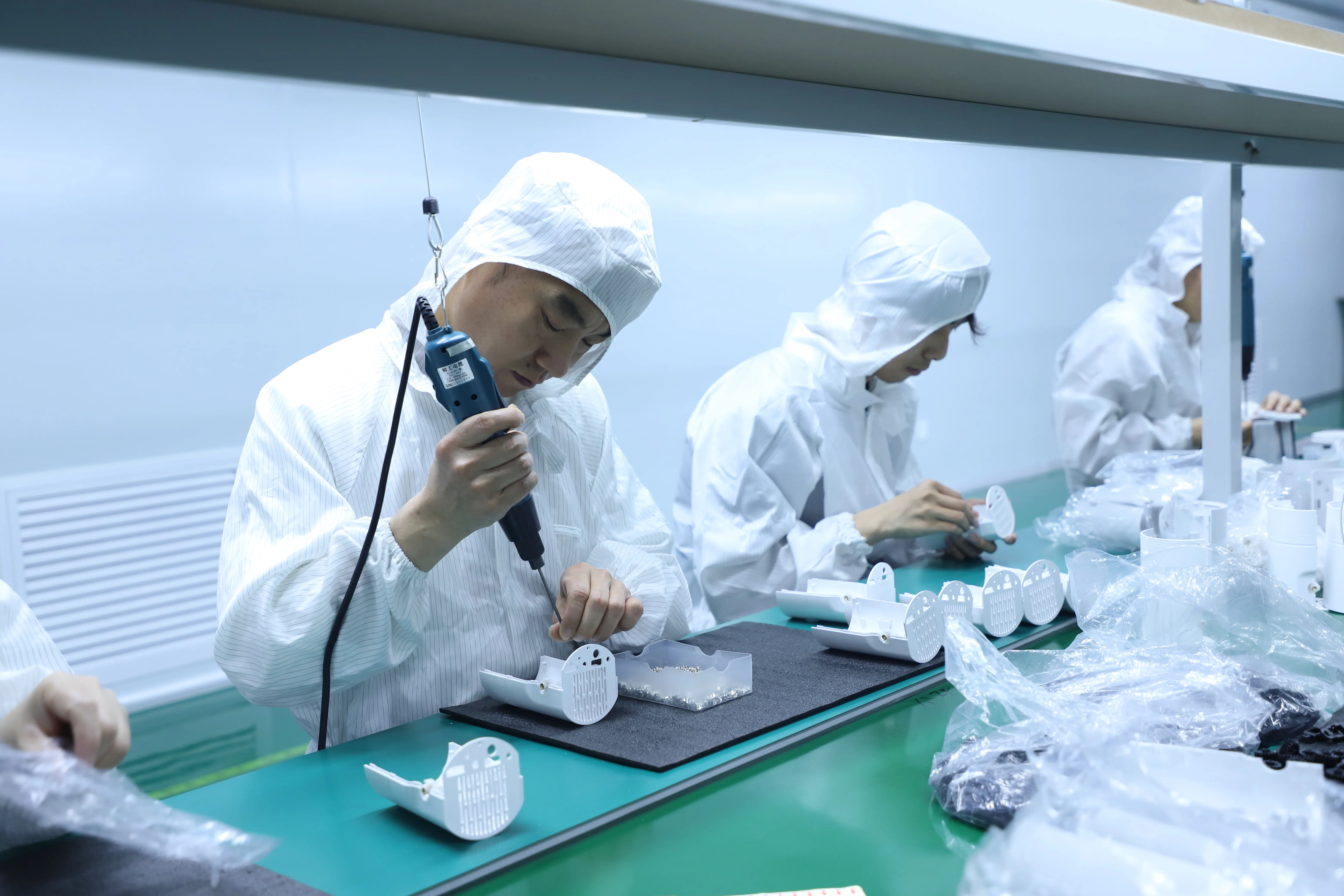
A professional dashcam camera module factory solves these issues through optical design, image sensor selection, PCBA layout, firmware tuning, and production testing. At HCDPCBA, our engineering team supports camera module and PCBA development for vehicle recording systems, smart surveillance, AI vision, and embedded electronics. You can learn more about our manufacturing and engineering background through the About Us page: https://www.hcdpcba.com/en/about-us
Common Challenges in Dashcam Camera Module Development
Dashcam camera modules face harsher operating conditions than many indoor camera modules. A module installed near the windshield is exposed to heat, sunlight, vibration, and rapid lighting changes. If the optical structure or PCBA is not designed properly, the product may pass initial testing but fail during long-term vehicle use.
Common problems include unstable image brightness when entering tunnels, poor night vision, motion blur during driving, image distortion from wide-angle lenses, and thermal noise after long operation. For fleet management and insurance evidence applications, these issues can reduce the value of recorded footage.
This is why choosing a dashcam camera module factory is not simply about comparing sensor resolution. The real value is whether the supplier can control imaging consistency from design to mass production.
Why These Problems Occur
Most dashcam module problems come from the interaction of optics, electronics, heat, and mechanical stress.
A wide-angle lens can increase road coverage, but it also creates barrel distortion near the image edge. A high-resolution sensor can improve detail, but it may generate more heat and require better signal integrity. A compact PCBA can save space, but poor power routing may cause noise, image flicker, or unstable recording.
In vehicle environments, vibration also matters. If the lens holder, sensor alignment, or connector structure is not stable, focus shift may appear after repeated road shock. Temperature rise can further affect image noise and module lifespan.
A reliable dashcam camera module factory must manage these risks at the system level rather than treating lens, sensor, PCBA, and assembly as separate tasks.
Technical Principles Behind Stable Dashcam Imaging
Dashcam imaging depends on three core principles: optical coverage, sensor response, and electrical stability.
First, the lens must provide enough field of view to capture multiple lanes without making image edges unusable. Many dashcam modules use 120°–170° FOV lenses, but wider is not always better. Excessive FOV increases distortion and may reduce effective image detail.
Second, the sensor must handle fast lighting changes. A good dashcam module often requires HDR or WDR support to balance bright headlights, dark roads, and high-contrast scenes.
Third, PCBA design must support stable data transmission and power delivery. MIPI, USB, or parallel interfaces require controlled routing, stable grounding, and low-noise power supply. Poor PCBA design may cause intermittent frame drops, EMI issues, or unstable image output.
For camera-related product and PCBA capabilities, you can review the Products page: https://www.hcdpcba.com/en/products
Standard Module Sourcing vs Factory-Level OEM Development
| Factor | Standard Module Sourcing | Factory-Level OEM Development |
|---|---|---|
| Lens selection | Existing lens only | FOV, distortion, aperture, and structure customized |
| Sensor choice | Limited options | Selected based on resolution, HDR, low-light, and cost |
| PCBA design | Fixed board structure | Custom layout for size, interface, and thermal behavior |
| Testing | Basic image check | Vibration, temperature, image, electrical, and batch testing |
| Batch consistency | Harder to control | Process-controlled alignment and calibration |
| Best for | Simple replacement demand | OEM dashcam, fleet system, and vehicle electronics projects |
For B2B buyers, the second option usually provides better long-term value because it reduces redesign risk, improves consistency, and supports product differentiation.
Engineering Solutions for OEM Dashcam Projects
A structured OEM process begins with application analysis. For front-facing dashcams, the priority is road coverage, HDR, night clarity, and heat resistance. For cabin-facing cameras, infrared support, facial visibility, and compact structure may matter more. For fleet cameras, durability and stable long-term supply are often more important than the lowest unit cost.
HCDPCBA typically supports OEM projects through sensor and lens matching, PCBA design review, prototype build, image tuning, and production validation. The goal is not only to make the module work, but to make it stable across different vehicles, temperatures, and production batches.
When this process is managed properly, customers can reduce trial-and-error development time and avoid late-stage changes caused by image quality or integration problems.
Technical Parameters Buyers Should Evaluate
| Parameter | Typical Reference Range | Why It Matters |
| Resolution | 2MP–8MP | Affects image detail and storage demand |
| Field of View | 120°–170° | Defines road coverage and blind spot reduction |
| Aperture | F1.8–F2.4 | Influences low-light performance |
| Interface | MIPI / USB / DVP | Determines system compatibility |
| Frame Rate | 30–60 fps | Affects motion clarity |
| Operating Temperature | -20°C to +85°C | Important for vehicle environments |
| PCB Layers | 4–8 layers | Supports signal integrity and compact design |
| Lens Type | Plastic / glass-plastic / glass | Affects cost, clarity, and thermal stability |
These parameters should be evaluated together. A module with high resolution but poor thermal control may still perform poorly after long operation.
Production Data and Quality Control
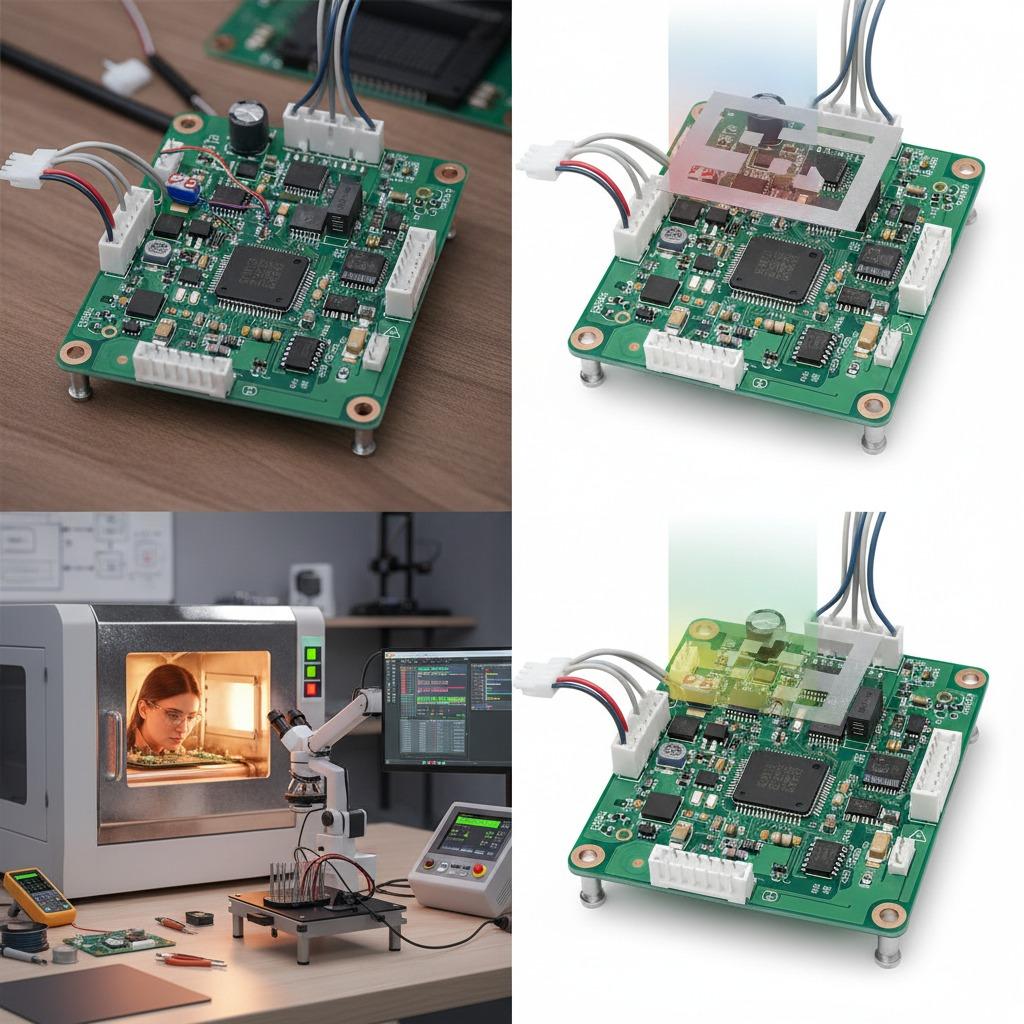
Dashcam module manufacturing requires accurate alignment and repeatable testing. Small differences in lens position, sensor centering, solder quality, or firmware calibration can create visible differences between batches.
| Quality Metric | Standard Production | Optimized Factory Control |
| Optical alignment yield | 92–95% | 97–99% |
| Lens centering accuracy | ±50 μm | ±20–30 μm |
| Module rework rate | 4–6% | Below 2% |
| Image calibration pass rate | 93–96% | 98%+ |
| Batch consistency improvement | Baseline | 15–25% better stability |
These figures are typical reference ranges used for production evaluation. Actual results depend on module complexity, sensor type, lens structure, and testing requirements.
Application Scenarios for Dashcam Camera Modules
Dashcam camera modules are suitable for several vehicle-related products. Consumer dashcams focus on clear evidence recording, night visibility, and stable operation. Fleet management cameras require reliable long-term recording, GPS or communication integration, and durable modules for commercial vehicles.
ADAS-related recording systems may require better image timing, wider dynamic range, and stable signal output. Ride-hailing and taxi monitoring systems often combine front road view and cabin recording, requiring different lens angles and lighting strategies.
For motorcycle recorders or compact vehicle cameras, module size, vibration resistance, and waterproof structure become more important.
Standards, Safety, and Certification Considerations
A professional dashcam module project should consider both electronics and automotive environment requirements. Common compliance references include RoHS, REACH, CE, FCC, ISO 9001 quality management, and IPC-A-610 assembly quality standards. For vehicle-related applications, customers may also require additional automotive-grade validation depending on the final market and product positioning.
These standards help buyers evaluate whether a supplier can support export, OEM production, and long-term quality control.
Before starting an OEM project, buyers can review common cooperation and production questions through the FAQ page: https://www.hcdpcba.com/en/faqs
Frequently Asked Questions
Q1: What field of view is suitable for dashcam camera modules?
Most dashcam projects use 120°–170° FOV. A wider angle captures more road area, but distortion correction becomes more important.
Q2: Can a dashcam module be customized for different vehicle products?
Yes. A factory can customize sensor, lens, PCBA size, interface, connector, cable length, firmware tuning, and testing requirements.
Q3: What is the biggest risk in low-cost dashcam modules?
The biggest risk is inconsistent quality. Poor lens alignment, weak thermal control, or unstable PCBA design can cause image problems after deployment.
Q4: How long does OEM development usually take?
Prototype development often takes several weeks depending on sensor availability, lens customization, PCBA design, and testing requirements.
Q5: Why should buyers work directly with a factory?
Direct factory cooperation improves technical communication, customization flexibility, cost control, and batch consistency.
Why Factory Capability Matters for Dashcam Camera Modules
A reliable dashcam camera module factory does more than assemble camera parts. It controls optical performance, sensor integration, PCBA stability, image calibration, and production consistency. For OEM buyers, this means fewer development risks, more stable quality, and better long-term supply support.
To understand how HCDPCBA supports camera modules, PCBA production, and custom electronics manufacturing, you can visit the About Us page and explore product capabilities through the Products page.
For dashcam, fleet camera, vehicle recording, or automotive vision module projects, early technical discussion can help confirm the right sensor, lens, interface, and production strategy. Contact our engineering team here: https://www.hcdpcba.com/en/contact-us
Image Prompt for Article Cover
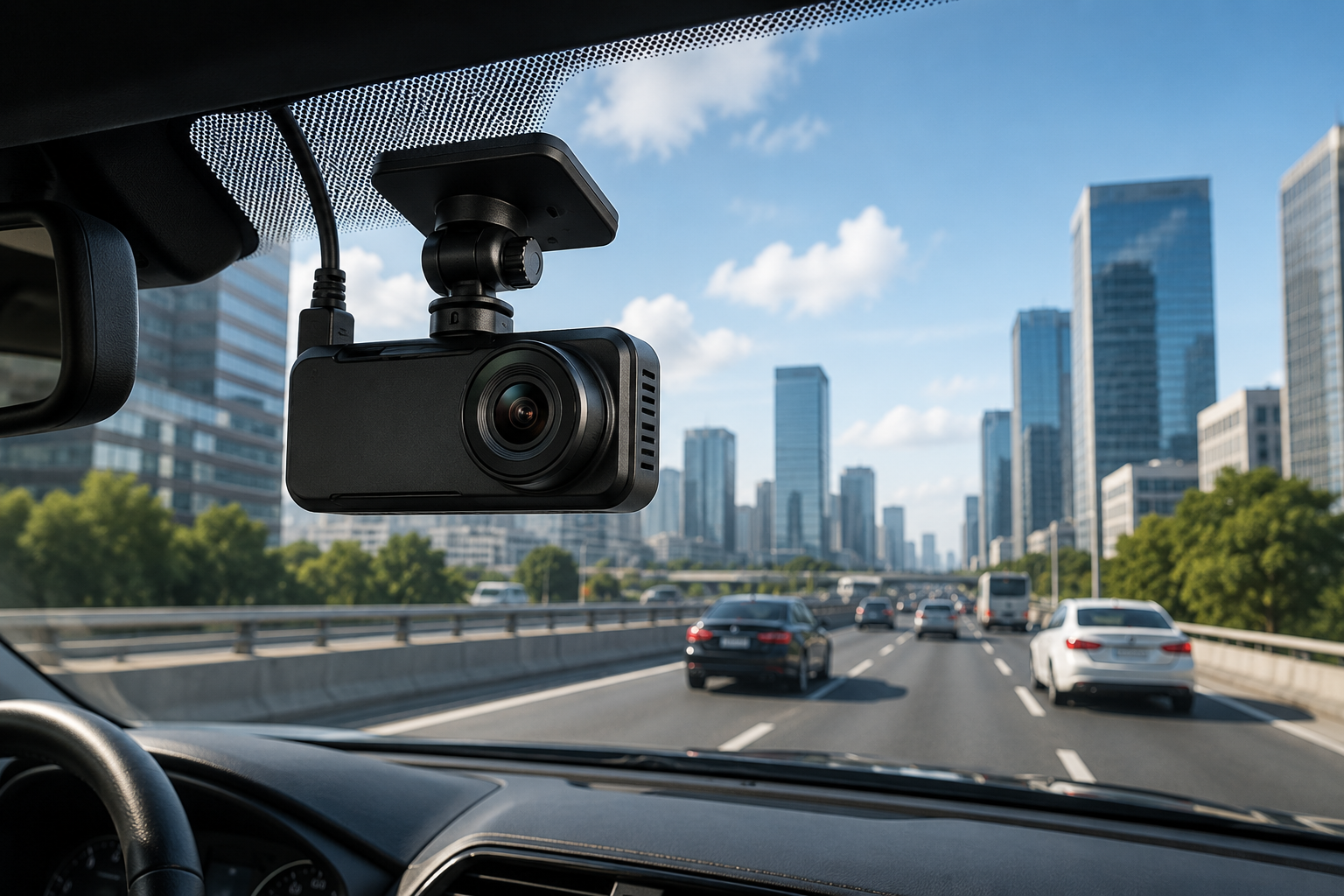
A realistic 1200x800 product application scene showing a compact dashcam camera module installed inside a modern vehicle near the windshield, with a clear road view ahead, subtle PCBA detail beside the module, professional automotive electronics photography style, clean lighting, no brand logo.