As AI vision, smart surveillance, robotics, and intelligent transportation systems continue to evolve, camera modules are expected to capture larger scenes while maintaining image quality, reliability, and processing efficiency. However, many development teams discover that increasing the field of view is not as simple as selecting a wider lens.
Problems such as image distortion, edge blur, inconsistent exposure, thermal noise, and interface compatibility frequently appear during development. In large-scale deployments, these issues can affect object detection accuracy, surveillance coverage, and long-term system reliability.
A professional wide-angle camera module OEM partner helps solve these challenges through optical optimization, sensor selection, PCBA design, image tuning, and manufacturing validation.
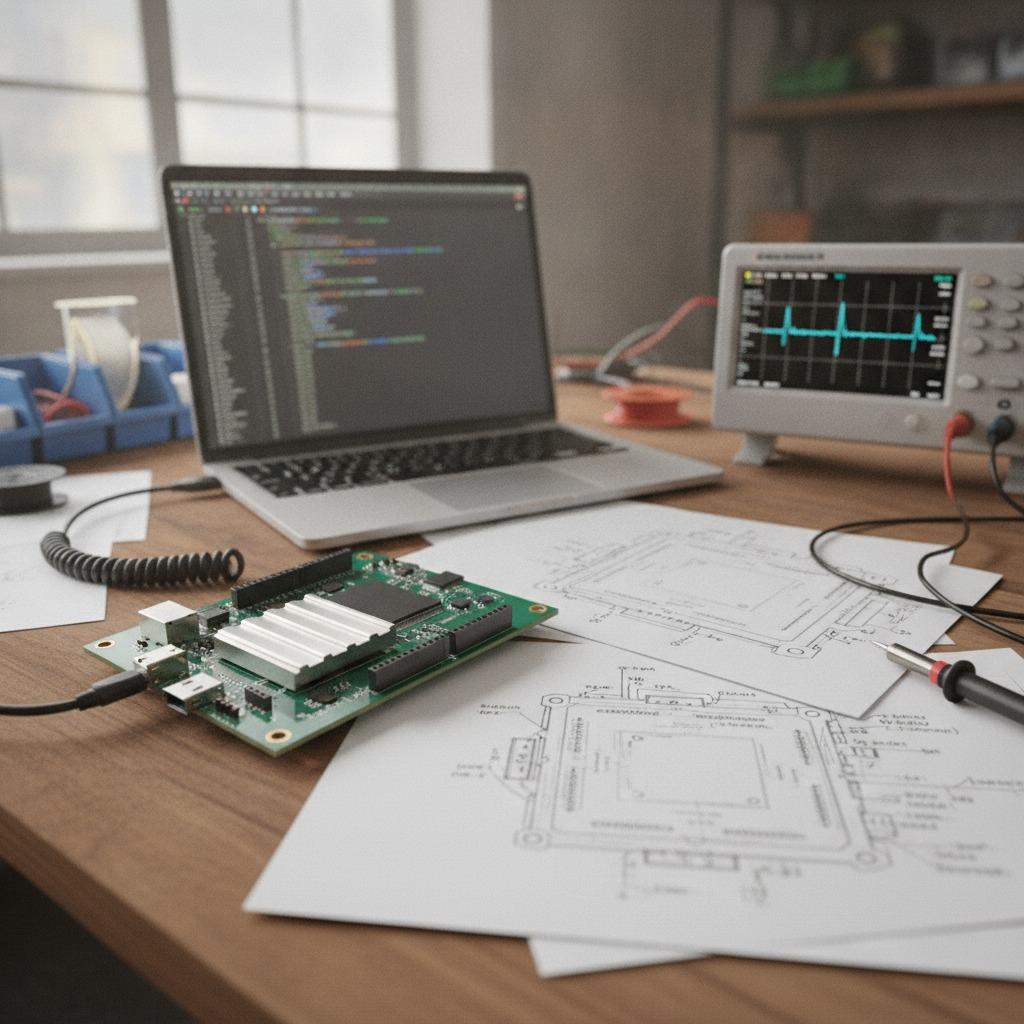
At HCDPCBA, our engineering team combines camera module development, PCB design, PCBA manufacturing, and system integration experience to support custom vision projects from prototype to mass production. Learn more about our capabilities on our About Us page:
https://www.hcdpcba.com/en/about-us
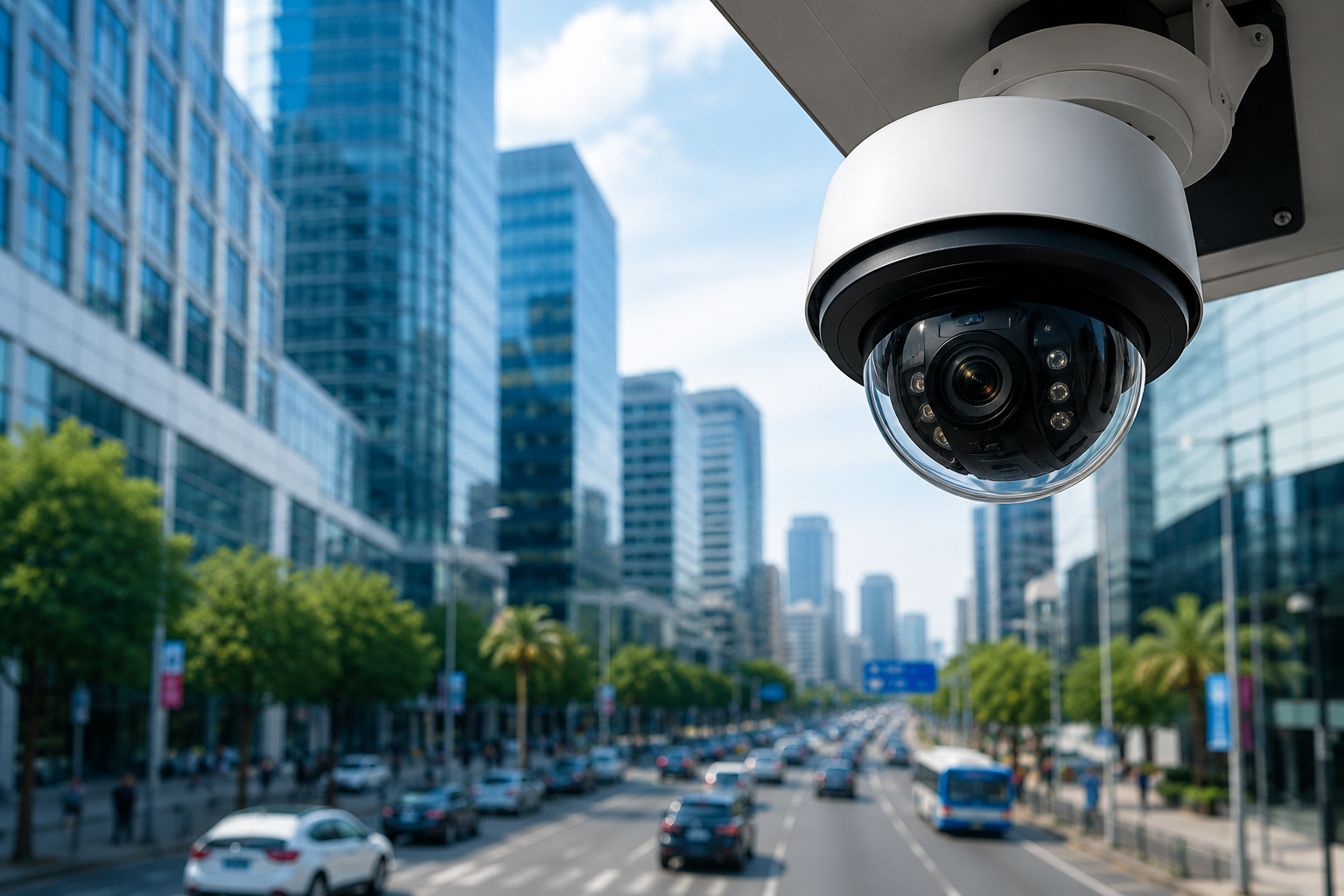
Why Wide-Angle Camera Modules Create More Engineering Challenges
Compared with standard camera modules, wide-angle systems must capture significantly larger viewing areas.
While a conventional camera may use a field of view (FOV) between 60° and 90°, many wide-angle applications require:
| Application | Typical FOV |
|---|---|
| Smart Doorbell | 120°–160° |
| Security Camera | 110°–180° |
| AI Vision System | 100°–160° |
| Automotive Camera | 120°–190° |
| Robotics Vision | 130°–180° |
As FOV increases, optical distortion also increases.
Common challenges include:
- Barrel distortion
- Edge image stretching
- Chromatic aberration
- Reduced edge sharpness
- Increased calibration complexity
This is why selecting the right wide-angle camera module OEM partner is often more important than selecting the lens itself.
The Optical Principles Behind Wide-Angle Imaging
The fundamental trade-off in wide-angle imaging is coverage versus distortion.
A wider lens captures more visual information but bends incoming light at steeper angles.
This creates:
Standard Lens
Advantages:
- Better geometric accuracy
- Higher edge sharpness
- Lower distortion
Limitations:
- Smaller viewing area
Wide-Angle Lens
Advantages:
- Larger scene coverage
- Reduced blind spots
- Better situational awareness
Limitations:
- Greater optical distortion
- More difficult image correction
Modern wide-angle camera module OEM projects typically rely on ISP algorithms and calibration software to compensate for optical distortion without sacrificing coverage.
Standard Camera Modules vs Wide-Angle Camera Modules
| Factor | Standard Camera Module | Wide-Angle Camera Module |
|---|---|---|
| FOV | 60°–90° | 100°–190° |
| Distortion | Low | Moderate–High |
| Coverage Area | Limited | Large |
| Calibration Complexity | Low | High |
| AI Detection Range | Smaller | Wider |
| Blind Spot Reduction | Limited | Excellent |
| Processing Requirements | Lower | Higher |
For AI-based vision systems, wider coverage often improves detection efficiency because fewer cameras are required to monitor the same environment.
How OEM Engineering Teams Solve Distortion and Reliability Issues
Many camera projects fail because optical design and PCBA design are developed separately.
In reality, image performance depends on multiple subsystems working together:
Sensor Selection
Larger sensors generally improve:
- Low-light performance
- Dynamic range
- Signal-to-noise ratio
Lens Optimization
Lens structure influences:
- FOV
- Distortion
- Depth of field
PCBA Design
Well-designed camera PCBA improves:
- Signal integrity
- Thermal performance
- EMI resistance
Image Tuning
ISP tuning adjusts:
- Exposure
- White balance
- Color accuracy
- Distortion correction
A mature wide-angle camera module OEM process integrates all four elements simultaneously.
Technical Parameters Buyers Should Evaluate
When selecting a camera module supplier, technical specifications should be reviewed carefully.
| Parameter | Typical OEM Range |
|---|---|
| Sensor Resolution | 2MP–13MP+ |
| Lens FOV | 100°–190° |
| Interface | MIPI CSI-2 / USB / LVDS |
| Frame Rate | 30–120 FPS |
| Operating Temperature | -20°C to +85°C |
| Distortion Correction | Software / Hardware |
| PCB Layers | 4–8 Layers |
| Image Sensor Size | 1/4" – 1/1.8" |
These specifications significantly influence image quality and long-term reliability.
Different vision systems require different combinations of sensors, lenses, interfaces, and PCB architectures. You can explore our available electronics manufacturing and PCBA solutions through our Products page:
https://www.hcdpcba.com/en/products
Production Data and Manufacturing Performance
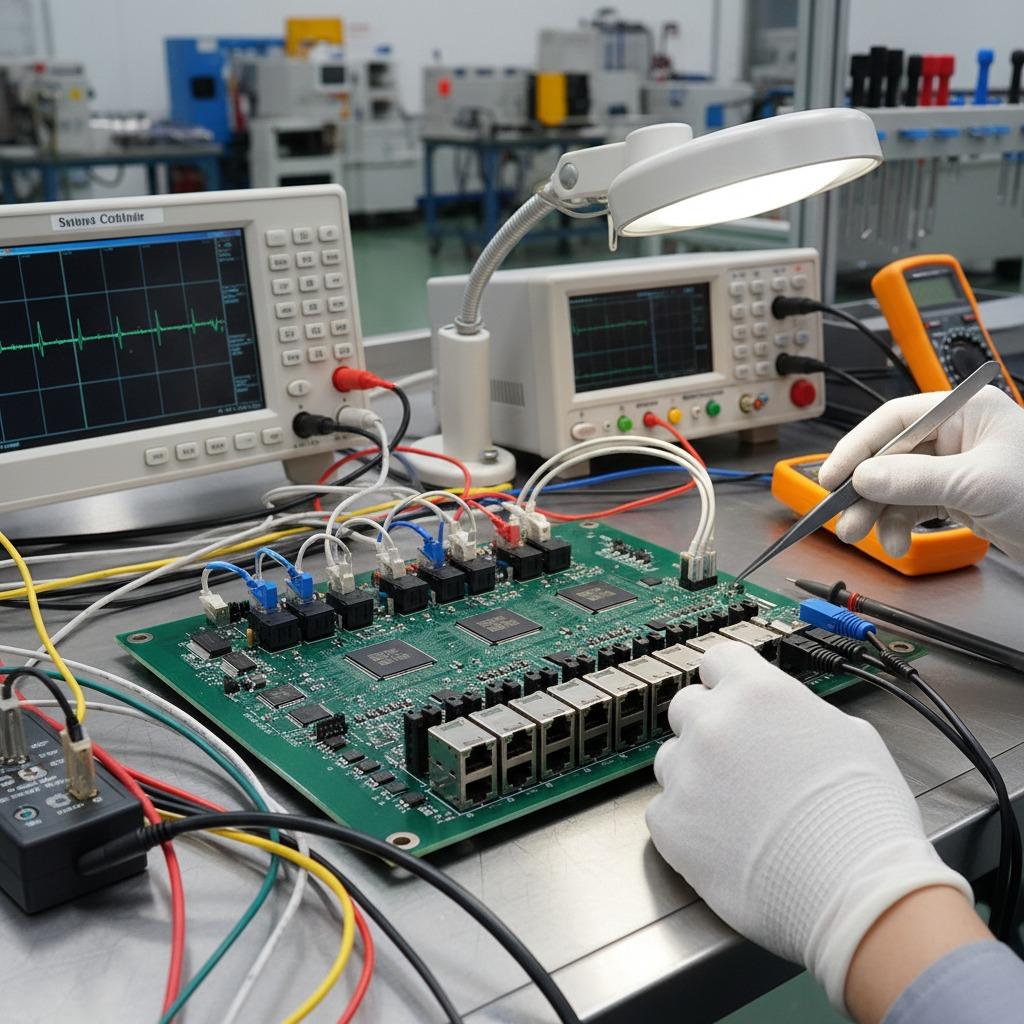
Manufacturing consistency is critical for camera modules because even small alignment deviations can affect image quality.
Typical production metrics include:
| Manufacturing Metric | Industry Average | Optimized OEM Production |
|---|---|---|
| Optical Alignment Yield | 92–95% | 97–99% |
| Lens Centering Accuracy | ±50 μm | ±20 μm |
| Module Rework Rate | 4–6% | <2% |
| Camera Calibration Pass Rate | 93–96% | 98%+ |
| Shipment Reliability | 95–97% | 99%+ |
Improved alignment and calibration directly contribute to image consistency across production batches.
Application Scenarios for Wide-Angle Camera Modules
Smart Surveillance Systems
Provides broader monitoring coverage while reducing camera count.
AI Vision Devices
Supports object detection, facial recognition, and scene analysis.
Smart Doorbells
Captures visitors, packages, and surrounding areas simultaneously.
Robotics and Autonomous Systems
Improves environmental awareness and obstacle detection.
Automotive Electronics
Supports ADAS, parking assistance, and driver monitoring systems.
Industrial Inspection
Monitors production lines with fewer camera installations.
Industry Standards and Certifications
Professional camera module projects often require compliance with:
- RoHS
- REACH
- ISO 9001
- IPC-A-610
- CE
- FCC
For automotive applications, additional requirements may include:
- IATF 16949
- ISO 26262
Compliance helps ensure long-term product reliability and global market acceptance.
Frequently Asked Questions
Q1: What FOV is best for a surveillance camera?
Most surveillance applications use between 110° and 160°, depending on installation distance and coverage requirements.
Q2: Does a wider lens always improve performance?
No. Excessive FOV may increase distortion and reduce image detail if not properly corrected.
Q3: Can a wide-angle camera module be customized?
Yes. OEM projects commonly customize sensors, lenses, PCBA design, interfaces, and firmware.
Q4: What is the biggest challenge in wide-angle camera manufacturing?
Optical alignment and distortion correction are typically the most critical engineering challenges.
Camera module development often raises additional questions regarding image sensors, PCB design, manufacturing capability, testing methods, and OEM workflows. For more technical information, visit our FAQ Center:
https://www.hcdpcba.com/en/faqs
Why OEM Expertise Matters in Wide-Angle Vision Projects
Developing a successful wide-angle camera module OEM solution requires more than lens selection. Sensor integration, PCBA design, signal integrity, thermal management, image calibration, and manufacturing consistency all contribute to final image quality and reliability.
To learn more about our engineering capabilities, manufacturing processes, and custom electronics development services, visit our About Us page and explore our Products portfolio to understand how HCDPCBA supports camera modules, AI vision devices, industrial electronics, and OEM manufacturing projects.
For projects involving AI vision, surveillance systems, industrial cameras, or custom embedded imaging devices, our engineering team can assist with sensor selection, PCBA design, prototyping, and production planning. Contact us here: