Video processing systems rarely fail during initial testing.
Instead, problems begin to appear under sustained workloads—frames start dropping, latency increases, or processing becomes inconsistent when multiple video streams are handled simultaneously. In many real projects, these issues are not caused by the processor or software architecture, but by limitations at the board level.
Teams often encounter situations where the system performs well with a single video input, but struggles when scaling to multiple channels or higher resolutions. This is typically the result of signal routing imbalance, insufficient power stability, or thermal accumulation in critical areas.
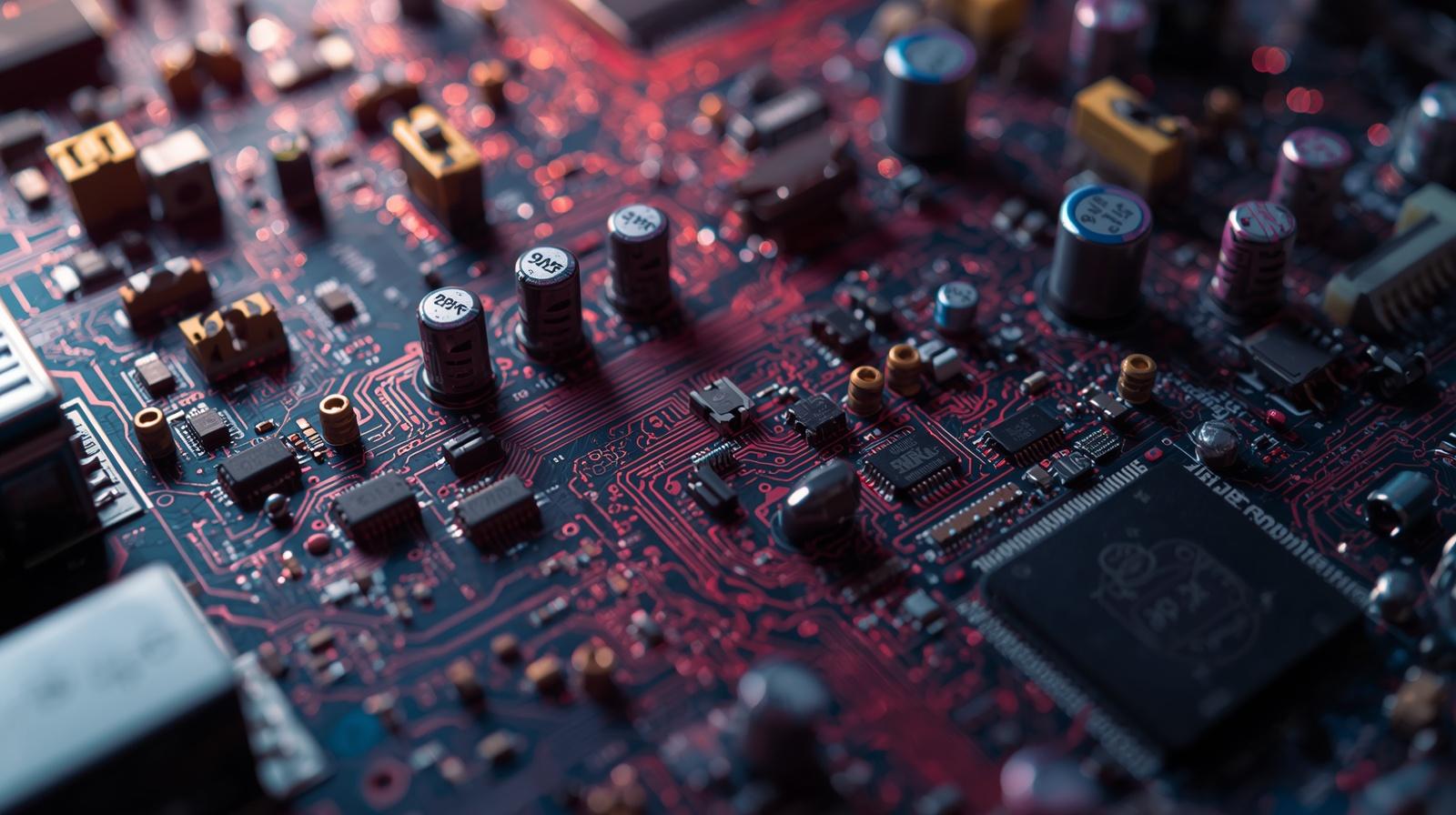
A well-structured video processing board PCBA addresses these challenges by ensuring that high-speed data paths, power distribution, and thermal design are aligned with real-time processing requirements. By applying controlled impedance routing, optimized stack-up design, and manufacturing precision, our engineering team enables stable video processing even under continuous high-load conditions.
Why Video Processing Hardware Requires Dedicated PCBA Strategy
Video processing boards operate under a combination of high data bandwidth and strict timing requirements. Unlike general embedded systems, where occasional delays may be acceptable, video systems must process and transmit data in real time.
For example, high-definition video streams can require data transfer rates exceeding several gigabits per second. If signal integrity is not maintained across the board, even minor timing mismatches can introduce frame drops or synchronization errors.
A reliable video processing board PCBA therefore prioritizes consistent signal propagation. Trace length matching, impedance control, and stable reference planes ensure that data flows smoothly between input interfaces, processing units, and output channels.
In practice, optimized designs often achieve 15–20% improvement in signal stability, reducing the likelihood of intermittent processing errors.
Material and Stack-Up Considerations for High-Bandwidth Systems
As data rates increase, PCB material characteristics become more critical. Signal attenuation and dielectric loss can degrade high-speed communication if not properly controlled.
While standard FR-4 materials are still widely used, high-speed video processing boards often benefit from low-loss laminates. These materials reduce signal degradation across long routing paths, particularly in multi-channel video systems.
Stack-up design also plays a crucial role. Multi-layer configurations—typically ranging from six to twelve layers—allow separation of signal, power, and ground planes. This separation stabilizes impedance and minimizes electromagnetic interference between adjacent layers.
When properly implemented in video processing board PCBA, these structural decisions improve both signal clarity and system robustness under high data throughput conditions.
Power Distribution and Thermal Balance in Video Processing Boards
Video processing hardware often integrates multiple high-performance components, including processors, memory modules, and interface controllers. These components generate heat continuously during operation.
If power distribution is uneven or thermal paths are not optimized, localized hotspots can develop. Over time, this leads to reduced efficiency, thermal throttling, or premature component degradation.
In well-designed video processing board PCBA, power routing is optimized to minimize resistance, while copper distribution is balanced to spread heat evenly across the board. Thermal vias and layer structures are used to transfer heat away from critical components.
In real-world applications, these measures can reduce hotspot temperatures by 10–25°C, significantly improving system stability during prolonged operation.
Manufacturing Consistency and Real-Time Performance Stability
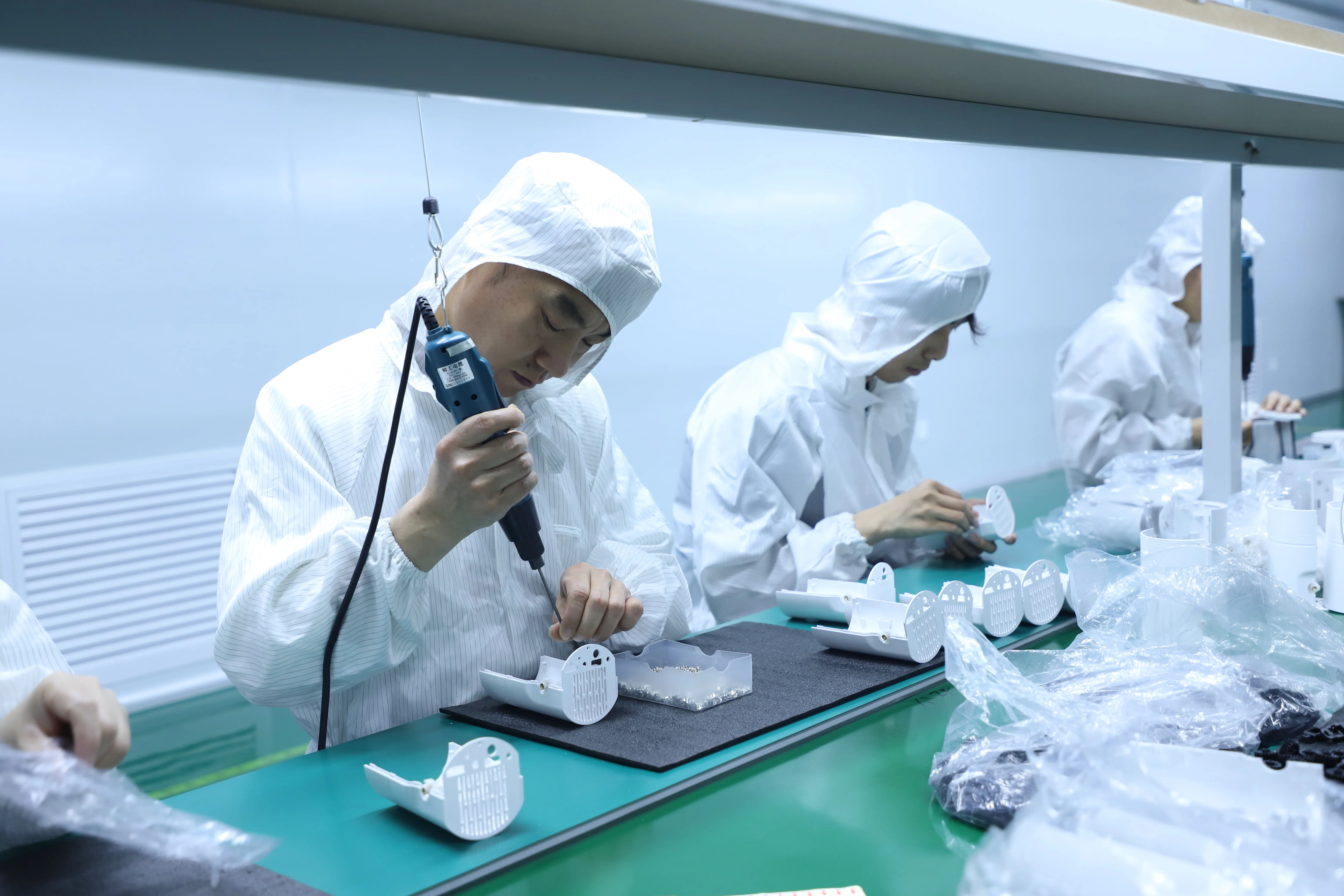
In high-speed video systems, small variations introduced during manufacturing can have measurable effects on performance. Differences in solder volume, component alignment, or layer thickness may influence impedance or thermal contact.
Maintaining strict process control is therefore essential to ensure consistent behavior across production batches.
Key Manufacturing Factors for Video Processing PCBA
| Manufacturing Factor | Control Method | Typical Impact |
|---|---|---|
| High-speed routing | Length matching & impedance control | Reduced data errors |
| Stack-up precision | Controlled layer structure | 15–20% signal stability gain |
| Copper balance | Even thermal distribution | Lower hotspot formation |
| Component placement | High-accuracy alignment | Stable interface performance |
| Process control | Consistent reflow profiles | Reduced batch variation |
Through these measures, a production-ready video processing board PCBA maintains predictable performance even at scale.
Environmental and Compliance Considerations
Video processing boards are often deployed in environments where temperature, humidity, and electromagnetic interference vary significantly. Industrial cameras, broadcast systems, and embedded vision platforms all impose different environmental requirements.
Designing for these conditions involves not only selecting appropriate materials, but also ensuring that the layout supports shielding and grounding strategies necessary for regulatory compliance.
A well-executed video processing board PCBA integrates these considerations early, reducing the likelihood of failing EMC or safety certifications during product development.
Frequently Asked Questions
Q1: Why does video latency increase under load?
Because signal integrity and power stability degrade when bandwidth and processing demand increase.
Q2: Can PCB design affect multi-channel video performance?
Yes. Poor routing or impedance mismatch can limit scalability and introduce synchronization issues.
Q3: Does thermal design influence video stability?
Absolutely. Excessive heat can reduce processing efficiency and lead to system instability.
Why Real-Time Video Performance Depends on PCBA Design
A well-engineered video processing board PCBA ensures that high-speed data flow, power stability, and thermal control remain balanced under continuous operation. When these factors are aligned, video systems deliver consistent real-time performance, even in demanding multi-stream environments.
If you want to evaluate how board-level design influences the reliability and scalability of your video processing hardware, reviewing proven PCBA capabilities is a practical first step. You can learn more about our engineering and manufacturing expertise here:
👉 https://www.hcdpcba.com
For projects involving real-time video processing, multi-channel systems, or high-bandwidth applications, early technical discussion can significantly reduce development risk. Our engineering team is available to support your project here:
👉 https://www.hcdpcba.com/en/contact-us