PCBA Cost-Effective Production: Reducing Total Cost Without Compromising Reliability
Cost control in PCBA manufacturing is rarely about chasing the lowest unit price.
True PCBA cost-effective production focuses on reducing total cost across sourcing, assembly, testing, and long-term product stability. When cost decisions ignore manufacturing reality, savings often disappear later through rework, delays, or field failures.
A capable PCBA manufacturer helps brands align design choices, component strategy, and production planning so cost efficiency is built into the process—not forced at the end.
1. Understanding Where PCBA Costs Actually Come From
Many buyers focus on assembly quotes alone, but PCBA cost is distributed across multiple layers. Component sourcing, yield stability, setup efficiency, and testing scope all influence the final number.
Key cost drivers typically include:
-
Component selection and sourcing volatility
-
PCB layer count and fabrication complexity
-
Assembly density and component variety
-
Setup time versus production volume
-
Rework rate caused by design or process mismatch
Cost-effective production starts by addressing these variables early, not after pricing pressure appears.
2. Component Strategy as the Foundation of Cost Control
Components usually represent the largest portion of PCBA cost. Effective manufacturers work with customers to optimize BOMs before production begins.
Common cost-control practices include:
-
Selecting parts with stable lifecycle and wide availability
-
Reducing unnecessary component diversity
-
Validating alternative components early
-
Avoiding last-minute substitutions during shortages
-
Aligning package choices with standard assembly capability
These steps reduce sourcing risk and prevent sudden cost spikes mid-production.
3. Assembly Efficiency and Yield Stability
Assembly cost is not only determined by machine speed. Yield stability plays a major role in overall cost efficiency.
Manufacturers achieve stable yields by:
-
Using repeatable SMT setup parameters
-
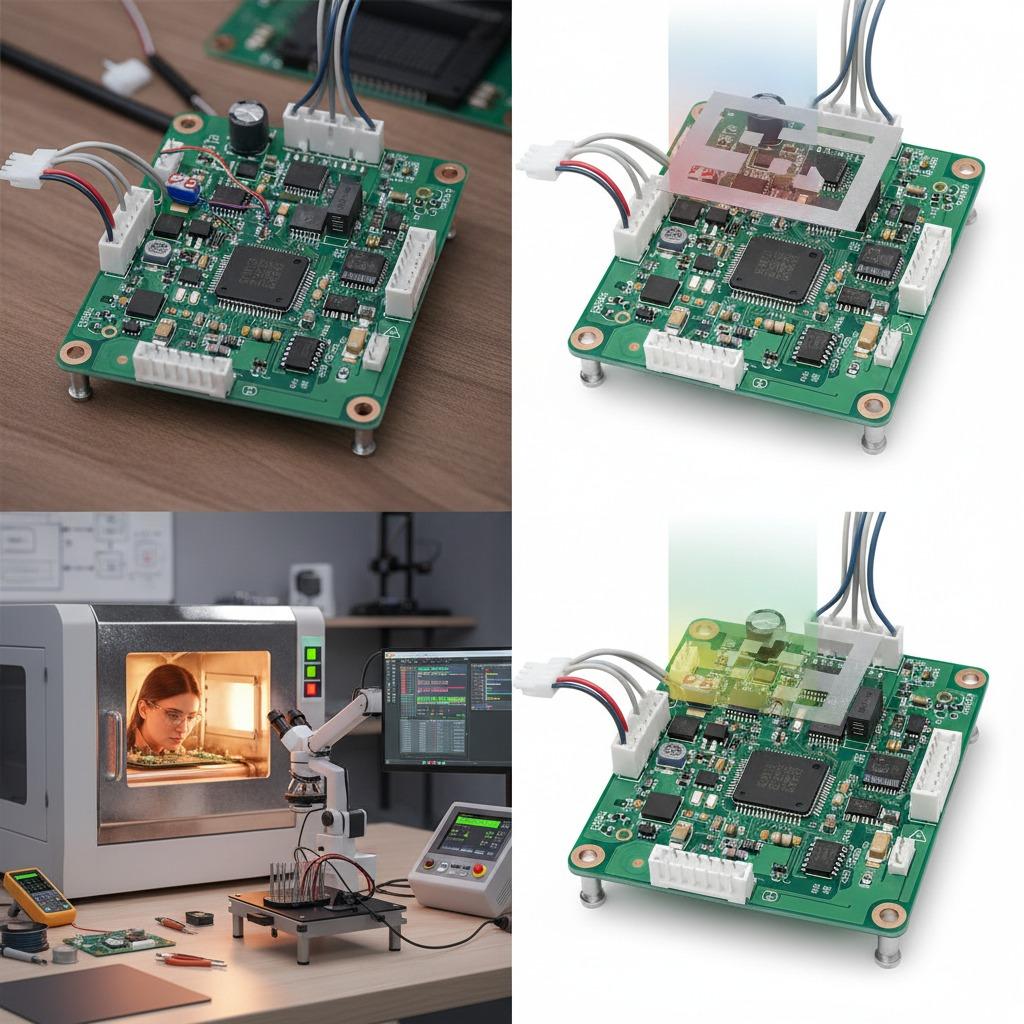
Matching reflow profiles to board thickness and layout
-
Controlling solder paste volume for fine-pitch parts
-
Applying AOI and X-ray selectively where risk is highest
-
Minimizing manual rework through process consistency
Higher first-pass yield directly reduces labor cost, material waste, and delivery delays.
4. Testing Scope Aligned With Product Risk
Over-testing increases cost, while under-testing increases risk. Cost-effective PCBA production aligns testing depth with product complexity and usage conditions.
Testing Strategy vs. Cost Impact
| Testing Level | Cost Impact | Suitable Products |
|---|---|---|
| Basic Inspection | Low | Simple control boards |
| Electrical Testing | Medium | Consumer electronics |
| Functional Testing | Medium–High | IoT and smart devices |
| Extended Reliability Tests | High | Industrial or 24/7 products |
By tailoring testing scope instead of applying a fixed checklist, manufacturers help control cost without reducing reliability.
5. Design Choices That Influence Manufacturing Cost
Design decisions made early often define long-term cost structure. PCBA manufacturers experienced in cost-effective production provide feedback that helps prevent unnecessary expense.
Typical recommendations include:
-
Optimizing board size and layer count
-
Avoiding ultra-fine packages unless required
-
Standardizing component orientation
-
Reducing tight placement tolerances where possible
-
Designing for panelization efficiency
These adjustments improve throughput and reduce per-unit cost over time.
6. Scaling Strategy From Prototype to Volume
Cost efficiency improves as production scales—but only when scaling is planned properly. A manufacturer that supports both prototyping and volume builds ensures that early decisions do not inflate cost later.
Effective scaling practices include:
-
Using production-compatible processes during prototyping
-
Validating component supply for future volumes
-
Maintaining consistent assembly parameters across stages
-
Avoiding redesign solely for cost reasons late in the cycle
This continuity keeps cost predictable as volumes increase.
7. Choosing a Partner for Cost-Effective PCBA Production
The lowest quote rarely delivers the lowest total cost. Buyers evaluating PCBA partners for cost efficiency should look beyond price alone.
Key evaluation points often include:
-
Transparency in cost structure
-
Willingness to provide BOM optimization feedback
-
Yield performance across previous projects
-
Ability to scale without major process changes
-
Communication quality during sourcing and assembly
A partner aligned with long-term cost control delivers better results than one focused only on short-term pricing.
Balancing Cost, Quality, and Reliability in PCBA Production
PCBA cost-effective production is about balance. When sourcing strategy, assembly efficiency, testing scope, and scaling plans work together, manufacturers help brands reduce total cost while maintaining stable quality and reliability.
To discuss cost-effective PCBA production strategies or request manufacturing support, visit www.hcdpcba.com or contact the team directly through:
www.hcdpcba.com/contact-us