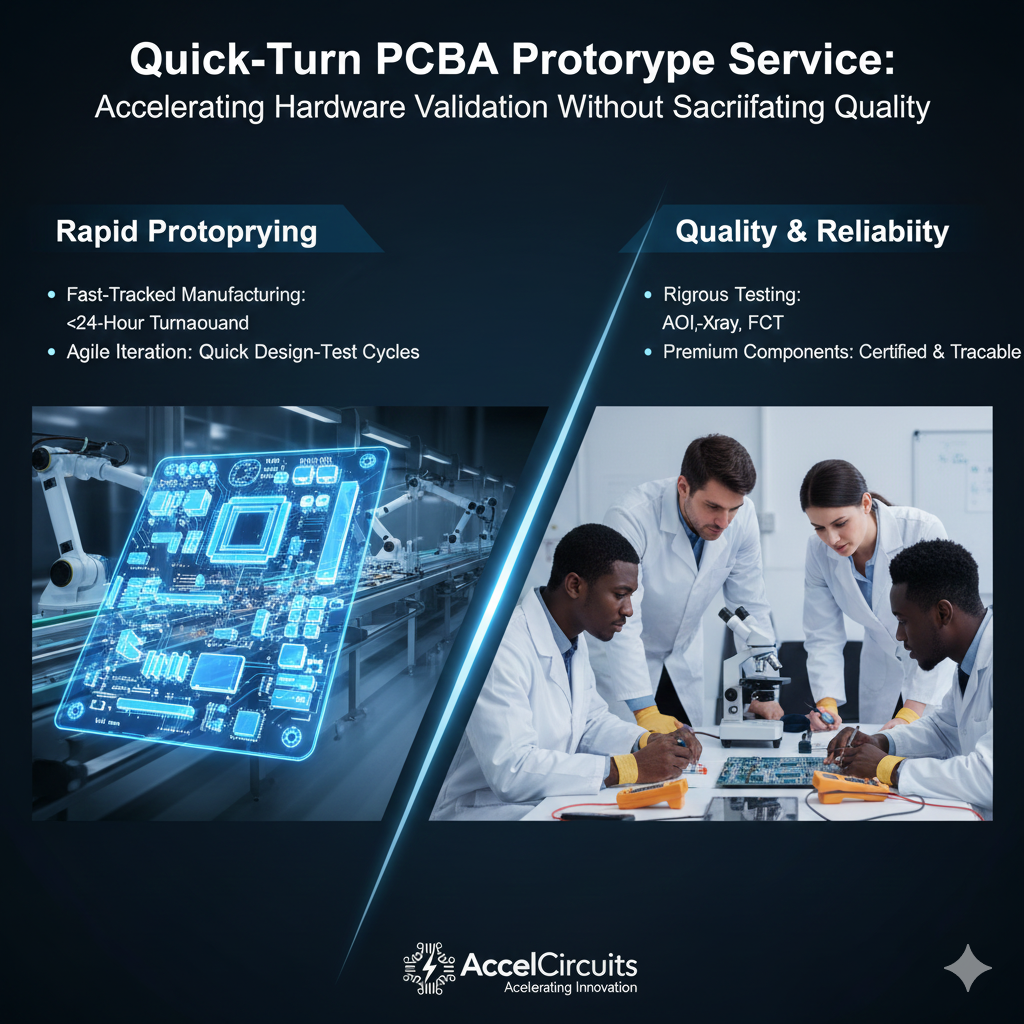
Quick-Turn PCBA Prototype Service: Accelerating Hardware Validation Without Sacrificing Quality
Speed matters in hardware development, but speed alone is never enough.
A quick-turn PCBA prototype service is designed to help teams validate designs, test functionality, and uncover issues early—while still maintaining assembly discipline and electrical stability.
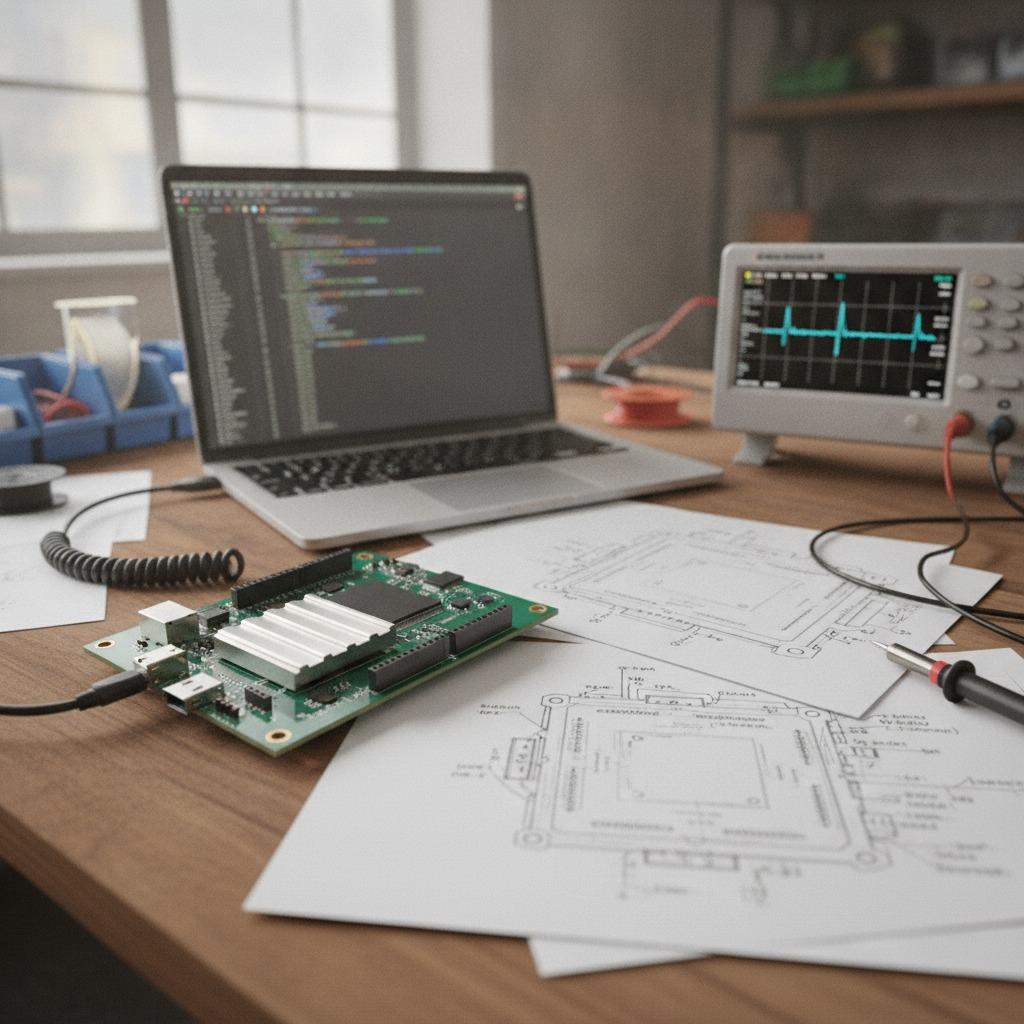
For startups, R&D teams, and established brands launching new products, rapid PCBA prototyping bridges the gap between concept and scalable production. It allows ideas to be tested in real hardware, not just simulations.
1. Why Fast PCBA Prototyping Is Critical in Product Development
In early-stage development, delays are expensive. Waiting weeks for prototype boards slows iteration and increases the risk of late-stage design changes.
Quick-turn PCBA services help teams:
-
Verify circuit logic under real operating conditions
-
Validate component selection and layout assumptions
-
Test firmware on actual hardware
-
Identify signal, power, or thermal issues early
-
Reduce rework risk before volume production
Faster prototypes lead to better-informed design decisions—and smoother transitions to mass manufacturing.
2. What Defines a True Quick-Turn PCBA Prototype Service
Not every fast assembly qualifies as a reliable quick-turn service. Speed must be supported by flexible processes and responsive coordination.
A capable quick-turn provider typically offers:
-
Rapid design review upon file submission
-
Priority component sourcing for prototype BOMs
-
Flexible SMT lines suitable for low-volume builds
-
Short setup cycles without excessive tooling delay
-
Clear communication during every production step
The goal is not just to build quickly, but to build prototypes that accurately represent future production quality.
3. Assembly Characteristics of Prototype PCBAs
Prototype PCBAs often differ from volume boards. They may include design revisions, mixed components, or experimental layouts that require careful handling.
Common characteristics include:
-
Low quantities with high component variety
-
Fine-pitch ICs or early-stage silicon
-
Mixed SMT and through-hole components
-
Manual adjustments or rework tolerance
-
Iterative design changes between batches
A quick-turn service must balance flexibility with consistency to ensure test results remain meaningful.
4. Focused Testing for Rapid Prototypes
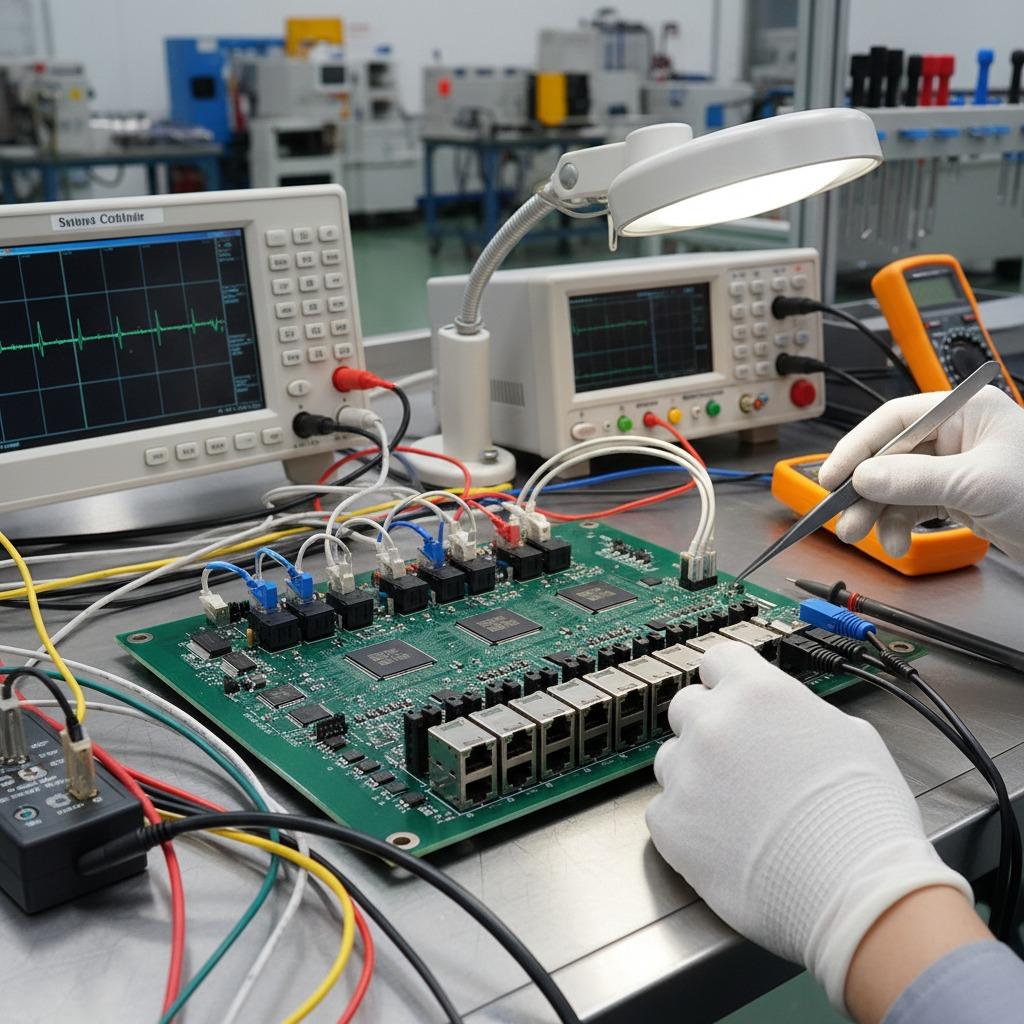
While prototype builds may not require full production-level testing, basic validation is essential to avoid misleading results.
Prototype PCBA Testing Overview
| Test Type | Purpose | Typical Scope |
|---|---|---|
| AOI | Verify placement and solder quality | SMT assemblies |
| Electrical Check | Confirm power and continuity | Core circuits |
| Functional Test | Validate basic operation | Firmware-ready boards |
| Manual Inspection | Review critical areas | First-build prototypes |
| Power Cycling | Check startup behavior | Control and logic boards |
This targeted testing approach keeps turnaround fast while still ensuring the prototype behaves as expected.
5. Component Sourcing Under Tight Timelines
Prototype builds often rely on small quantities of components that may not align with standard procurement cycles. Quick-turn services adapt by using flexible sourcing strategies.
Typical sourcing practices include:
-
Access to local or regional component stock
-
Approved alternative parts when originals are unavailable
-
BOM feedback to highlight sourcing risks early
-
Clear communication on lead-time trade-offs
This responsiveness prevents sourcing delays from becoming development bottlenecks.
6. Supporting Iteration and Design Refinement
One of the main advantages of quick-turn PCBA prototyping is the ability to iterate rapidly.
Manufacturers experienced in prototyping understand that design files may change frequently.
Supportive practices include:
-
Fast turnaround on revised BOMs and layouts
-
Repeatable assembly parameters for comparison
-
Clear documentation of build variations
-
Feedback on manufacturability trends
This collaboration helps teams refine designs with confidence before committing to larger runs.
7. Transitioning from Prototype to Production
A strong quick-turn PCBA service does not end with the prototype. The real value lies in how smoothly it supports the next stage.
Key transition benefits include:
-
Assembly parameters aligned with future volume builds
-
Early identification of scaling risks
-
Component choices validated for long-term supply
-
Reduced surprises during mass production
By building prototypes under controlled conditions, teams reduce friction later in the product lifecycle.
Enabling Faster Hardware Decisions Through Rapid PCBA Prototyping
A quick-turn PCBA prototype service allows hardware teams to move faster without losing control over quality or reliability. By combining responsive sourcing, flexible assembly, and focused testing, rapid prototyping becomes a strategic tool—not just a shortcut.
To discuss PCBA prototyping timelines or request quick-turn assembly support, visit www.hcdpcba.com or contact the team directly through:
👉 https://www.hcdpcba.com/en/contact-us