PCBA Prototype Service for Fast Validation and Early-Stage Manufacturing
Product development rarely fails because a concept is flawed.
Failure usually appears later—when early assumptions meet physical constraints, sourcing realities, and repeated assembly conditions.
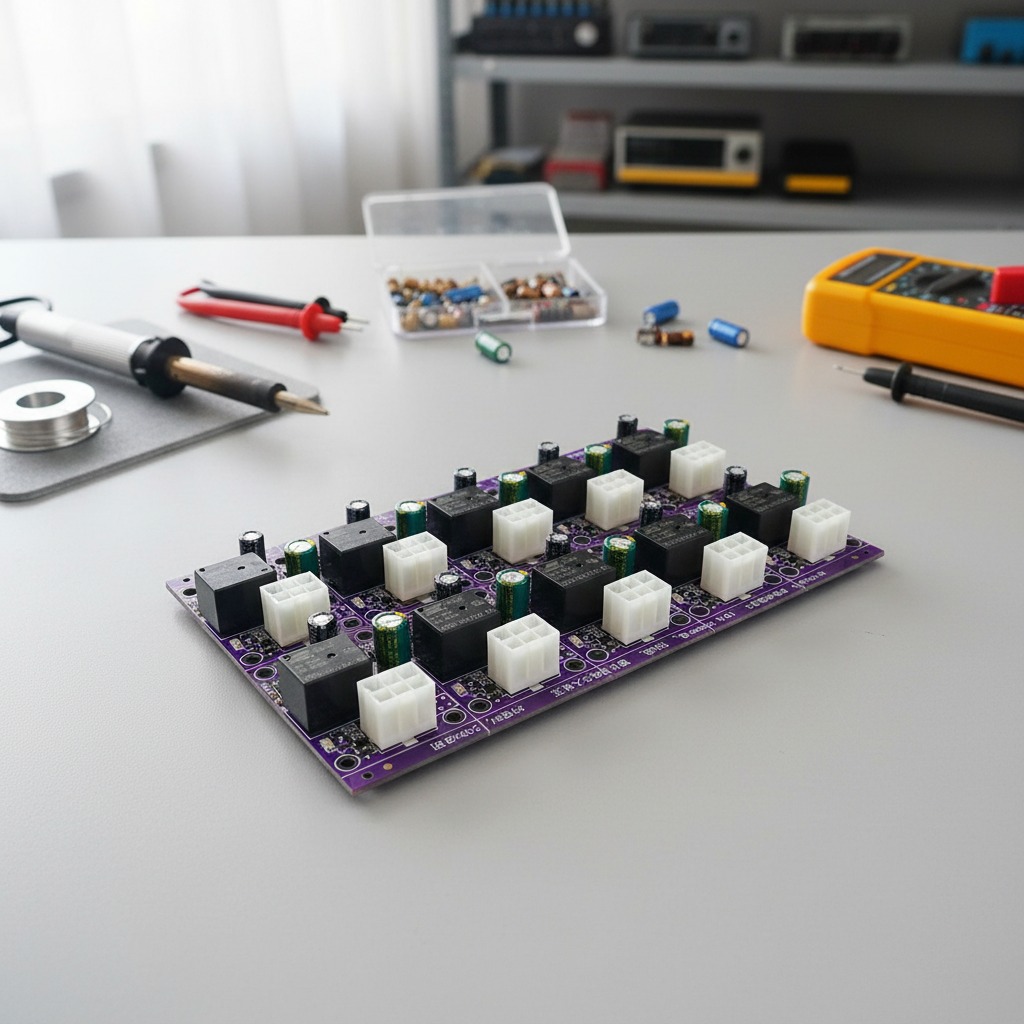
This is where a PCBA prototype service plays a decisive role. It allows teams to validate not only whether a board functions, but whether it can be built consistently, sourced responsibly, and transitioned smoothly into early-stage manufacturing without hidden risk.
Why Early Prototype Builds Shape the Entire Product Lifecycle
Prototype builds are often viewed as temporary. In reality, they quietly define the future of a product.
When early boards are assembled under ad-hoc conditions, they may appear functional while masking deeper issues: marginal solder behavior, unstable power paths, or components that are difficult to source consistently. These issues rarely disappear; they resurface later—when changes are expensive and schedules are tight.
A disciplined PCBA prototype service exposes these weaknesses early, while design flexibility still exists. Instead of rushing toward the next revision, teams gain clarity about what truly works under manufacturing conditions.
From Design Files to Manufacturable Reality
Moving from layout files to physical boards introduces a layer of complexity that simulations cannot fully predict. Component tolerances, thermal interaction, and solder behavior only become visible once boards are assembled and powered.
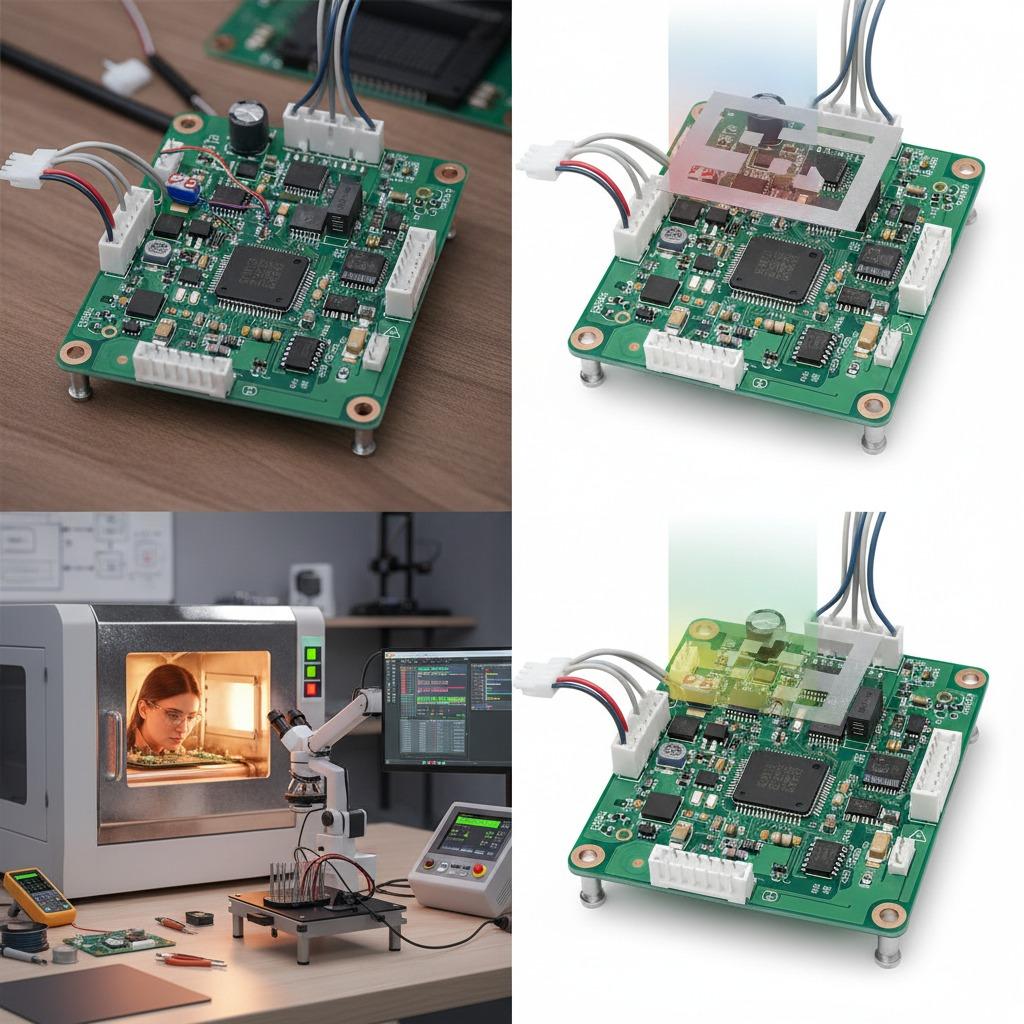
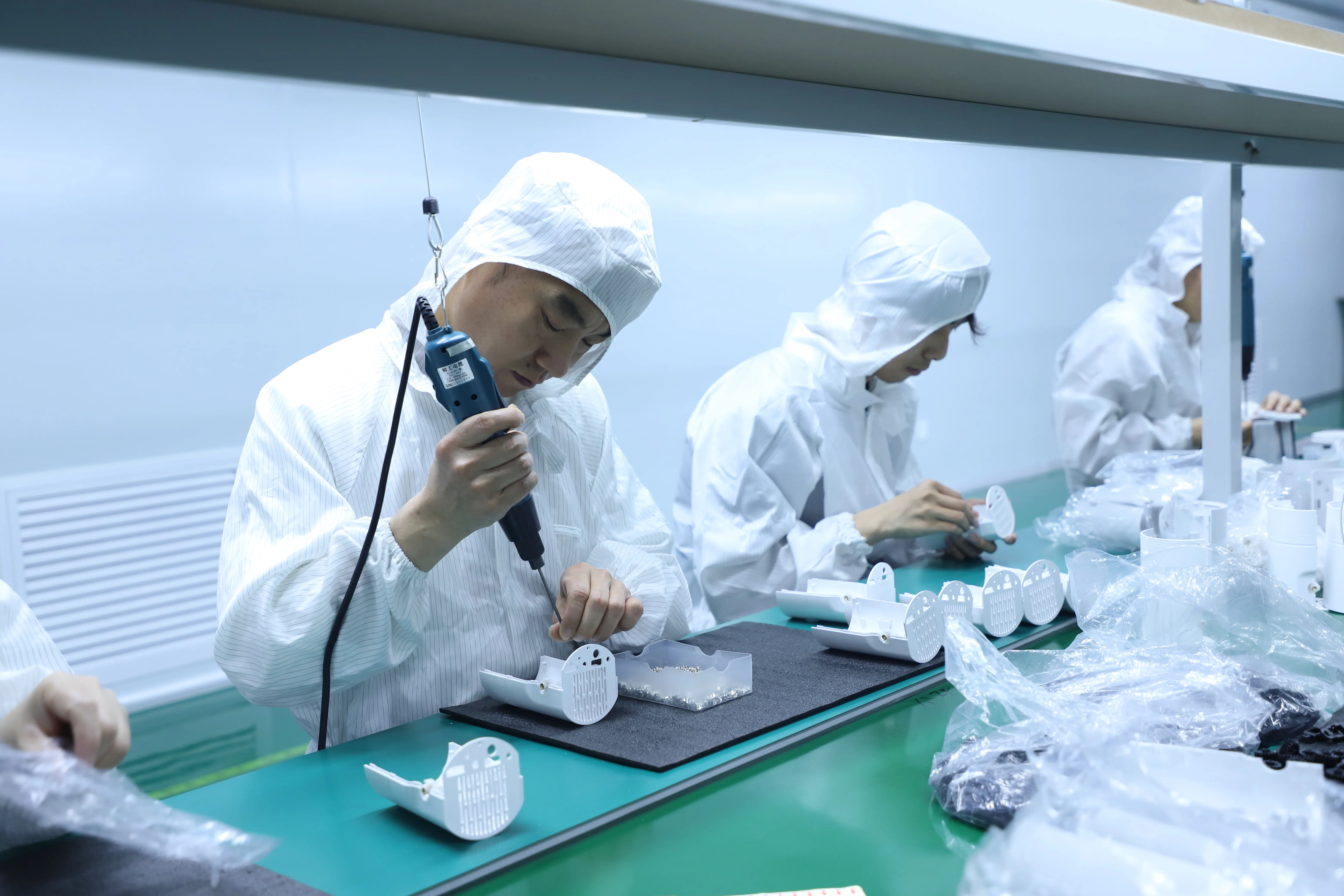
A structured PCBA prototype service focuses on translating design intent into repeatable builds. This means early-stage assemblies follow defined processes rather than one-off handling. Component placement, solder profiles, and inspection logic are treated as learning tools—not shortcuts.
The result is not just a working board, but a clearer understanding of how the product behaves when subjected to real assembly constraints.
What Differentiates a Structured Prototype Build
Not all prototype builds deliver the same value. The difference lies in how closely they resemble future production without adding unnecessary overhead.
A well-managed prototype build typically emphasizes:
-
BOM checks with attention to availability and alternative parts
-
Assembly using production-compatible SMT processes
-
Defined soldering profiles aligned with board structure
-
Early inspection that reflects future quality expectations
This approach ensures that findings from early builds remain meaningful as the product moves forward.
Iteration Speed Versus Trustworthy Results
Fast iteration is essential, but speed alone can be misleading. Prototypes built with special handling may function once but fail to scale.
A reliable PCBA prototype service balances turnaround time with consistency. Each iteration follows the same baseline process, allowing teams to compare revisions objectively. When changes are introduced, their impact is visible and traceable rather than obscured by uncontrolled variation.
This discipline transforms prototypes from “samples” into decision-making assets.
Validation During the Prototype Phase
Validation at this stage should answer more than “does it power on.” It should reveal how the assembly behaves under realistic conditions.
Prototype Validation Focus
| Validation Area | Purpose | What It Reveals |
|---|---|---|
| Visual inspection | Confirm placement and solder quality | Assembly consistency |
| Electrical checks | Verify continuity and power behavior | Basic electrical stability |
| Functional testing | Confirm firmware and logic operation | System behavior |
| Limited load observation | Observe thermal or current response | Early reliability signals |
This validation depth provides actionable insight before scaling begins.
Using Prototypes to Prepare for Early-Stage Manufacturing
One of the most valuable outcomes of a PCBA prototype service is preparation—not proof.
When early builds align with production intent:
-
Component choices are validated for continuity
-
Assembly parameters are already established
-
Inspection steps can be expanded rather than redesigned
-
Transition to pilot production becomes controlled
This alignment reduces late-stage surprises and shortens the path from validation to deployment.
Where Prototype PCBA Builds Are Most Commonly Used
Early-stage assembly supports a wide range of products where uncertainty must be reduced quickly, including:
-
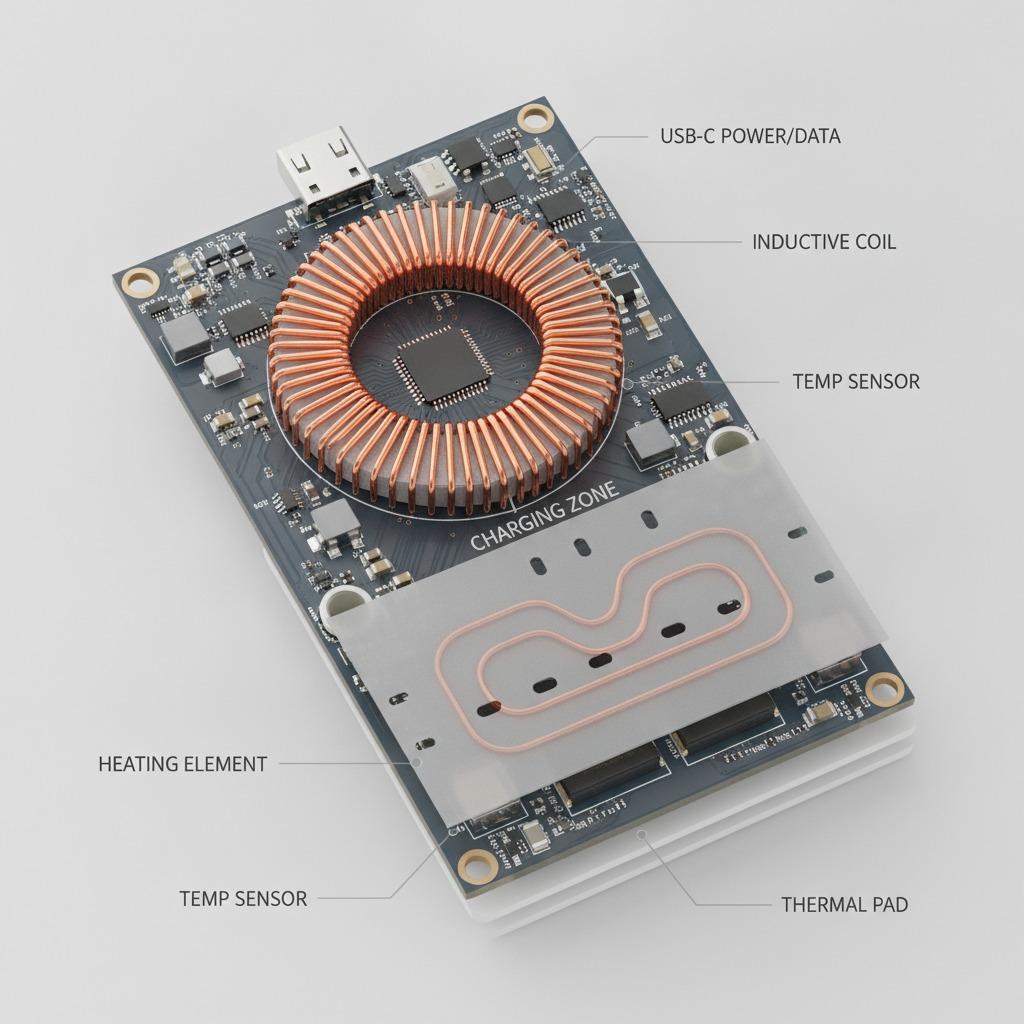
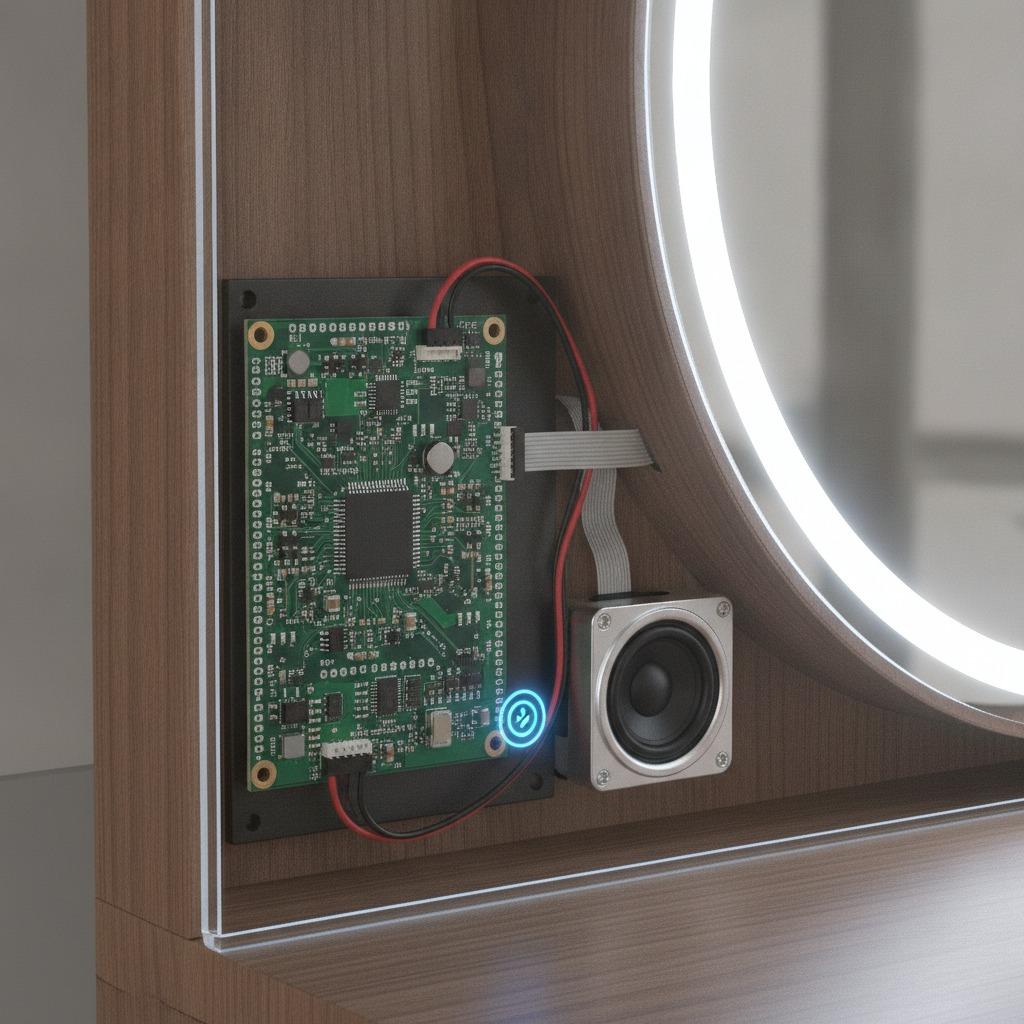
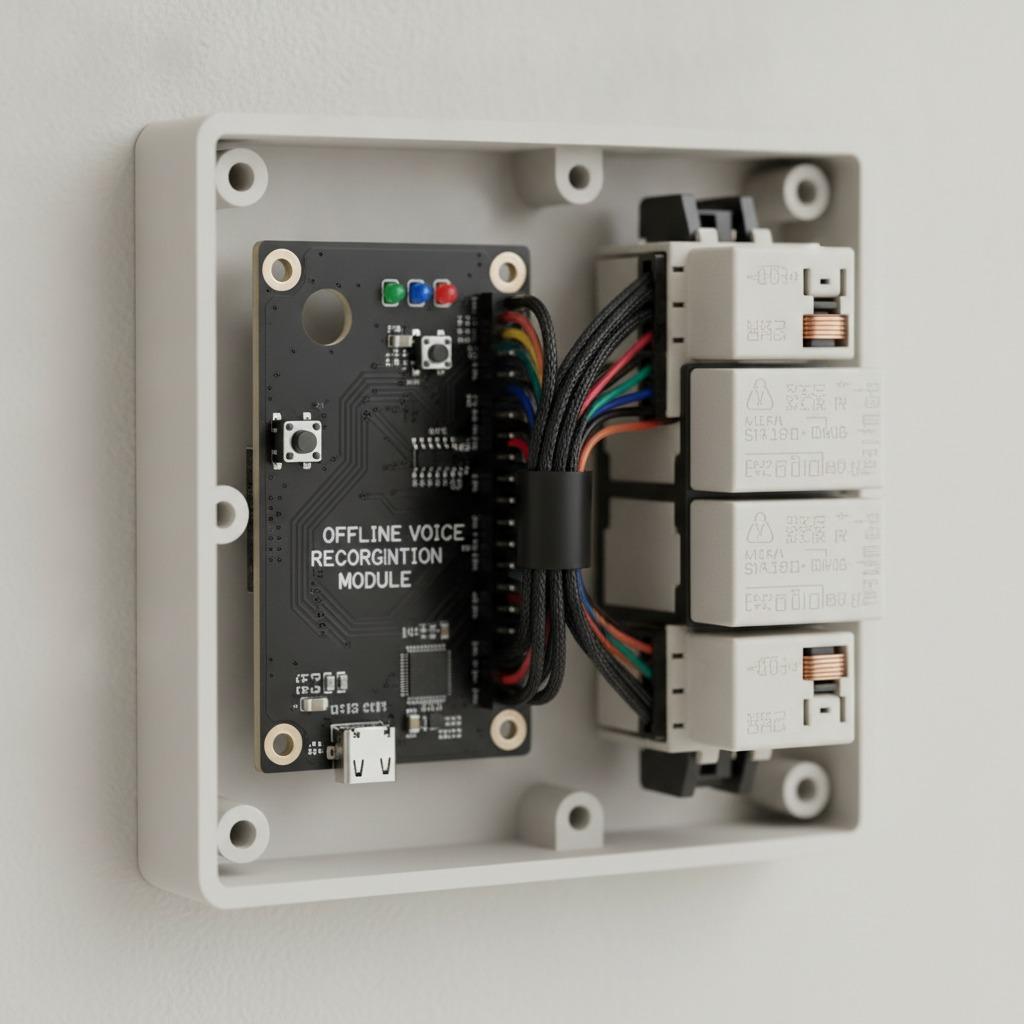
IoT and smart home control boards
-
Industrial monitoring and automation modules
-
Power-related boards requiring early load validation
-
Imaging and sensing devices with tight integration requirements
Across these use cases, the objective remains the same: convert uncertainty into measurable insight.
Frequently Asked Questions
Q1: How many units are typically built during prototype production?
Quantities are usually limited to small batches sufficient for validation, testing, and internal review rather than market deployment.
Q2: Should prototype assemblies use the same components planned for later stages?
Yes. Using intended components helps identify sourcing and compatibility risks before they affect schedules.
Q3: What is the main risk of treating prototypes as disposable samples?
Results may not scale. A board that works under special handling can behave differently when built repeatedly under standard conditions.
Why Early Prototype Discipline Pays Off Later
A PCBA prototype service is not about speed alone—it is about reducing uncertainty when decisions are still reversible. When early builds reflect real manufacturing conditions, teams gain confidence, avoid rework, and move toward early-stage manufacturing with clarity rather than assumptions.
To discuss prototype requirements or early-stage manufacturing support, visit www.hcdpcba.com or contact the team directly via:
https://www.hcdpcba.com/contact-us