PCBA Manufacturing Service: Turning Electronic Designs into Products That Perform in the Real World
Electronic products rarely fail because of design alone.
More often, instability appears after deployment—when boards operate under load, across temperature changes, or through repeated power cycles. This is where a PCBA manufacturing service plays a decisive role.
At this stage, design intent meets physical reality. Assembly discipline, material handling, and validation depth determine whether a board behaves consistently across batches or gradually drifts in performance as volumes increase.
From Assembly Task to Manufacturing Responsibility
Many suppliers describe themselves as assemblers. Fewer operate as true manufacturing partners.
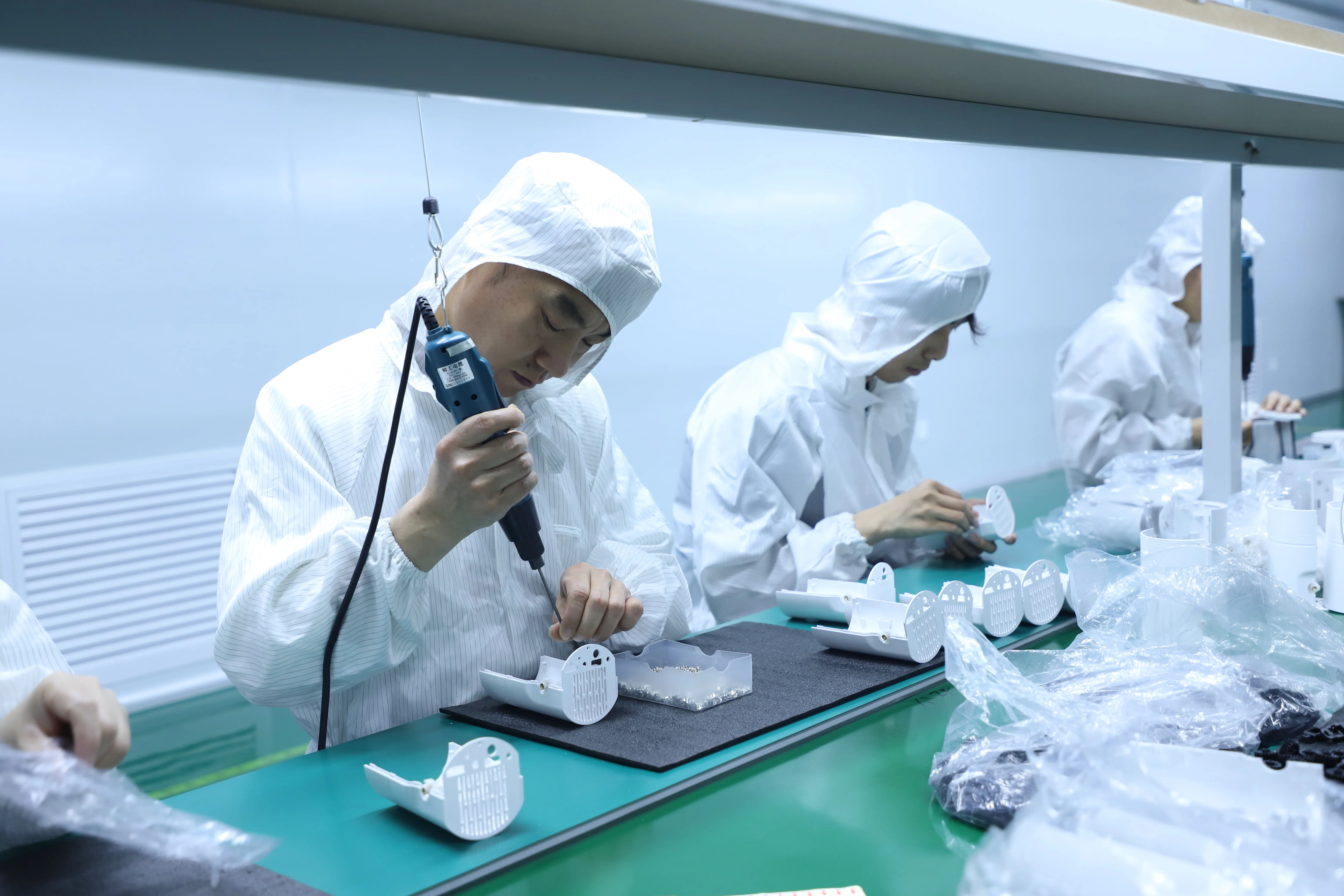
A qualified PCBA manufacturing service does more than place components. It connects component sourcing, assembly control, inspection logic, and delivery planning into one coordinated workflow. This integration matters because early production decisions directly affect yield stability, rework rates, and long-term reliability.
For OEMs, especially those planning to scale, this distinction often determines whether production remains predictable or becomes reactive.
What Consistency Really Means in Electronics Manufacturing
Consistency is not achieved by running machines faster. It is achieved by reducing variation.
In practice, a reliable manufacturing provider focuses on:
-
Stable component handling that avoids moisture and ESD damage
-
Repeatable SMT setup parameters across builds
-
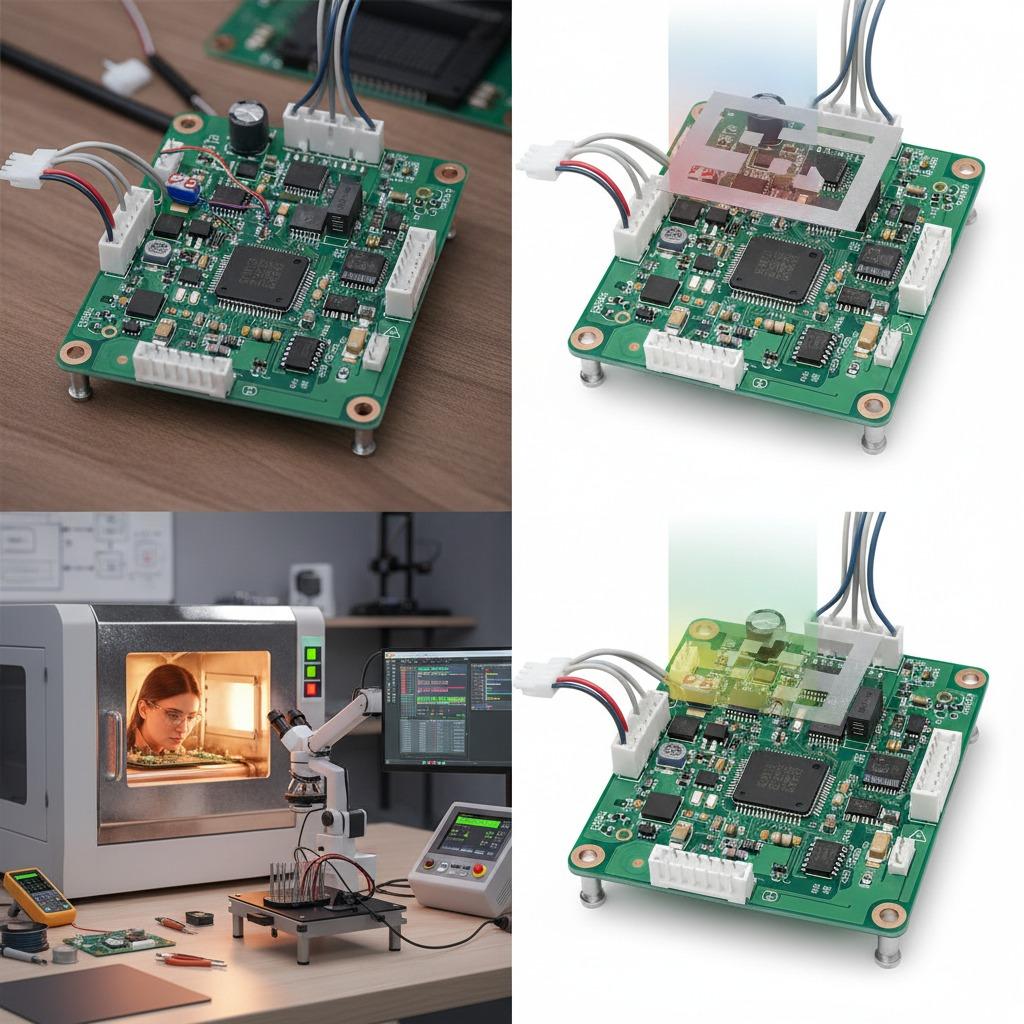
Reflow profiles matched to board structure and component mix
-
Defined inspection rules applied batch after batch
These controls ensure that the first production run behaves the same way as the tenth.
This is why experienced buyers evaluate a PCBA manufacturing service based on process discipline rather than quoted speed alone.
Supporting Different Product Types Under One Workflow
Modern electronics span a wide range of form factors and load conditions. A capable manufacturing partner supports this diversity without fragmenting the process.
Typical support includes:
-
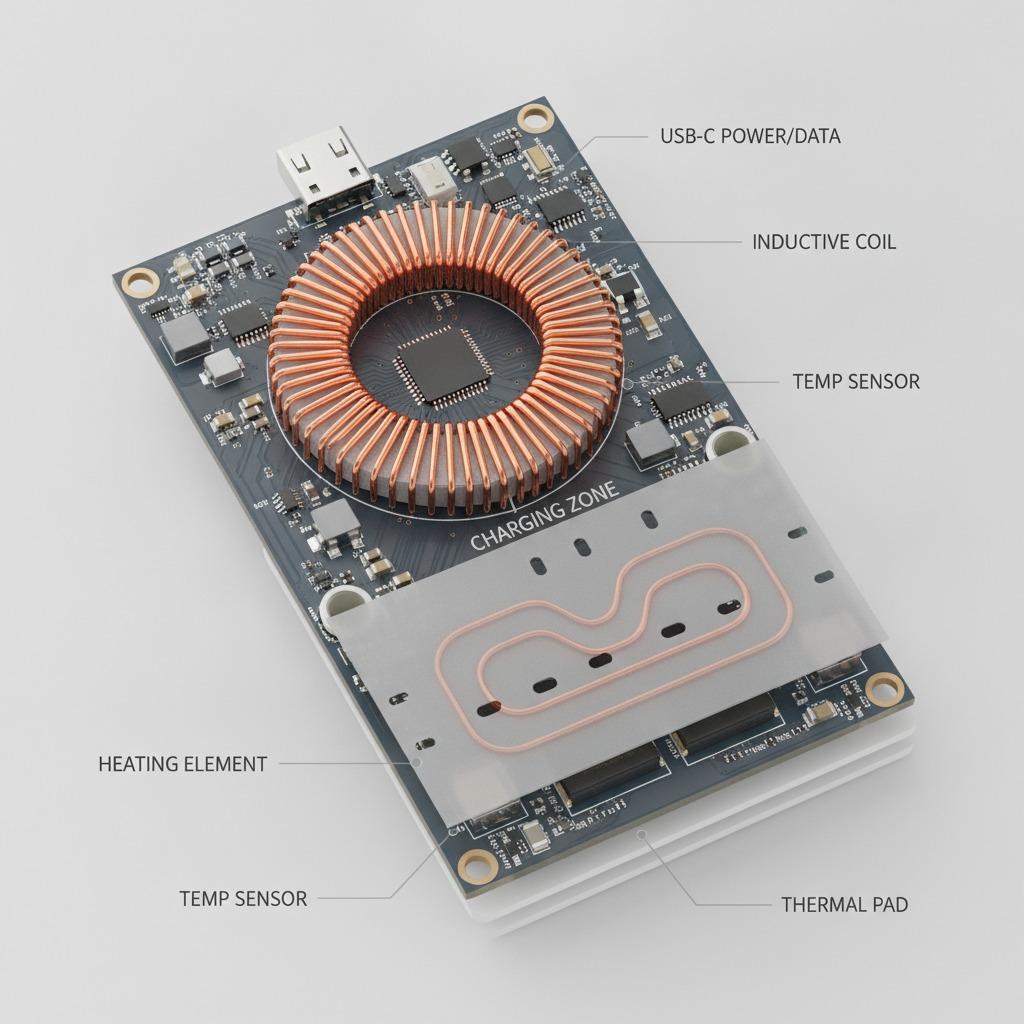
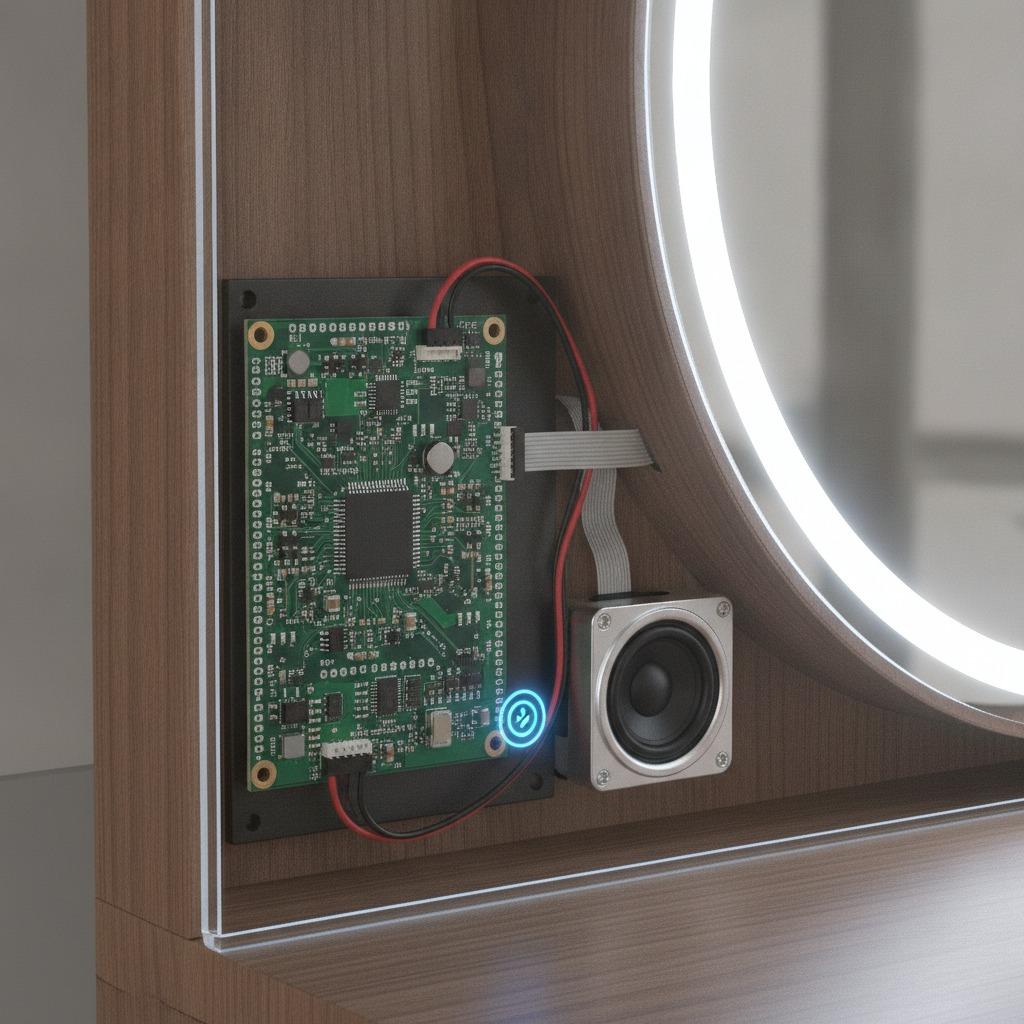
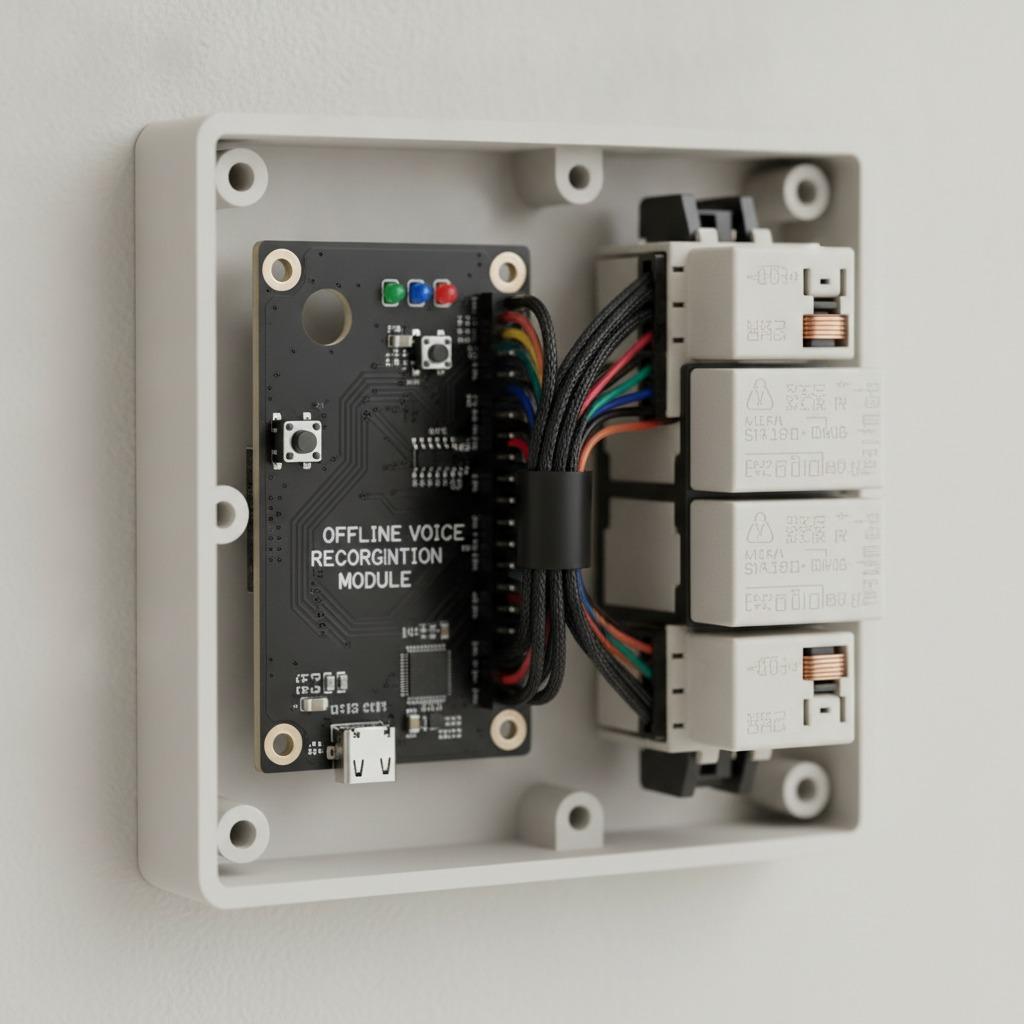
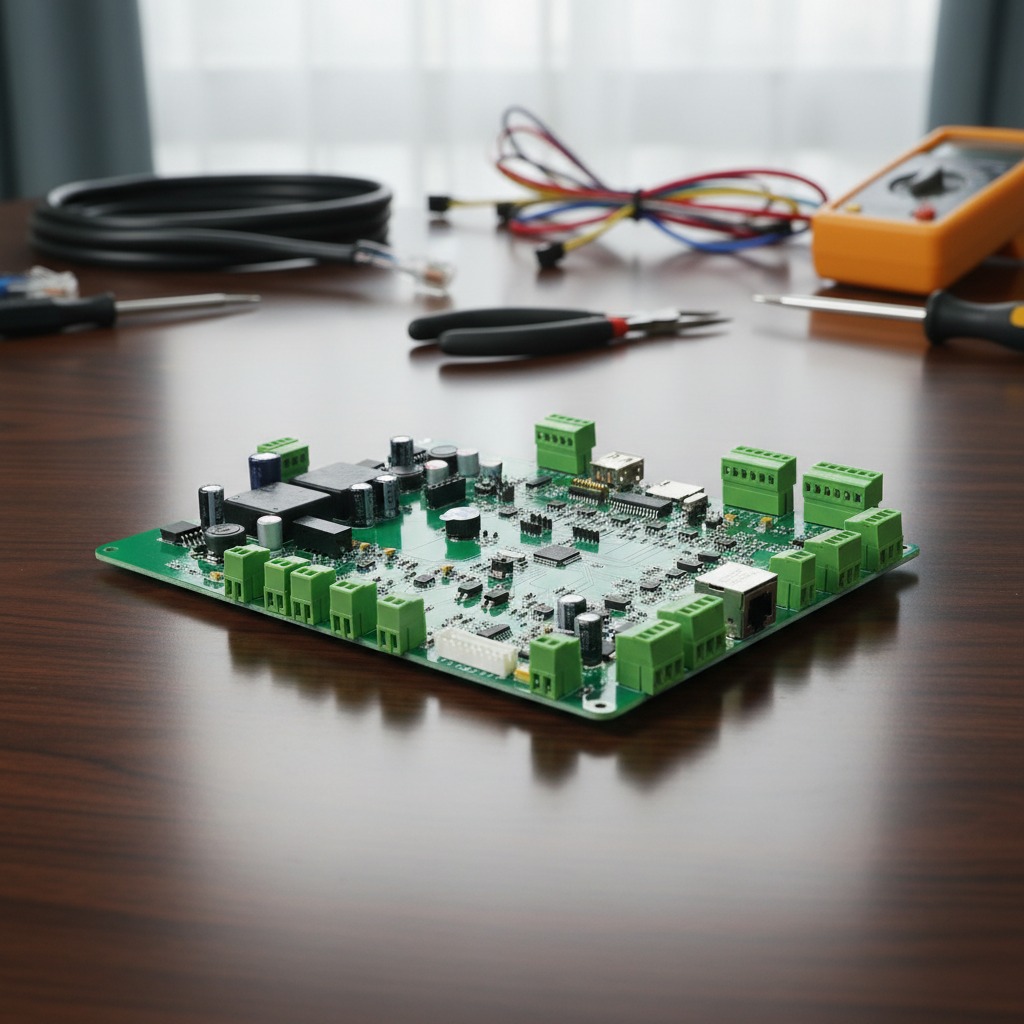
Dense digital and wireless control boards
-
Power-related assemblies with sustained current flow
-
Mixed-technology designs combining SMT and through-hole components
-
Low-volume pilot builds that must remain production-representative
Maintaining one coherent workflow across these products reduces transition risk as designs evolve.
Inspection and Validation Built Into Production
Inspection is most effective when it is preventive, not corrective. Instead of treating testing as a final gate, structured manufacturers integrate validation into the flow.
Manufacturing Inspection & Testing Overview
| Stage | Method | Purpose |
|---|---|---|
| Post-assembly | Optical inspection | Verify placement and solder quality |
| Hidden joints | X-ray inspection | Validate BGA / QFN connections |
| Electrical check | Continuity & power tests | Confirm basic electrical behavior |
| Functional test | Firmware-based validation | Confirm real operation |
This layered approach helps detect issues before they propagate into volume output.
Scaling Without Introducing New Risk
Most products move through phases—prototype, pilot, early production, then scale. Problems often arise when early builds are treated as exceptions.
A dependable PCBA manufacturing service avoids this by aligning pilot builds with production-ready processes. Component choices, assembly parameters, and inspection logic remain consistent, so scaling does not introduce hidden variables.
This continuity shortens ramp-up time and reduces late-stage surprises.
Industries That Rely on Structured Assembly Services
Structured electronics manufacturing supports products across multiple sectors, including:
-
Consumer and smart home devices
-
IoT and connected hardware
-
Industrial control systems
-
Power and energy-related boards
-
Imaging and intelligent devices
Across these applications, reliability depends less on individual components and more on how consistently boards are built.
Frequently Asked Questions
Q1: When should an OEM engage a PCBA manufacturing service?
Ideally before pilot production. Early alignment allows manufacturing constraints and sourcing risks to be addressed before volume decisions are locked in.
Q2: Can one provider support both low-volume builds and scaling?
Yes, if pilot production follows the same discipline as volume manufacturing. This avoids requalification later.
Q3: What is the most common risk in outsourced electronics assembly?
Inconsistent execution across batches. Even small variations can accumulate and affect long-term product behavior.
Why Manufacturing Discipline Determines Product Reliability
A PCBA manufacturing service is not just a supplier—it is a stabilizing force between design and deployment. When sourcing control, assembly consistency, and validation logic are aligned, electronic products gain predictability, scalability, and reliability.
To discuss production requirements or evaluate a manufacturing partnership, visit www.hcdpcba.com or contact the team via:
👉 https://www.hcdpcba.com/contact-us