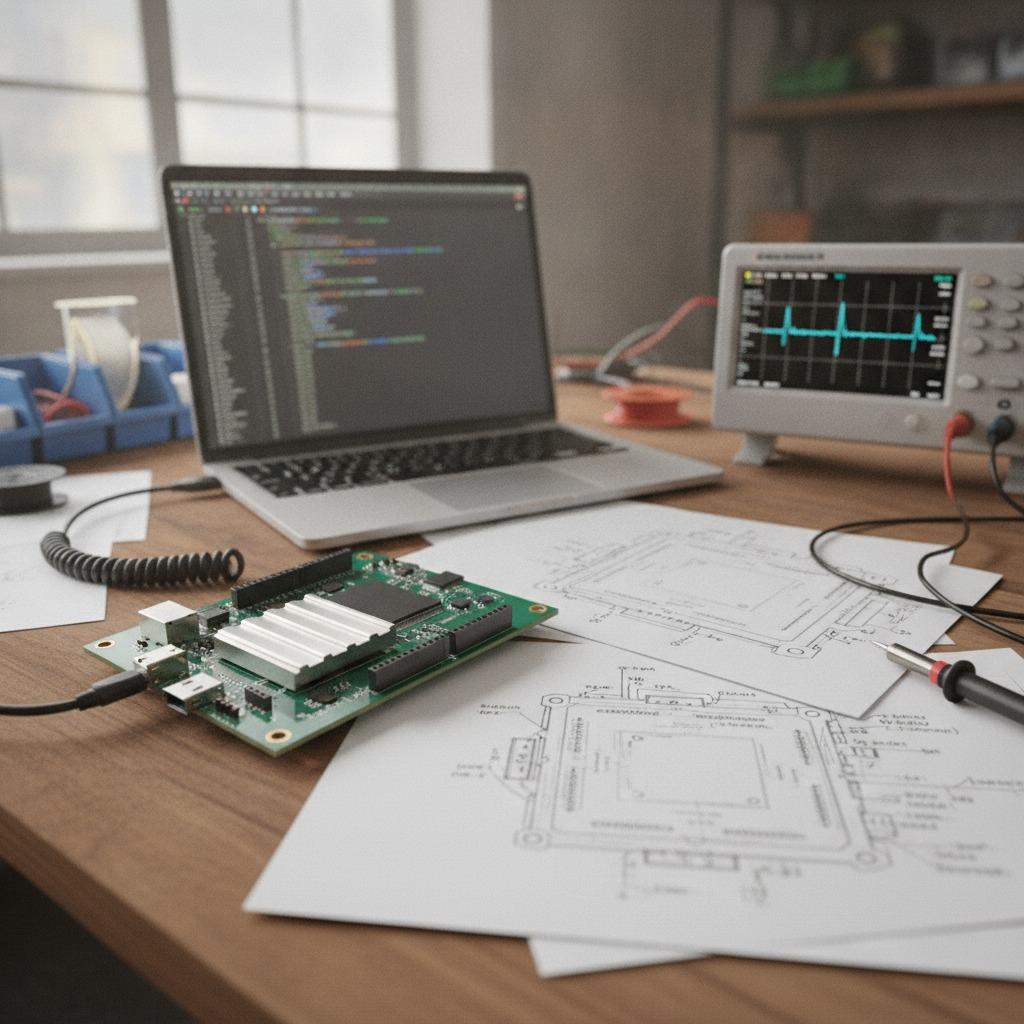
Medical Circuit Board Assembly for CGM Devices: what buyers should actually look for
Medical Circuit Board Assembly is not just a matter of placing parts on FR-4 and sending the board down the line. In a continuous glucose monitor, the PCB assembly sits at the center of signal acquisition, processing, power distribution, and wireless communication, so the quality of the build directly affects how the system behaves in the field. For engineers and sourcing teams, the real question is not whether a board can be assembled, but whether the assembly method supports low-noise operation, repeatable fit, and a production path that can hold up as the design moves from prototype to volume.
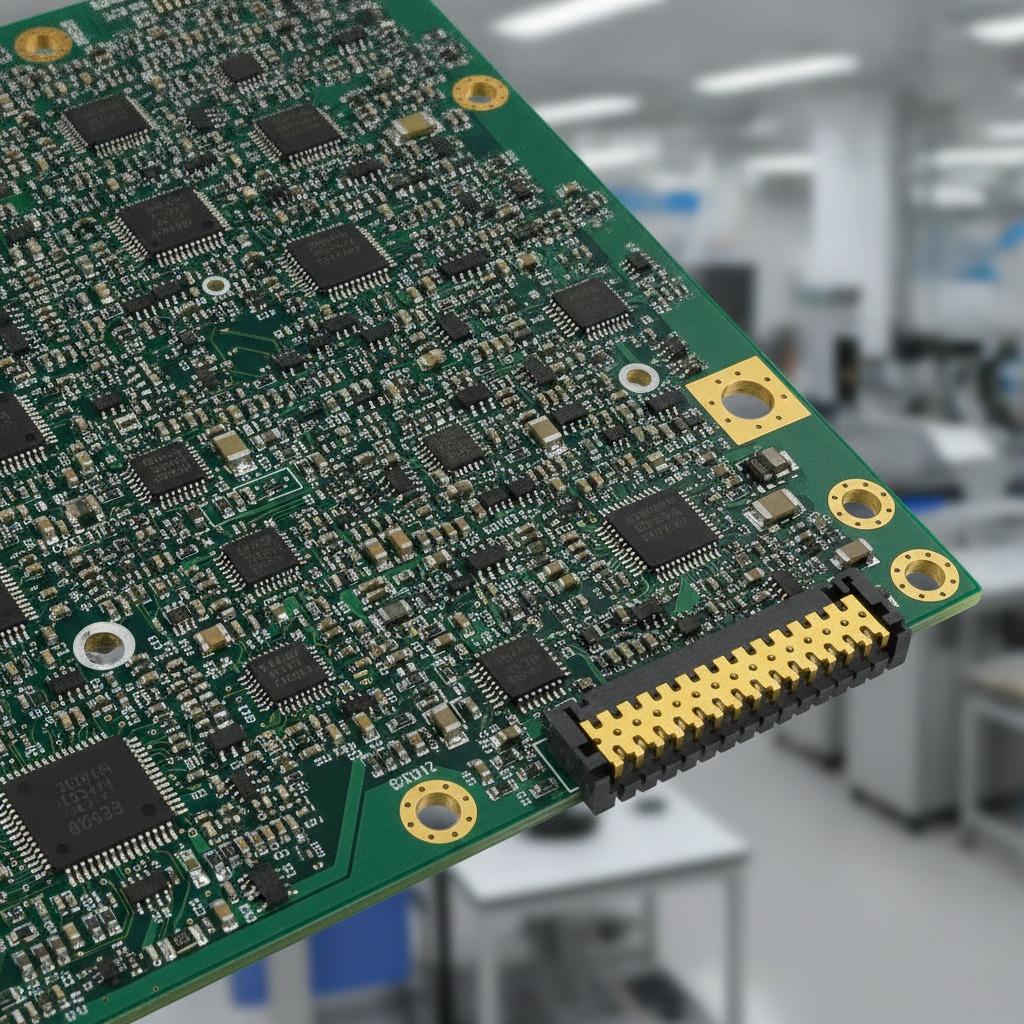
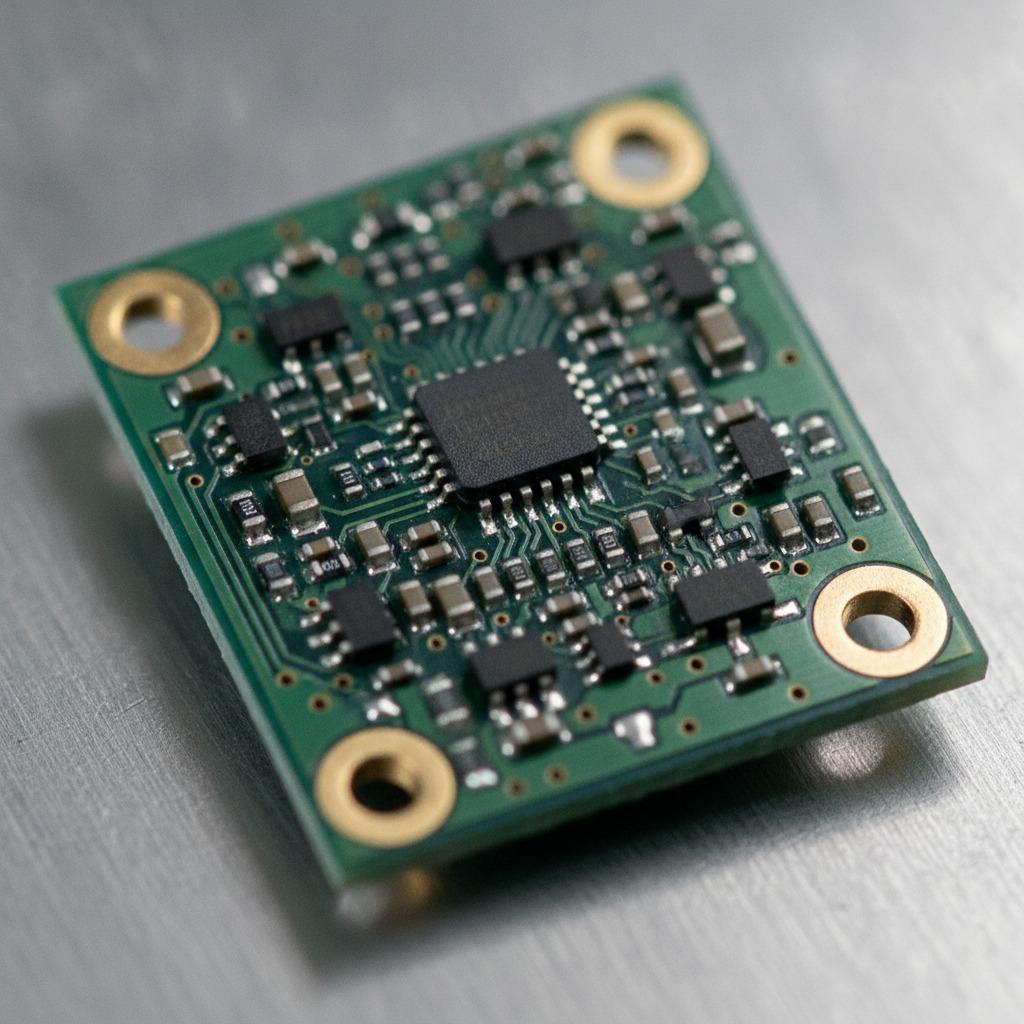
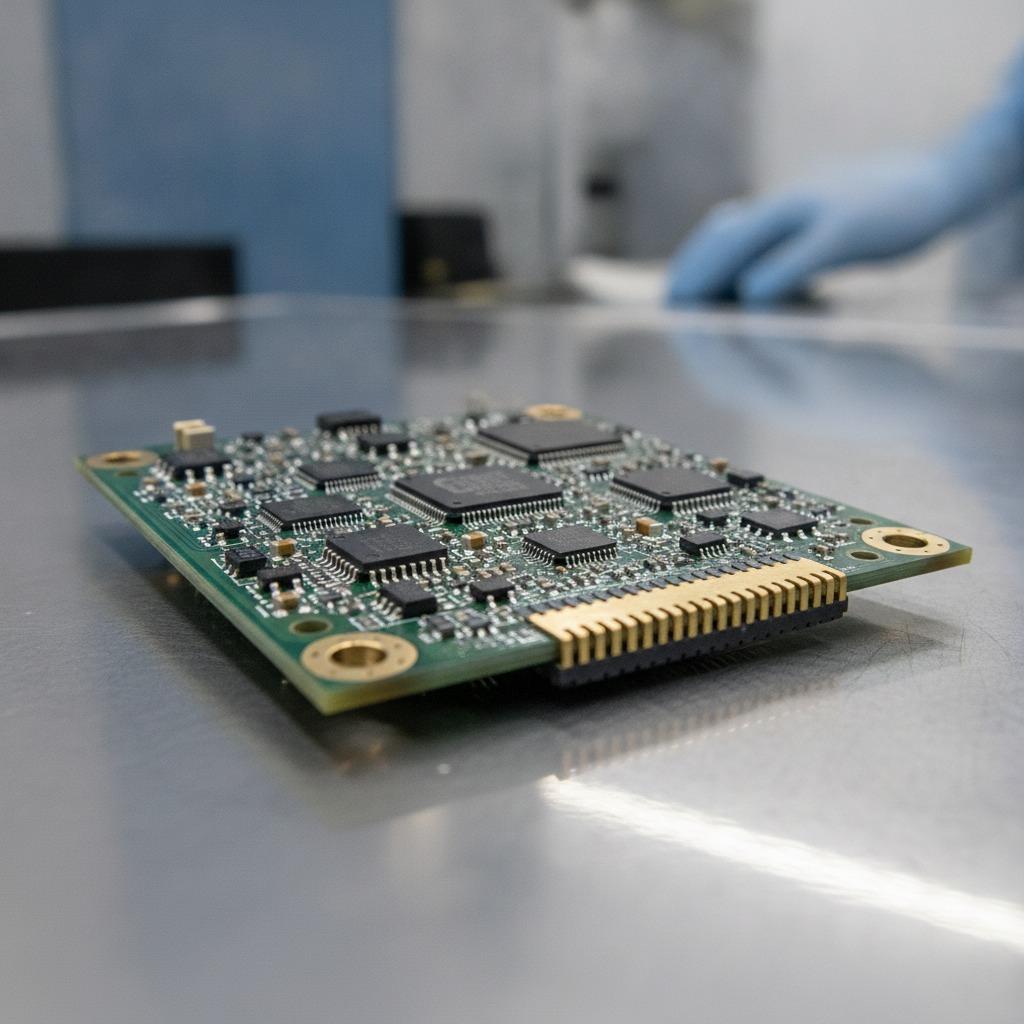
The CGM board described here is a compact, populated module with a green solder mask, mounting holes, edge connectors, and multiple surface-mount components. That is a familiar profile in medical electronics: dense, space-conscious, and designed to fit into a larger wearable or monitoring platform. The visible layout suggests a board intended for embedded control and sensor interfacing, although the exact sensing method, performance metrics, and medical claims cannot be confirmed from the image alone.
Why CGM electronics put extra pressure on the assembly process
A continuous glucose monitoring platform has a narrow tolerance for sloppy assembly. Even when the sensing chemistry is handled elsewhere in the system, the electronics still have to manage low-level signals, protect against noise, and support stable communication. A weak solder joint, marginal connector, or poorly controlled reflow profile can create problems that are hard to debug later. That is especially true in low-power medical PCBA designs, where the board may need to balance signal integrity with battery constraints.
The practical consequence is simple: buyers should evaluate the assembler as carefully as the circuit design itself. A supplier that can handle SMT Medical PCB builds, mixed assembly, component sourcing, and testing in one flow usually offers fewer handoff errors than a shop that only places parts.
What is visible on this type of board
The board supplied for this topic shows several useful clues:
- A rigid rectangular PCB with rounded corners and four mounting points
- A central controller or processor area surrounded by support ICs and passives
- Connector interfaces along the edge and gold-colored contact points
- A compact footprint suited to wearable or portable medical hardware
- A production-style populated layout rather than a bare prototype blank
That does not prove final certification or production readiness, but it does suggest a board architecture meant for integration, not just bench testing. For buyers working on a Continuous Glucose Monitoring PCBA, that distinction matters. A prototype can tolerate awkward routing or temporary jumpers; a production board cannot.
Key assembly choices that affect reliability
SMT density and component placement
High component density is normal in medical wearables, but it raises the stakes for placement accuracy and solder quality. Fine-pitch ICs, small passives, and nearby connectors need clean stencil control and disciplined reflow profiling. If the board carries wireless functions or mixed-signal sections, layout and assembly discipline become even more important.
Low-noise handling
Low noise is often advertised, but in practice it depends on the whole chain: layout, grounding, shielding, assembly cleanliness, and inspection. A metal can or shielded component on the board may indicate attention to interference control, but it is only one part of the story. Buyers should ask how the assembler manages solder paste deposition, contamination risk, and test coverage around sensitive analog sections.
Connectors and mechanical support
Medical electronics often fail first at the interface, not the chip. Headers, edge connectors, and board-to-board links should be reviewed for solder fillet quality and mechanical strain relief. In a wearable or handheld device, repeated insertion, vibration, and thermal cycling can expose weak joints quickly.
Selection criteria for medical PCB assembly partners
When evaluating a supplier like hcdpcba, the most useful questions are practical ones. Can they support PCB prototyping and then transition into production without redesigning the process? Do they offer component procurement, assembly, and testing in a coordinated workflow? Can they provide DFMA support so the design is easier to build before a problem reaches the factory floor?
That last point is often underestimated. A board can look perfectly acceptable in CAD and still be awkward to assemble. DFMA feedback can flag parts that are too close to connectors, footprints that are hard to solder consistently, or design features that complicate inspection. In medical device manufacturing, those small corrections can save weeks.
The company information supplied here also points to OEM and ODM support, which is relevant for teams that need more than simple contract assembly. For CGM-related hardware, that can mean help with hardware design, prototype verification, and later mass production support. The exact scope still needs to be confirmed project by project, but the service model matches what many medical device buyers need.
Common mistakes buyers make
One mistake is assuming that a finished-looking board automatically means production readiness. Another is focusing only on unit price and ignoring sourcing control, inspection, and traceability. Medical assemblies often look simple once they are populated, but the process behind them is where quality is won or lost.
A second mistake is treating wireless performance or sensing performance as a board-assembly issue alone. Assembly quality matters, certainly, but system performance also depends on the design, firmware, enclosure, and test strategy. If a supplier promises too much from the assembly step, that should raise an eyebrow.
A third, more ordinary error is skipping pilot runs. Even with an experienced SMT Medical PCB provider, a short verification build catches fit issues, component substitutions, and test boundary problems before the program scales.
Practical buyer advice
If you are sourcing a board for a CGM platform, start with three checks: process capability, inspection discipline, and communication. Ask how the assembler handles SMT plus any through-hole steps, what testing is available, and how they manage component supply risk. If the design includes sensitive analog sections or a wireless link, ask for assembly controls that reduce contamination and variability.
For many teams, the best decision is not the cheapest quote but the most stable process. Medical electronics do not reward shortcuts. They reward repeatable builds, careful handling of components, and a supplier who notices small problems before they become field failures.
Next step for engineering and sourcing teams
If you are developing a Continuous Glucose Monitoring PCBA or another medical wearable module, it is worth reviewing both the design file and the assembly plan together. A supplier with PCB fabrication, SMT assembly, component sourcing, testing, and DFMA input in one place can simplify that conversation.
hcdpcba positions itself around SMT贴片, PCBA boards for medical and other industries, PCB prototyping, parts sourcing, assembly, testing, and OEM/ODM support. For teams moving from concept to pilot build, that combination is often more useful than a purely transactional board house. The next sensible move is to share the Gerbers, BOM, and key mechanical constraints, then ask where the design can be made easier to assemble before volume starts.