Low Volume PCBA Manufacturing: Bridging Prototype Validation and Scalable Production
Most electronic products do not move directly from prototype to mass production.
Between validation and scale, there is a critical phase where designs must prove they can be built repeatedly, reliably, and without hidden cost escalation.
This is where low volume PCBA manufacturing becomes essential. It allows companies to move beyond single prototypes while avoiding the financial and operational risks of full-scale production too early.
Why Small-Batch Production Plays a Strategic Role
After prototyping, teams often face a dilemma. Prototypes work, but questions remain:
Can the design be assembled consistently? Are the chosen components stable in supply? Will yields hold once builds are repeated?
A structured low volume PCBA manufacturing stage answers these questions under controlled conditions. Instead of treating early batches as experiments, manufacturers use disciplined processes that reveal how designs behave when built multiple times using standard workflows.
This stage is not about speed alone. It is about learning how a product behaves when assumptions are replaced with data.
From Prototype Builds to Repeatable Assembly
The shift from prototypes to small-batch production introduces new challenges. Assembly steps that were manageable once may become inconsistent when repeated. Minor layout sensitivities, solder behavior, or component tolerances often emerge only after several builds.
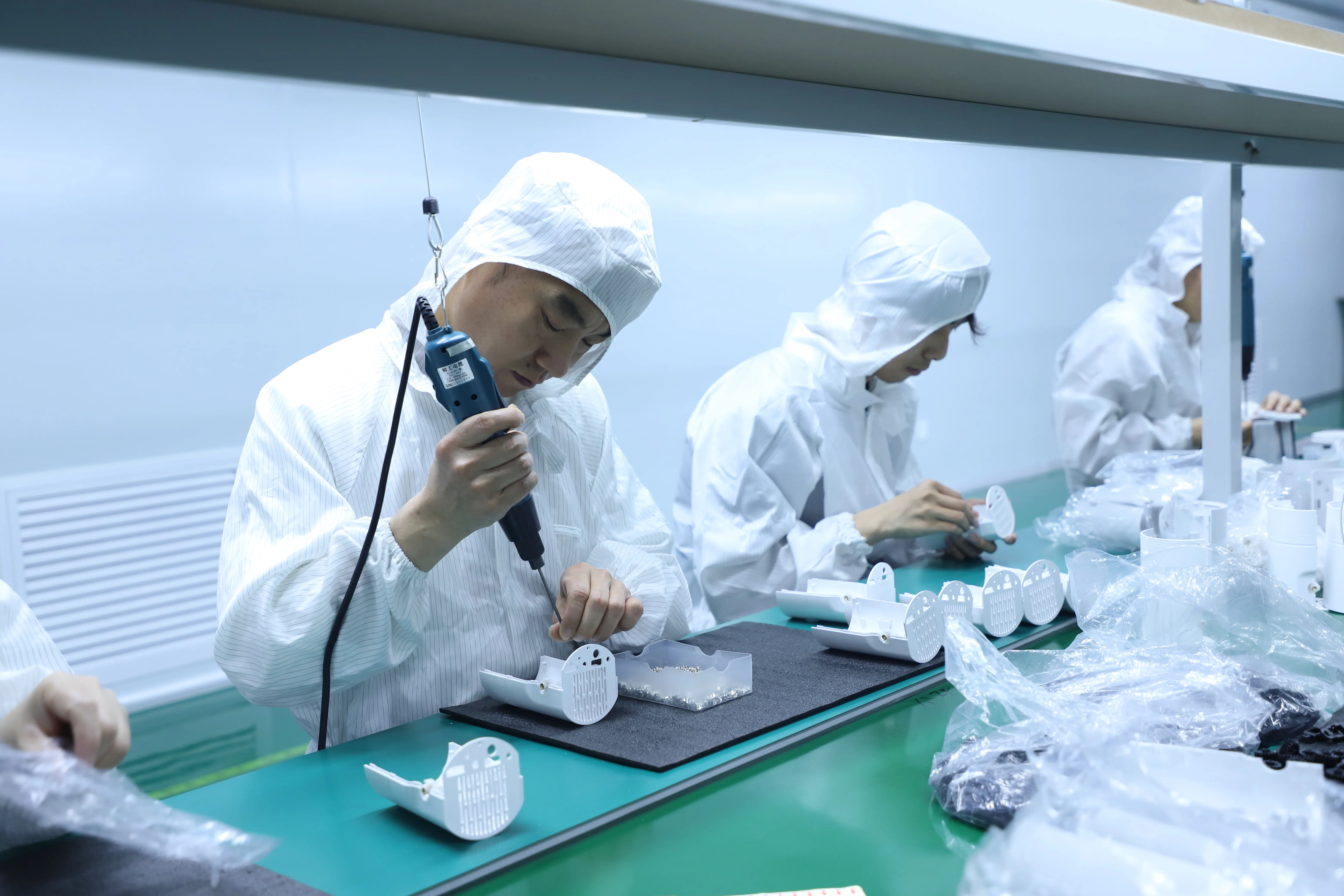
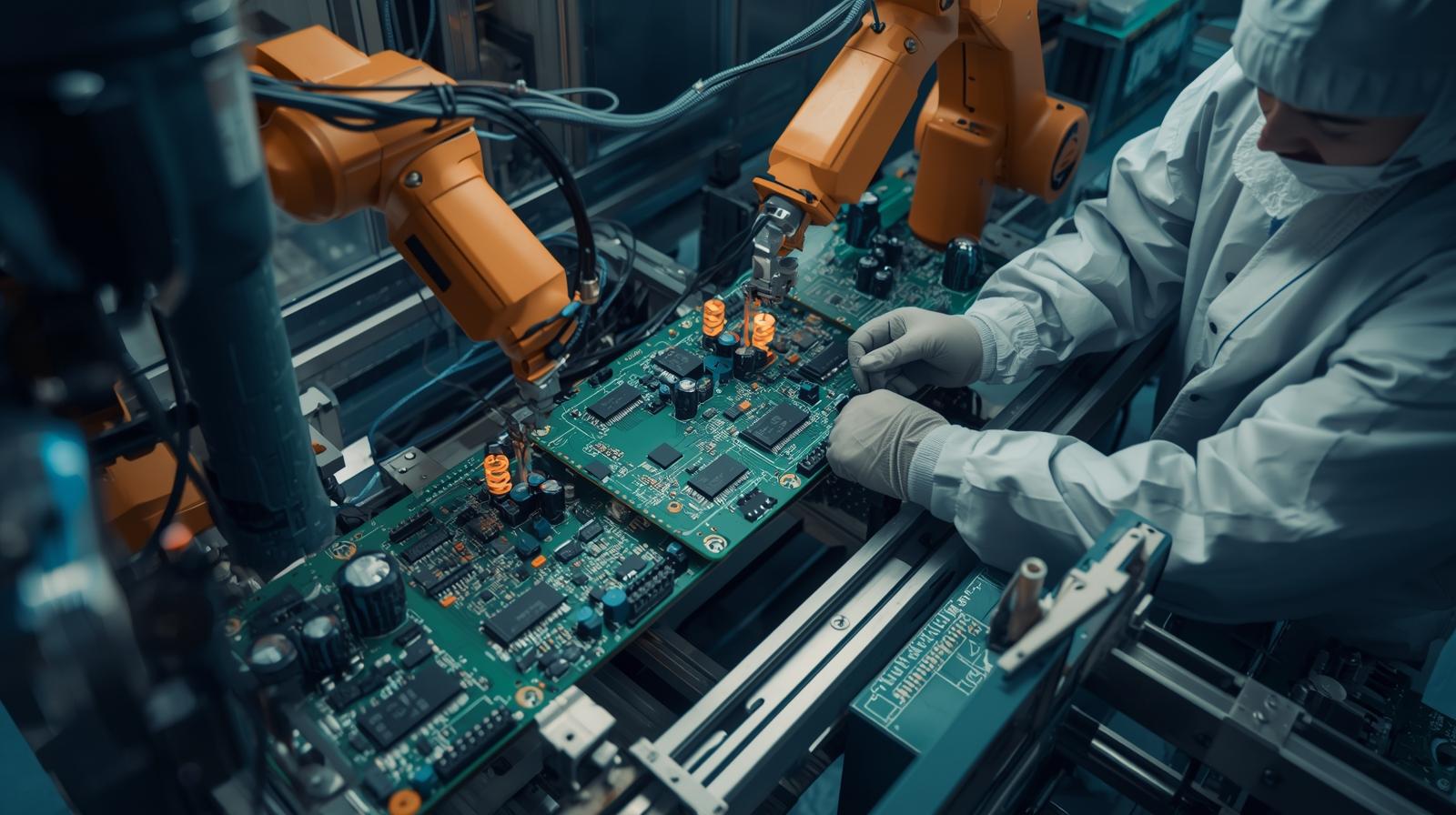
Effective low volume PCBA manufacturing mirrors production logic while maintaining flexibility. Assembly parameters are defined, not improvised, and inspection rules are applied consistently across batches. This approach exposes risks early, while changes remain feasible.
What Defines a Controlled Low-Volume Manufacturing Process
Small-batch production is most valuable when it follows a structured framework rather than ad-hoc execution.
Key characteristics typically include:
-
BOM validation with focus on continuity and alternatives
-
Assembly using production-compatible SMT and mixed processes
-
Stable setup parameters maintained across multiple builds
-
Defined inspection steps applied to every batch
Through this structure, low volume PCBA manufacturing produces insight—not just hardware.
Balancing Cost Control and Manufacturing Discipline
One misconception is that small-batch production must be expensive or inefficient. In reality, disciplined execution often reduces total cost by preventing downstream rework.
By identifying assembly issues, sourcing risks, or layout sensitivities early, low volume PCBA manufacturing helps avoid redesigns during scale-up. The cost of small adjustments at this stage is significantly lower than corrections made after mass production begins.
Inspection and Validation in Small-Batch Production
As production moves beyond prototypes, validation must evolve accordingly. Inspection is no longer about confirmation—it is about consistency.
Low-Volume Production Validation Overview
| Validation Area | Purpose | Value to Decision-Making |
|---|---|---|
| Visual inspection | Verify placement and solder quality | Assembly repeatability |
| Electrical checks | Confirm continuity and power stability | Functional baseline |
| Functional testing | Validate real operation | Performance consistency |
| Batch comparison | Compare results across builds | Process stability |
This validation approach supports confident decisions before scaling.
When Low-Volume Manufacturing Is Most Commonly Used
Small-batch assembly supports a wide range of business scenarios, including:
-
Pilot production for new electronic products
-
Early customer trials and field testing
-
Industrial or customized equipment builds
-
Products with uncertain or staged demand
Across these cases, low volume PCBA manufacturing provides flexibility without sacrificing control.
Preparing for the Transition to Larger Volumes
One of the key benefits of low volume PCBA manufacturing is preparation. When small batches follow production-aligned processes, scaling becomes a continuation rather than a restart.
Component selections, assembly parameters, and inspection logic are already established. As volumes increase, these elements expand naturally instead of being redesigned under pressure.
Frequently Asked Questions
Q1: How many units are typically considered low-volume production?
Low-volume production usually involves small batches that exceed prototype quantities but remain well below mass production levels, often built to validate repeatability and early demand.
Q2: Is low-volume manufacturing suitable for commercial deployment?
Yes. Many products are launched in limited quantities to test markets, support early customers, or validate long-term performance before scaling.
Q3: What is the biggest risk of skipping the low-volume stage?
Moving directly from prototype to mass production can hide repeatability and sourcing issues, leading to costly corrections later.
Why Low-Volume Production Creates Long-Term Stability
Low volume PCBA manufacturing is not a compromise between speed and scale. It is a strategic phase that converts early validation into manufacturing confidence. By controlling risk, stabilizing processes, and revealing real-world behavior, small-batch production lays the foundation for reliable growth.
To discuss low-volume production requirements or next-stage manufacturing support, visit www.hcdpcba.com or contact the team directly via:
👉 https://www.hcdpcba.com/contact-us