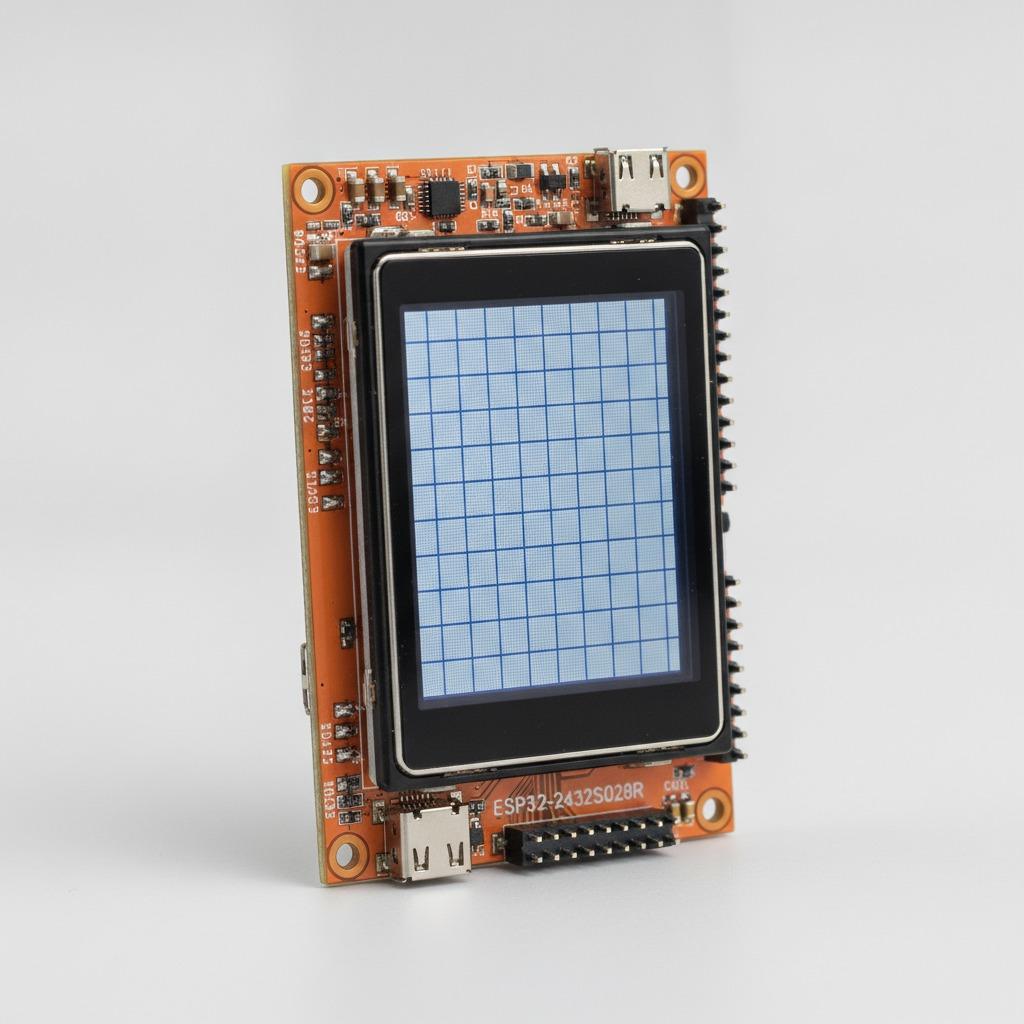
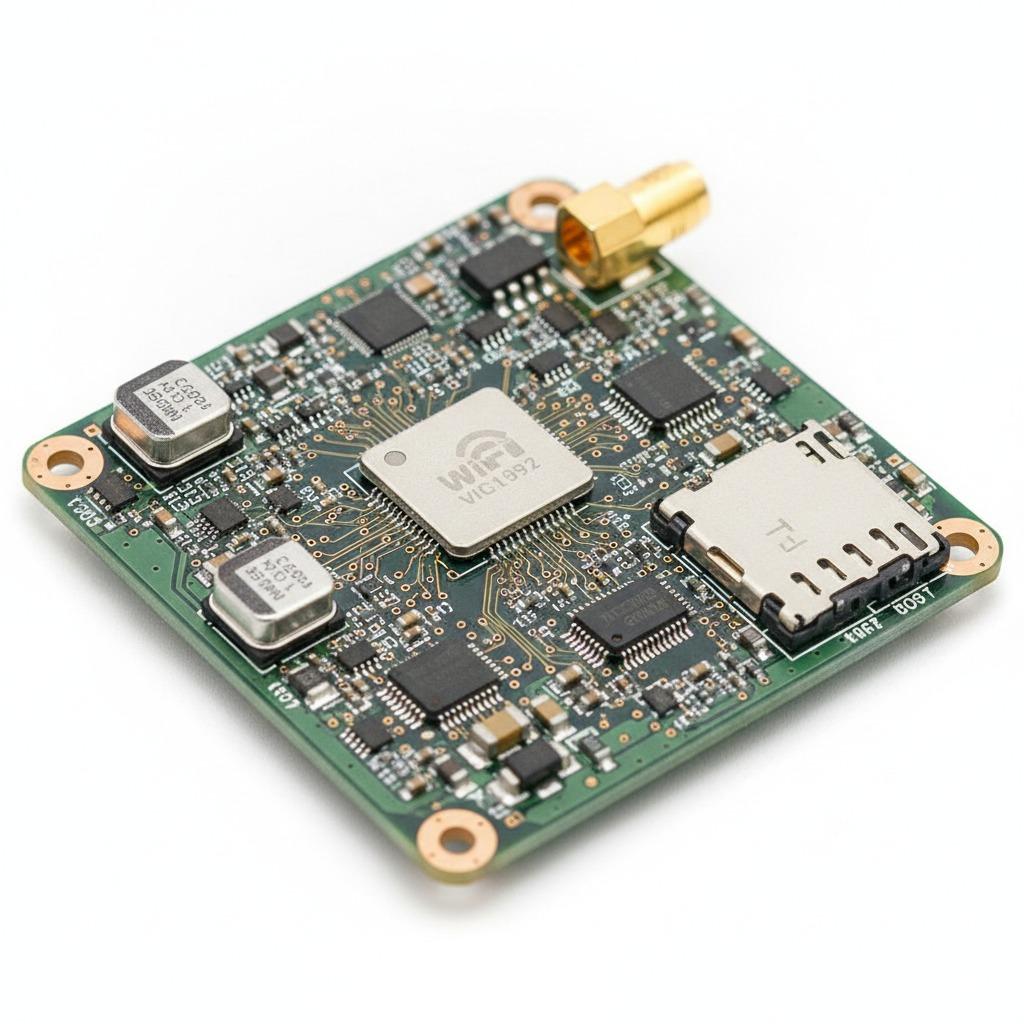
Why tactical electronics put unusual pressure on the circuit board
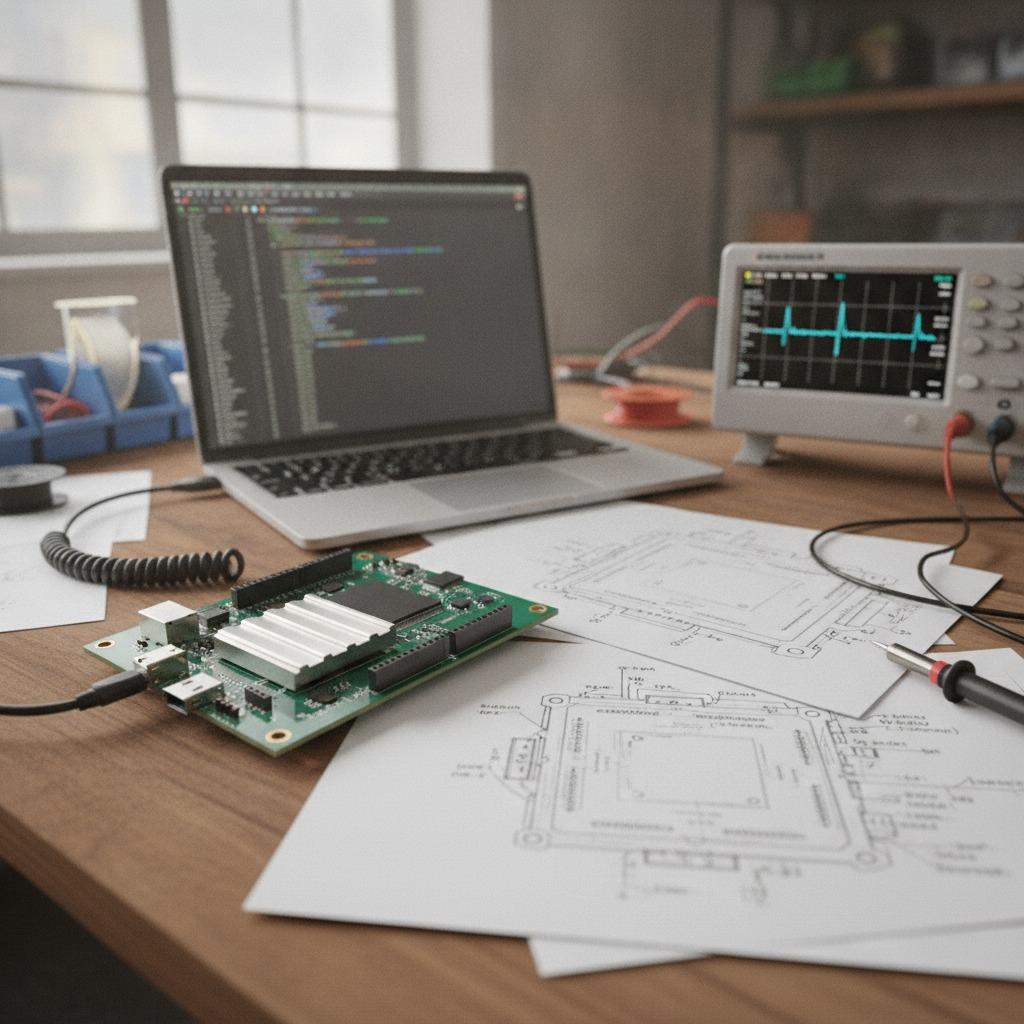
A tactical equipment circuit board has a harder life than most people outside the product team realize. It may sit behind a rugged housing, but inside it still has to survive vibration, heat swings, battery noise, cramped enclosure design, and the occasional ugly surprise from the field. For engineers and sourcing managers, the real question is not whether the board can function on the bench. It is whether it will keep functioning when the device is carried, mounted, dropped, powered up in cold air, and expected to deliver a clear signal without hesitation.
That is why buying or developing this kind of assembly is less about “finding a PCB supplier” and more about matching the board architecture to the job. A night vision scope circuit board is not the same as an LED torch driver PCBA, and neither should be treated like a generic consumer gadget board. The electronics may be small, but the design decisions are not. Power stability, EMI behavior, thermal control, and assembly quality matter in a way that only becomes obvious after the first field complaint.
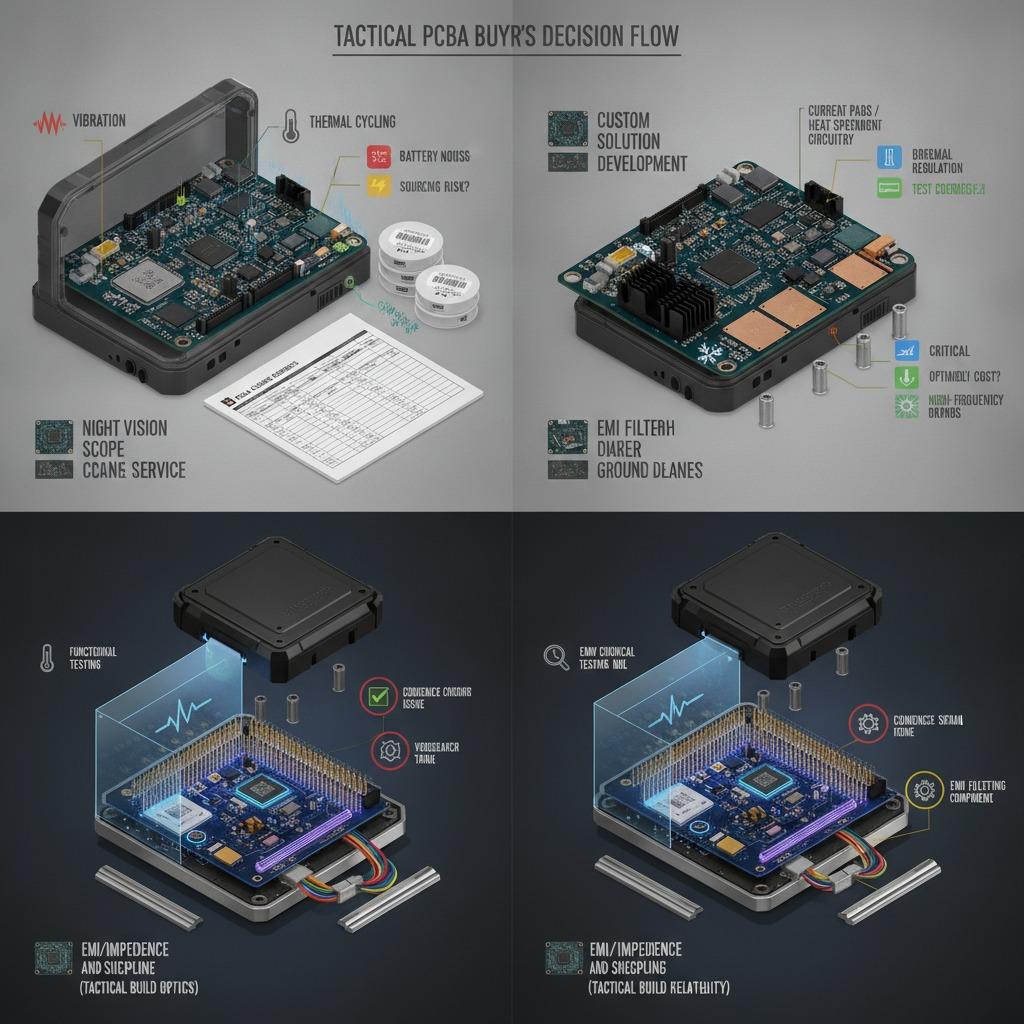
What buyers usually need to decide first
Most teams are trying to answer one of three questions: should we clone an existing board, develop a new custom assembly, or refine an old design for manufacturability? A pcba clone service can be useful when the original design is proven and the business needs a compatible replacement or a faster route to production. But cloning is not a shortcut for understanding performance limits, and it is rarely wise if the product has unresolved reliability issues or hidden sourcing risks.
By contrast, custom pcba solution development makes sense when the tactical product has new mechanical constraints, tighter power budgets, or a different sensor, display, or light source. That is often the case in compact field equipment, where every connector, pad, and mounting point seems to compete for the same few millimeters of board space.
Typical board functions in tactical equipment
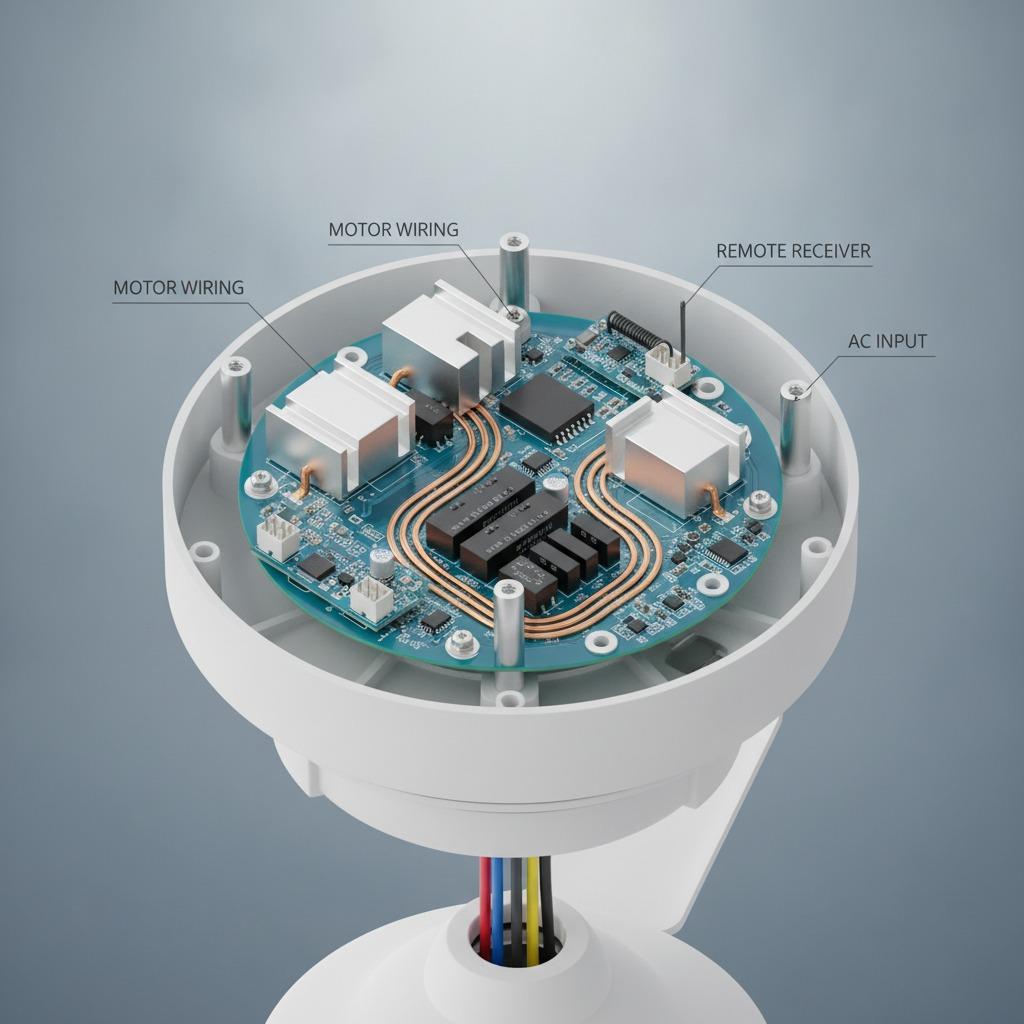
Although the exact circuit varies, tactical assemblies often handle a few familiar jobs: power regulation, switch control, sensor input, illumination management, display or sighting functions, and interface communication. In a night vision scope circuit board, for example, low-noise behavior and stable power delivery are especially important because image quality can be hurt by small electrical disturbances that a casual observer would never notice.
An LED torch driver PCBA, meanwhile, is usually judged by a different set of expectations. It needs efficient current control, decent thermal handling, and predictable brightness behavior across the battery’s discharge curve. If the driver runs hot or the light output jumps around, the user notices immediately. In field gear, “good enough” usually does not stay good enough for long.
Where hcdpcba fits in the build process
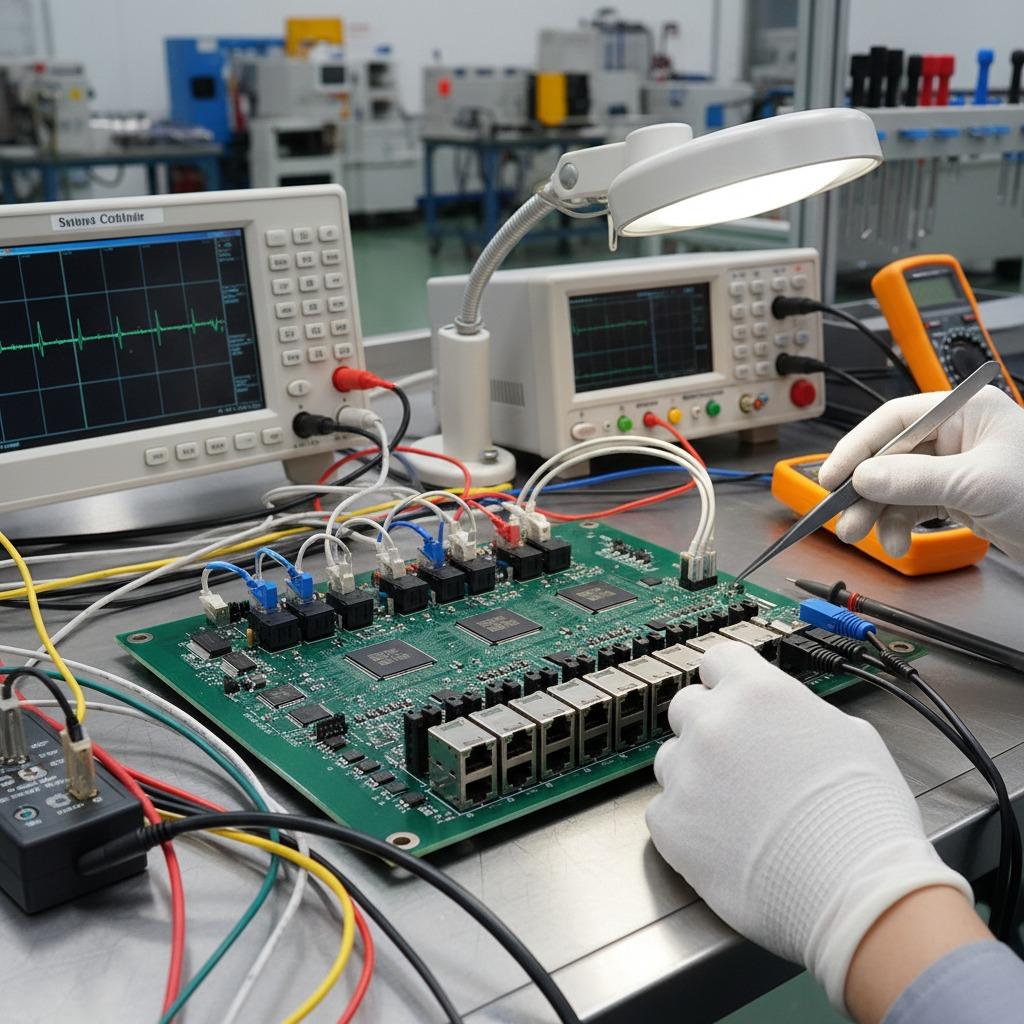
hcdpcba focuses on SMT assembly, PCB prototyping, multilayer boards, HDI boards, and high-frequency boards, along with component sourcing, assembly, testing, and DFMA support. That combination matters for tactical hardware because the job rarely ends at solder paste and pick-and-place. A board may need careful layout review, a practical assembly plan, and test steps that catch issues before the unit ever leaves production.
The company also supports OEM and ODM work, which is useful when a sourcing team needs more than a bare assembly house. For products aimed at industrial control, security, IoT, automotive electronics, medical devices, and similar demanding sectors, that broader manufacturing scope can simplify the transition from prototype to repeatable production. The important part, from a buyer’s perspective, is not the label on the service. It is whether the supplier can handle the board’s geometry, component mix, and inspection discipline without turning every change into a new delay.
Selection criteria that actually matter
For tactical boards, the first filter is electrical fit. Does the design manage battery input cleanly? Can it tolerate transient behavior? Does it need high-frequency material choices or tighter impedance control? The second filter is mechanical reality. Boards in compact gear often suffer from connector strain, poor mounting support, or assembly interference that only becomes clear after the first enclosure build.
Then comes manufacturing practicality. A design that looks elegant in CAD can become fragile on the line if component availability is uneven or the pad design is unforgiving. This is where DFMA services earn their keep. A board that is slightly easier to place, inspect, and rework is often the board that makes it to production with fewer surprises. That is not a glamorous point, but it saves real money.
Common mistakes that slow tactical projects
One common mistake is treating the assembly as a commodity item and specifying only the basic board outline. Another is assuming that a successful prototype automatically scales without adjustment. Field equipment often exposes weak solder joints, marginal thermal paths, and connector problems that never appeared in a short bench test.
Teams also sometimes over-focus on the headline electronics and under-specify the boring parts: labeling, revision control, inspection records, or packaging that protects delicate assemblies in transit. Those details are not decorative. They are part of whether a tactical equipment circuit board arrives ready for use or arrives as a troubleshooting exercise.
Practical buyer advice before you request a quote
Send the supplier the full set of files you actually trust: Gerbers, BOM, assembly drawings, and any notes on testing or special handling. If you have an existing board, mark which behavior must be preserved and which can be improved. If you are comparing a clone path with a custom pcba solution development path, be explicit about what matters more: compatibility, cost control, design cleanup, or future scalability.
It also helps to ask early about component sourcing, test coverage, and whether the design needs a DFMA review. A short conversation up front can prevent a long one later, especially when the product has optical, lighting, or high-frequency elements that do not tolerate casual assumptions.
FAQ: quick answers for sourcing teams
Is cloning always faster?
Not always. If the original board is poorly documented or contains obsolete parts, a pcba clone service may still require redesign work behind the scenes.
When should I choose a custom build?
Choose custom development when the product needs better power efficiency, a different mechanical fit, or a cleaner path to long-term production.
What should I watch for in tactical assemblies?
Pay attention to thermal behavior, vibration sensitivity, part availability, and the quality of assembly and test. Those are the trouble spots that tend to surface first.
Next step for engineering and sourcing teams
If you are preparing a tactical equipment board for prototype or production, the safest move is to treat the PCB as part of the product system, not a standalone item. Share the use case, the enclosure constraints, and the expected operating environment before the first build begins. For teams looking for SMT assembly, PCB prototyping, component sourcing, and practical DFMA support, hcdpcba can be a reasonable place to start the conversation. The right question is not just “Can you build it?” but “Can you build it in a way that still works after the product leaves the lab?”