Why Industrial Transmitter PCBA projects fail in the field
An Industrial Transmitter PCBA is one of those assemblies that looks straightforward on the bench and then turns difficult the moment it meets a plant floor, a wet well, a pump station, or a noisy control cabinet. The circuit has to read a signal accurately, survive electrical and mechanical abuse, and keep doing it for years. That is a very different job from making a demo board light up.
For sourcing managers and engineers, the real question is not just whether the board can be built. It is whether the board can be built consistently, tested properly, and integrated into a transmitter product without creating field returns. That is where design-for-manufacture, component sourcing, and test strategy start to matter as much as the schematic.
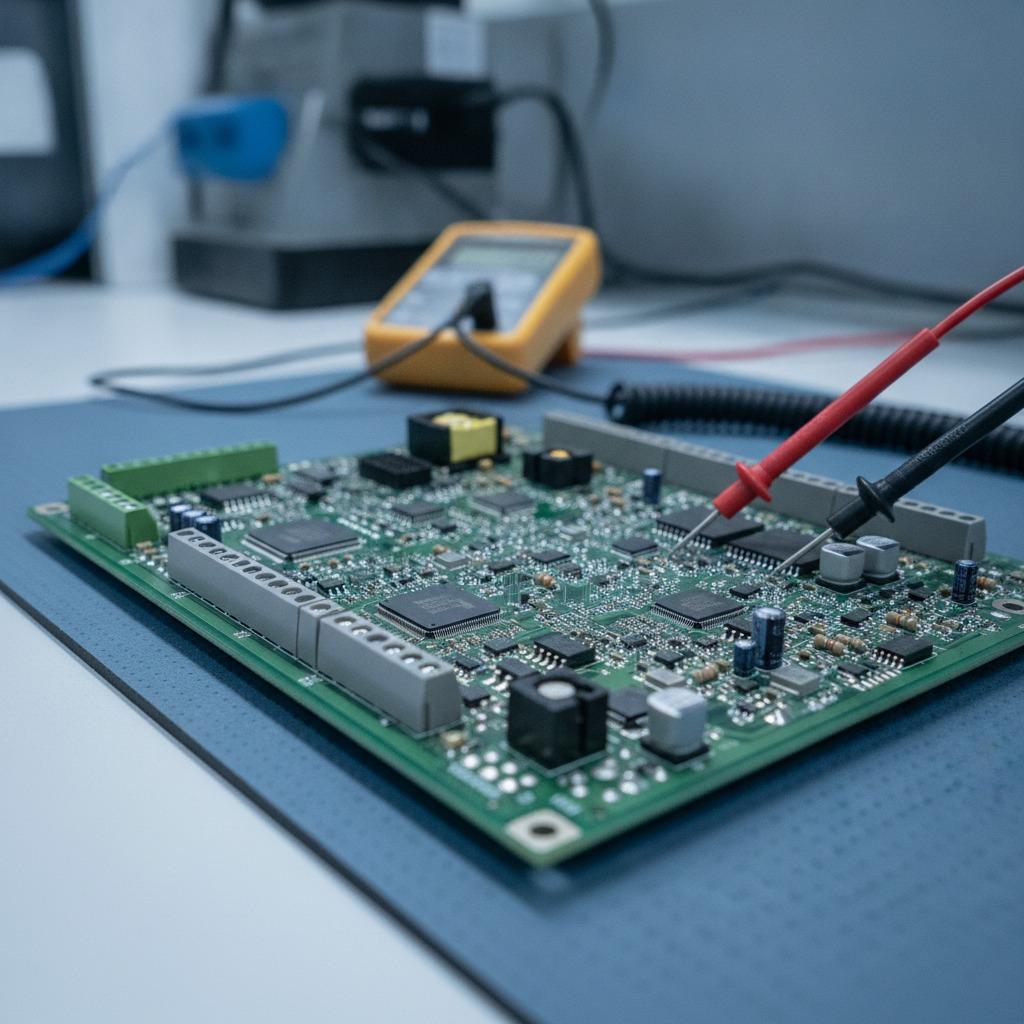
What this board has to do in practical terms
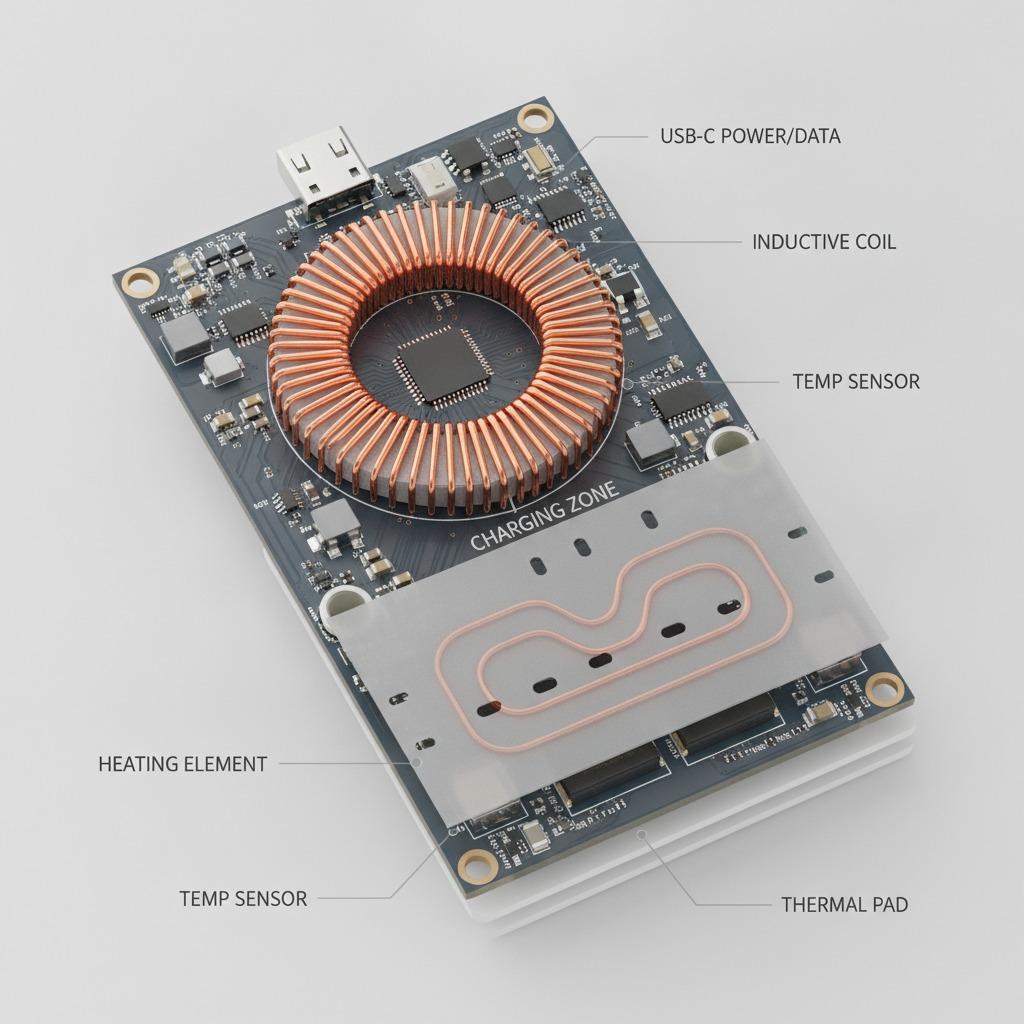
Industrial transmitter products often sit between a sensing element and the control system. The PCB may handle amplification, signal conditioning, isolation, display driving, communication, and power regulation. In some builds, the board also supports an LCD interface, which is where an LCD Display Sensor PCBA approach becomes relevant. In others, the design centers on a rugged measurement front end, sometimes seen in products described as an 2088 Transmitter Circuit Board or similar transmitter platform.
The exact function depends on the application, but the common expectations are familiar: stable output, noise resistance, reliable solder joints, and enough thermal margin to avoid drift. A board used as an Industrial Circuit Board in this category should not be treated like a consumer gadget PCB. Layout discipline and process control are doing real work here.
Key features buyers should compare before placing an order
Not every supplier will tell the story the same way, so it helps to compare the practical features that affect performance.
1. Board complexity and stack-up
Industrial transmitter assemblies may use multilayer boards, and in some cases HDI or high-frequency structures depending on the communication and sensing needs. If the design needs cleaner signal paths or tighter routing density, the fabrication method matters early, not after samples fail.
2. Sourcing and authenticity of components
Counterfeit or substituted parts can break calibration, slow startup, or change analog behavior in ways that are hard to trace later. A reliable sourcing process is not a bonus; it is part of the product specification.
3. Test coverage
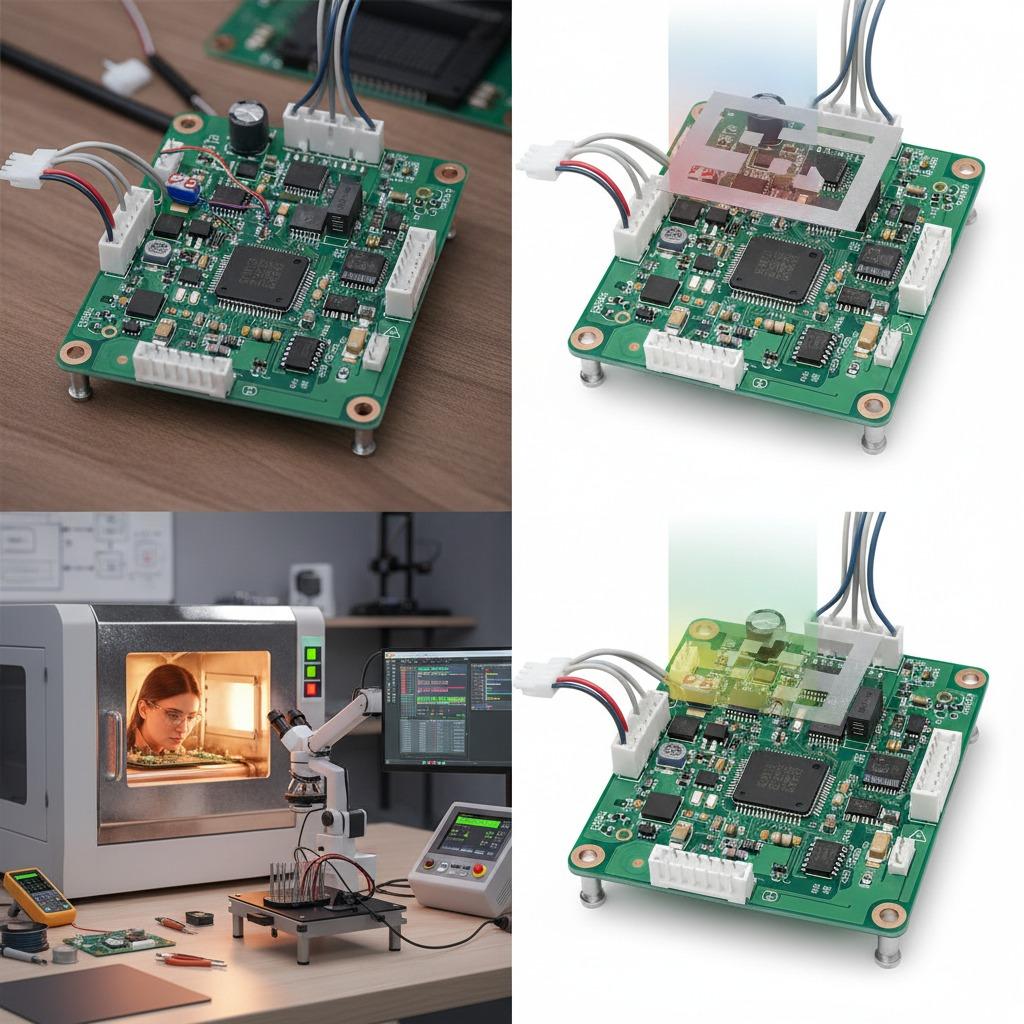
For transmitter products, basic power-on tests are not enough. Buyers should ask what electrical testing is performed, whether functional test fixtures are used, and how failures are tracked. hcdpcba lists testing as part of its assembly service, which is the right direction, though the exact test depth still needs to be matched to the product.
Where hcdpcba fits into the manufacturing picture
hcdpcba positions itself around SMT assembly, PCB prototyping, component procurement, assembly, testing, and DFMA support. That combination is useful for transmitter programs because these projects often move from prototype to pilot production with awkward changes in between. A supplier that can handle PCB prototyping, assembly, and practical manufacturability feedback under one roof can reduce handoff errors.
The company also mentions OEM and ODM services, which may suit teams that need either contract manufacturing or a more complete product build path. That is especially relevant for industrial sensor products, where the PCB is only one piece of the final assembly and the enclosure, labeling, and calibration workflow can be just as important.
Common mistakes that create costly rework
One recurring mistake is assuming that a transmitter board that passes bench test will survive a real installation without further attention. Cable routing, grounding, enclosure heat, and moisture exposure can all change performance. Another is underestimating how much effort is needed to keep the analog front end quiet when the board shares space with switching regulators or display circuitry.
There is also a purchasing trap: choosing a supplier only on piece price, then discovering that the project needs extra engineering support, extra test setup, or component rework later. For industrial sensor products, the cheapest quote can become the most expensive program.
Practical buyer advice for engineering and sourcing teams
If you are sourcing an Industrial Sensor Motherboard or transmitter PCB, start with the manufacturing questions, not the sales promises. Ask how the supplier handles PCB type selection, component sourcing, SMT placement, inspection, and post-assembly test. Ask whether the team can support DFMA review before mass production. Those questions reveal whether the supplier understands production reality or only shipment volume.
It also helps to align the documentation early: BOM control, revision management, test requirements, and packaging expectations. Small omissions here tend to show up later as delays, not as neat technical problems.
When a custom PCBA is the better route
If the transmitter is part of a broader industrial product strategy, a custom PCBA is usually better than adapting a generic board. The reason is simple: industrial systems rarely fail for one dramatic reason. They fail through a stack of minor compromises. A custom board lets the engineer tune signal integrity, footprint choices, connector placement, and test access around the actual use case.
That is why contract manufacturing support matters. The right partner should be able to build, test, and refine the assembly without forcing the design into an awkward standard form.
FAQ: short answers buyers usually need
Can transmitter boards be built in small batches first?
Yes. Small-batch SMT and prototype PCB assembly are often the smartest way to validate function before scaling.
Do all industrial transmitter boards need the same process?
No. Sensor front ends, display-equipped boards, and communication-heavy designs can require different fabrication and test approaches.
What should I send a manufacturer first?
A schematic, BOM, Gerbers or source files, key test requirements, and any constraints on enclosure or installation. If you have failure history, include that too; it saves time.
Next step for teams evaluating suppliers
For teams working on Industrial Transmitter PCBA, the safest route is usually to start with a manufacturability review and a small pilot run before committing to volume. If you need assembly, component sourcing, testing, or DFMA support for industrial electronics, hcdpcba is set up around those services. A direct discussion with the engineering contact is often the fastest way to judge whether the board can be built the way your product actually needs it built.
Phone: +86 18924624188