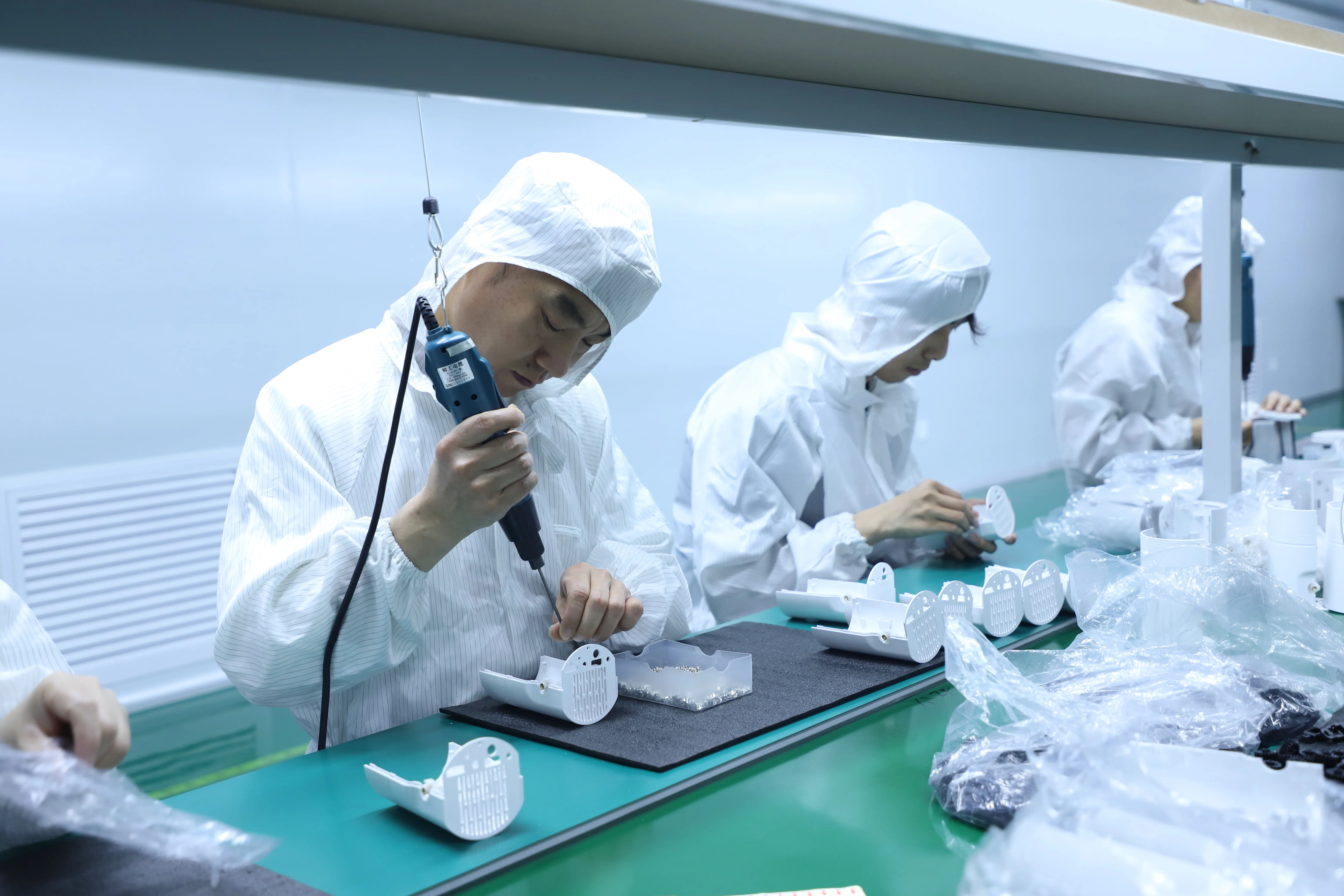
Why camera electronics projects live or die on the assembly line
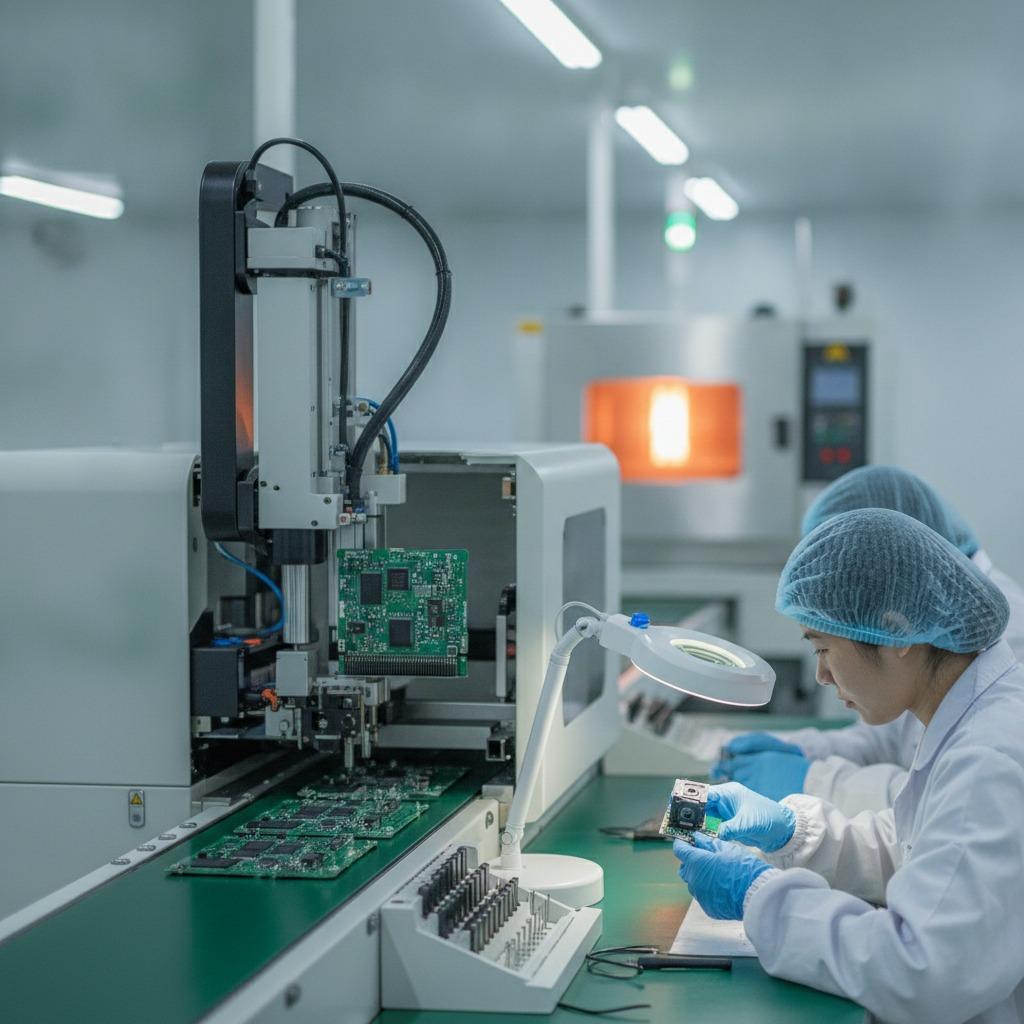
When engineers or sourcing teams compare an smt pcb assembly service, they are usually not shopping for solder paste and placement alone. They are deciding whether a camera product will behave consistently in the field, survive handling during production, and still meet the image performance the design team expected on paper. That matters most in camera boards, where a slightly crooked connector, a weak solder joint, or a contaminated board surface can show up later as unstable video, poor power behavior, or noisy images that are hard to trace back.
For buyers working on oem odm camera pcba projects, the real question is less “Can this board be built?” and more “Can it be built repeatably, with the right controls around sourcing, assembly, and test?” That is especially true for camera products used in industrial vision, USB devices, or low-light systems, where the PCB is only one part of a much tighter performance chain.
What a good camera PCB assembly partner should cover
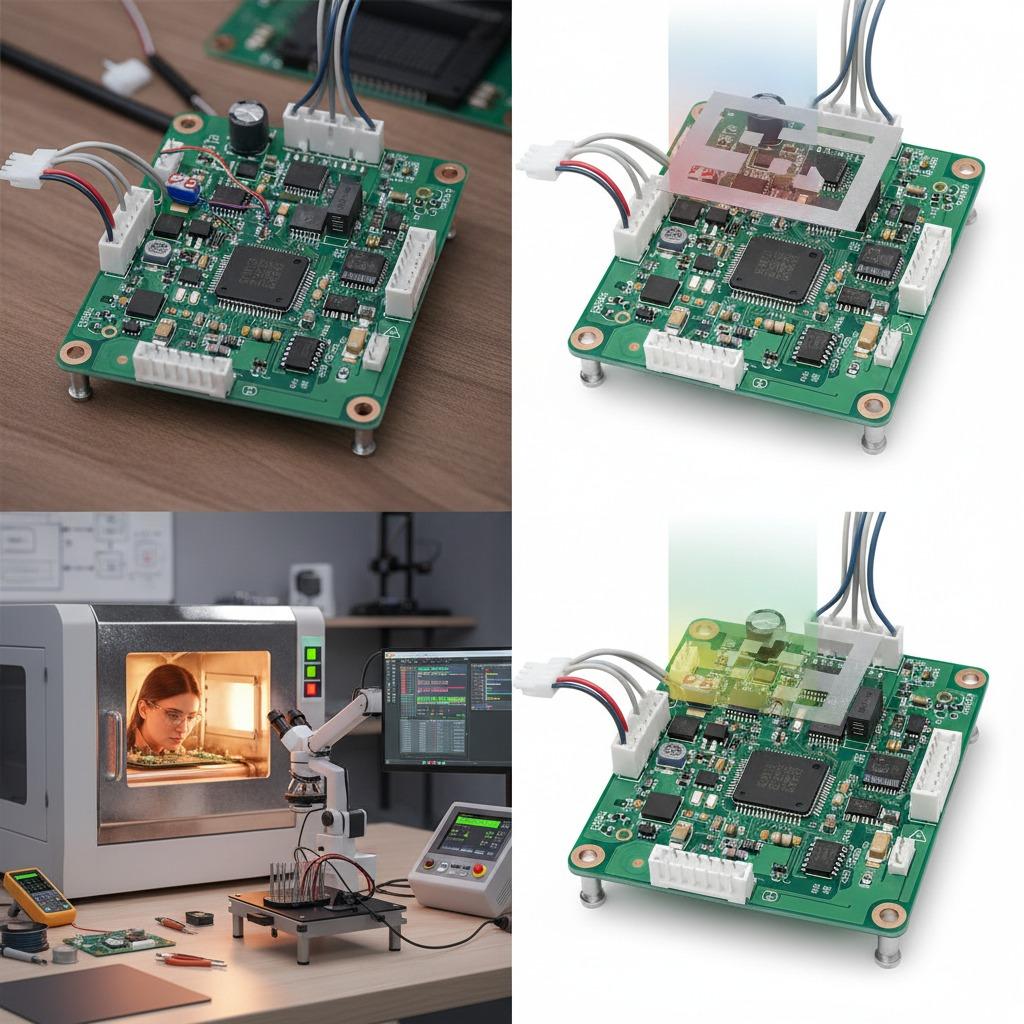
A capable assembly house does more than mount parts. In practice, the useful scope usually includes PCB fabrication support, SMT placement, component sourcing, board assembly, and electrical or functional testing. HCDPCBA describes that kind of service stack clearly: PCB prototyping, SMT assembly, sourcing, assembly, testing, and DFMA support, along with OEM and ODM work.
That combination is valuable because camera boards often need a few things at once: clean signal routing, stable power delivery, compact component placement, and a process that does not create hidden defects. If the supplier can help with design-for-manufacturability early, the assembly stage tends to go more smoothly. A board that is easier to build is also usually easier to inspect and debug, which sounds obvious until a project slips three weeks over a preventable rework issue.
Common camera board types and where they differ
Camera products are not all assembled the same way, even when they look similar from the outside.
Industrial vision camera PCB assembly
An industrial vision camera pcb assembly typically needs careful attention to consistency and reliability. These boards may sit in factory environments, run for long periods, or connect to machine systems where downtime is expensive. Assembly discipline matters here: stable solder joints, controlled component placement, and a testing flow that catches intermittent faults before shipment.
UVC USB camera PCBA
A uvc usb camera pcba usually brings interface stability to the front of the conversation. USB camera products can be deceptively simple; the board still has to manage power, data integrity, and mechanical fit inside a compact housing. Poor assembly often shows up as connection problems, enumeration issues, or flaky behavior that users blame on the software first.
IR night vision camera PCBA
An ir night vision camera pcba adds another layer of sensitivity. Low-light systems depend on clean electronics and dependable assembly because the optical side leaves less room for electrical noise, heat issues, or power instability. If the board supports IR illumination or related control functions, the assembly process should respect both the electrical load and the thermal picture.
Selection criteria that actually matter
Most buyers start with price and lead time, but those two numbers rarely tell the whole story. For camera PCBA work, a better checklist is more practical:
The supplier should be able to handle small-batch and larger-volume SMT runs without changing the quality mindset.
They should support sourcing, not just placement, because component authenticity and consistency can affect the finished board.
They should offer testing, not only visual inspection, since camera boards often fail in ways that are not visible.
They should be comfortable with multi-layer boards, HDI boards, and high-frequency boards when the design calls for them.
They should speak clearly about DFMA feedback, especially if the product is still being refined.
HCDPCBA positions itself around exactly those kinds of services, including no engineering fee for SMT assembly and support for industries such as industrial control, medical, automotive electronics, security, IoT, communications, and smart home products. That breadth can be useful, though buyers should still ask project-specific questions rather than assume every board behaves the same.
Where projects usually go wrong
A few mistakes repeat across camera programs. One is underestimating how much the assembly process influences final image-module behavior. Another is treating sourcing as a side task when it should be part of quality control from the beginning. A third is skipping early DFMA review, then discovering too late that a connector footprint, component height, or board stack-up makes assembly awkward.
There is also a quieter problem: teams sometimes optimize for the first sample instead of the production run. The first boards may look fine, but if the process is not stable, the second and third batches can drift. That is where a disciplined smt pcb assembly service earns its keep.
What to ask before you place the order
Ask how the supplier handles incoming parts and whether they can support component procurement when needed. Ask what test coverage is available and whether the board will be checked before shipment. Ask whether the factory can support both prototype PCB work and production assembly, because camera programs often move quickly from one stage to the next.
If the board is for a specialized imaging product, ask whether the team has handled related builds such as industrial camera modules, USB camera boards, or low-light systems. The goal is not to demand a perfect match from every supplier, but to see whether they understand the practical issues that show up in camera electronics.
A practical next step for buyers
If you are planning a new camera board, start with the assembly partner’s process, not just its quote. A reliable supplier should be able to discuss PCB fabrication, SMT placement, sourcing, testing, and manufacturability feedback in one conversation. HCDPCBA offers that kind of one-stop support and can be reached at +86 18924624188 for project discussion.
For sourcing managers, that kind of call is often where the real decision gets made: not on the headline price, but on whether the team can build your board cleanly the first time and keep it stable when volume grows.