Why coffee machine PCBA failures turn into production problems
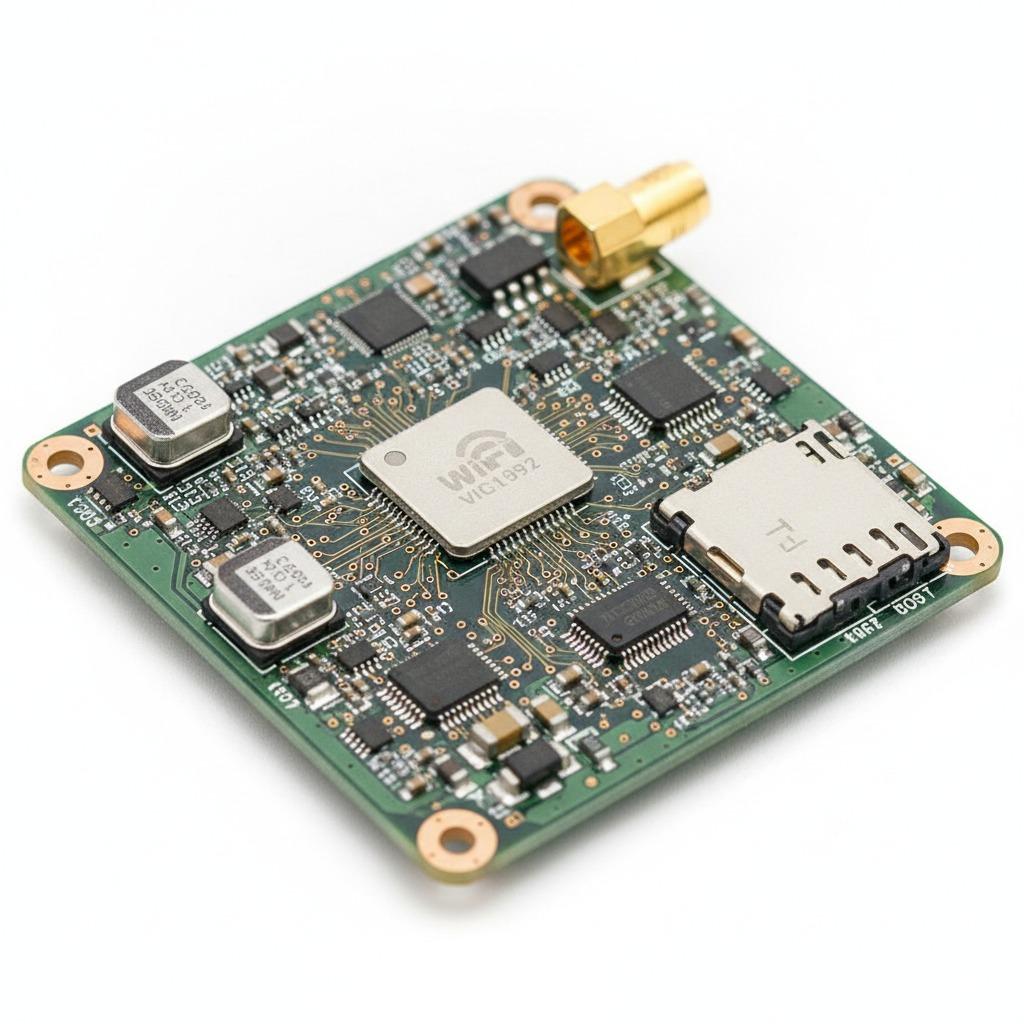
A coffee machine PCBA is not just another control board with a few relays and an MCU on it. In a commercial brewer, it sits at the center of heating, pumping, sensing, dosing, and user interaction. When that board is underspecified, poorly assembled, or rushed through validation, the result is rarely subtle: inconsistent brew cycles, dead buttons, unstable heating, display glitches, or a machine that works on the bench and fails after a few weeks in the field.
That is why sourcing teams and product engineers tend to look at the control electronics as a risk item, not a commodity. The board has to survive moisture, vibration, electrical noise, thermal cycling, and long service intervals. It also has to support the actual user experience. A commercial machine with a weak control board can make a brand look unreliable fast, even if the mechanical hardware is sound.
What a coffee machine PCB assembly usually has to handle
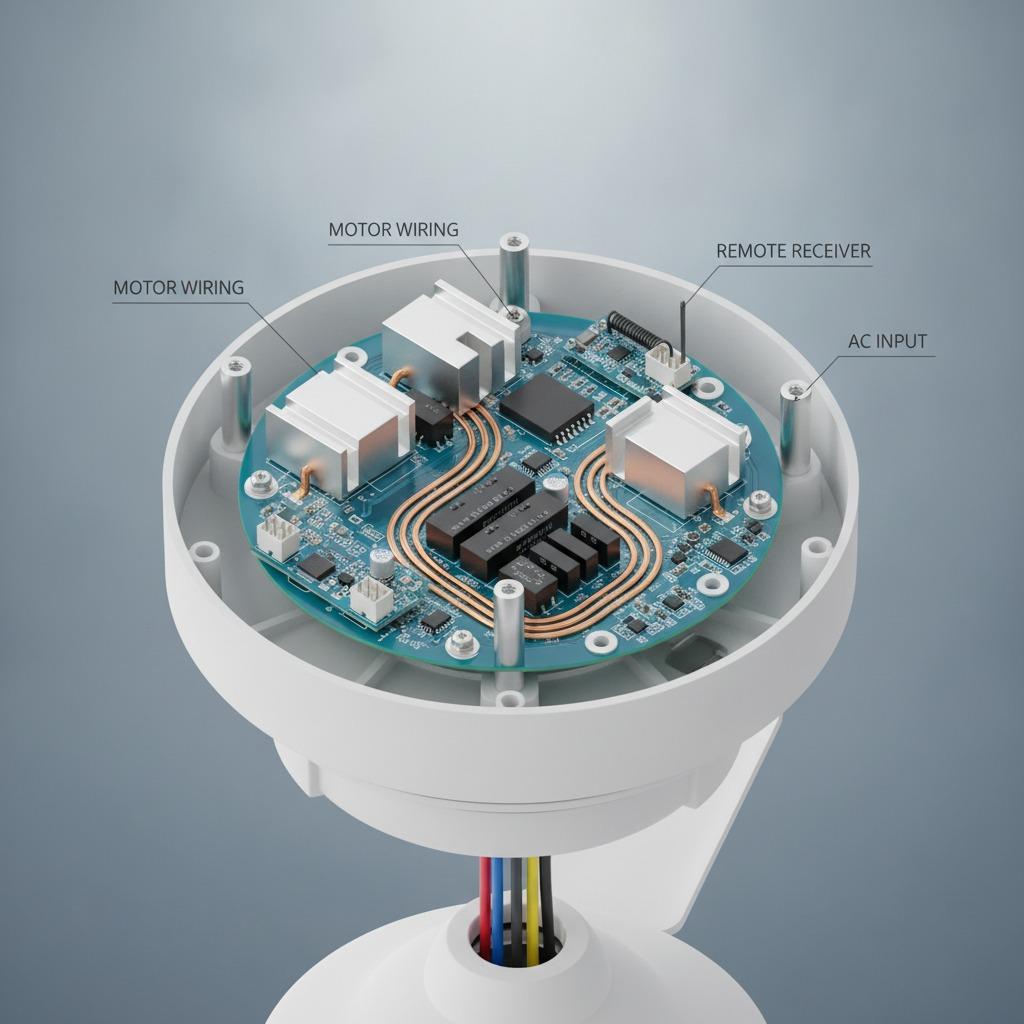
The exact architecture depends on the product class, but a typical coffee machine PCBA may manage a mix of power switching, sensor input, UI control, and communications. In practical terms, that means coordinating pumps, heaters, valves, grinders, water level sensing, temperature feedback, door or tray switches, and display logic.
For a consumer machine, the board might be simpler. For an espresso machine control board, the layout often becomes more demanding because temperature stability and timing matter more. For a connected appliance, the smart coffee machine circuit board may also need support for wireless features, app communication, or more advanced user settings. In vending equipment, the automatic coffee vending machine PCB usually has to tolerate heavier duty cycles and stricter uptime expectations.
Where display integration changes the design
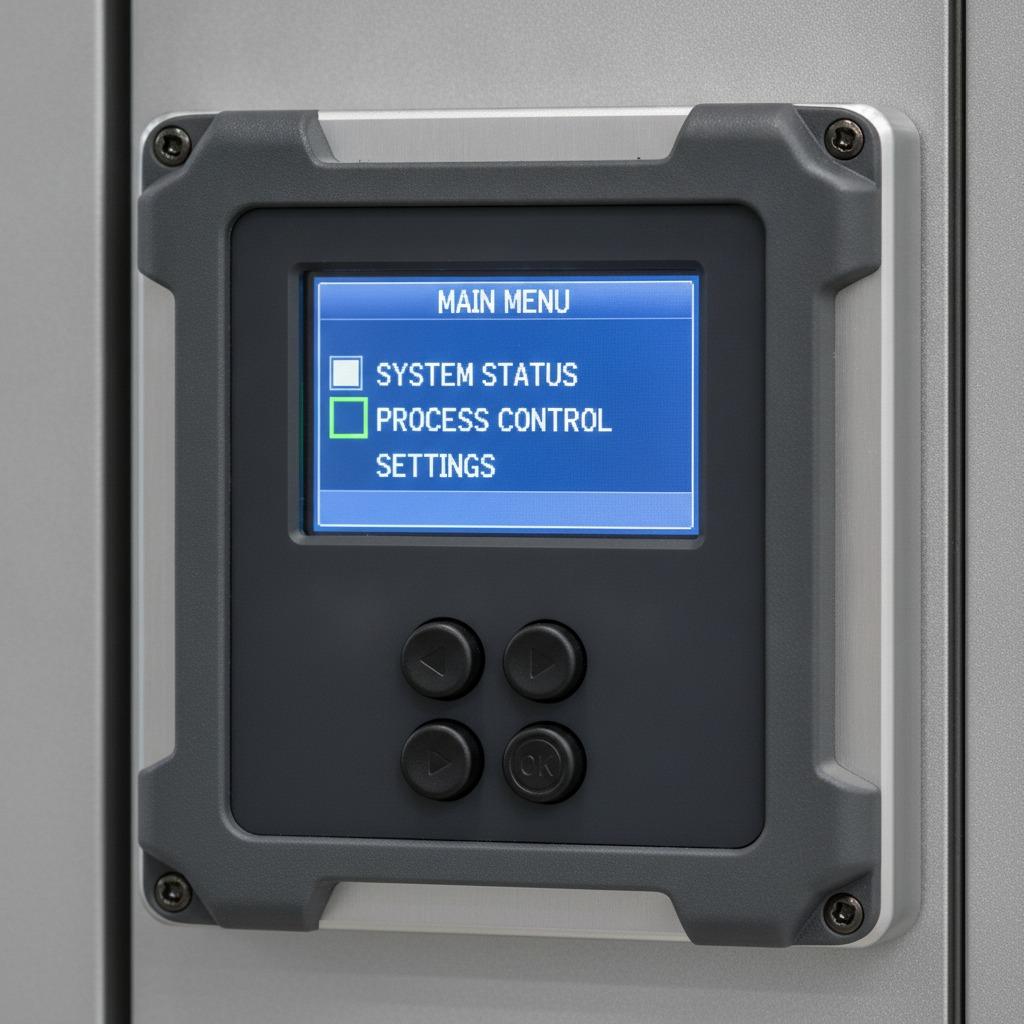
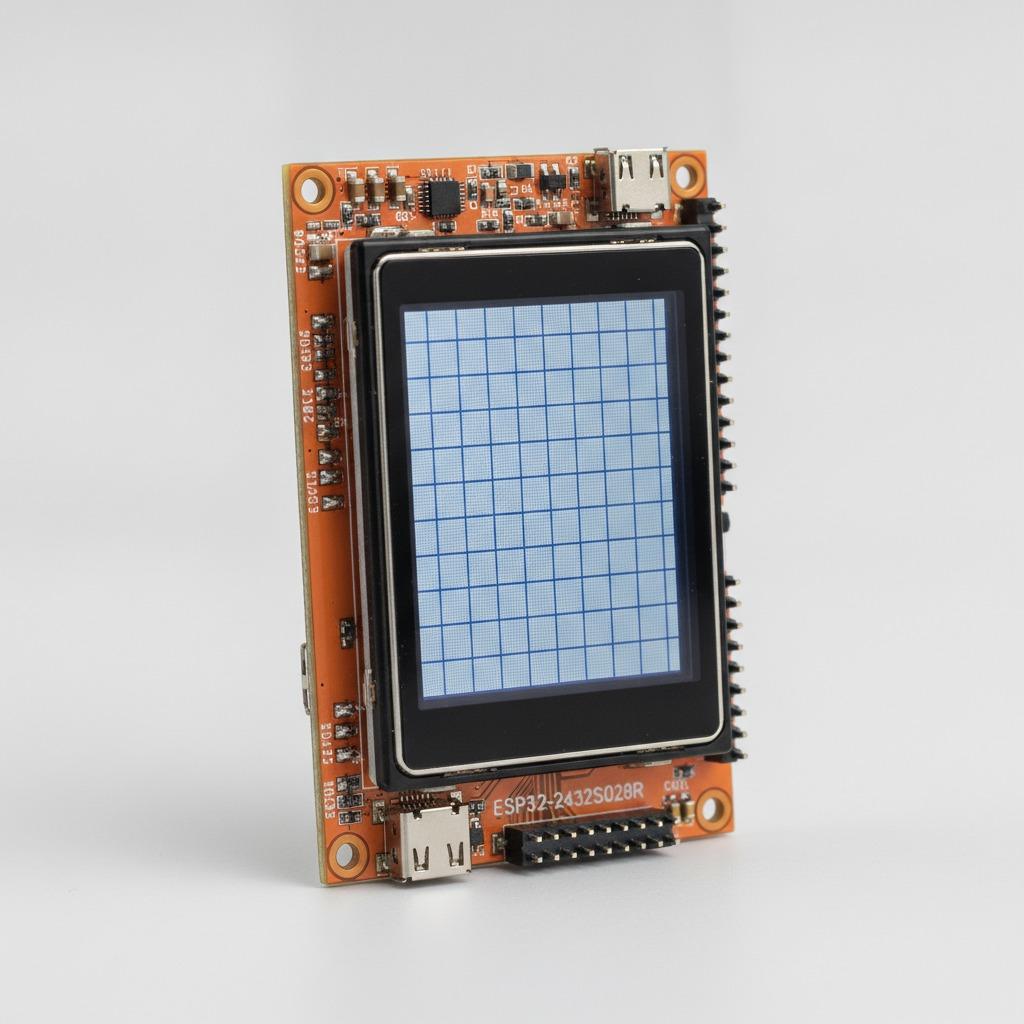
Once a TFT screen coffee maker motherboard is involved, the PCB layout has to account for signal integrity, connector placement, grounding, and serviceability. The display may look like a cosmetic feature, but it often drives the whole user flow. If the interface is laggy or noisy, people assume the machine itself is faulty.
Key design and manufacturing points buyers should care about
The buying mistake I see most often is treating the board as if only the component list matters. In reality, the manufacturing method is just as important.
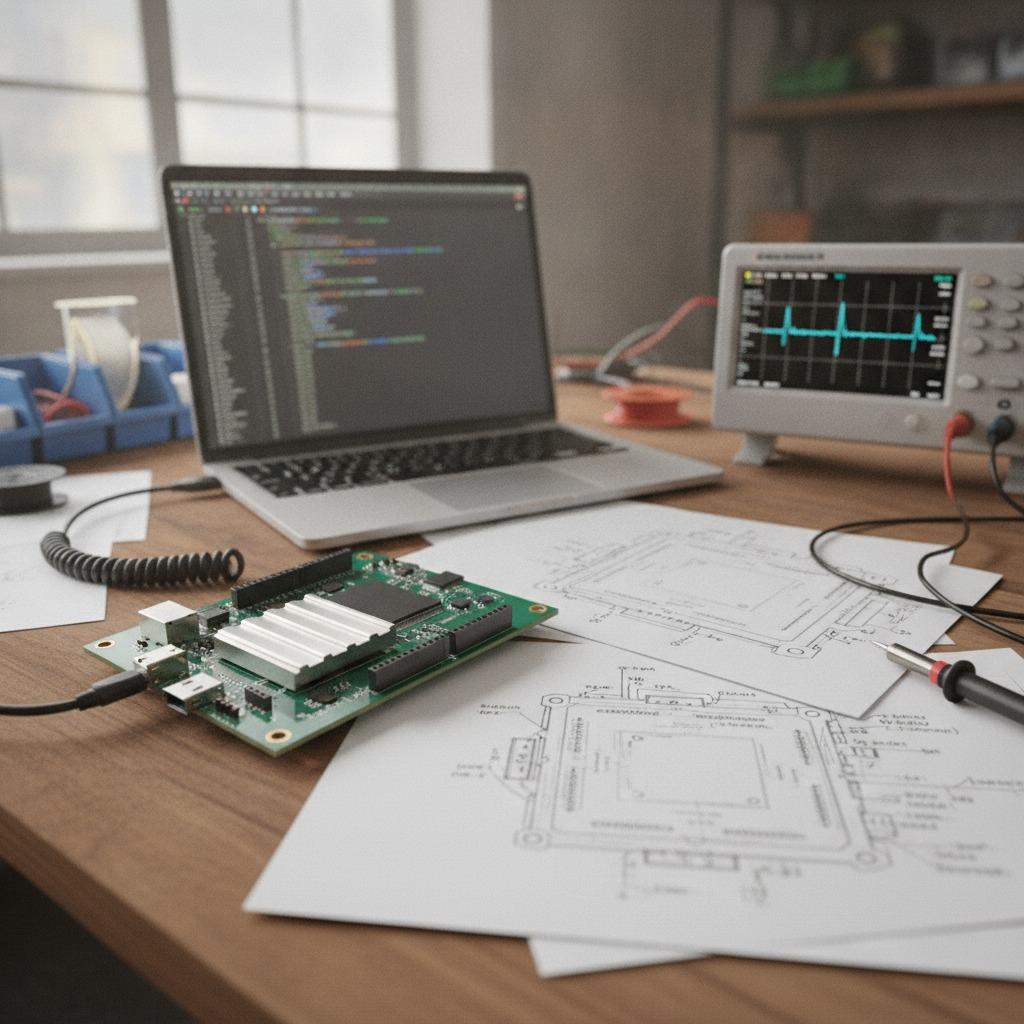
hcdpcba focuses on SMT assembly, custom PCBA, PCB prototyping, component sourcing, assembly, testing, and DFMA support. That combination matters for appliance electronics because the board is not only being built, it is being made manufacturable and testable. A supplier that can support prototype iteration and then scale to small or large volume production gives the product team more room to fix issues before they become field failures.
For coffee equipment, the board stack-up and assembly quality should be considered alongside connector durability, thermal margins, and protection against humidity-related faults. None of that sounds glamorous, but that is where many appliance programs are won or lost.
Quick comparison: what changes by machine type
For a basic home brewer, the main concern is simple and stable control. For an espresso machine, tighter thermal management and more precise sequence control usually matter more. For a premium connected unit, interface responsiveness and software coordination become part of the hardware specification. For a vending machine, service access, robustness, and continuous operation tend to dominate the conversation.
That is why it is usually better to define the board around the machine’s actual duty cycle instead of copying an off-the-shelf reference design and hoping the rest can be patched later.
Common mistakes in coffee machine PCB projects
One common mistake is underestimating the environment. Coffee machines combine heat, steam, vibration, and repeated user contact. A board that looks fine in a dry lab can struggle once installed in a real machine enclosure.
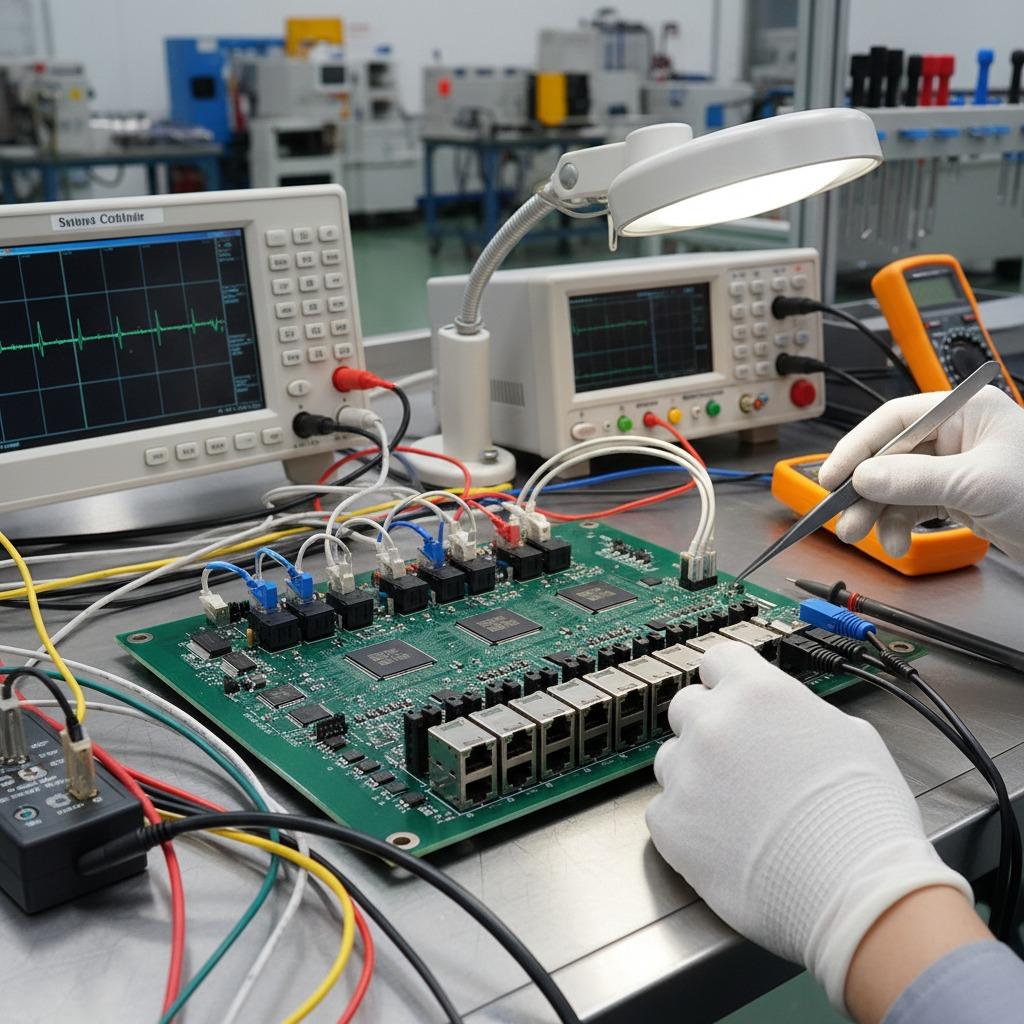
Another mistake is leaving test strategy too late. If production testing is not planned early, faults become expensive to chase during ramp-up. A board can pass functional inspection and still have weak points in solder quality, connector fit, or power behavior under load.
A third issue is overcomplicating the feature set. Teams sometimes add a display, wireless module, and extra sensors before they have stabilized the core control logic. That can make debugging much harder than it needs to be.
How to choose a supplier for coffee machine PCBA
A useful supplier should be able to move from prototype to production without changing the rules halfway through. Look for someone who can handle PCB fabrication, SMT placement, sourcing, assembly, and testing under one roof or through a tightly managed process. For appliance projects, DFMA support is also valuable because small design changes can reduce assembly risk and lower recurring cost.
hcdpcba presents itself as a manufacturer serving industrial control, medical, automotive electronics, IoT, smart home, power, and communications applications. That broader manufacturing background can be useful when a coffee machine program needs disciplined process control rather than a one-off build.
One practical caution: always confirm what testing is actually included for your project. “Tested” can mean very different things from one supplier to another.
Buyer-facing questions worth asking early
Before you commit to a board design, ask how the PCB will be validated in relation to the machine’s power load, thermal behavior, and display or communication features. Ask whether the design can be revised cleanly if the enclosure changes. Ask how component sourcing is handled if a part becomes unavailable. These are not side questions; they often decide whether the launch stays on schedule.
Next step for sourcing teams
If you are developing a new coffee machine or improving an existing one, the safest path is to define the operating conditions first, then build the PCBA around them. That usually means aligning electrical design, manufacturability, and test planning before volume purchasing begins.
For teams that need custom PCB assembly, component sourcing, or DFMA support for a coffee machine PCBA, hcdpcba can be contacted directly at +86 18924624188 to discuss the build requirements and production approach.