Choosing the right projector optical engine supplier is a critical step for companies developing smart projectors, portable projectors, mini projectors, commercial projection systems, and embedded display products.
The optical engine is one of the most important components inside a projector. It determines how light is generated, processed, and projected to create the final image. However, optical performance does not depend only on the engine itself. It must work together with the projector motherboard, driver board, power system, cooling structure, and control software.
For OEM projector brands, selecting a supplier with strong optical integration and electronics manufacturing capability can reduce development risks and improve product reliability.
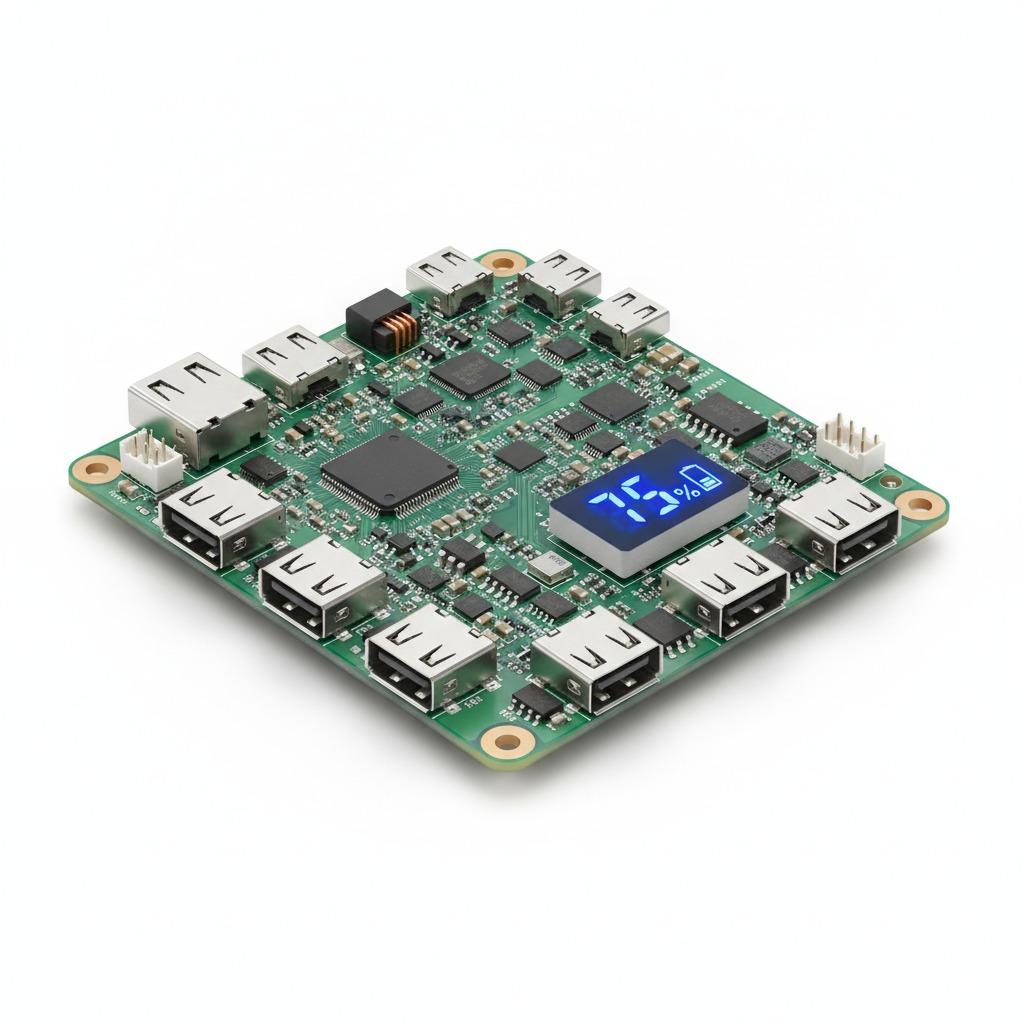
HCDPCBA provides one-stop electronics manufacturing solutions, including PCB prototyping, SMT assembly, PCBA manufacturing, component sourcing, DFMA engineering support, testing, and OEM/ODM production.
What Is a Projector Optical Engine?
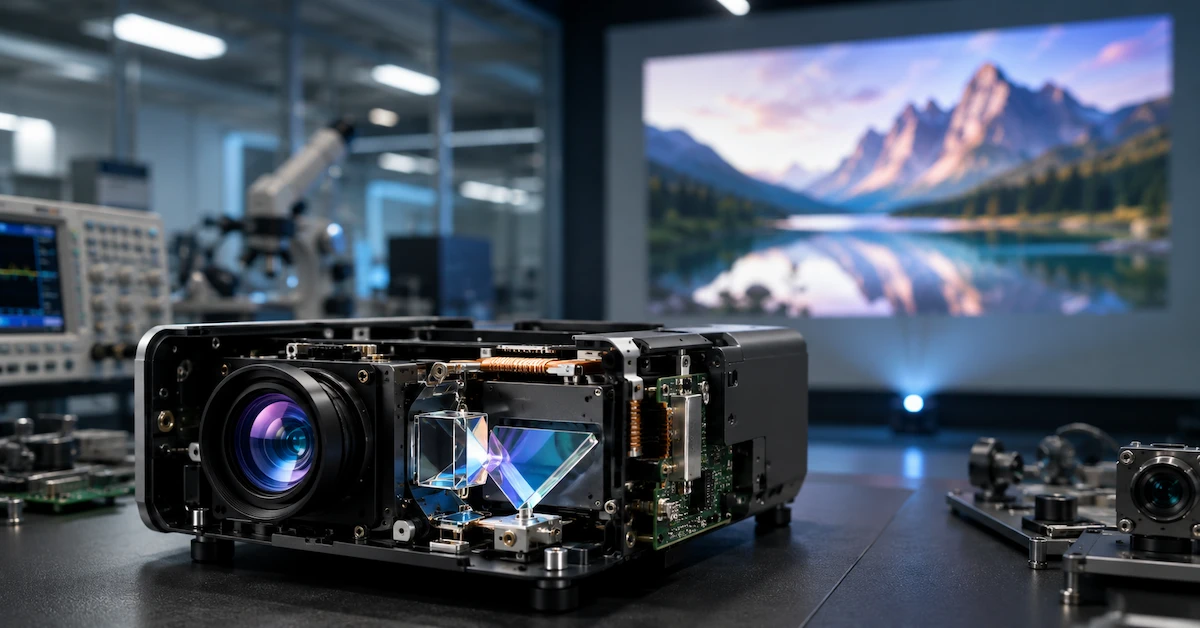
A projector optical engine is the core imaging module that converts electrical signals and light energy into projected images.
It usually integrates several optical and electronic components, including:
- Light source module
- DLP or LCD imaging system
- Lens system
- Optical path structure
- Color processing components
- Cooling components
- Driver board interface
- Mechanical mounting structure
The optical engine works together with electronic control systems to achieve:
- Image projection
- Brightness control
- Color performance
- Resolution output
- Focus adjustment
- Thermal stability
For OEM projector products, the optical engine must match the motherboard, driver board, power system, and final product structure.
Why Optical Engine Selection Matters for Projector Development
The optical engine directly affects:
- Brightness performance
- Image clarity
- Color accuracy
- Contrast ratio
- Resolution capability
- Power consumption
- Heat generation
- Product size
An unsuitable optical engine can create problems such as:
- Low brightness
- Poor image quality
- Excessive heat
- Compatibility issues
- Difficult mechanical integration
- Higher production costs
Therefore, projector manufacturers should evaluate optical engine suppliers based on technical compatibility rather than only component price.
Main Applications of Projector Optical Engines
Optical engines are used in various projection products.
| Application | Optical Engine Requirement | Typical Buyer |
|---|---|---|
| Smart projectors | Compact size, high integration, stable image | Consumer electronics brands |
| Mini projectors | Small structure, low power consumption | Portable projector companies |
| Home theater projectors | High image quality and color performance | Entertainment brands |
| Business projectors | Reliability and long operation | Office equipment suppliers |
| Education projectors | Stable brightness and durability | Education technology companies |
| Commercial displays | High brightness and continuous operation | Display solution providers |
| Embedded projection systems | Custom size and interface integration | Hardware developers |
HCDPCBA’s Projector Series supports projector-related product solutions, while its PCBA manufacturing services provide customized electronics production support.
What Buyers Should Check Before Choosing a Projector Optical Engine Supplier
1. Optical Engine Compatibility
The first consideration is whether the optical engine matches the projector design.
Buyers should evaluate:
- DLP or LCD technology
- Resolution support
- Brightness level
- Projection distance
- Lens specifications
- Light source type
- Interface requirements
- Mechanical dimensions
The optical engine must be compatible with the projector housing and electronic control system.
2. Driver Board and Electronics Integration
An optical engine does not operate independently. It requires communication with projector electronics.
A reliable supplier should understand integration with:
- Projector motherboard
- Driver board
- Power management system
- Cooling system
- Firmware control
- Image processing system
Poor integration may cause:
- No image output
- Incorrect brightness control
- Communication failure
- Unstable projection performance
HCDPCBA supports projector electronics manufacturing, including PCB prototyping, SMT assembly, PCBA production, and testing.
3. Brightness and Image Performance
Different applications require different optical performance.
Buyers should confirm:
- Brightness output
- Resolution
- Contrast performance
- Color accuracy
- Image uniformity
- Projection distance
- Focus capability
For example:
- Home theater projectors prioritize image quality.
- Portable projectors prioritize size and power efficiency.
- Commercial projectors prioritize brightness and reliability.
4. Thermal Management
Optical engines generate significant heat during operation.
A complete projector system requires:
- Heat dissipation structure
- Fan control
- Thermal sensors
- Airflow design
- Component protection
A professional supplier should consider thermal performance during the entire product design process.
5. Mechanical Integration Capability
The optical engine must fit into the projector housing.
Buyers should evaluate:
- Mounting structure
- Size compatibility
- Connector location
- Lens position
- Adjustment mechanism
- Assembly process
Poor mechanical matching can increase production difficulty and manufacturing costs.
6. Testing Capability
Optical engine testing should cover both optical and electronic performance.
Common testing includes:
- Brightness testing
- Image quality testing
- Color testing
- Focus testing
- Signal communication testing
- Thermal testing
- Long-duration operation testing
Testing ensures consistent performance during mass production.
Projector Optical Engine OEM Specification Checklist
| Item | What to Confirm |
| Projection technology | DLP, LCD, or other technology |
| Resolution | 720P, 1080P, 2K, 4K |
| Brightness | Lumens requirement |
| Light source | LED, laser, or other source |
| Lens | Throw ratio, focus, projection distance |
| Interface | Driver board and motherboard connection |
| Size | Optical engine dimensions |
| Power | Voltage and consumption |
| Thermal | Cooling requirements |
| Testing | Image, brightness, reliability tests |
| OEM requirements | Custom integration and production support |
OEM vs ODM Projector Optical Engine Solutions
| Solution Type | Description | Best For |
| Standard optical engine | Existing optical solution | Fast product development |
| OEM optical engine integration | Customized according to product requirements | Projector brands |
| ODM projector solution | Supplier supports complete development | New projector companies |
| Optical + electronics integration | Combined optical and PCBA support | Hardware developers |
| Turnkey projector manufacturing | Complete production solution | Brands requiring full support |
Common Mistakes Buyers Should Avoid
Selecting Only Based on Brightness
Higher brightness does not always mean better performance. Image quality, efficiency, and thermal control are also important.
Ignoring Electronics Integration
The optical engine must work together with the driver board and motherboard.
Not Considering Heat Management
Poor thermal design can reduce optical performance and product lifespan.
Skipping Prototype Testing
Prototype validation helps identify compatibility problems before mass production.
Not Planning Long-Term Supply
Stable optical component availability is important for continuous production.
How HCDPCBA Supports Projector Optical Engine Projects
Although optical performance is critical, projector products also require reliable electronic integration.
HCDPCBA supports projector-related manufacturing through:
PCB Prototyping
Helping validate electronic control systems and interfaces.
SMT Assembly
Providing accurate component placement and reliable soldering.
Component Sourcing
Supporting BOM management and electronic component supply.
PCBA Testing
Ensuring stable operation of projector electronics.
DFMA Engineering Support
Helping optimize designs for efficient manufacturing.
OEM/ODM Manufacturing
Supporting customized projector electronics from prototype to mass production.
FAQ
1. What does a projector optical engine supplier provide?
A projector optical engine supplier provides optical modules that include light sources, imaging systems, lenses, and related components for projection products.
2. Can optical engines be customized?
Yes. Optical solutions can be customized based on brightness, resolution, size, projection distance, and product requirements.
3. What affects projector image quality?
Image quality depends on optical engine performance, lens design, driver board control, image processing, and thermal stability.
4. Why is electronics integration important?
The optical engine must communicate correctly with the projector motherboard and driver board for stable operation.
5. What testing is required for optical engines?
Testing may include brightness testing, image testing, color testing, focus testing, signal testing, and thermal testing.
6. Can HCDPCBA support projector electronics manufacturing?
Yes. HCDPCBA provides PCB prototyping, SMT assembly, PCBA manufacturing, testing, and OEM/ODM production support.
Conclusion
Choosing the right projector optical engine supplier requires evaluating more than optical specifications. Buyers should consider compatibility, electronics integration, driver board communication, thermal performance, testing capability, and OEM support.
For projector brands, consumer electronics companies, and hardware developers, working with an experienced manufacturing partner can reduce development risks and improve product reliability.
HCDPCBA provides projector electronics manufacturing solutions from prototype development to mass production, helping customers build reliable projection products with customized PCBA and OEM support.