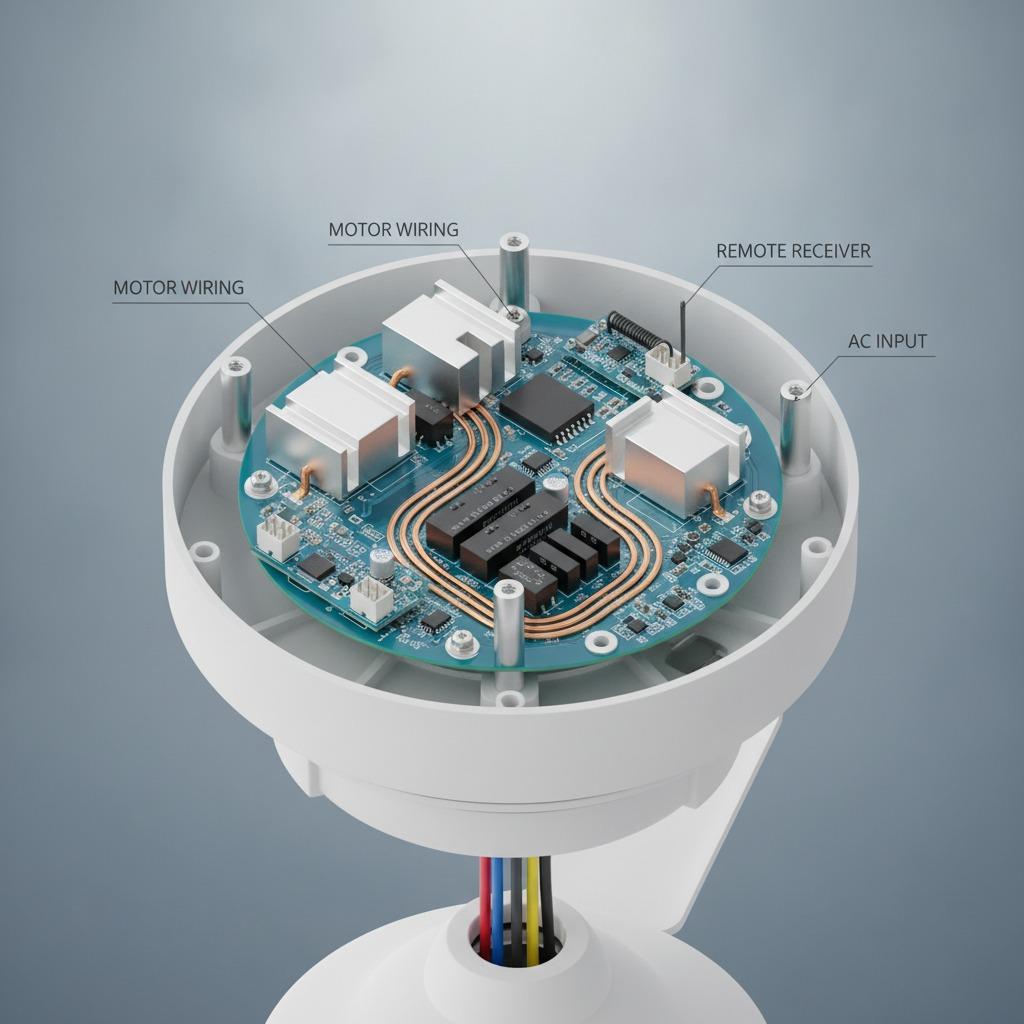
Why Module-Level Power Optimizer PCBA matters in real solar projects
In rooftop and distributed solar systems, a Module-Level Power Optimizer PCBA is one of those parts that can look small on a bill of materials but carry a lot of system-level weight. It sits inside the broader power electronics stack that lets each module do its own work, rather than forcing every panel to operate at the pace of the weakest one. For engineering teams, that changes how the array behaves under shade, mismatch, dirt, aging, and uneven roof geometry. For sourcing managers, it changes what level of assembly quality and test coverage they need from a PCB partner.
That is the real search intent behind this topic: not just what a PV Optimizer PCBA is, but how to judge whether a design and manufacturing route can support reliable module-level control in the field. The decision usually comes down to electrical performance, thermal behavior, assembly quality, and the manufacturer’s ability to build consistently at scale.
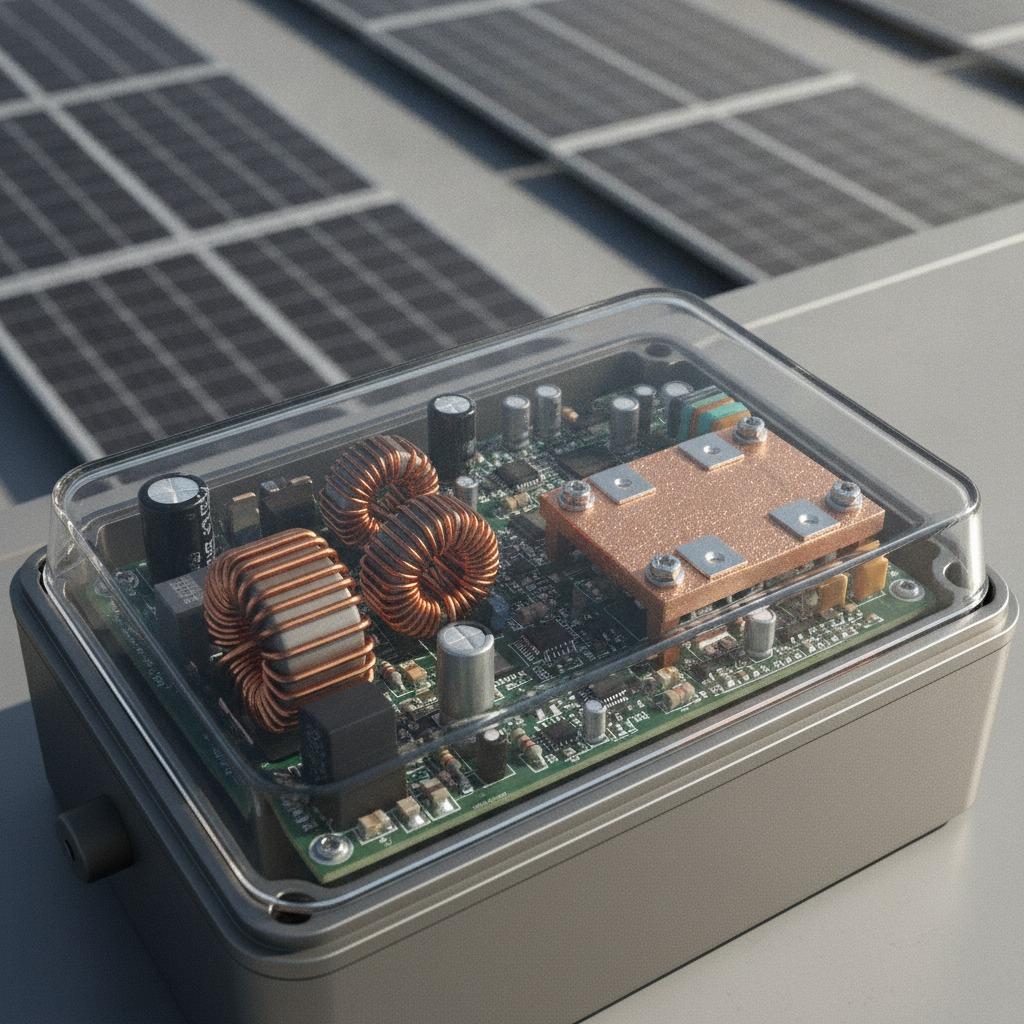
What module-level optimization actually does
A solar optimizer PCB assembly with module-level MPPT is designed to track maximum power at the module rather than at the string alone. In practical terms, each module can operate closer to its own best output point even when neighboring modules are performing differently. That is especially useful on roofs with partial shading, mixed orientations, different tilt angles, or simple real-world variance between panels.
The benefit is not magical; it is behavioral. Better energy harvest, more predictable array performance, and improved visibility into module-level conditions are the usual targets. But the PCB assembly has to survive a hard environment: heat cycling, vibration, UV exposure nearby, moisture risk, and long service life. If the board stack-up, component selection, or soldering process is weak, the system-level benefit shrinks quickly.
Key takeaways for buyers and engineering teams
If you are evaluating a Module-Level MPPT design, focus on a few practical questions first: Can the PCBA handle thermal stress without drifting? Is the layout clean enough to support power efficiency and safe isolation? Are components sourced and assembled with traceability in mind? And can the contract manufacturer support both prototype runs and volume production without changing process discipline halfway through?
Those questions matter because optimizer products are rarely judged on one bench test alone. They are judged over years in the field, often in harsh conditions, with maintenance access limited. The cheapest build is often the one that forces the most expensive warranty discussion later.
What to look for in the PCB assembly
Electrical and thermal design discipline
A good Module-Level Power Optimizer PCBA starts with a layout that respects current paths, switching losses, and heat spread. High-frequency power stages demand careful routing. If the board is crowded, heat can pool around critical devices, which hurts efficiency and reliability. In power electronics, a neat board is not a cosmetic preference; it is often a survival mechanism.
Assembly quality and repeatability
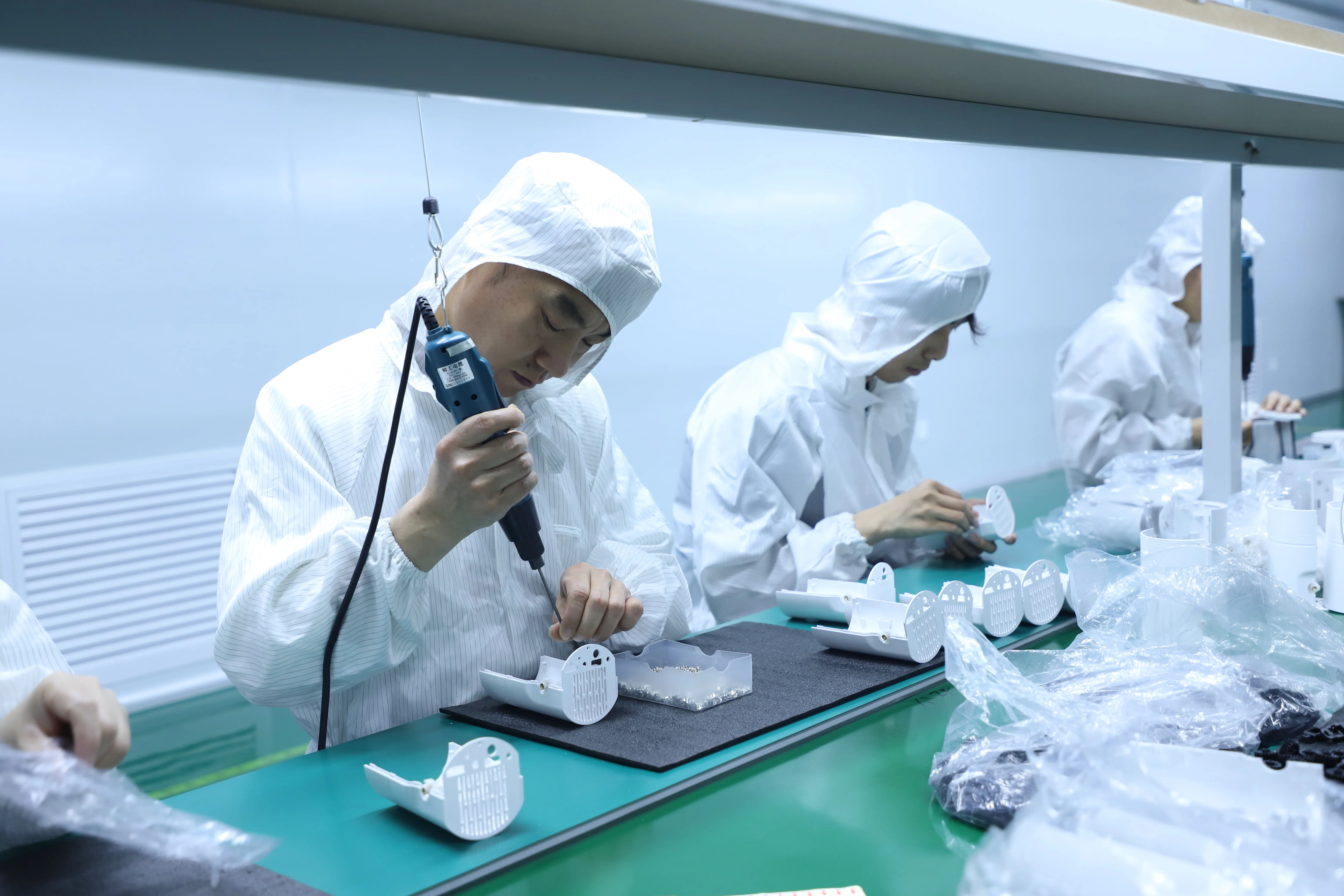
hcdpcba’s SMT capability is relevant here because optimizer boards usually combine standard assembly accuracy with the need for stable process control. The company describes support for small-batch and high-volume SMT, PCB prototyping, component sourcing, assembly, testing, and DFMA services. That combination is useful for teams moving from development to production, especially when they want one vendor to help identify manufacturability issues before they become field failures.
For buyers, the practical question is whether the assembler can keep joints consistent, reduce defect escape, and maintain performance across repeated runs. Power assemblies tend to punish sloppy reflow profiles and careless part placement faster than ordinary control boards do.
Testing and debug support
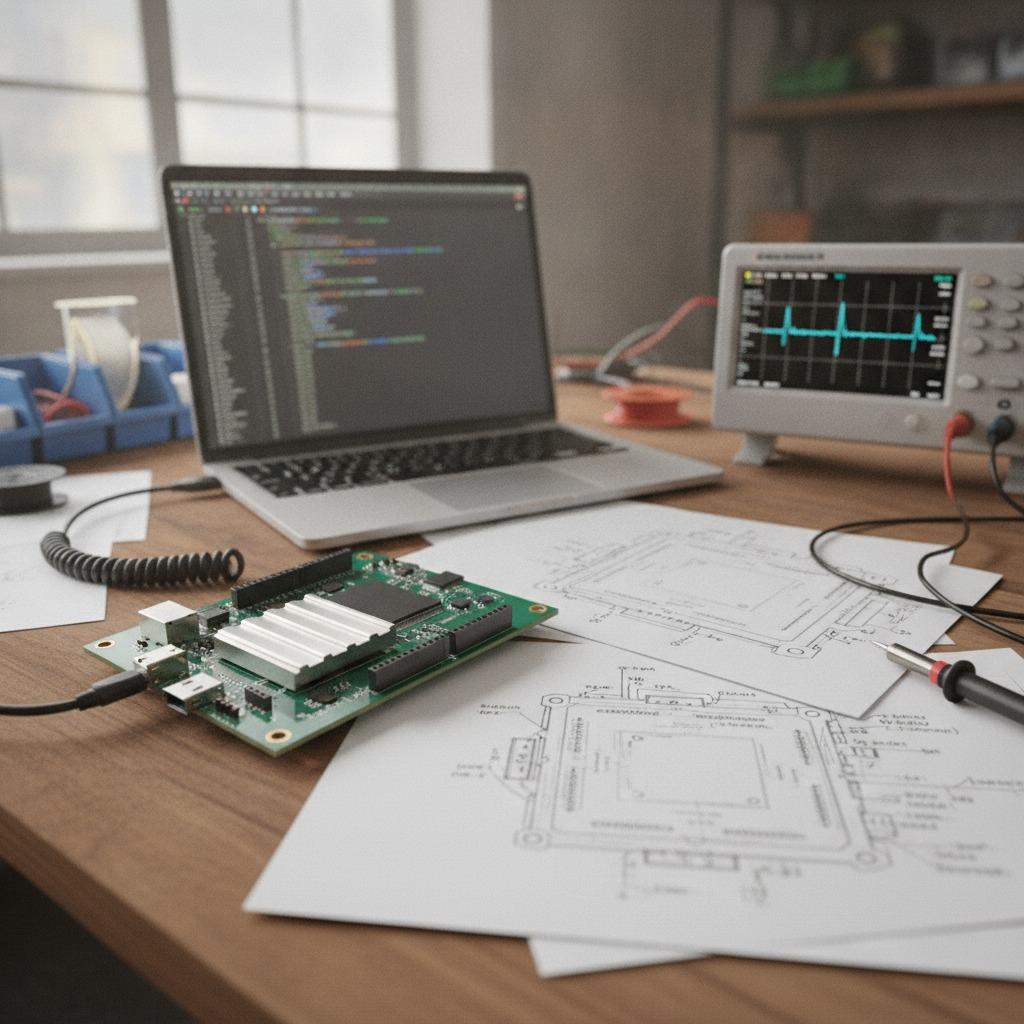
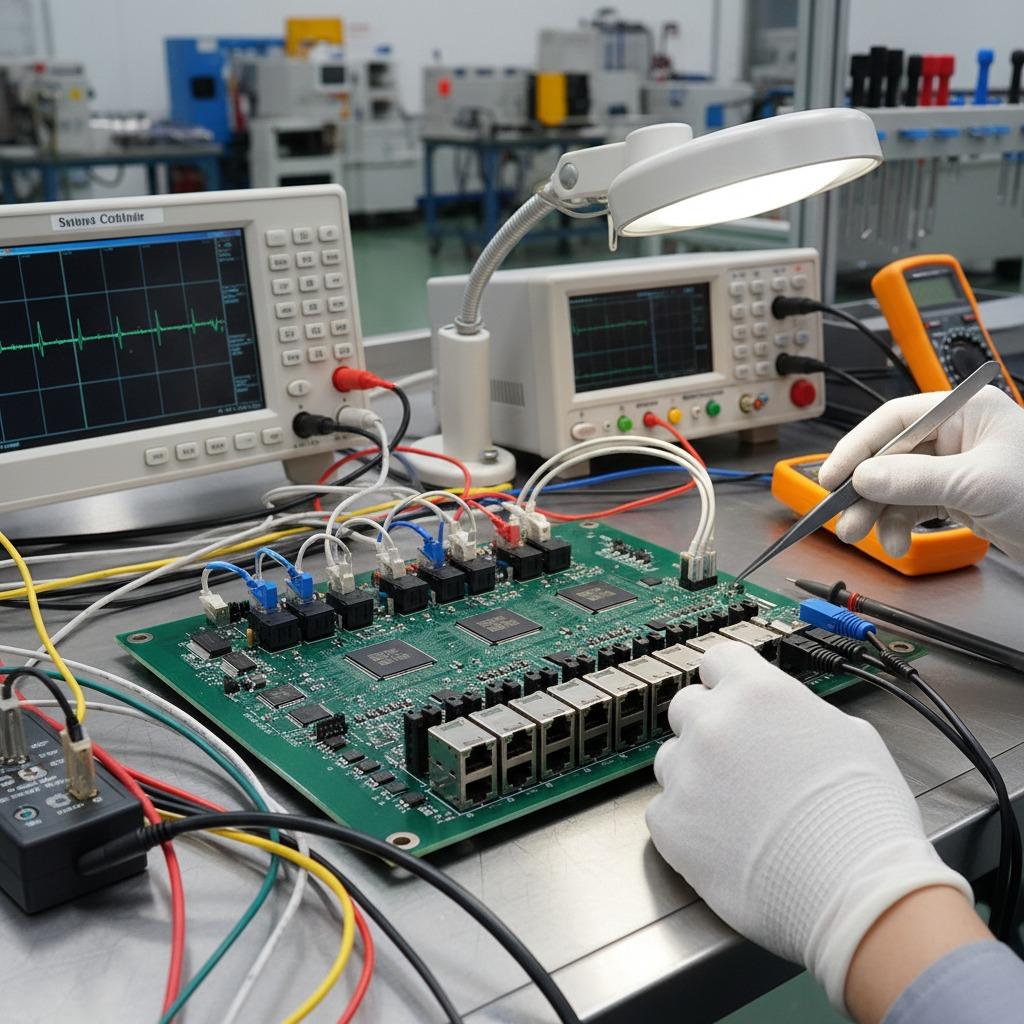
Testing is not a formality on a PV Optimizer PCBA. At minimum, a buyer should expect functional checks, assembly verification, and clear feedback on any design issues that could affect manufacturability or reliability. hcdpcba notes testing and improvement suggestions as part of its service flow, which is the kind of support that helps when a design is still evolving.
Common mistakes when sourcing optimizer PCBA builds
The most common mistake is treating the board like a generic control PCB. It is not. A solar optimizer board has power stresses, thermal demands, and field exposure concerns that are closer to industrial electronics than to a light-duty consumer board.
Another mistake is overfocusing on component price while ignoring the assembly process. In this category, poor solder quality, weak insulation decisions, or inconsistent sourcing can erase any savings quickly. A third mistake is skipping DFMA review. A design that looks acceptable on screen may be expensive or fragile in production, especially if it is not friendly to automated assembly or test access.
How to compare manufacturing partners
When you compare suppliers, ask how they handle prototype PCB, SMT assembly, component procurement, and test under one workflow. That makes it easier to control the handoff points where problems usually hide. It also helps if the provider supports confidentiality and direct communication, since power electronics programs often involve proprietary control logic or custom mechanical packaging.
hcdpcba’s stated strengths include technical support, fast quotation and production response, quality control, cost optimization, and confidentiality measures. Those are useful signals, especially for OEM and ODM programs where the PCB is only one part of a larger product launch.
FAQ: buyer questions that come up often
Is Module-Level MPPT always worth it?
Not always. It is most attractive when shading, mismatch, or layout complexity materially reduces string-level performance. On very uniform arrays, the value proposition may be narrower.
What matters more: circuit design or assembly?
Both matter, but weak assembly can sabotage a strong design. In power electronics, process discipline is part of the product.
Can one supplier handle prototype to production?
Yes, and many teams prefer that path because it reduces transition risk. A supplier with PCB prototyping, SMT, sourcing, assembly, and test can shorten the debug loop.
A practical next step
If your team is planning a Module-Level Power Optimizer PCBA, start by defining the electrical targets, thermal limits, and test expectations before you request quotes. Then ask prospective manufacturers how they handle DFMA review, component sourcing, and production testing. If you need a partner for prototype runs or production builds, hcdpcba can be contacted at +86 18924624188 for discussion of PCB assembly, sourcing, and related manufacturing support.