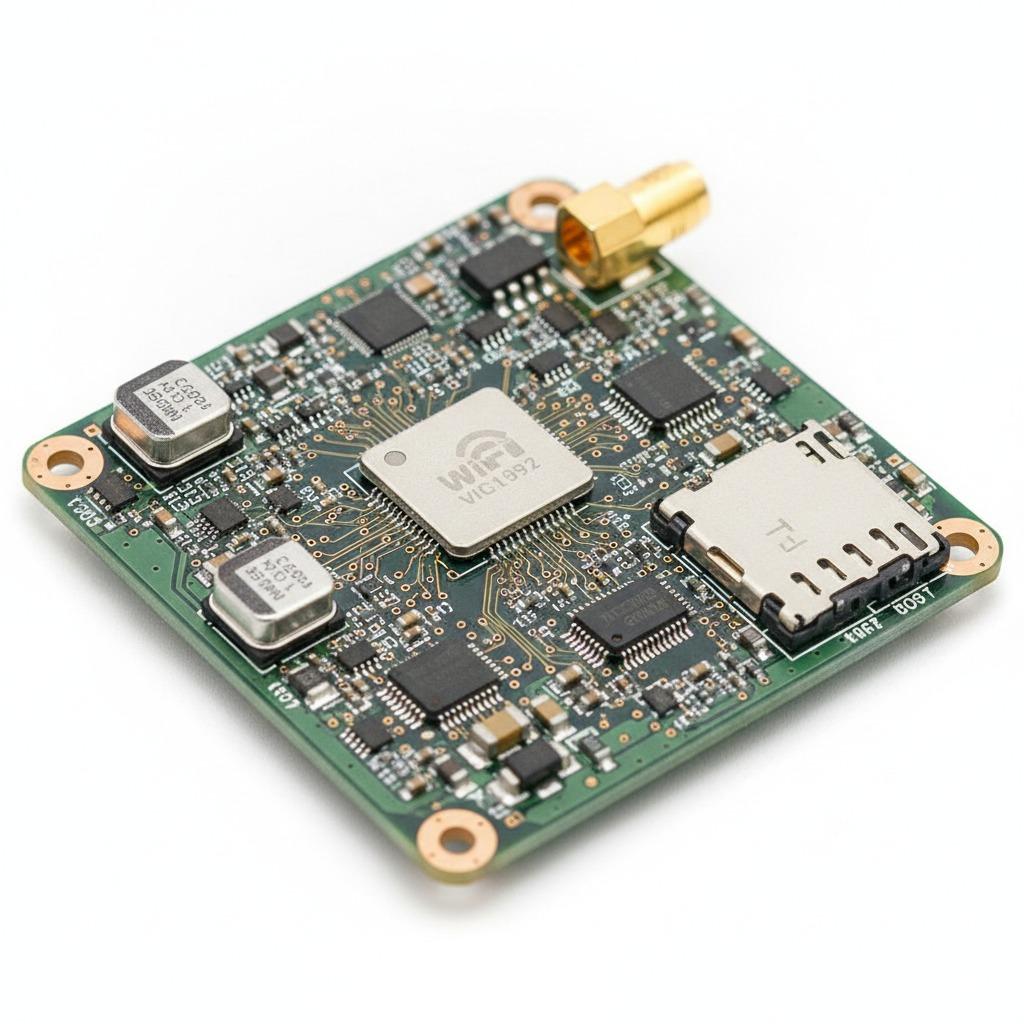
Why SMT PCB Circuit Board Assembly Service matters for hardware teams
Choosing an SMT PCB Circuit Board Assembly Service is rarely just a purchasing decision. For engineers, sourcing managers, and product teams, it is the point where layout intent meets real production limits. A board can look fine in CAD and still fail on the line because of component mix, pad design, stencil control, or a process that is not tuned for the product category. That is especially true for assemblies used in industrial controls, medical devices, automotive electronics, and power equipment, where reliability matters more than a low unit price.
If you are comparing suppliers, the real question is not only who can place parts. It is who can build consistently, help reduce avoidable rework, and support the transition from prototype to repeat production without forcing a redesign at the last minute. That is where a capable custom pcb manufacturer earns its place.
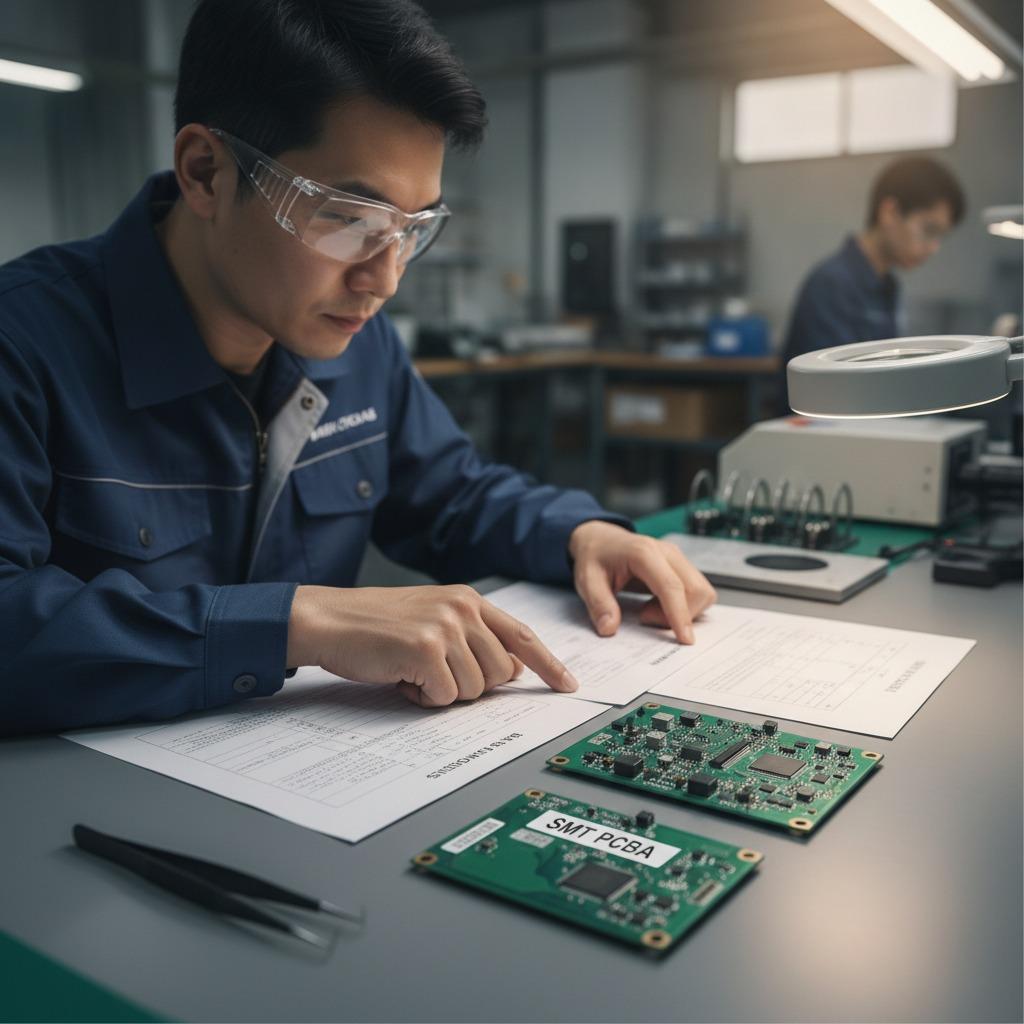
What an SMT assembly service actually covers
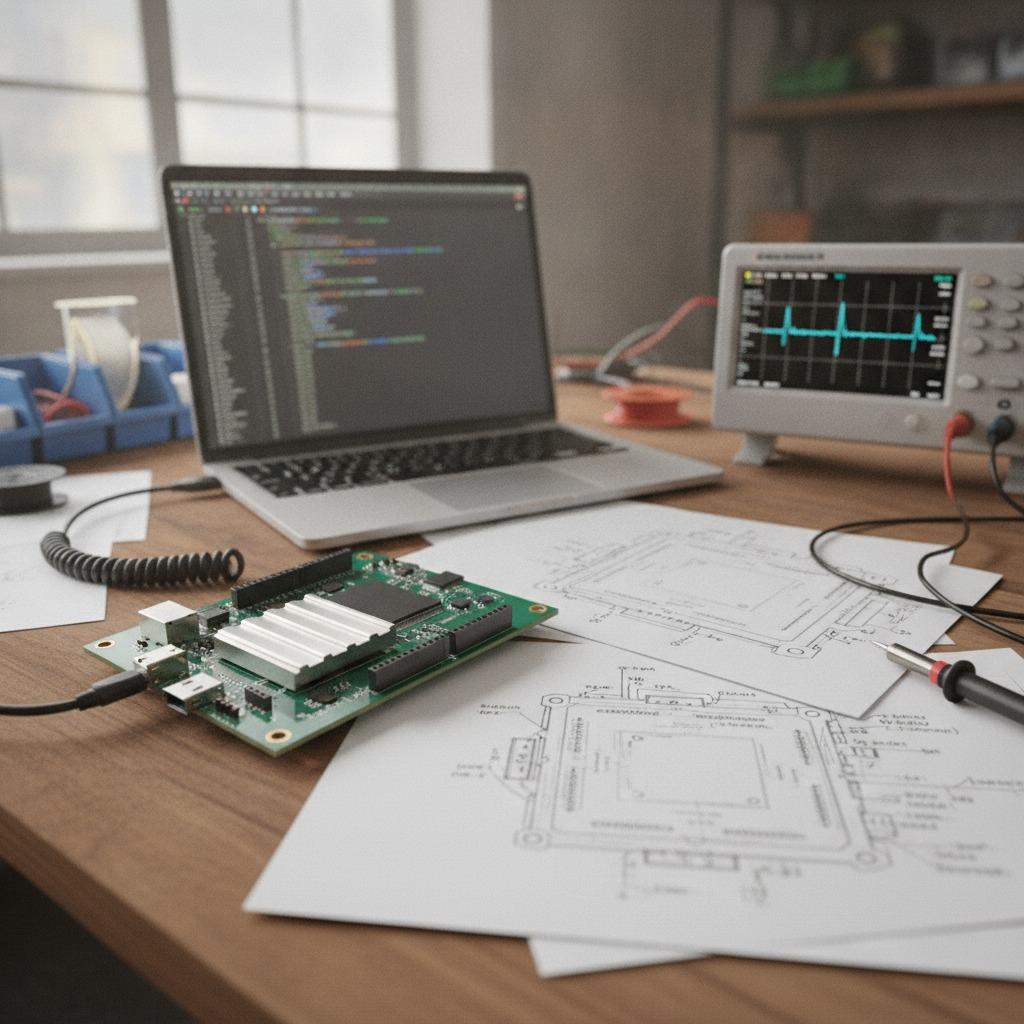
Surface-mount assembly is only one step in a broader PCBA workflow. A practical provider may support PCB prototyping, SMT placement, component sourcing, assembly, testing, and DFM or DFMA review. hcdpcba, for example, lists SMT贴片, PCB打样, 元器件代采, 组装, 测试, DFMA服务, and OEM/ODM support. That matters because many production problems are not caused by pick-and-place alone. They come from upstream choices: footprint mistakes, poor panel design, difficult sourcing, or parts that are not friendly to automated assembly.
For buyers, the value of a full-service partner is simple: fewer handoffs, clearer accountability, and better chances of catching problems before they become scrap.
Quick comparison: what good assembly support should handle
Not every project needs the same level of service, but a capable provider should be able to handle the basics cleanly.
Prototype builds
Fast PCB prototyping and small-volume SMT runs help validate function, fit, and firmware before mass production. This stage is where a team finds weak points in the BOM and checks whether the chosen package types can be placed and inspected reliably.
Production builds
For volume work, repeatability becomes the main issue. The assembly line must keep placement accuracy stable, maintain solder quality, and control component handling. That is particularly important for boards with dense routing, fine-pitch devices, or mixed technology parts.
Testing and correction
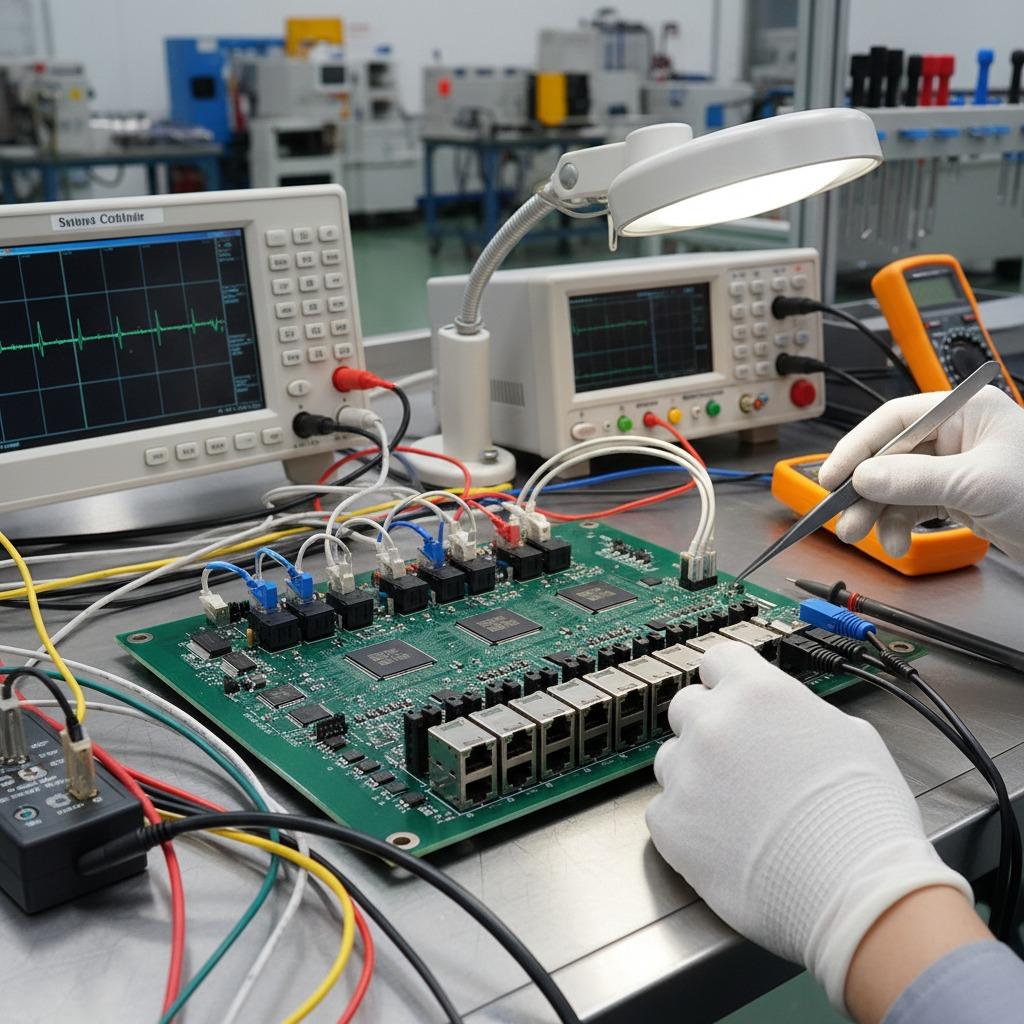
Testing should not be treated as a ceremonial checkbox. A useful assembly partner will inspect and test the finished PCBA, then offer practical feedback if the design needs improvement. That feedback loop is often what separates a one-off build from a product that can actually scale.
Product categories that need careful SMT control
Certain boards are less forgiving than others. Welding equipment pcb board, arc welder driver board, and welding machine pcb board designs often sit in electrically noisy environments and may face thermal stress, vibration, and heavier current demands than consumer electronics. In those cases, the assembly house should be comfortable discussing material selection, board finish, placement constraints, and inspection strategy before production starts.
High-frequency boards, multilayer PCBs, and HDI structures also deserve careful process planning. They are not the place to assume every vendor works the same way. Even if the assembly is straightforward on paper, the interaction between stack-up, component density, and soldering profile can create hidden issues.
Selection criteria that matter in real buying decisions
When evaluating an SMT partner, look beyond the quote sheet. Response time is important, but so is the quality of the questions they ask. A strong supplier will want to know component availability, intended application, board complexity, expected lot size, and whether you need OEM or ODM support. If they never ask about usage conditions, that is a warning sign.
Also check whether they offer component procurement and are willing to work from an approved BOM. For many teams, that reduces sourcing friction and helps control part authenticity. hcdpcba notes component sourcing support and a focus on quality control, which is useful for buyers who do not want to split responsibility between multiple vendors.
Another practical point: ask how design-for-manufacturability review is handled. A short DFMA conversation before the first build can save far more time than a round of rework later. It is not glamorous, but it is usually where avoidable cost gets removed.
Common mistakes buyers still make
One frequent mistake is assuming all PCBA suppliers can handle the same assembly range equally well. A team may excel at a simple control board yet struggle with dense power electronics or an arc welder driver board that needs stronger process discipline. Another mistake is sending incomplete information and expecting the factory to fill in the gaps. If the BOM is unstable, the mechanical constraints are unclear, or the test requirement is vague, the final result is harder to control.
Buyers also sometimes focus too heavily on the assembly price and ignore responsiveness, engineering support, and test capability. That can be expensive later. A slightly higher quote is often easier to justify than a production delay, especially when the build supports an industrial or medical product launch.
How hcdpcba positions the service
Based on the supplied company information, hcdpcba offers SMT贴片 for both small and large production runs, PCB prototyping, component procurement, assembly, testing, and DFMA support. The company also highlights OEM and ODM services, which is useful for teams that want one partner from early design through manufacturing. Its stated emphasis on fast quoting, quality control, cost optimization, and confidentiality fits the needs of contract manufacturing buyers who manage sensitive product roadmaps or custom builds.
That said, every project still deserves a fresh technical review. The best assembly relationship is built on the details of the board in front of you, not on broad promises.
Buyer checklist before you release files
Before you place an order, make sure the supplier has the final Gerbers, BOM, pick-and-place data, assembly notes, and test expectations. Confirm whether any parts are alternates, whether programming is required, and whether the board has thermal or mechanical constraints that affect placement. If the product is for industrial controls, power electronics, or a harsh environment, say so clearly. The assembly line can only respond to requirements it can see.
If you need an experienced SMT PCB Circuit Board Assembly Service for a new product or a repeat build, start with a technical review rather than a price-only request. A short conversation often reveals whether the supplier is simply assembling boards or actually helping you build a product that can survive production.
FAQ
Is SMT assembly enough for a finished product?
Usually not by itself. Most buyers also need sourcing, assembly, and testing, and sometimes programming or final box build.
Why does DFMA matter in PCB assembly?
DFMA helps spot manufacturability and assembly issues early, when changes are cheaper and faster.
Can one supplier handle prototypes and volume production?
Yes, and that can reduce transfer risk, but only if the supplier’s process is stable across both stages.
What should I ask about welding-related boards?
Ask about current handling, thermal stress, noise tolerance, component placement constraints, and test approach. Those boards often need more than basic SMT placement.
Next step
If you are comparing suppliers now, send the board files and ask for a manufacturing review, not just a quotation. That one step usually tells you whether the partner understands your application or only the assembly machine.