What a WiFi CCTV mainboard has to do that a simple camera board does not
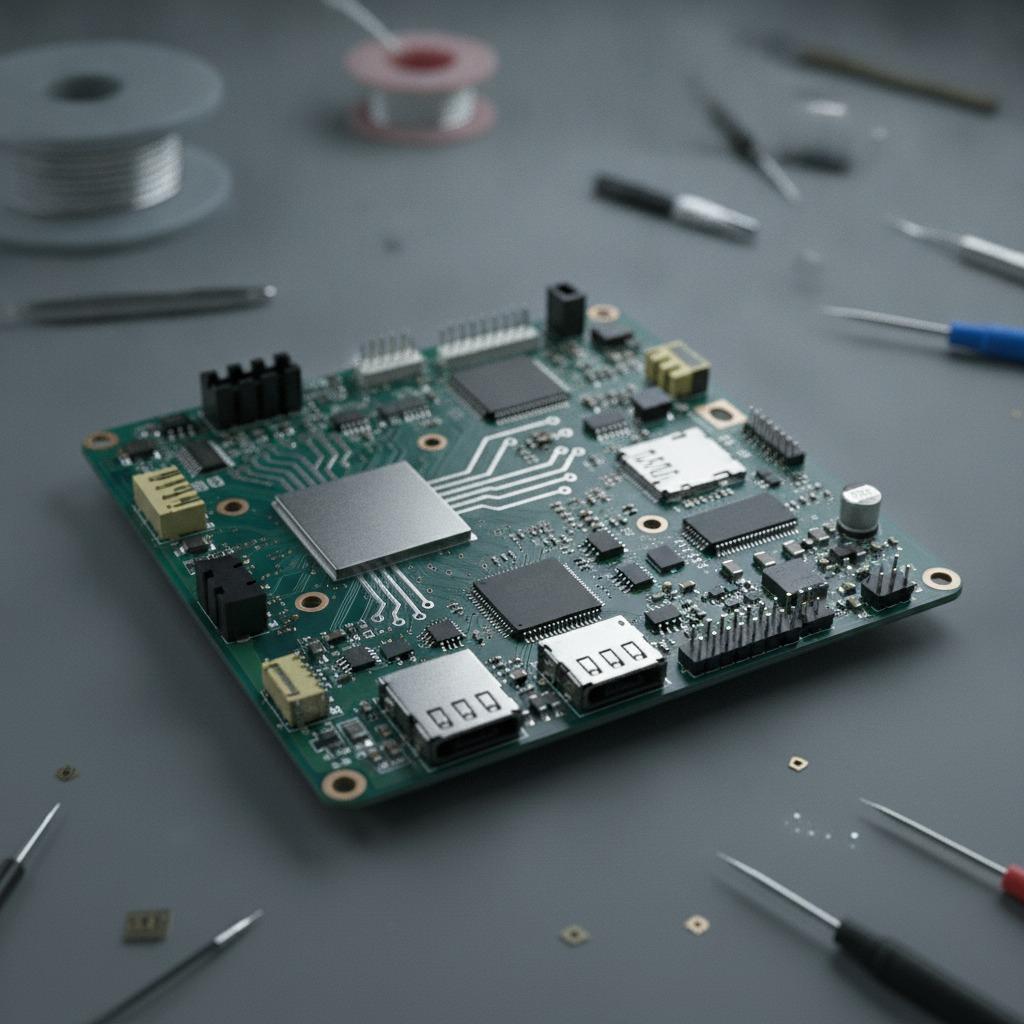
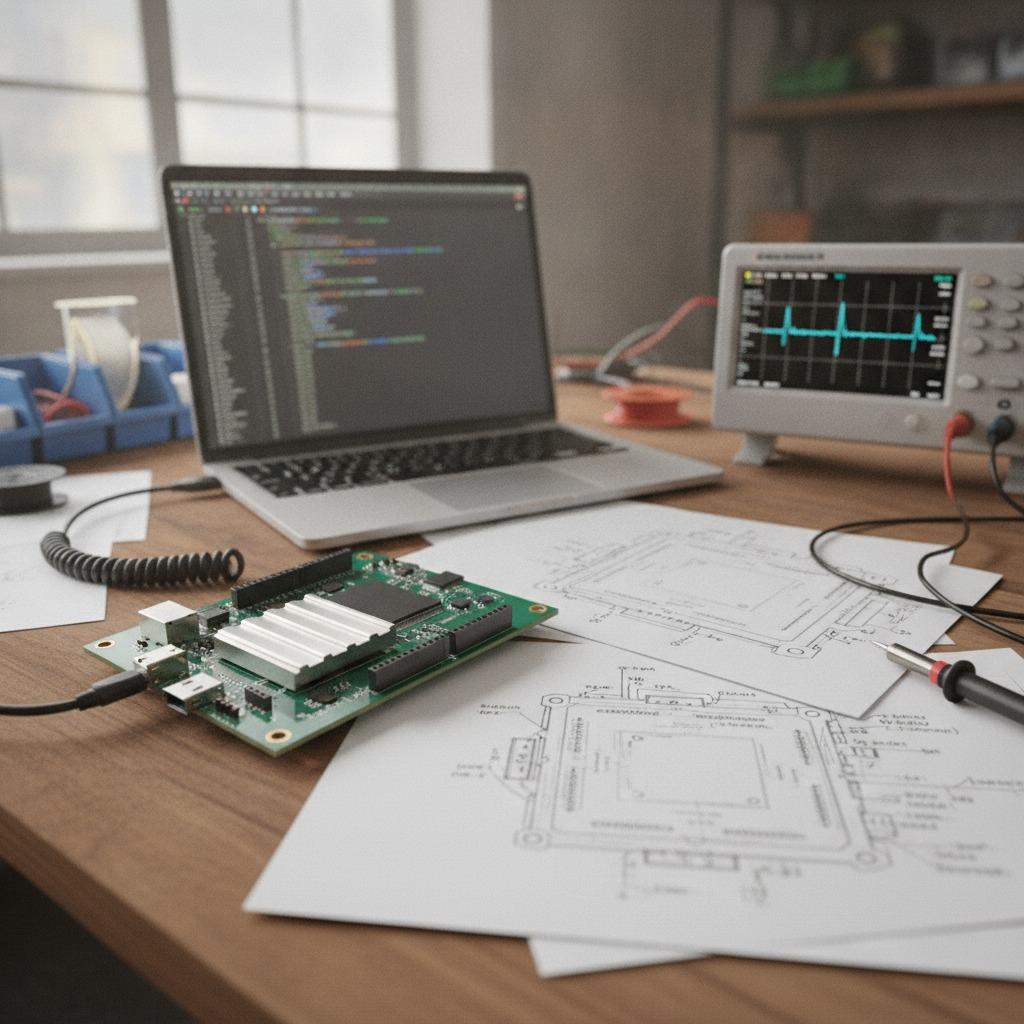
A WiFi CCTV mainboard sits at the center of a security camera, and that sounds obvious until you start looking at the number of jobs it has to handle at once. It is not just a board that powers a lens and stores a picture. In a practical product, it has to manage wireless connection, image processing, storage, user access, and often a few interface choices that make or break the final camera design. For product teams and sourcing managers, the real question is not whether a board can “work,” but whether the board architecture fits the housing, bandwidth, recording method, and field conditions of the camera you want to sell.
That matters because a home security camera motherboard that looks fine on a spec sheet can still become a problem in production. Thermal load, antenna placement, mechanical fit, and storage reliability all show up later if they are not considered early. Buyers often discover too late that a camera built around the wrong board needs constant rework, or that one feature added for marketing creates a cascade of cost and assembly issues.
Common functions found on modern security camera boards
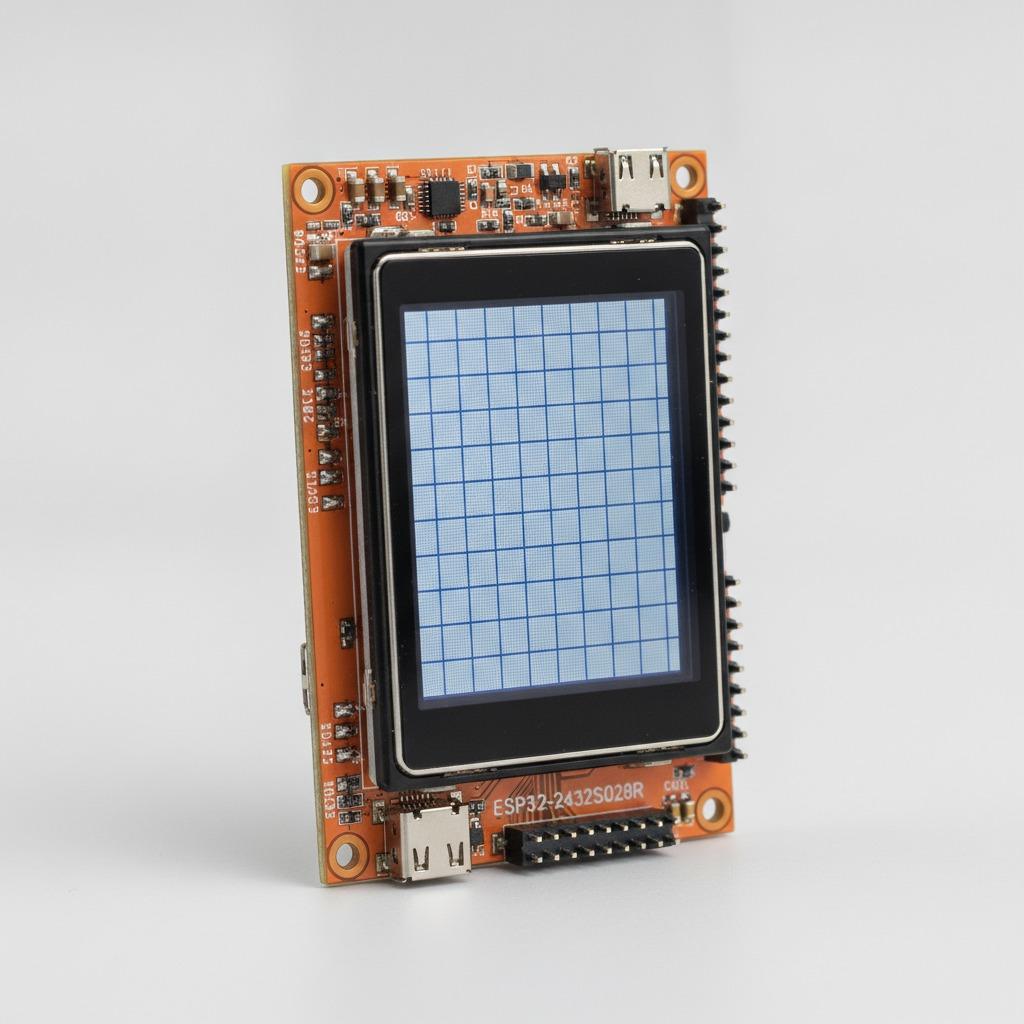
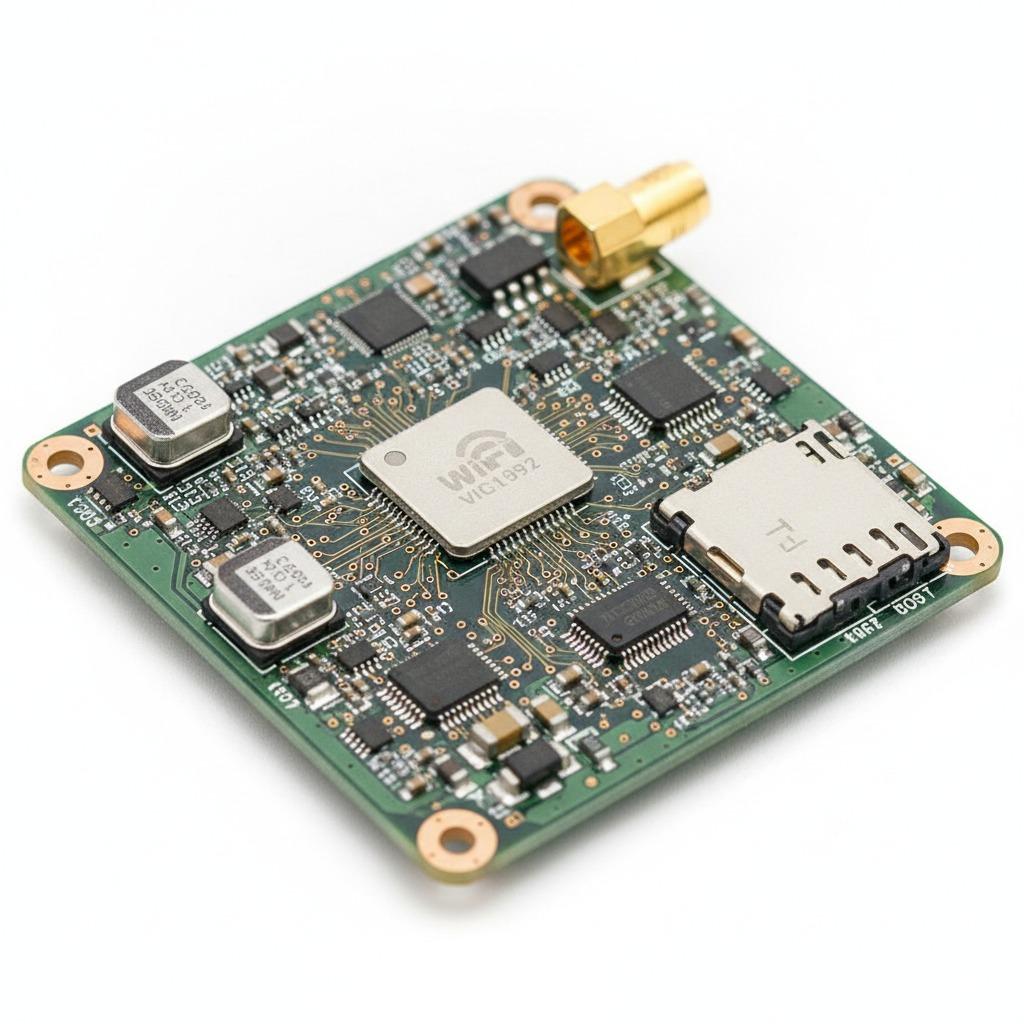
The exact design varies, but most boards for WiFi-enabled CCTV cameras combine several blocks in one assembly. Image capture and video processing sit alongside wireless communication. Local storage may be handled through a TF card recording circuit board section. Some designs also include HDMI video output PCBA support for installation, testing, or monitored display use, though not every consumer camera needs that interface.
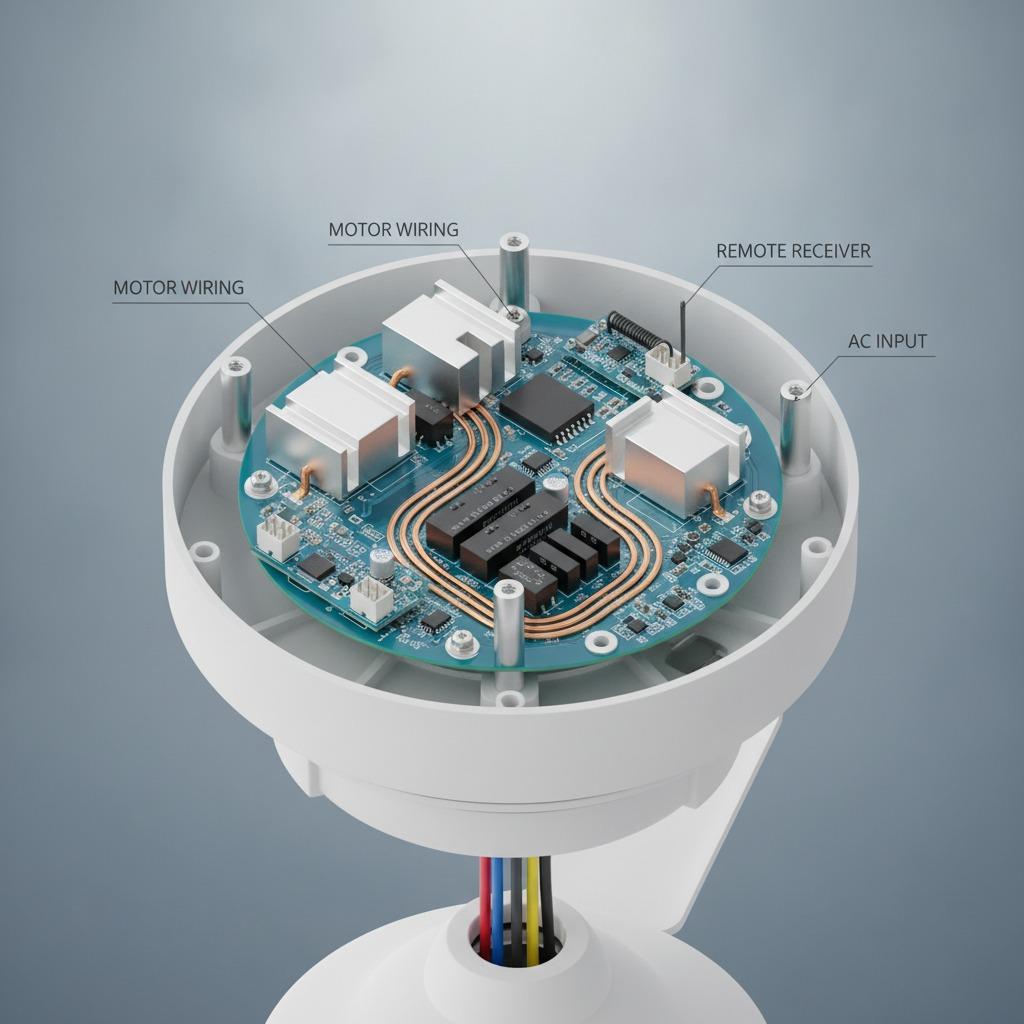
A round security camera PCBA often has tighter mechanical constraints than a rectangular design. The circular format can simplify enclosure aesthetics, but it may limit component placement and heat-spreading options. That is one of those details that seems minor during procurement and becomes very real during assembly.
Key board functions buyers usually check first
Wireless stability
Video handling and compression support
Local recording options
Power distribution and heat behavior
Interface compatibility with the housing and lens module
Test access for manufacturing and troubleshooting
Why board selection affects the final camera product
The board is where product intent turns into manufacturable hardware. If the WiFi connection is unstable, users complain about dropouts. If the recording path is weak, the memory card becomes a service issue. If the layout is crowded, SMT yield and inspection become harder. That is why a sourcing decision should consider not only the board’s function, but also whether the PCB can be assembled consistently at scale.
hcdpcba provides SMT贴片, custom PCBA boards, PCB prototyping, component sourcing, assembly, testing, and DFMA support. For a camera project, that mix is useful because a board often needs more than soldering. It may need a manufacturability review, coordinated component procurement, and production testing that catches weak points before shipment. The company also notes OEM and ODM services, which can help when a team is building a custom camera platform rather than buying an off-the-shelf module.
Selection criteria that deserve more attention than usual
The best buyers do not start with price. They start with fit.
Mechanical fit is first. Does the board sit comfortably inside the housing, with room for connectors, shielding, antennas, and airflow? Then comes signal integrity. WiFi performance can be damaged by poor grounding, bad antenna position, or metal parts in the enclosure. Next is storage logic. If the product depends on TF card recording, the recording path should be treated as a core function, not an afterthought.
A practical caution: many boards look interchangeable in photographs. They are not. Two modules with similar dimensions can differ in connector direction, lens alignment, or test-point access. That is where engineering review saves money.
What manufacturing teams should ask before release
Before approving a WiFi CCTV mainboard for production, ask whether the layout supports repeatable SMT assembly, whether test fixtures are available, and whether component sourcing is stable enough for the expected build volume. If the design includes HDMI video output PCBA functions or other optional interfaces, confirm that those parts are actually needed in the target SKU. Extra features can add cost without improving field performance.
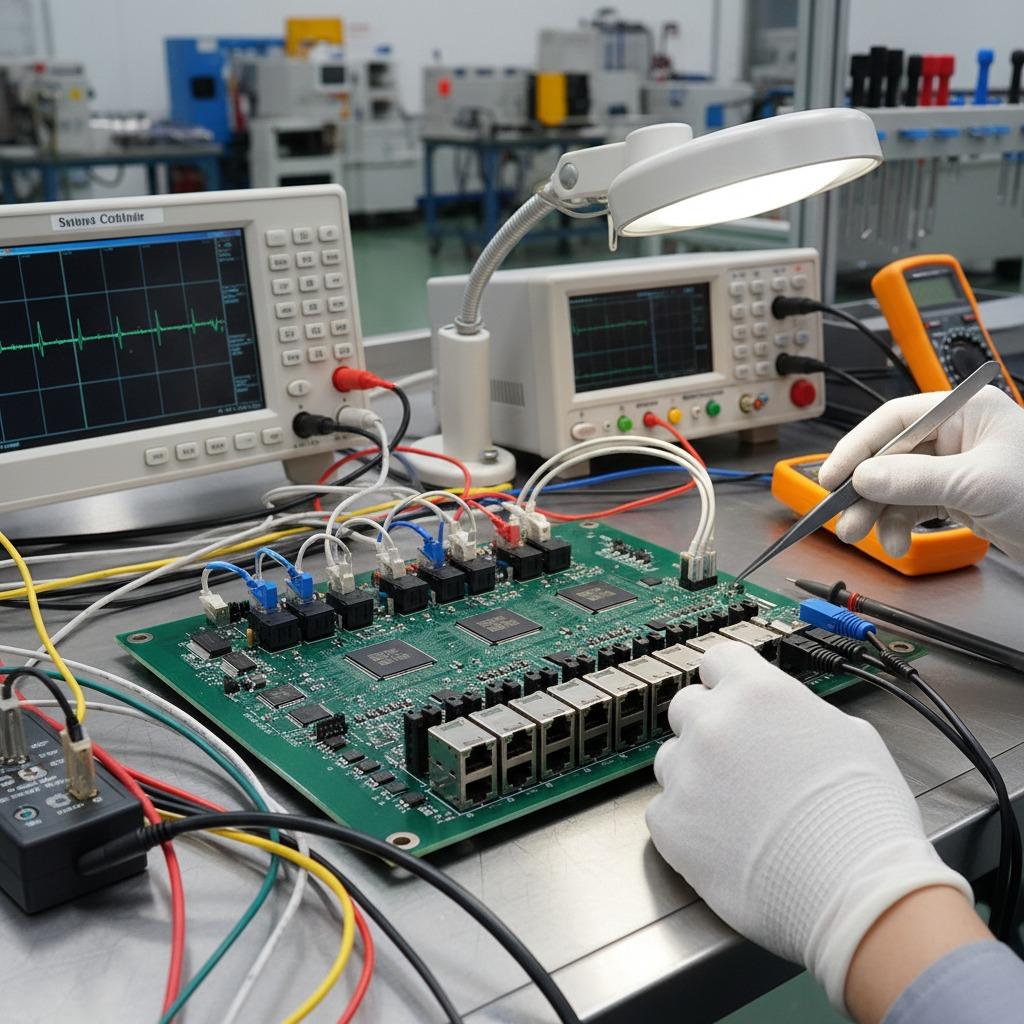
It is also worth checking how the board will be validated in production. A camera board that passes power-on testing is not necessarily ready for shipment. Recording, wireless pairing, and image output all need to behave together under real assembly conditions.
Common mistakes in camera board sourcing
One common mistake is treating the camera module and the mainboard as separate buying decisions when they are really one system. Another is assuming a round security camera PCBA will be easier to integrate simply because it looks compact. Compact designs can be less forgiving. A third mistake is overlooking serviceability. If the product ships to consumers or installers, the board should allow straightforward troubleshooting without disassembling half the unit.
When a custom PCBA partner makes sense
A custom partner is useful when the camera needs a specific feature mix, tighter integration, or production support beyond bare board fabrication. hcdpcba’s combination of PCB prototyping, SMT贴片, assembly, testing, and DFMA can support that kind of development path, especially for teams balancing performance with manufacturability. Their stated work across smart home, IoT, communications, and security-related applications fits the general direction of WiFi camera hardware, although every project still needs its own technical review.
FAQ
Is every home security camera motherboard the same?
No. Even boards that look similar can differ in wireless performance, storage support, interface options, and layout constraints.
Do all CCTV boards need HDMI output?
Not always. HDMI video output PCBA capability is useful in some designs, but many consumer cameras do not require it.
Why does DFMA matter for a camera board?
Because design choices directly affect assembly speed, testability, and long-term production consistency.
Next step for buyers and product teams
If you are evaluating a WiFi CCTV mainboard for a new camera platform, treat the board as a production system, not just an electronic part. Review mechanical fit, storage path, wireless behavior, and test strategy together. If the project needs custom PCBA support, assembly, or manufacturing feedback, it is usually better to ask those questions before the enclosure is finalized rather than after the first sample run.