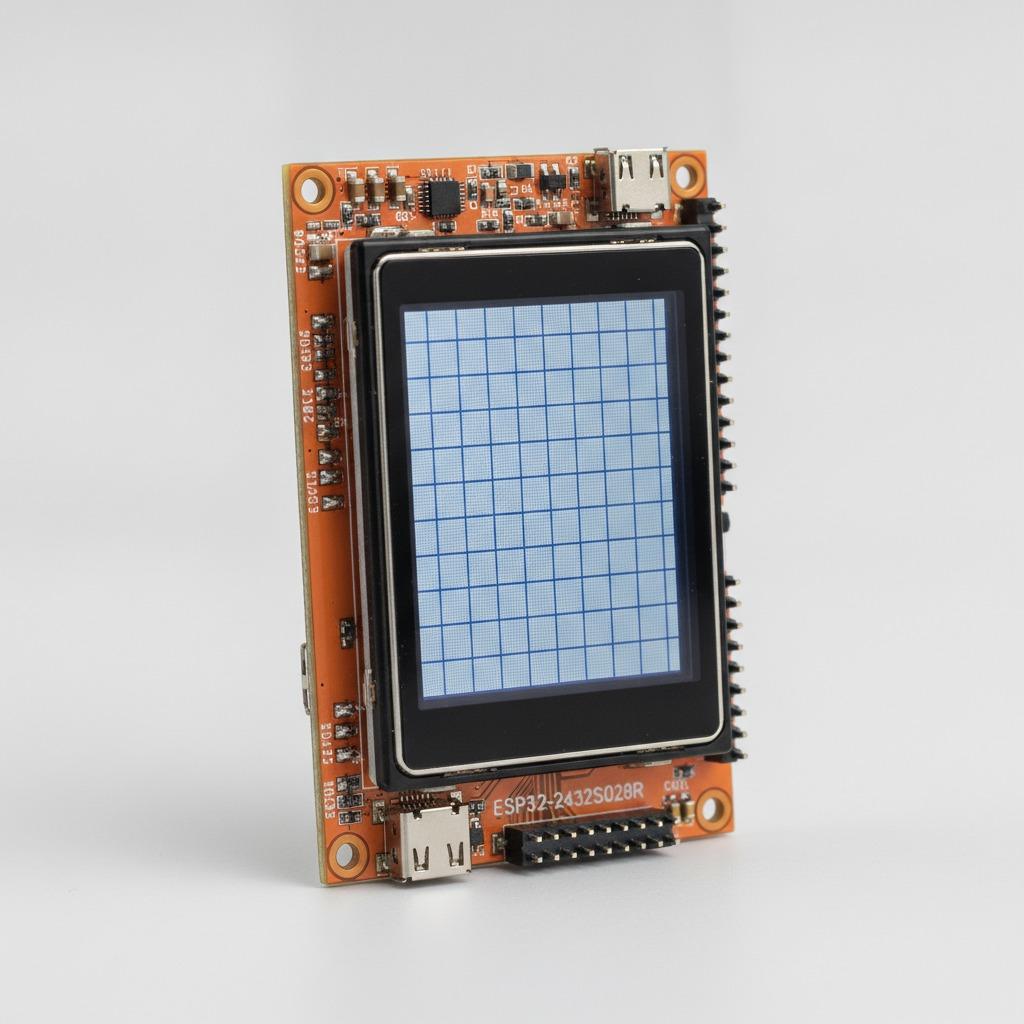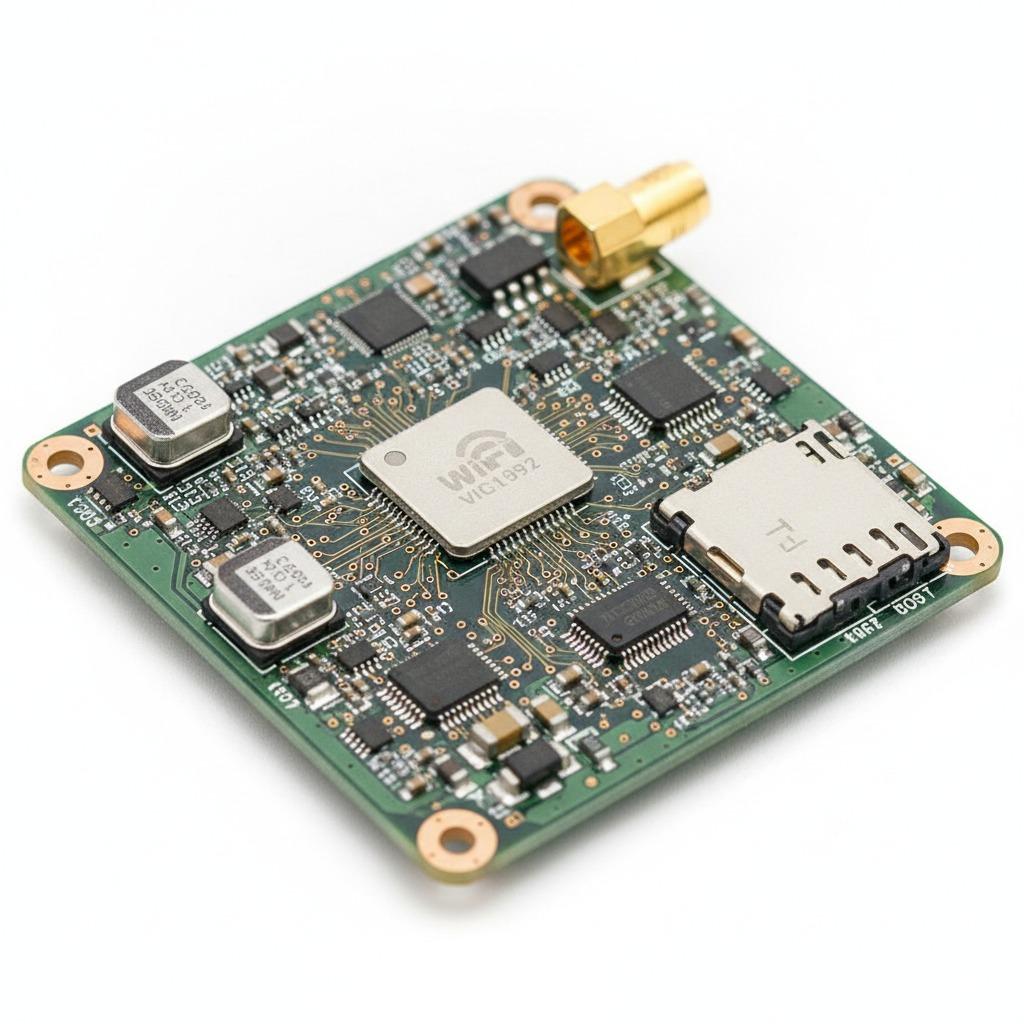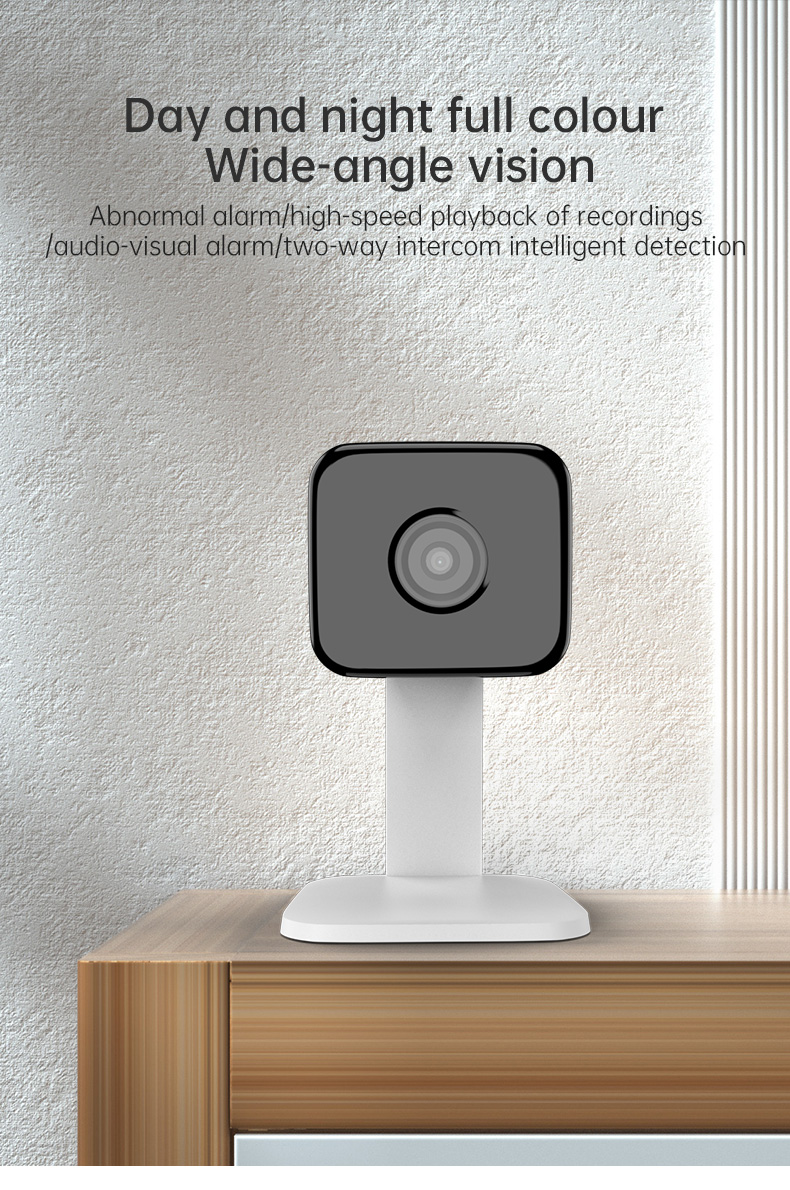
Indoor Monitoring Camera Module Supplier: Stable Imaging for Smart Home and Commercial Devices
Indoor monitoring systems require a camera module that can handle dim rooms, mixed lighting conditions, close-range subjects, and continuous operation. A specialized indoor monitoring camera module supplier develops imaging hardware tailored for these environments, focusing on clarity, color accuracy, reliable exposure, and compact integration.
From smart home cameras and baby monitors to retail security units and office access devices, indoor monitoring modules support a wide range of products that depend on stable visual performance around the clock.
1. Imaging Architecture Tuned for Indoor Environments
Indoor lighting is inconsistent — sometimes too dim, sometimes overly warm, often mixed with window light. A camera module designed for indoor monitoring must adapt quickly.
Key imaging features include:
-
High-sensitivity CMOS sensors for low ambient light
-
Balanced exposure control to prevent bright spots near lamps or windows
-
High SNR (Signal-to-Noise Ratio) for clean night footage
-
HDR/WDR processing to handle shadows and contrast in living rooms, stores, or hallways
-
Fast auto-exposure algorithms for sudden lighting transitions
These features ensure the module captures consistent detail whether the user is monitoring children, pets, employees, or indoor spaces.
2. Optical Design That Matches Indoor Viewing Distances
Indoor monitoring cameras usually sit in corners, on shelves, or near doorways, requiring optics optimized for short-to-medium distances.
Typical optical characteristics include:
-
Wide Field of View (90°–140°) to cover rooms with minimal blind areas
-
Large apertures (F1.6–F2.0) for improved brightness in dim environments
-
Low-distortion lenses to maintain accurate indoor proportions
-
IR-cut filters for daytime color accuracy
-
IR-compatible lens structures for night vision performance
Whether capturing an entire living room or a retail entry point, the optics must balance coverage and clarity.
3. PCBA Architecture Supporting Long-Term Continuous Monitoring
Indoor monitoring devices often run 24/7. A stable PCBA design is critical for uninterrupted imaging.
Core PCBA features:
-
Low-ripple voltage regulation supporting consistent exposure
-
High-speed MIPI or DVP routing for real-time video output
-
EMI shielding to resist interference from Wi-Fi routers and smart home hubs
-
Thermal pathways designed for plastic housings where airflow is limited
-
Automated SMT assembly improving solder strength and module reliability
A well-designed PCBA ensures that the module remains stable even when installed in compact enclosures with limited heat dissipation.
4. ISP Tuning for Natural Indoor Color and Smooth Motion
Indoor scenes vary by room type, wall color, lamp temperature, and object reflectivity. A finely tuned ISP allows the module to handle these variations.
ISP optimization includes:
-
Automatic white balance (AWB) for warm or cool lighting
-
Low-light noise reduction preserving detail
-
Motion-adaptive algorithms for walking subjects or pets
-
Highlight control near reflective surfaces
-
Skin-tone calibration for home and office monitoring
This tuning ensures the footage remains natural and easy to analyze regardless of where the device is installed.
5. Day–Night Operation with Infrared Compatibility
Even indoors, nighttime conditions can be extremely dark. A monitoring module must maintain clarity when illumination drops.
Key IR features:
-
IR-cut switching for daytime accuracy
-
IR-pass mode for nighttime grayscale clarity
-
Lens coatings optimized for infrared wavelengths
-
Compatibility with 850 nm and 940 nm IR LEDs
-
Reduced halo effect for close objects at night
These capabilities ensure the module captures identifiable images even when the user is away or asleep.
6. Reliability and Quality Validation for Indoor Deployment
Indoor monitoring devices must withstand frequent power cycles, continuous streaming, and temperature fluctuations caused by enclosed housings.
| Test Type | Purpose | Typical Range |
|---|---|---|
| Aging test | Validate long-term operation | 48–120 hours |
| Low-light test | Ensure usability in dim rooms | <0.1 lux |
| WDR test | Handle window + indoor contrast | ≥90 dB |
| Thermal test | Confirm stability in compact devices | -10°C to +60°C |
| Humidity test | Prevent lens fogging | 60°C / 90% RH |
| Focus consistency | Maintain clarity across batches | ±3–5 µm tolerance |
These tests ensure the module performs reliably in homes, offices, and retail environments.
7. Applications Supported by Indoor Monitoring Modules
A capable indoor monitoring camera module supplier supports diverse product categories:
Smart Home Devices
-
Indoor IP cameras
-
Baby monitors
-
Pet cameras
-
Smart assistants with imaging
Commercial and Enterprise Use
-
Retail anti-theft systems
-
Office access monitoring
-
Warehouse tracking cameras
IoT and Embedded Systems
-
Smart door panels
-
Indoor robots
-
Environmental monitoring devices
Across all these scenarios, reliability, low-light clarity, and compact integration are the core requirements.
8. Why Choose a Professional Indoor Monitoring Camera Module Supplier
A specialized supplier provides:
-
Customizable optics, PCBA, and FOV options for different device types
-
Consistent batch quality via automated calibration and testing
-
Low-light and WDR tuning optimized specifically for indoor use
-
Flexible module shapes and interfaces for IoT and smart home designs
-
Stable long-term supply for OEM product lines
Working with the right supplier helps brands accelerate development and deliver a better user experience.
Stable Indoor Imaging Starts With the Right Module
Indoor monitoring cameras depend on consistent, low-noise imaging that works in both bright and dim environments. A professional indoor monitoring camera module supplier provides the architecture, tuning, and reliability needed to support smart home and commercial monitoring solutions.
For custom indoor camera modules or tailored imaging system recommendations, visit www.hcdpcba.com or reach our team through the contact page.