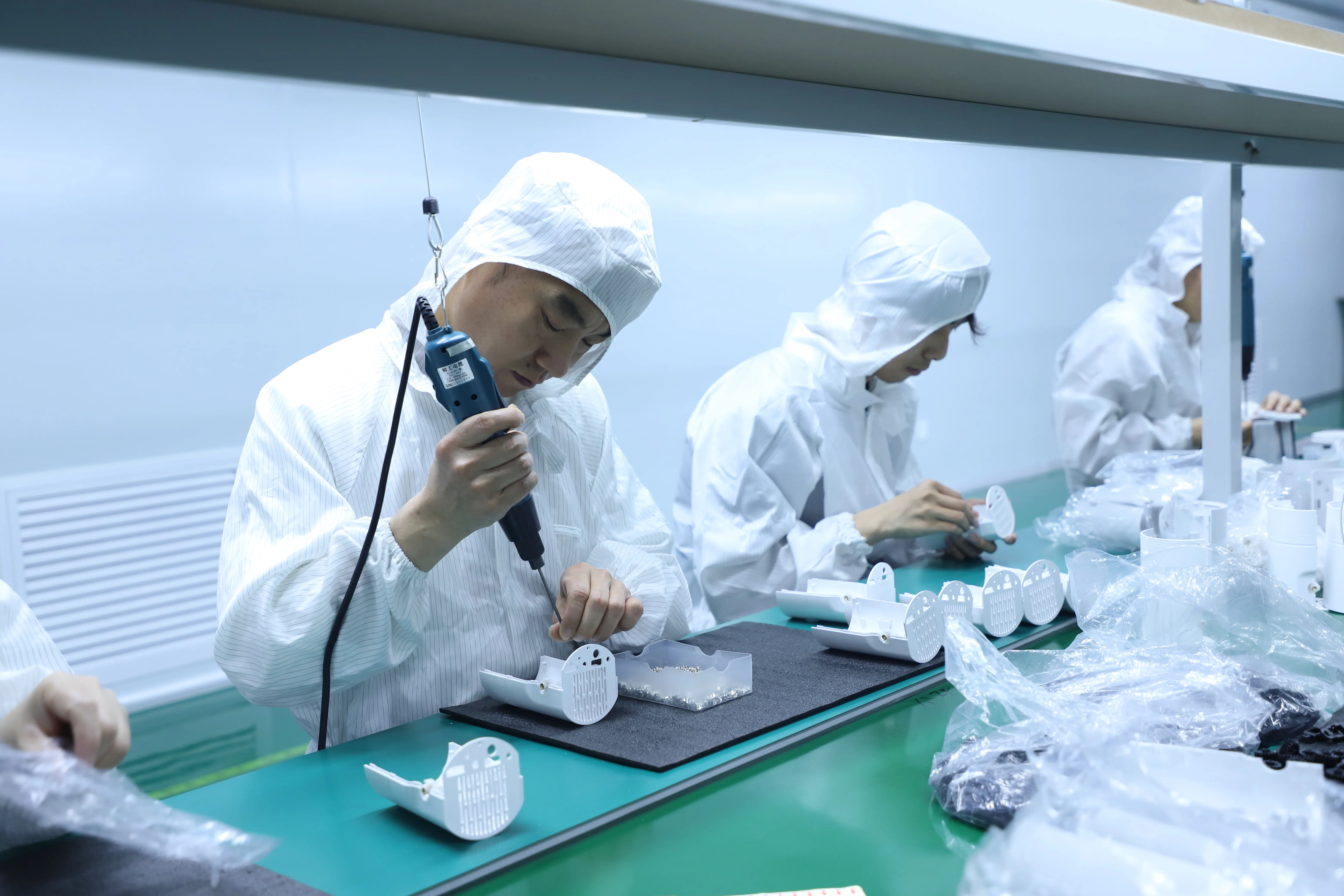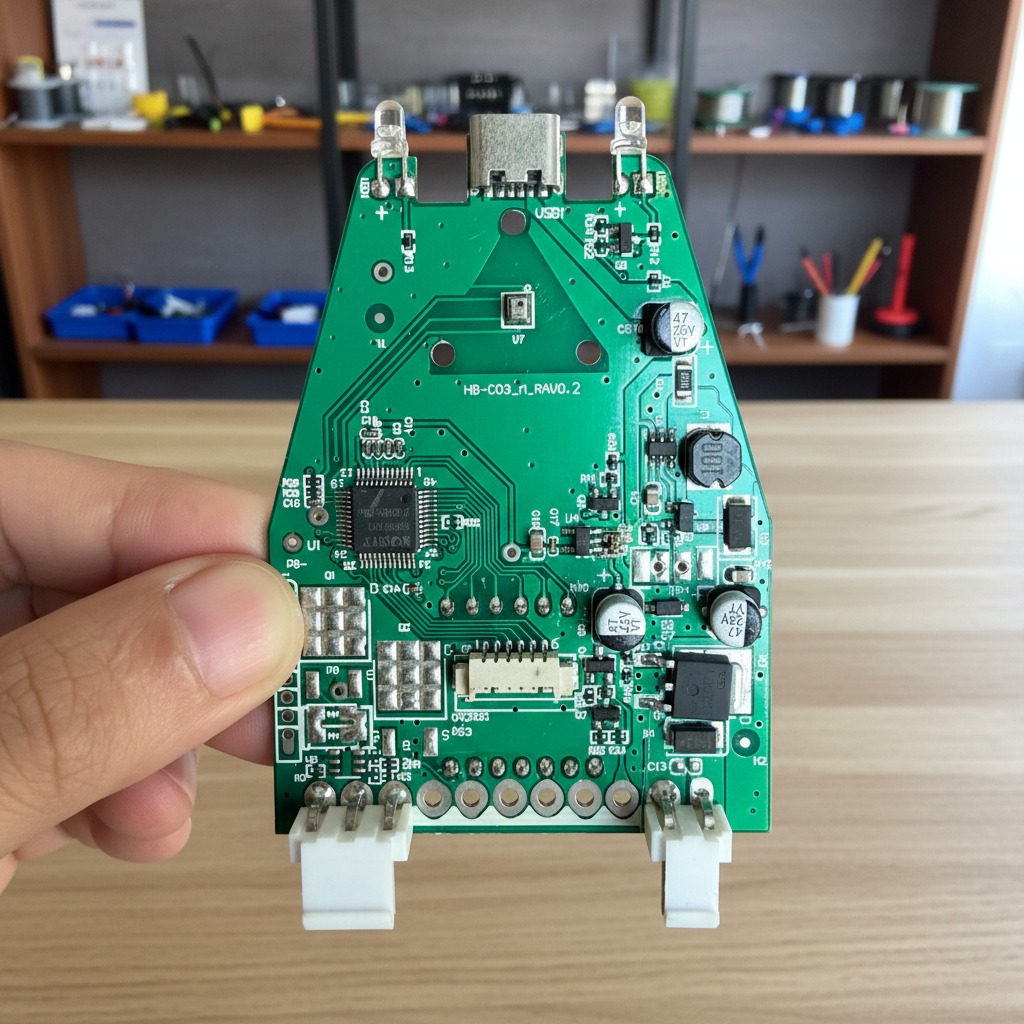
Automotive electronics are not judged by how they perform on day one.
They are judged by how they behave after years of vibration, temperature cycling, voltage fluctuation, and continuous operation inside a vehicle environment.
This is why selecting an automotive electronics PCBA manufacturer is fundamentally different from choosing a general electronics assembler. In automotive programs, manufacturing consistency, process discipline, and long-term repeatability are as critical as the circuit design itself.
Why Automotive PCBA Manufacturing Operates Under Different Rules
Automotive electronics function within one of the harshest environments for electronic assemblies. Even small manufacturing deviations can translate into long-term reliability risks.
Key challenges specific to automotive PCBA production include:
-
Wide operating temperature ranges
-
Continuous mechanical vibration and shock
-
Electrical noise and transient voltage events
-
Long service life expectations without redesign
An experienced automotive electronics PCBA manufacturer treats these conditions as baseline requirements, not exceptional cases.
Consistency Across Batches Matters More Than Peak Performance
In automotive programs, variation is often more dangerous than outright failure. A board that performs slightly differently across batches can cause unpredictable system behavior at the vehicle level.
Manufacturing controls that reduce batch-to-batch variation include:
-
Locked soldering and reflow parameters validated during pilot builds
-
Controlled placement accuracy for connectors, MCUs, and power components
-
Defined change control procedures for materials and process updates
Manufacturers applying these controls typically achieve:
-
20–30% reduction in batch-to-batch electrical variance
-
Lower incident rates during system-level validation
This level of repeatability is a core capability of a qualified automotive electronics PCBA manufacturer.
Process Discipline as the Foundation of Automotive Reliability
Automotive PCBA reliability is built through disciplined execution, not additional testing alone.
Key process-focused practices include:
-
Root-cause elimination of recurring defects rather than isolated fixes
-
Work instruction standardization across shifts and lines
-
Traceability at board, component, and process level
When these practices are consistently applied, manufacturers often observe:
-
15–25% reduction in latent defects detected during extended testing
-
More predictable yield during long production runs
Inspection and Validation Aligned with Automotive Risk Profiles
Inspection strategies for automotive electronics must focus on failure impact, not cosmetic perfection.
Automotive Electronics PCBA Inspection Structure
| Inspection Stage | Applied Scope | Reference Impact |
|---|---|---|
| In-line inspection | Critical signal & power paths | Early defect containment |
| AOI | Fine-pitch & connector zones | 20–30% reduction in assembly escapes |
| Electrical testing | Functional logic & interfaces | Prevents early system faults |
| Environmental sampling | Temperature & vibration exposure | Identifies latent risks |
| Traceability review | Batch and revision tracking | Simplifies failure analysis |
This approach ensures reliability without unnecessary inspection overhead.
Managing Long Production Lifecycles Without Disruption
Automotive electronics programs often span multiple years, during which component availability and process conditions inevitably change.
In structured automotive PCBA manufacturing:
-
Approved alternates are validated early under automotive conditions
-
BOM changes follow controlled review rather than reactive substitution
-
Production data is monitored for gradual drift over time
An established automotive electronics PCBA manufacturer typically helps customers achieve:
-
10–15% reduction in lifecycle-related disruptions
-
Lower requalification frequency
-
More stable long-term cost structure
Where Automotive PCBA Manufacturing Discipline Is Most Critical
This level of manufacturing control is especially important for:
-
Vehicle control units
-
Power management and distribution modules
-
Sensor and actuator interface boards
-
Infotainment and communication systems
In these applications, manufacturing discipline directly supports vehicle safety, system reliability, and brand reputation.
Frequently Asked Questions
Q1: Why are automotive PCBA standards stricter than consumer electronics?
Because failure impact is higher and operating conditions are more demanding.
Q2: Can automotive PCBA production scale gradually?
Yes, but only with locked processes and disciplined change control.
Q3: Does manufacturing variation affect vehicle-level behavior?
Yes. Small PCBA variations can amplify at the system integration level.
Why Automotive Electronics Demand Manufacturing Consistency
A capable automotive electronics PCBA manufacturer delivers more than assembled boards. It provides controlled processes, repeatable output, and long-term production stability that automotive programs depend on. When manufacturing discipline aligns with automotive operating realities, electronics systems remain predictable throughout their service life.
If you are evaluating whether a manufacturer’s process structure can support automotive electronics programs over the long term, reviewing real production controls and traceability practices is a practical starting point. You can learn more about our PCBA manufacturing capabilities and automotive project experience by visiting:
👉 https://www.hcdpcba.com
For projects involving vehicle electronics, long lifecycle requirements, or strict consistency expectations, discussing your specific application directly often clarifies whether a manufacturing partner is the right fit. You are welcome to contact our team here:
👉 https://www.hcdpcba.com/en/contact-us