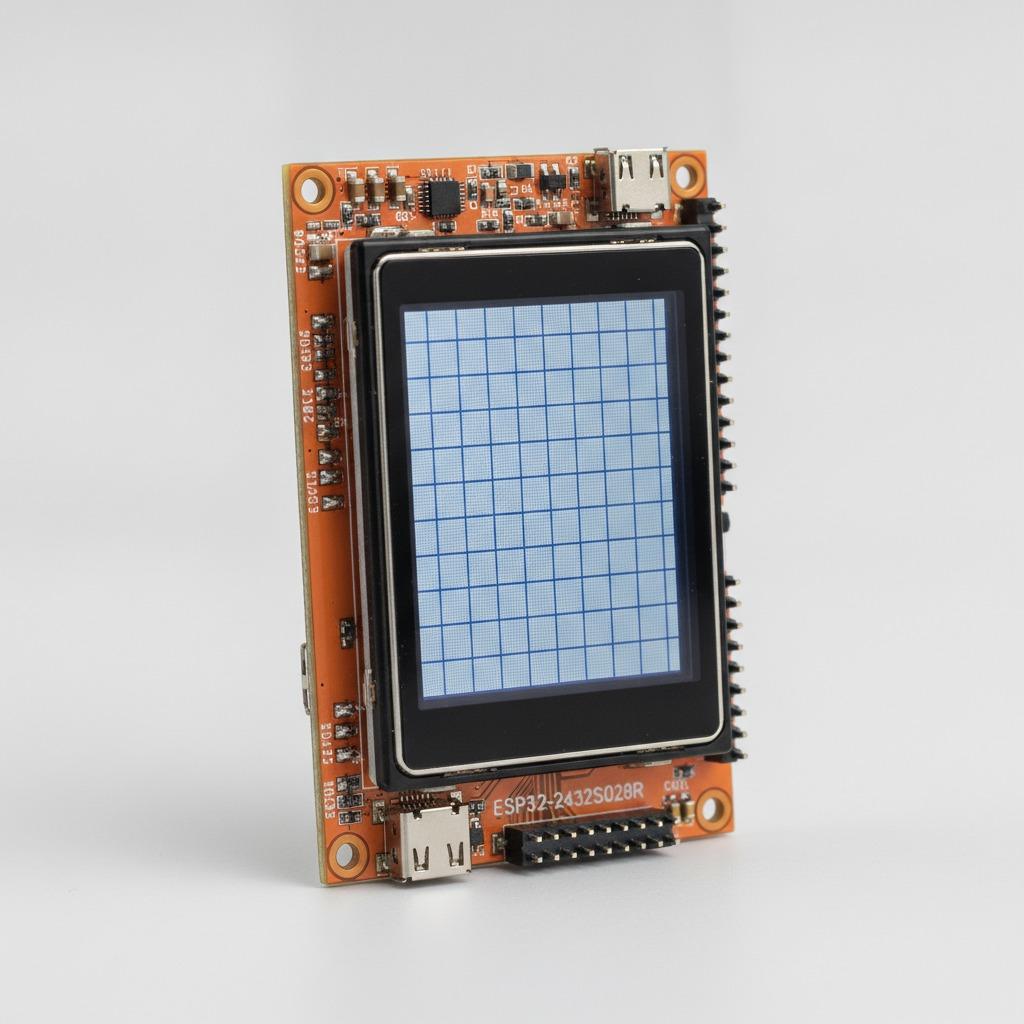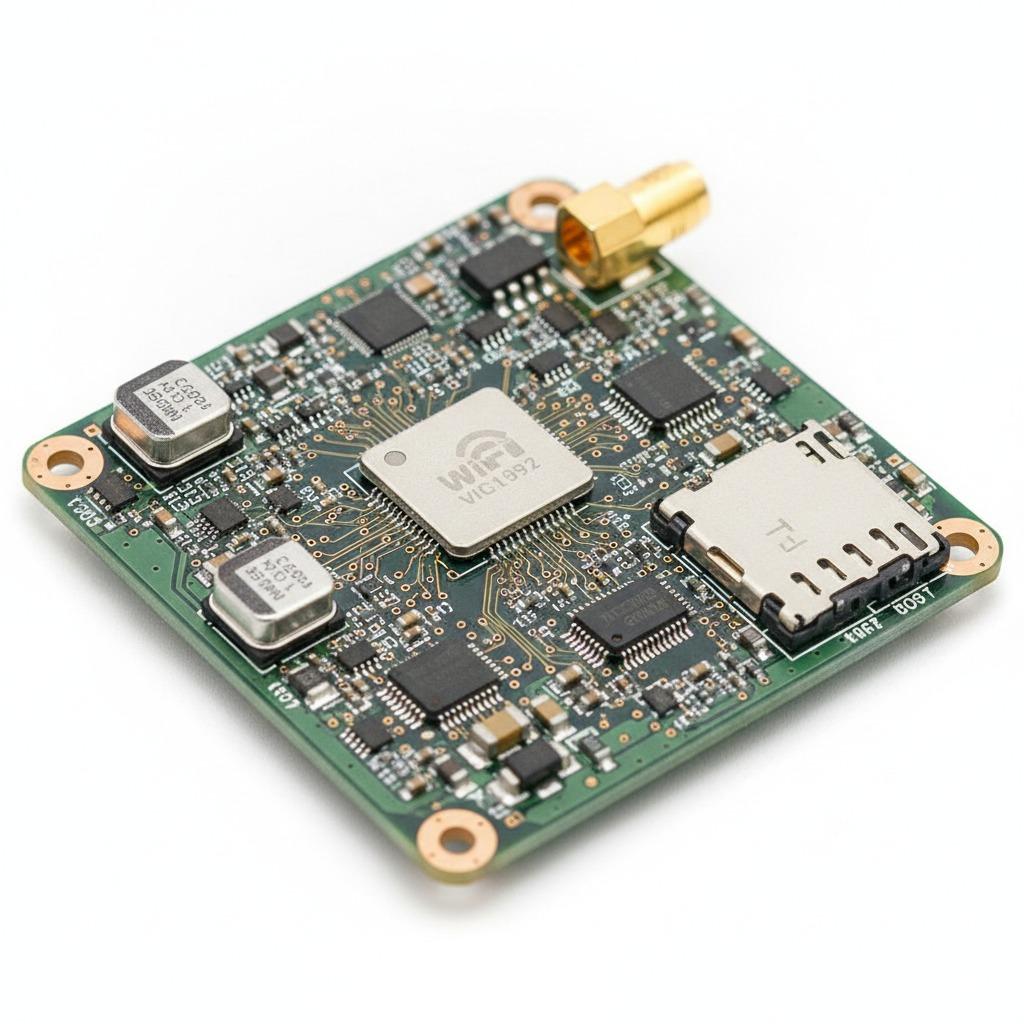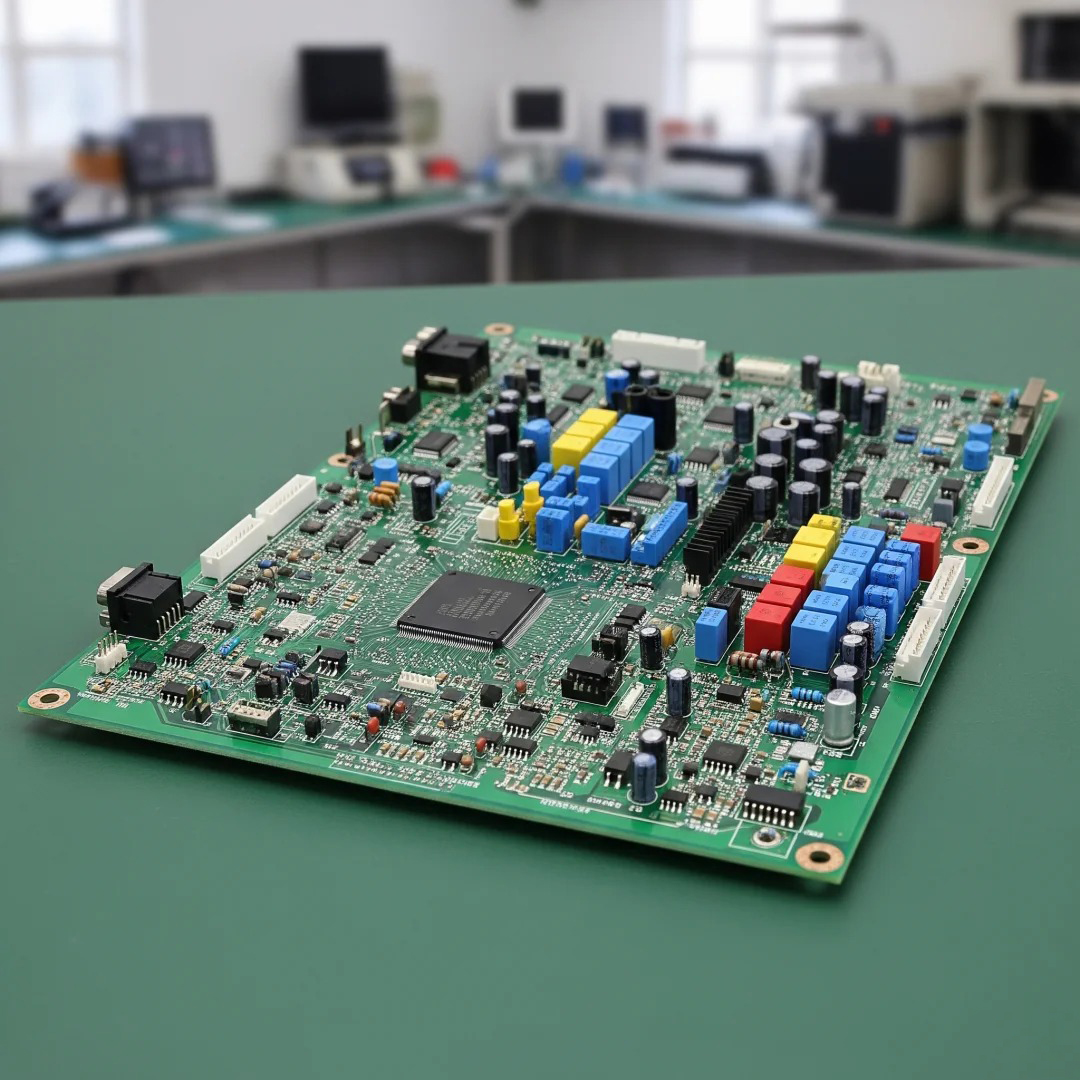
Turnkey PCBA Manufacturing: End-to-End Solutions for Faster, Smarter Product Development
Turnkey PCBA manufacturing streamlines the entire journey of building an electronic product.
Instead of managing multiple vendors for sourcing, assembly, inspection, and testing, OEMs rely on a single provider capable of delivering fully assembled, fully tested electronic boards ready for integration.
This approach reduces supply chain friction, minimizes production delays, and ensures consistent quality across consumer electronics, industrial controllers, IoT devices, camera systems, wearables, and medical equipment.
1. What Makes Turnkey PCBA Manufacturing Different
Traditional PCB assembly requires brands to coordinate component procurement, incoming quality checks, and logistics. Turnkey manufacturing eliminates this fragmentation.
A turnkey provider manages:
-
Component sourcing
-
PCB fabrication
-
SMT & THT assembly
-
Testing and validation
-
Packaging and delivery
This single-channel structure gives brands three critical advantages: speed, consistency, and lower operational overhead.
2. Component Sourcing and Supply Chain Management
Reliable manufacturing begins with reliable components.
Turnkey PCBA partners handle procurement through vetted distributors and manufacturers, ensuring accuracy in both availability and quality.
Key sourcing benefits include:
-
BOM optimization to reduce cost and prevent part mismatches
-
Access to global component inventories to avoid shortages
-
Traceable procurement records
-
Real-time stock alternatives for EOL or hard-to-find components
This reduces purchasing errors and prevents costly production delays.
3. SMT Assembly: High-Speed, High-Accuracy Production
SMT is the core step of PCBA manufacturing. Turnkey facilities operate advanced SMT lines capable of placing thousands of components per minute, from micro BGAs to high-density QFNs.
Core SMT capabilities include:
-
01005–0402 component support
-
Fine-pitch placement for ICs and sensors
-
Automated solder paste inspection (SPI)
-
Reflow profiling customized for each material set
-
High-density PCB support for compact devices
A well-tuned SMT process ensures stable performance across high-mix and high-volume production.
4. Through-Hole Assembly and Selective Soldering
While SMT dominates modern electronics, many products still require THT components such as connectors, transformers, power modules, or large electrolytic capacitors.
Turnkey assembly integrates:
-
Wave soldering for batch production
-
Selective soldering for sensitive boards
-
Manual soldering stations for complex designs
This versatility supports consumer electronics, camera modules, industrial controls, and automotive hardware.
5. Testing and Quality Validation: The Foundation of Turnkey Manufacturing
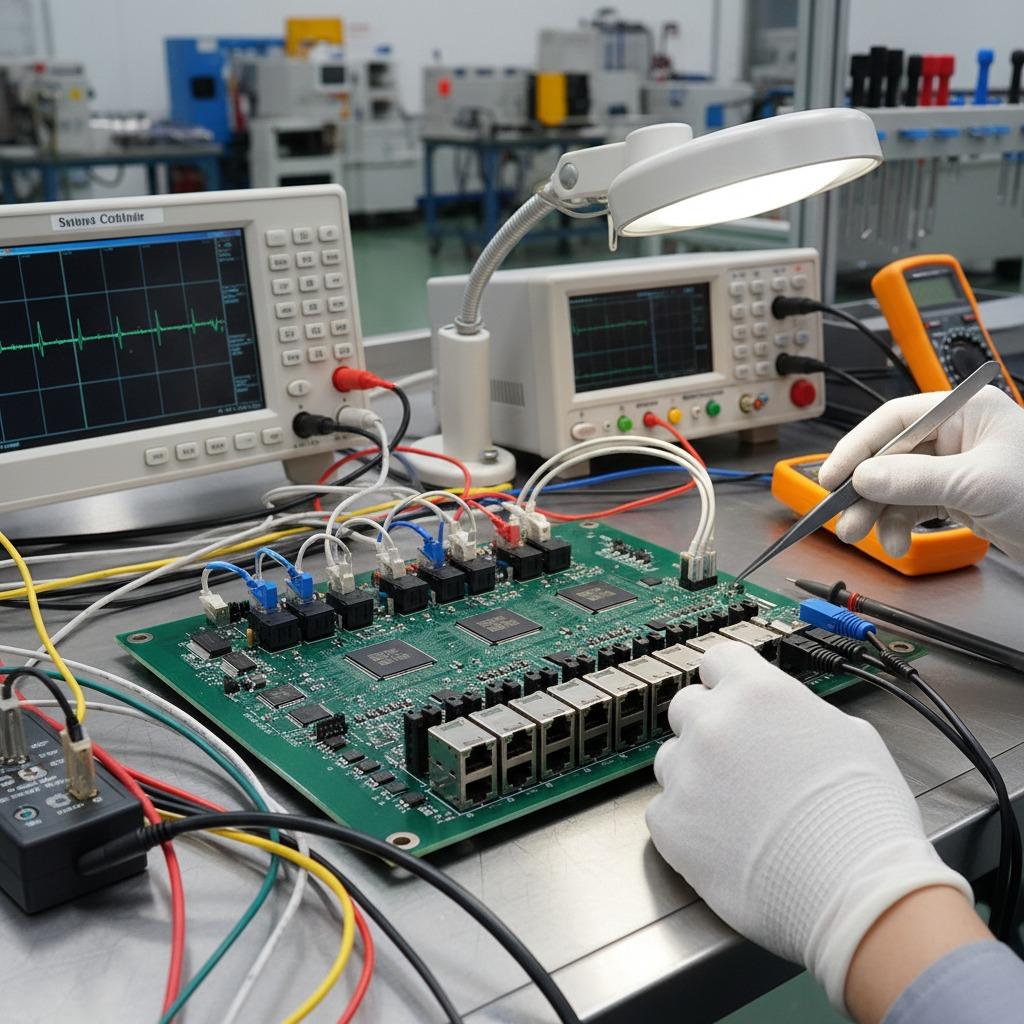
A true turnkey PCBA process includes extensive testing to ensure each board performs reliably before entering a device.
Typical testing layers include:
-
Automated Optical Inspection (AOI)
-
X-ray analysis for BGAs and hidden joints
-
In-circuit testing (ICT) for electrical continuity
-
Functional testing with customer-provided firmware
-
Burn-in testing for boards requiring long-term stability
These tests reduce field failure rates and ensure consistent batch quality.
6. Firmware Loading and System-Level Integration
Many products now require firmware programming before final assembly.
Turnkey providers integrate programming stations and test jigs into the production flow.
Capabilities include:
-
Firmware flashing
-
Serial number writing
-
Calibration for sensors or camera modules
-
Boot verification
-
System-level testing with enclosures
This ensures that each PCBA arrives ready for installation with minimal additional work.
7. Packaging, Assembly, and Final Delivery
Turnkey manufacturing simplifies the final steps before the product reaches end customers.
A complete solution includes:
-
Protective packing for sensitive electronics
-
Custom labeling and traceability codes
-
Anti-static handling throughout the packaging process
-
Bulk, tray, or tape-and-reel delivery options
-
Drop-shipping or direct fulfillment for large projects
This structured flow streamlines product launch timelines.
8. Why OEMs Choose Turnkey PCBA Manufacturing
The benefit is not just convenience — it is operational advantage.
Brands choose turnkey PCBA manufacturing because it provides:
-
Shorter development cycles
-
Lower total production cost
-
Consistent quality across batches
-
Faster design-to-market execution
-
Reduced coordination workload
-
Better component availability and risk control
-
Simplified documentation and traceability
This is especially valuable for fast-growing companies building IoT devices, smart cameras, consumer electronics, medical devices, and industrial controllers.
Integrated Manufacturing for Faster, More Reliable Product Launches
Turnkey PCBA manufacturing condenses the entire electronics production workflow into a streamlined system.
By relying on a single partner for sourcing, assembly, testing, and delivery, OEMs accelerate development cycles and gain greater control over cost and quality.
For complete turnkey PCBA services or custom assembly requirements, visit www.hcdpcba.com or connect with our engineering team through the contact page.