Why a power adapter PCB deserves more attention than it usually gets
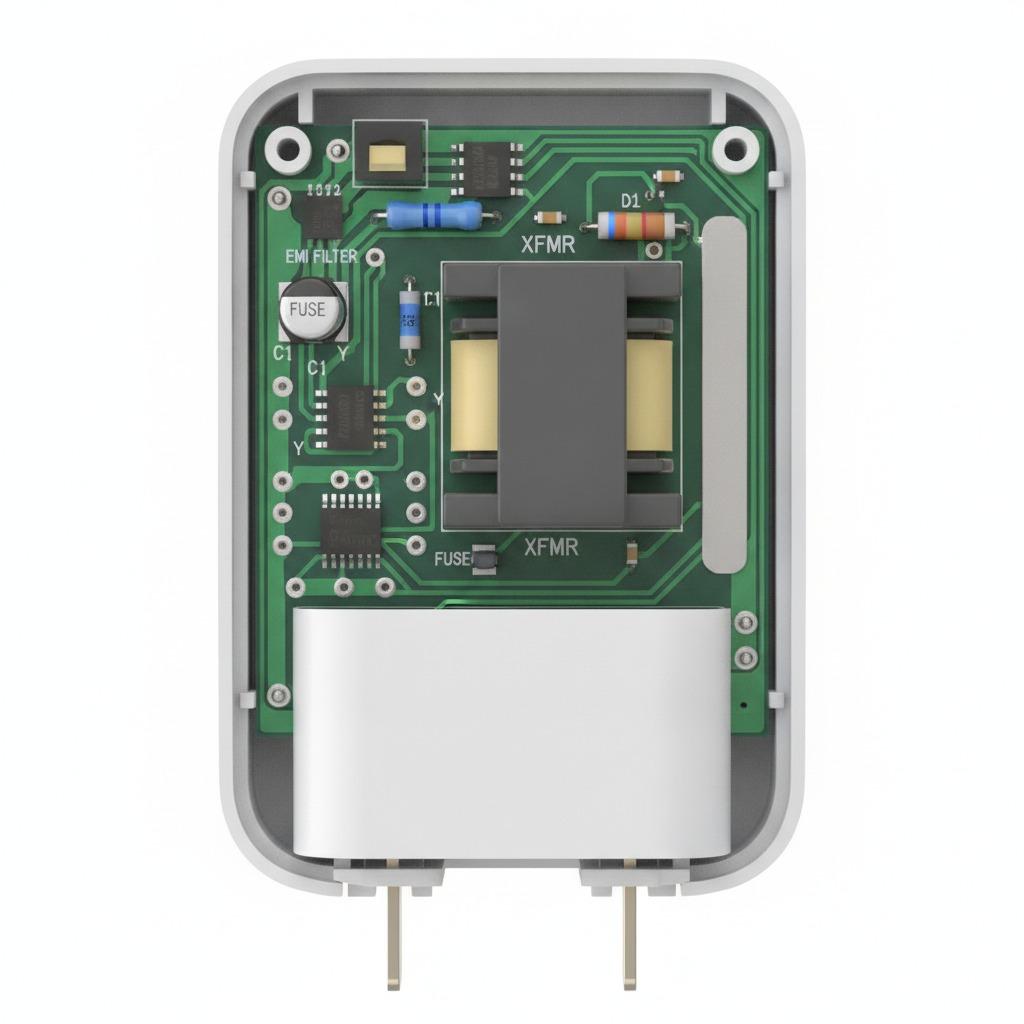
A power adapter pcb is easy to overlook because it sits inside a product that people treat as disposable: a phone charger, a wall adapter, a plug-in supply on the back of a router. But anyone who has dealt with returns, overheating complaints, unstable charging, or a redesign that suddenly fails EMC knows the board is doing the hard work. The adapter may look small, yet the layout, assembly quality, and component choices decide whether the unit runs quietly for years or becomes a service problem after a few months.
For engineers and sourcing teams, the real question is not simply “can this board be built?” It is “can this board be built consistently, at the right cost, with the electrical behavior the product needs?” That is where a careful look at the PCB design, the SMT process, and supplier capability pays off. The same logic applies whether you are working on a mobile charger pcb, a mobile phone charging board, or a more general usb charger circuit board for a consumer or embedded application.
What the board has to do inside a charger
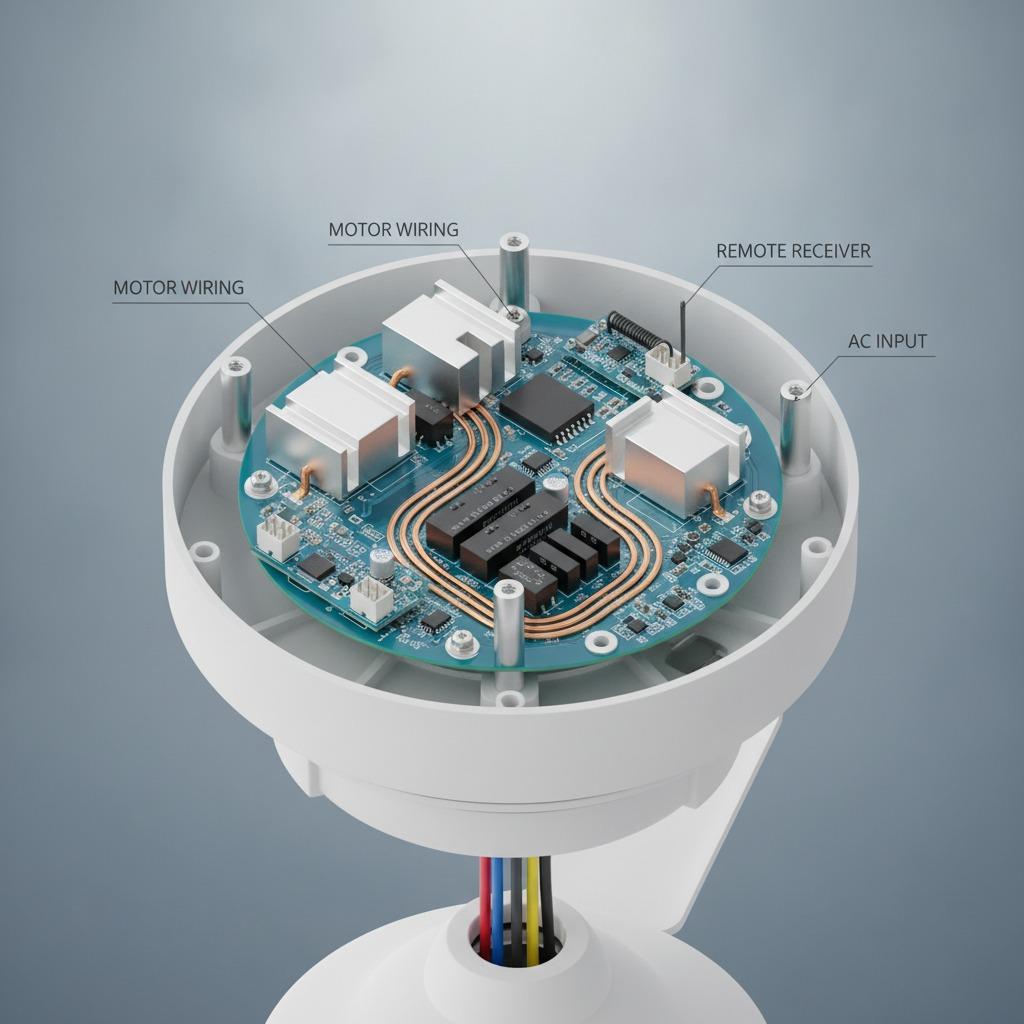
At a practical level, the board inside a charger or adapter handles a narrow but demanding set of jobs: convert power efficiently, keep heat under control, maintain electrical isolation where needed, and survive repeated plugging, load changes, and daily use. On paper that sounds routine. In production, it is less forgiving.
Layout decisions can affect noise, thermal rise, and component stress. Transformer placement, creepage and clearance, copper distribution, and via strategy all matter. So do the more ordinary details that buyers sometimes ignore: solder joint quality, component sourcing consistency, and whether the assembly line is actually set up to hold repeatable process control. A cheap board that looks fine in a photo can still become expensive if it drifts in performance after the first pilot run.
Quick comparison: what buyers usually need to decide
Prototype versus production build
Prototype boards are about proving the circuit and catching layout or thermal issues early. Production boards need repeatability, stable supply chains, and a process that does not wobble when volume increases. If you are buying a PCB For Mobile Charger, this difference matters more than people expect. A clean prototype can still expose weak spots when it moves into assembly at scale.
Off-the-shelf board versus custom design
Off-the-shelf options can shorten development, but they are usually limited in form factor, electrical tuning, and integration. Custom boards offer better fit for enclosure space, thermal paths, and product requirements. They also demand a supplier that can handle design feedback, assembly, and testing without handing the project off between unrelated vendors.
Where hcdpcba fits into the workflow
hcdpcba is positioned as a PCB and PCBA service provider with SMT assembly, PCB prototyping, component sourcing, assembly, testing, and DFMA support. That combination is useful for charger and adapter projects because the handoff between design and manufacturing is often where small errors turn into field failures. The company also notes support for OEM and ODM work, which is relevant when a buyer wants more than bare fabrication and needs a complete build path from concept to finished assembly.
For teams building compact power products, the ability to combine PCB prototype work, SMT贴片, parts sourcing, and testing under one roof can reduce the back-and-forth that slows projects. That is not a guarantee of success, of course; the circuit still has to be designed well. But it does make the production path more orderly, which matters when schedules are tight.
Selection criteria that actually affect cost and reliability
When evaluating a supplier for a power adapter PCB, look beyond the headline claim of “fast and precise.” Ask how they handle multilayer boards if the design calls for them, whether they can support HDI or high-frequency structures when needed, and how they approach inspection and test. Not every charger board needs advanced stackups, but some do need tighter control than a basic low-cost board can offer.
Also pay attention to component sourcing. A mobile charger pcb is only as consistent as the parts loaded onto it. Substitute parts can change thermal behavior, switching performance, or long-term reliability. Sourcing managers should be wary of vague promises here. If a supplier offers代采 or assembly, the discussion should include approved alternates, traceability, and what happens when a preferred part is out of stock.
Common mistakes in charger board projects
One common mistake is treating the board as a commodity while expecting premium performance. Another is pushing for a dense layout without enough thermal margin. In a wall charger, heat has a way of collecting in corners that were never checked closely enough during development. The enclosure may look elegant; the temperature map may tell a different story.
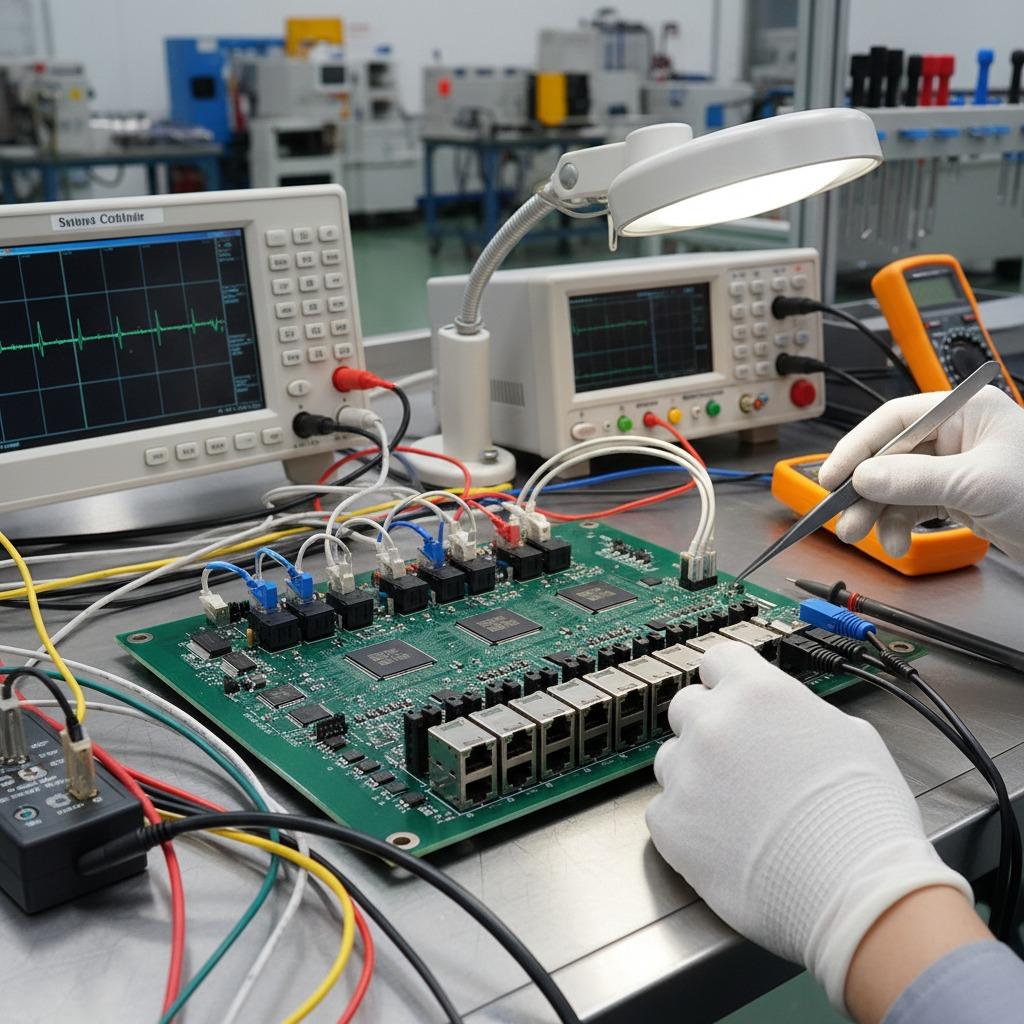
A second mistake is skipping DFMA review. Even a small change in component package or connector position can simplify assembly and reduce defect risk. A third is assuming that testing means only a power-on check. For a usb charger circuit board, meaningful testing should reflect the actual use case: load behavior, charging stability, and assembly quality. The exact test plan depends on the product, but the board should be evaluated like a real product, not just a bench sample.
Practical buyer advice before you request a quote
Before sending out RFQs, gather the essentials: board size, layer count if known, target application, expected volume, enclosure constraints, and any special requirements for assembly or test. If the project is still early, say so. A good manufacturing partner can often help sort the design into something buildable, but only if they see the real constraints rather than a polished sketch.
If your goal is a mobile phone charging board for a consumer device, ask about consistency from first article to mass production. If you are working on a power adapter pcb for an industrial or embedded product, ask more pointed questions about process control, component handling, and the way defects are tracked during assembly. Those details are where many projects either stay on track or quietly slip.
FAQ
Is a charger PCB always a simple board?
No. It may be physically small, but electrical and thermal requirements can make it surprisingly demanding.
Do I need a custom board for every charger project?
Not always. Some projects can use a standard platform, but custom work becomes important when size, power behavior, or enclosure fit starts to matter.
What should I ask a PCB supplier first?
Ask about prototype support, SMT capability, component sourcing, test coverage, and whether they can support DFMA feedback before production starts.
Next step for engineering and sourcing teams
If you are evaluating a power adapter pcb, the safest move is to treat design, assembly, and testing as one chain rather than three separate tasks. That is especially true for charger products, where small process issues can become visible to the end user very quickly. A supplier like hcdpcba, with PCB prototyping, SMT assembly, sourcing, testing, and OEM/ODM support, can be a practical fit when you need both build capability and manufacturing discipline. The right next step is usually a discussion of your board requirements, not just a price request. That conversation tends to reveal more than a dozen spec sheets.