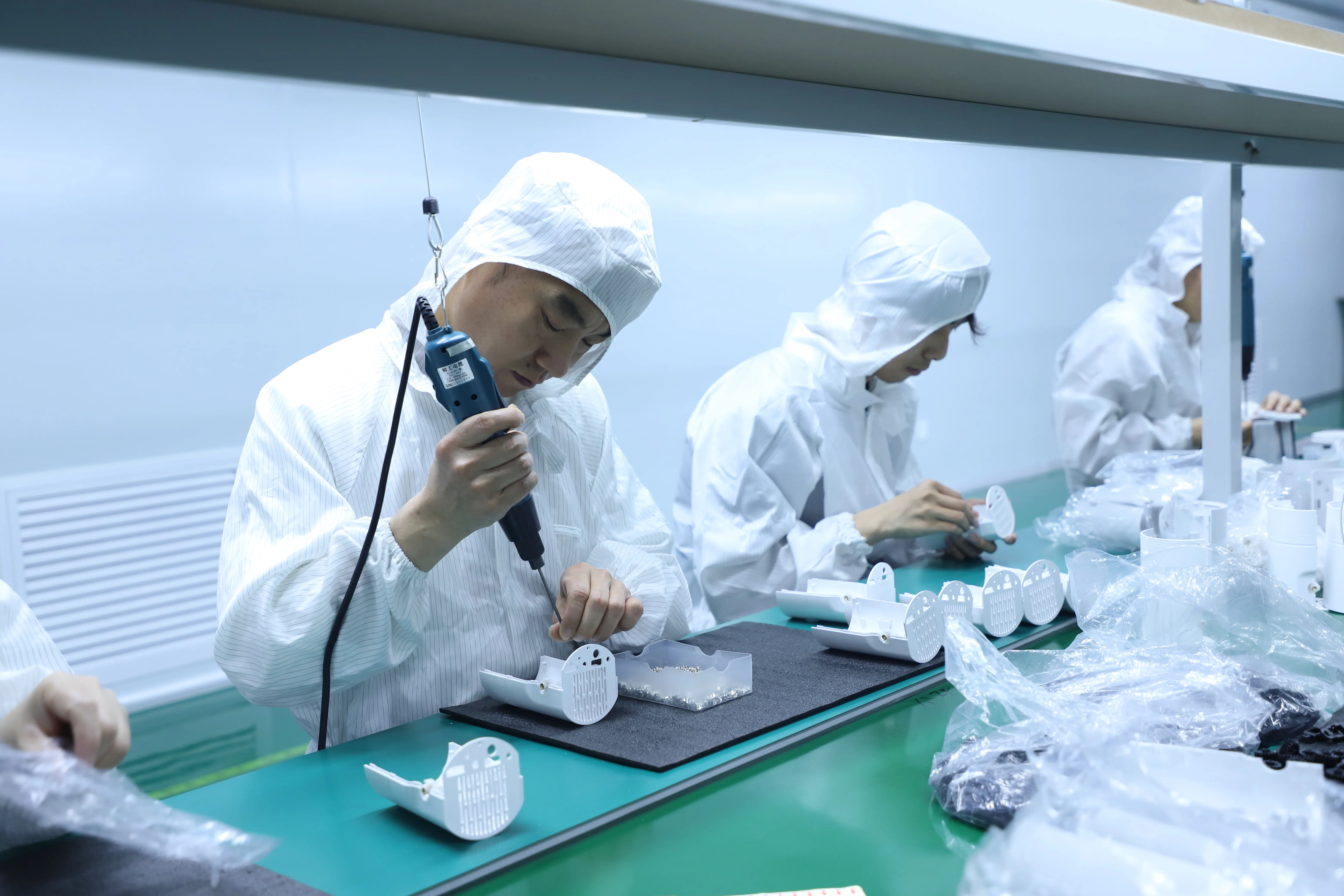
Why HDI matters when your board is getting too dense for comfort
An HDI PCB assembly service is usually not the first thing a team thinks about when a product is still on the whiteboard. It becomes relevant when the layout gets crowded, the enclosure shrinks, or the bill of materials keeps growing while the board area does not. That is the point where standard assembly methods start to feel tight, and design choices begin to affect not just performance, but yield, cost, and time to market.
For engineers, sourcing managers, and product teams, the real question is not whether HDI sounds advanced. The question is whether the product truly needs the density, interconnect performance, and packaging flexibility that HDI brings. If the answer is yes, then the next decision is finding a manufacturing partner that can handle the board, the components, the process discipline, and the downstream testing without turning a compact design into a production headache.
What HDI assembly is solving
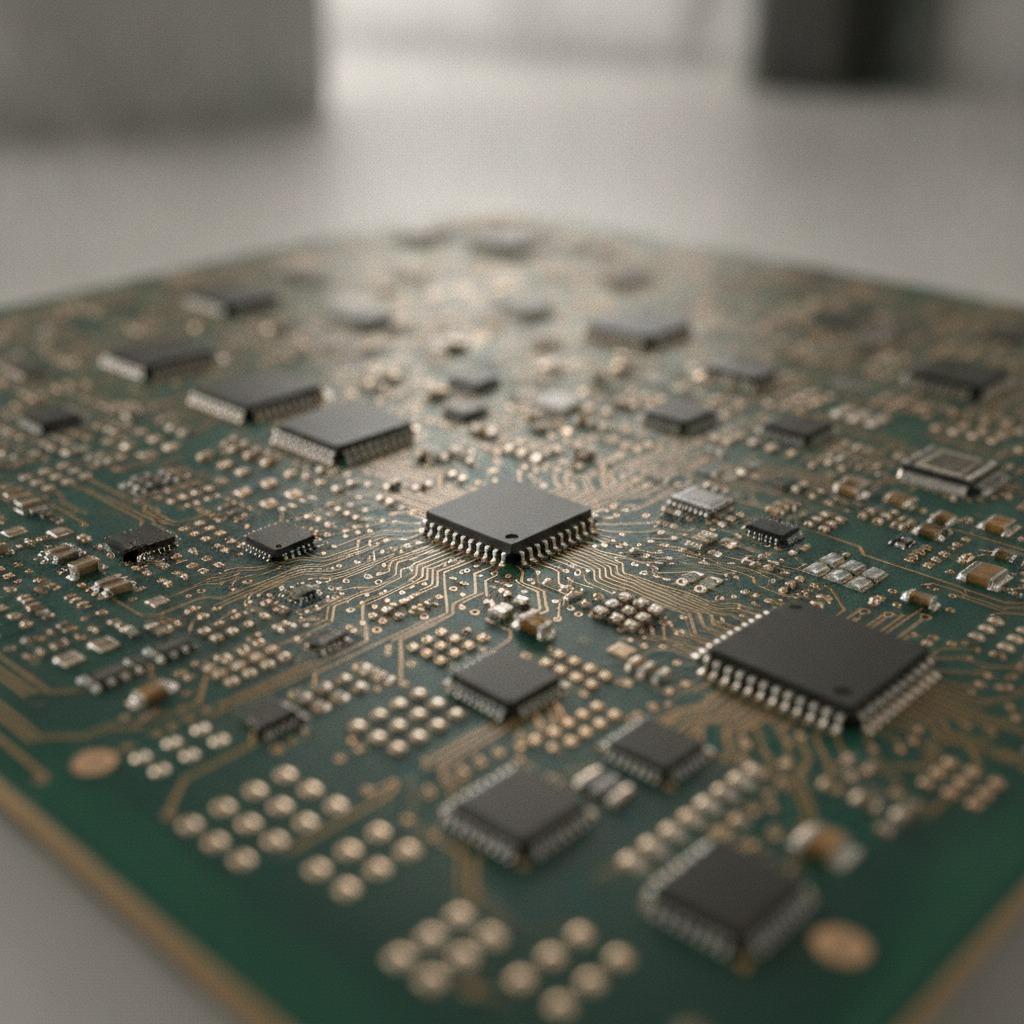
High-density interconnect boards are used when conventional routing and through-hole strategies no longer fit the design. In practical terms, that can mean tighter pitch components, more routing layers, smaller vias, and more demanding signal paths. For products such as industrial controllers, medical modules, automotive electronics, IoT devices, and communication hardware, the push toward smaller and more capable assemblies is not a trend; it is a packaging reality.
hcdpcba positions itself around SMT placement, PCBA boards, PCB prototyping, component sourcing, assembly, testing, DFMA support, and OEM/ODM service. That mix matters because HDI work is rarely just about placing parts on a board. It often demands coordination across fabrication, assembly planning, sourcing, and verification. A shop that understands only one step can miss the production bottlenecks that show up later.
Quick reference: when HDI is worth considering
HDI is usually worth a closer look when a design includes fine-pitch ICs, very limited board area, multilayer routing pressure, or a need to integrate more functions into a smaller footprint. It can also make sense when signal integrity becomes harder to protect with older layout methods. In those cases, a Multi-layer HDI circuit board PCBA may be the most practical route, even if it raises the bar for manufacturing control.
It is not always the cheapest route, and that is the part some teams underestimate. HDI should be chosen because it solves a technical or product-level problem, not because it sounds premium on a quote sheet.
Board materials and finishes: details that affect assembly
HDI assembly does not happen in a vacuum. The board stack-up, lamination structure, and surface finish all influence build quality. One related item often seen in procurement discussions is an FR4 immersion gold PCB board. FR4 is still widely used as a base material in many electronics builds, while immersion gold is valued for solderability and contact quality on many fine-feature assemblies. That combination can be relevant when the design needs stable assembly behavior and consistent pad finish, though the final material choice always depends on the electrical and mechanical demands of the product.
For compact compute or wireless products, teams often look at an ESP32 S3 module PCBA manufacturing flow as a reference point for how dense integration, wireless function, and board-level assembly come together. In those jobs, the challenge is not only mounting the module, but also managing RF-sensitive layout, reliable solder joints, and a clean assembly process around nearby passives and connectors.
What a capable HDI assembly partner should handle
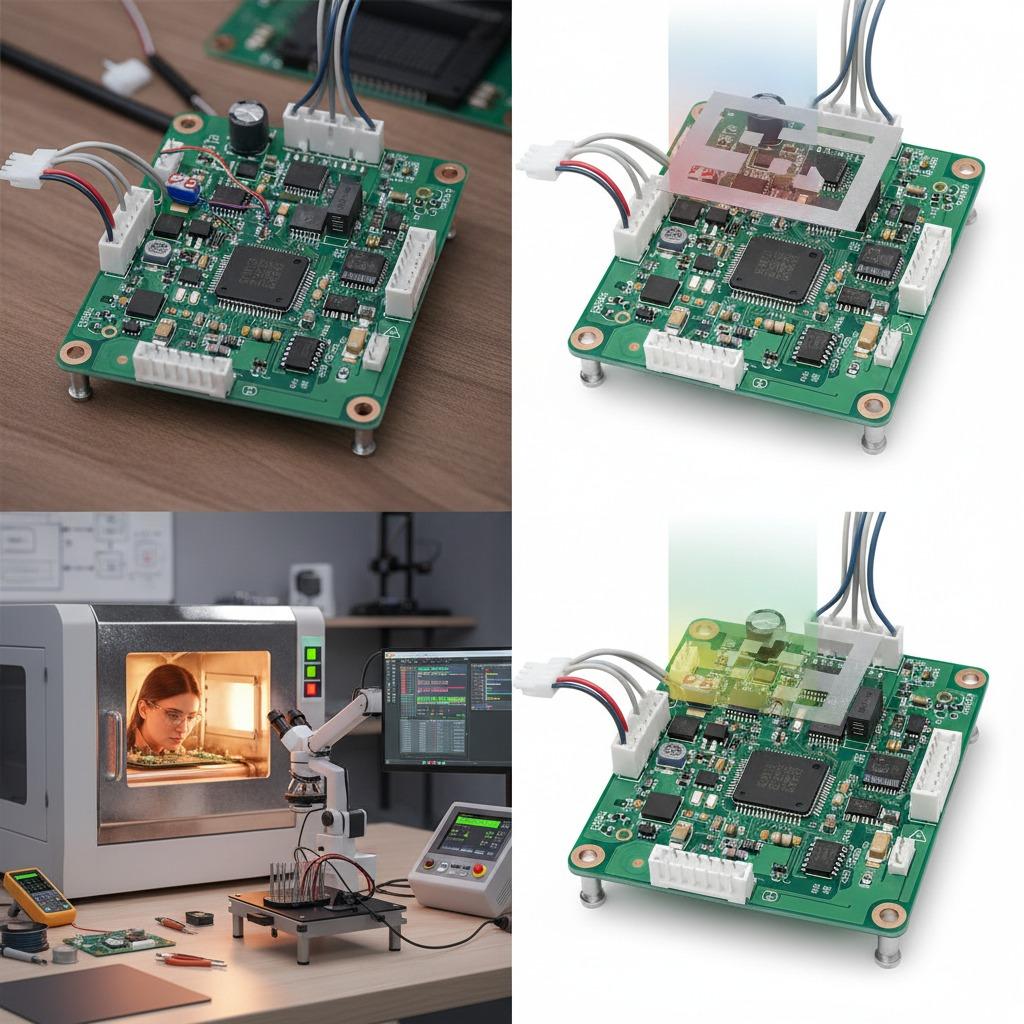
A good Custom PCB assembly OEM provider should be able to support more than basic placement. At minimum, the workflow should cover component procurement, SMT assembly, inspection, testing, and a manufacturing review before the build starts. hcdpcba’s listed DFMA service is especially relevant here, because manufacturability feedback can catch layout or assembly risks before they become scrap or rework.
For HDI builds, practical capabilities matter more than slogans. Look for disciplined material control, experience with multilayer boards, and a clear process for handling small components, dense footprints, and mixed board complexity. If the project includes industrial, medical, or automotive electronics, the manufacturing partner should also be comfortable with documentation and repeatability, even if the final specification is still being finalized.
Common mistakes buyers make
One common mistake is treating board fabrication and board assembly as separate purchasing events. On an HDI job, they are linked. A small change in via structure, finish, or layer count can affect placement, soldering, inspection, and final test. Another mistake is underestimating component availability. If the sourcing plan is weak, even a well-designed board can stall.
Teams also sometimes optimize only for miniaturization and forget serviceability. That is a real tradeoff. A tighter layout may improve product size, but it can complicate rework, inspection, and long-term field support. The better answer depends on the product’s lifecycle, not just the prototype goal.
Practical buying advice for sourcing and engineering teams
When evaluating an HDI PCB assembly service, ask how the provider handles incoming BOM checks, alternate sourcing, assembly feedback, and test coverage. Ask whether they can support small-batch builds as well as larger production runs. hcdpcba states that it supports both small and large SMT production without an engineering fee, which may be useful for teams moving from prototyping to pilot builds, though exact project fit still depends on the part mix and board complexity.
It also helps to discuss confidentiality early. Custom electronics projects often involve product plans that are not yet public, and a one-to-one service model with protective measures can reduce friction for OEM and ODM work. That is not glamorous, but it is the kind of detail that keeps a launch on track.
A few questions worth asking before you place the order
Can the assembly house support the board complexity?
Check whether they routinely handle multilayer and HDI-style assemblies, not just standard SMT jobs.
Will they help identify design risks?
DFMA support is valuable when the layout is dense and the cost of a late change is high.
Is testing part of the process?
For industrial and control products, assembly without verification is a weak plan. Testing should be part of the discussion from the start.
What to do next
If your product is moving toward a tighter footprint, a finer pitch, or a more complex board stack, it is worth reviewing your assembly plan before the design freezes. An early conversation with a manufacturer like hcdpcba can help determine whether the project is better suited to standard assembly, multilayer HDI, or a more integrated OEM/ODM approach. In dense electronics, the cheapest mistake is often the one you never let reach the line.
For teams balancing performance, manufacturability, and delivery, that is usually where the real value of an HDI PCB assembly service shows up.