
Welding Machine PCB Board Overview
A welding machine pcb board is the control and interface foundation behind stable welding equipment operation, and it solves a common buyer problem: how to keep power delivery, timing, and signal control consistent in a demanding industrial environment. For OEMs, repair teams, and equipment developers, the board must support reliable switching, clear signal routing, and repeatable assembly quality so the final machine performs as expected during production or maintenance work.
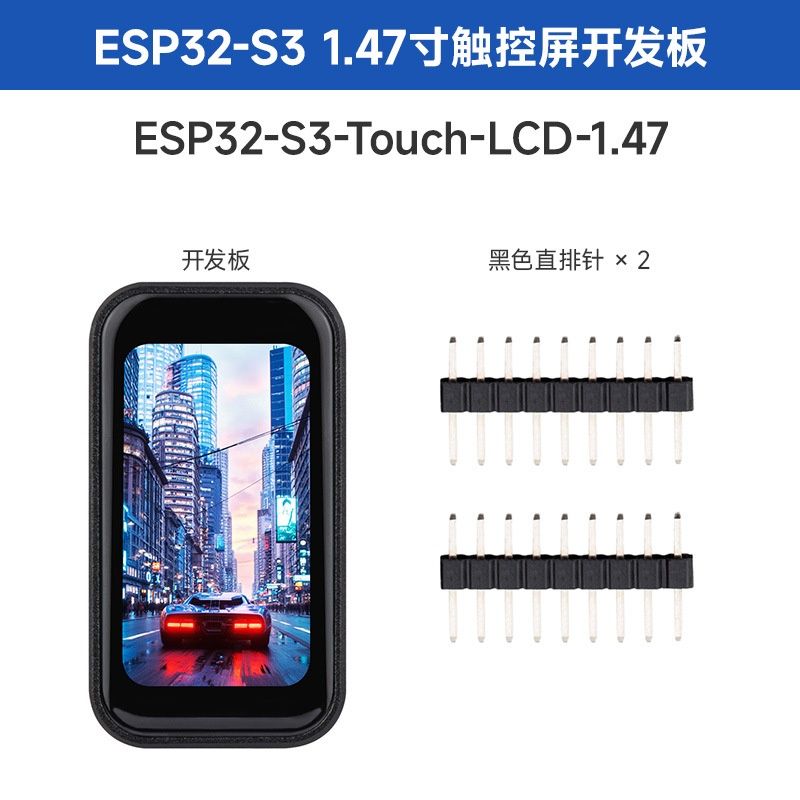
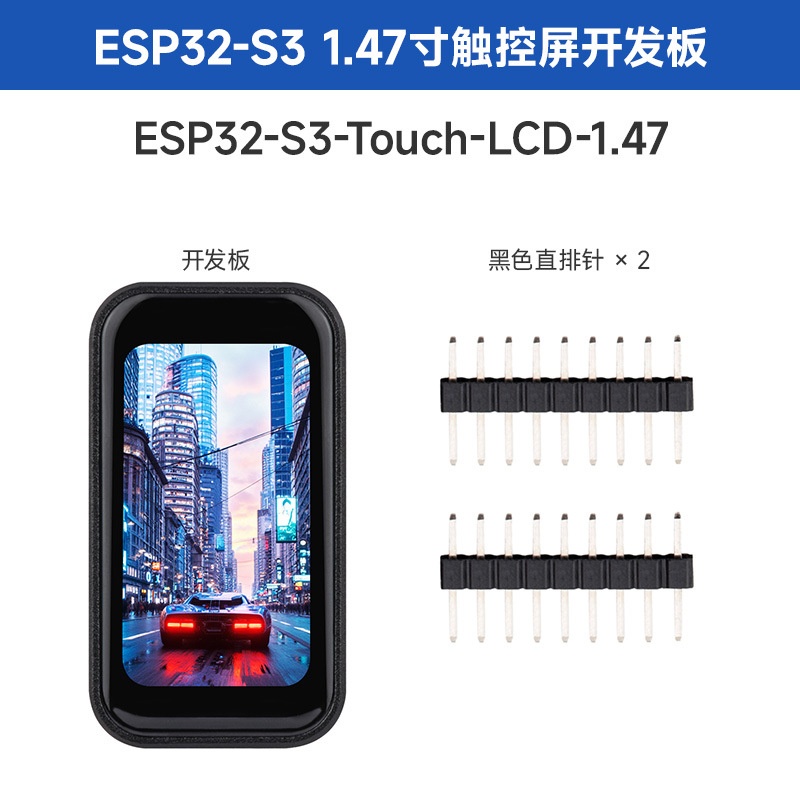
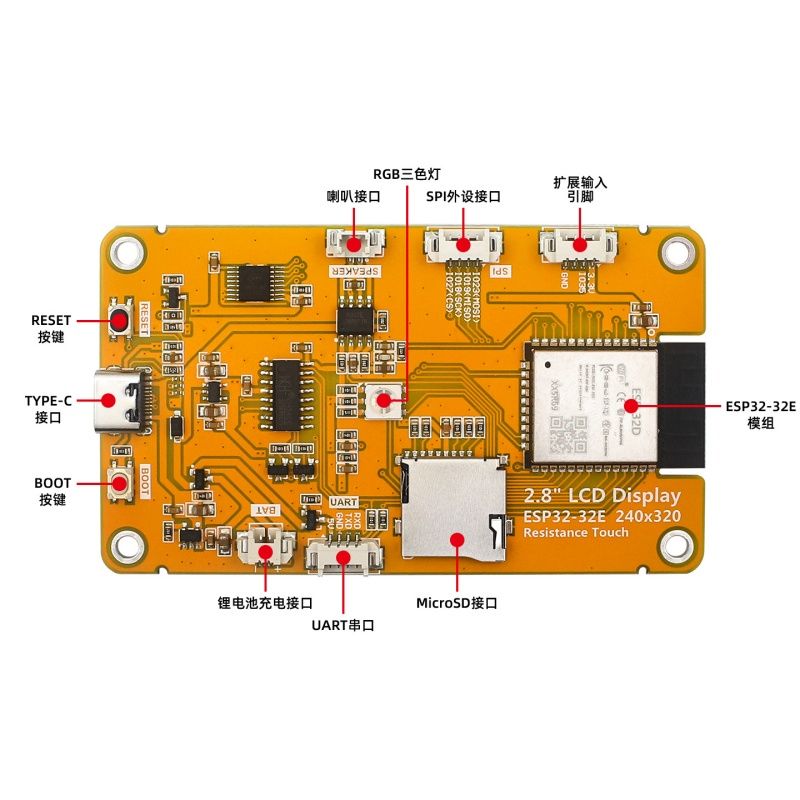
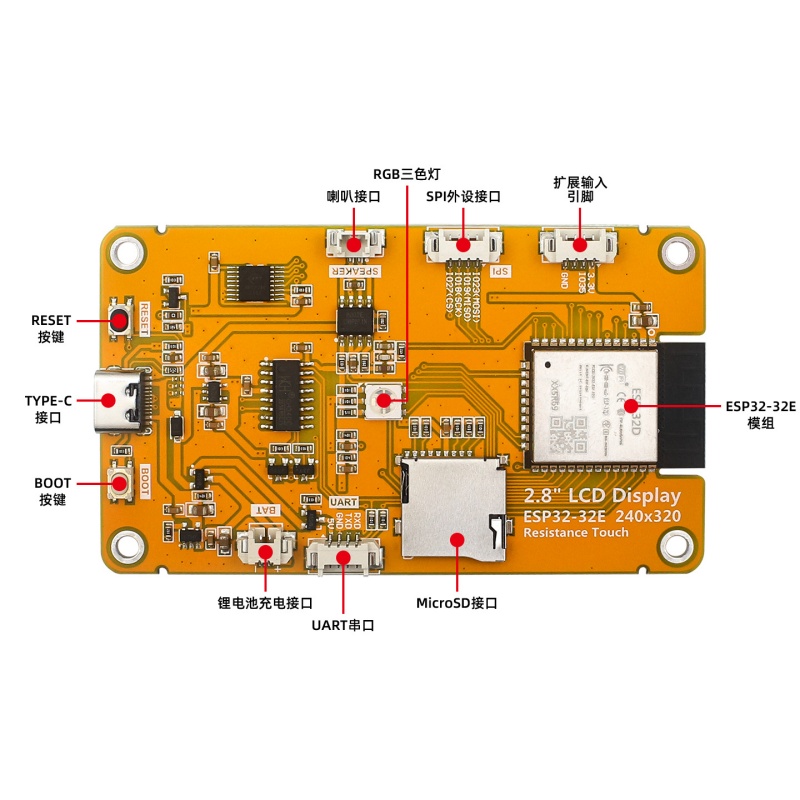
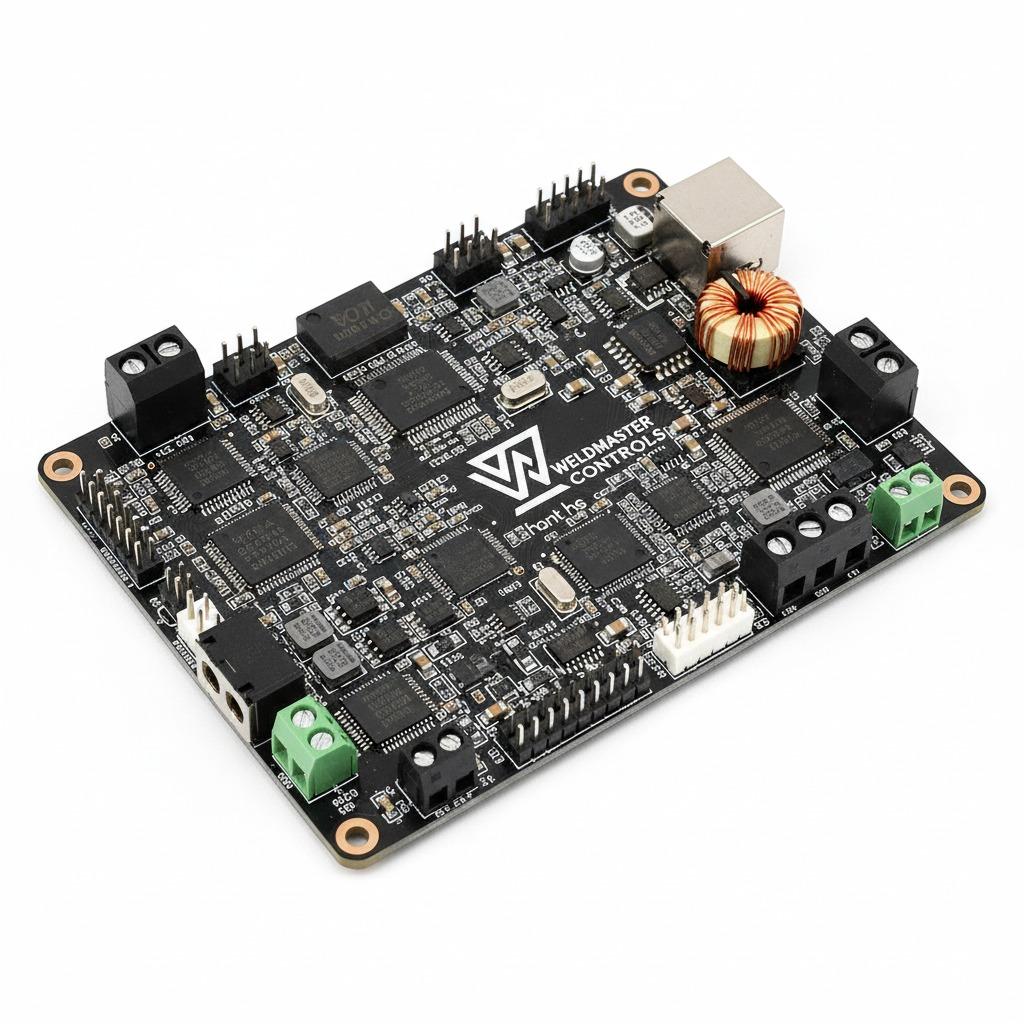
Based on the provided product information, the board shown is a compact PCB assembly with multiple ICs, connectors, mounting holes, and visible SMT circuit board features. The image text also points to PCB prototyping, SMT assembly, and assembly testing, which makes this type of board especially relevant for industrial electronics development, including welding-related control electronics, sensor interfaces, and custom embedded modules.
Product Overview
This board appears to be a mixed-function electronics module built on a rigid printed circuit board with a dark solder mask, white silkscreen, plated pads, and several mounted components. The layout includes surface-mount devices, headers, shielded connectors, and a visible antenna-style connection on one version of the image data, suggesting the design may support communication, monitoring, or signal transfer functions. The exact internal firmware and sensing method are not visible, so the safest interpretation is that this is a custom pcba assembly intended for prototype or production validation.
In welding equipment, a welder control board must tolerate electrical noise, switching stress, and mechanical vibration. That is why buyers usually look for clean board layout, stable assembly quality, and practical test coverage rather than cosmetic presentation alone.
Key Capabilities and Design Features
Board structure
The board has a rectangular format with rounded corners and corner mounting holes, which helps secure the module in an enclosure or machine frame. The visible component density suggests a compact design optimized for embedded control or detection tasks.
Connectivity and integration
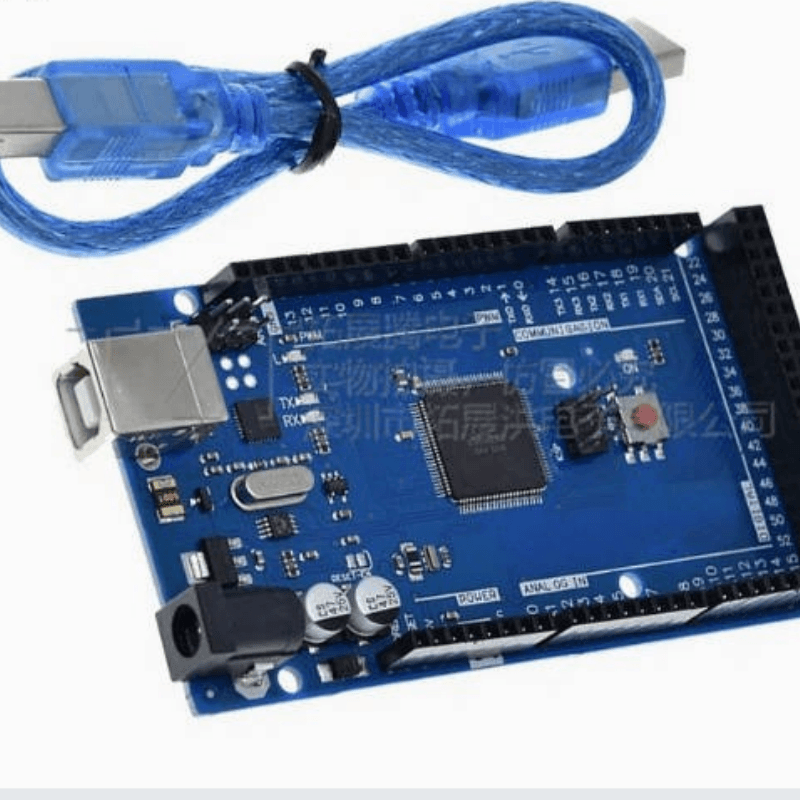
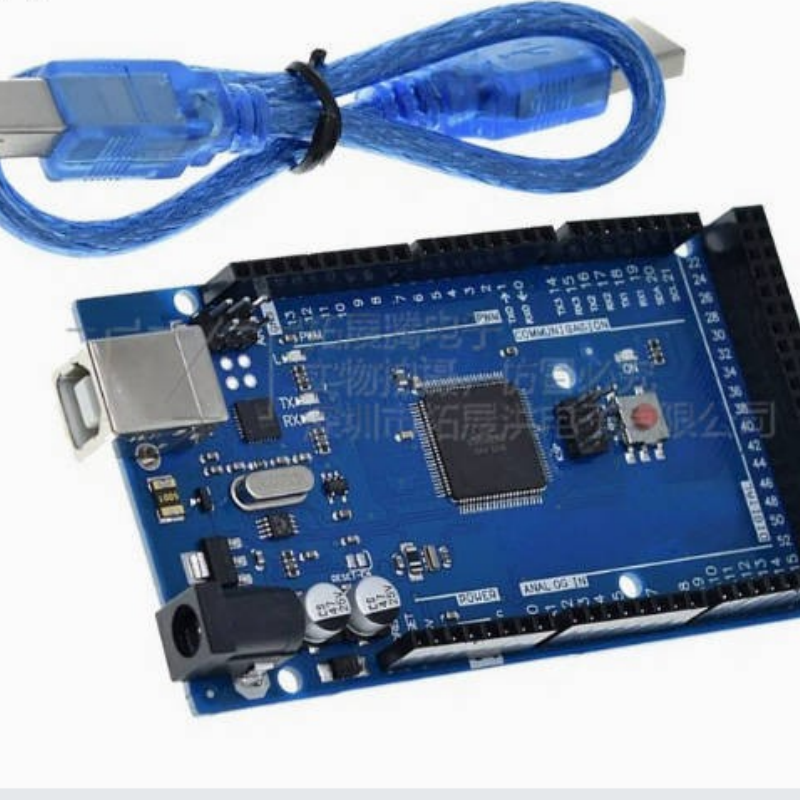
Visible USB-style and pin-header style interfaces indicate the board can be integrated into test setups, development rigs, or system-level assemblies. In a welding machine pcb board application, this kind of connection layout can simplify signal routing between the controller, user interface, and external subsystems.
Component mix
The photographed unit shows IC packages, resistors, capacitors, connectors, and a sensor-like or camera-style module. A finned heatsink appears in one provided version, which may support thermal management for higher-load circuits. Because the image does not confirm exact part numbers, it is best to treat these as visible hardware features rather than performance claims.
Materials and Finish Options
The visible board uses a standard rigid PCB substrate with solder mask finish. Two color variants appear in the supplied information: black solder mask and blue solder mask. That suggests the assembly may be shown as a promotional or prototype image rather than a single finalized product, but the practical takeaway is clear: color is a cosmetic choice, while material stack-up, copper weight, and layer count should be defined by the electrical requirements of the project.
For welding control applications, buyers often specify stronger copper handling, reliable solder mask coverage, and plated through-holes where repeated connection cycles are expected. Finish options commonly depend on the design target, assembly method, and environmental conditions.
Manufacturing Process
This type of module is typically produced through PCB fabrication, SMT placement, soldering, and functional testing. The company information provided highlights PCB prototyping, SMT assembly, component sourcing, assembly, and testing services, which match the needs of a custom electronic control board.
A typical workflow includes DFM review, bare board fabrication, stencil preparation, pick-and-place assembly, reflow soldering, inspection, and final validation. For a welding machine pcb board, test planning is important because control errors can affect process stability, safety logic, and operator experience.
Application Scenarios
Although the image text references infrared scan and anti-monitoring functions, the board style also fits general industrial electronics use. Potential application scenarios include embedded system development, security or monitoring modules, prototype validation, and custom control interfaces for machine equipment.
For welding-related systems, a welder control board may be used in power regulation, user interface management, sensor feedback handling, or auxiliary control functions. If the design is part of an inverter system, an inverter welder pcb must be planned with careful attention to noise immunity and thermal performance.
Quality Control and Testing
Quality control is one of the most important buyer decision factors in pcba assembly. The supplied information explicitly mentions testing and validation, which is essential for any control board that must operate consistently under load. Standard checks may include component placement inspection, solder joint review, continuity testing, and functional verification.
For industrial customers, testing should focus on whether the board powers up correctly, responds to inputs, and maintains stable output behavior. If the board is used in a welding machine pcb board system, repeatability matters as much as initial functionality.
Customization Guidance for Buyers
When ordering a custom board, define the operating environment first. Welding equipment, industrial controllers, and sensor modules all have different electrical constraints. Buyers should clarify connector type, board size, component sourcing preferences, assembly quantity, and whether design support is needed.
Useful specification points include layer count, finish type, component density, thermal strategy, and interface requirements. If the board must fit into a compact enclosure or carry higher current, those details should be stated early in the design review.
How to Evaluate the Right Supplier
Choose a manufacturer that can handle PCB prototyping, SMT assembly, sourcing, and testing in one workflow. That reduces communication gaps and shortens iteration cycles. The provided company profile for hcdpcba highlights OEM and ODM support, DFMA service, and in-house assembly capability, which are useful when moving from concept to production.
For buyers comparing suppliers, practical questions matter: Can they support prototype runs? Do they provide assembly testing? Can they help optimize the layout for manufacturability? These factors often determine whether a project stays on schedule.
Request a Custom Quote
If you need a welding machine pcb board, a welder control board, or a custom pcba assembly for an industrial electronics project, share your Gerber files, BOM, assembly requirements, and test expectations. hcdpcba offers PCB prototyping, SMT assembly, component sourcing, assembly, and testing support for custom builds. Contact the team to discuss your design goals and production needs.