TFT Screen Driver Board Overview
The TFT screen driver board is designed to solve a common integration problem in embedded products: how to connect a display, user interface, and control electronics in one compact assembly without turning the system into a wiring challenge. For equipment builders, appliance teams, and industrial designers, the main need is a stable board that can drive the screen, route signals to external devices, and fit cleanly into a finished product. In the sample shown, the board combines a TFT display module with a densely populated PCB assembly, making it a practical option for status readout, menu navigation, and instrument-style interfaces.
hcdpcba supports this kind of electronics PCB assembly through SMT placement, through-hole assembly, component sourcing, testing, and OEM or ODM service. That makes the board category useful not only as a display interface, but also as a custom control platform for smart appliances, instruments, and embedded devices.
Product Structure and Visible Features
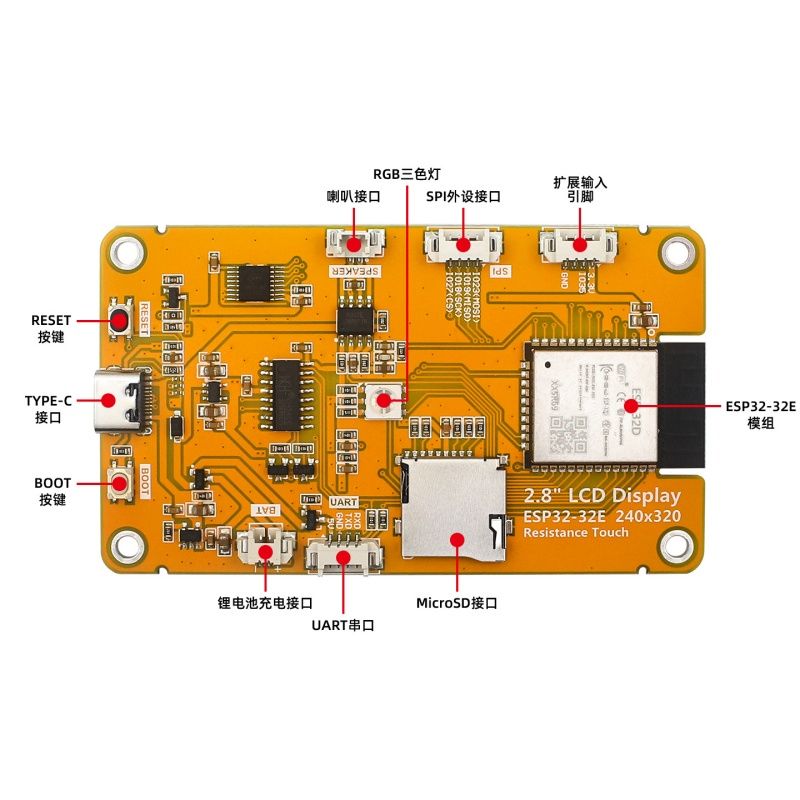
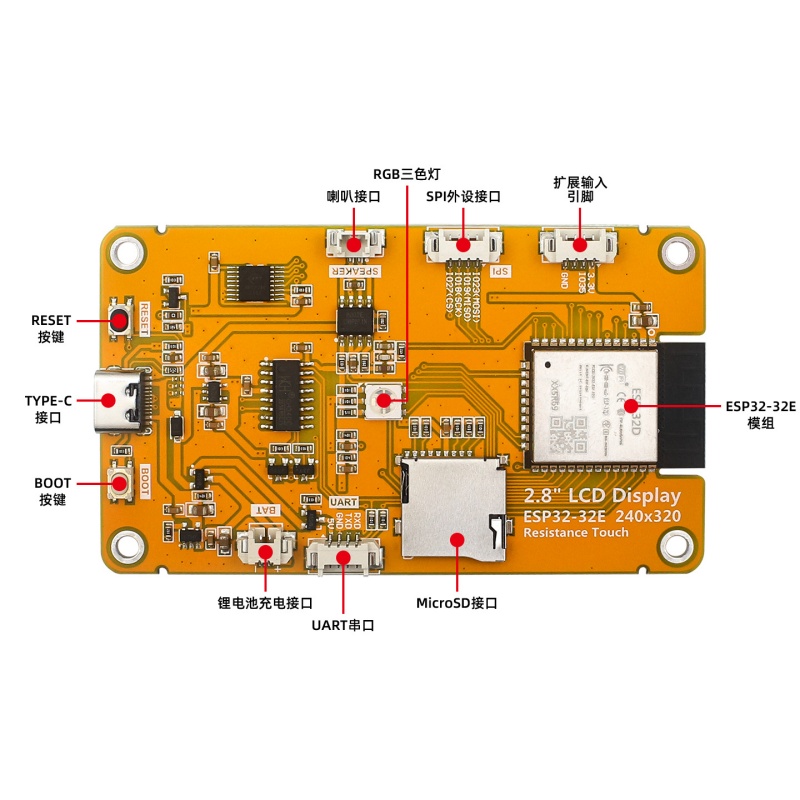
From the visible construction, this assembly uses a rigid green FR-4 style PCB with a rectangular layout, four mounting holes, and multiple onboard connectors. A central controller IC, several smaller ICs, passive components, a crystal oscillator, and power-related parts are mounted on the board. The display section includes an LCD module with a black bezel and an orange flexible flat cable linking the panel to the board connector. In another sample view, a small color TFT panel is shown together with the control PCB, indicating a compact human-machine interface format.
Because the image does not reveal every specification, it is best to treat exact screen size, resolution, voltage, and protocol as unknown. What can be confirmed is the presence of a complete display assembly, multiple I/O points, and a layout that supports wired connection to external equipment.
Key Capabilities Buyers Usually Need
Display driving and interface routing
The core role of a TFT screen driver board is to translate control signals into readable screen output while keeping the interface stable for the host system. This is especially important when the product must show alarms, appliance status, configuration menus, or process values.
Multiple connection options
The board shown includes several external connectors, such as a D-sub style connector, USB-style ports, small service ports, headers, and terminal blocks in the related assembly view. These features suggest a design meant for wired I/O, servicing, and integration into larger systems. Exact pinouts are not visible, so buyers should confirm interface compatibility during the design review stage.
Compact integration
Combining the display and control electronics into one assembly reduces the number of loose parts inside the final product. That can simplify enclosure design, shorten assembly time, and improve consistency across production runs.
Materials and Finish Options
The visible board uses common electronics manufacturing materials: green solder mask on the PCB, metal-plated mounting holes, black plastic connector housings, exposed solder joints, and polyimide FPC for the display connection. In a broader OEM project, finish options may vary by customer requirement, such as different PCB stackups, surface finishes, connector families, or display module formats. Those details should be defined during engineering review rather than assumed from the sample image.
Manufacturing Process
This type of assembly typically follows a standard electronic production flow. SMT placement is used for the controller ICs, resistors, capacitors, and other surface-mount parts. Reflow soldering secures those components to the board. Through-hole parts such as terminal blocks, larger connectors, relays, or transformers are then assembled and soldered. After that, the TFT module is integrated through the FPC connector or display interface.
For a factory PCBA manufacturer, the next steps usually include visual inspection, electrical testing, and functional checks based on the customer’s circuit requirements. If the board is used as an intelligent control circuit board, firmware loading and interface verification may also be part of the workflow.
Application Scenarios
This assembly style is commonly used in industrial instruments, machine panels, testing equipment, embedded products, and smart home appliances. A TFT display drive PCBA for smart home systems may serve as a front panel for temperature control, device status, or simple menu interaction. In industrial settings, it may support parameter display, equipment prompts, or local operator control.
Quality Control and Assembly Considerations
Buyers evaluating electronic PCB assembly should focus on more than the display itself. Important points include solder quality, connector alignment, mounting-hole placement, and the mechanical fit between the panel and enclosure. Functional testing should confirm that the display initializes correctly, the board responds to input signals, and the external ports match the target device wiring.
Because the exact operating environment is not specified, environmental ratings, certifications, and durability targets should be clarified before production. If the product will be used in a vibration-prone or high-duty-cycle device, the connector retention method and board support structure deserve special attention.
Customization Guidance for OEM Buyers
If you are planning a custom board, start with the user interface requirement: what must be shown on the screen, which buttons or ports are needed, and how the board will connect to the main controller. Then define the display type, connector arrangement, power input, and enclosure constraints. For projects involving smart home control, appliance electronics, or embedded HMI modules, it is often helpful to review the board as a complete system rather than treating the display and PCB separately.
hcdpcba offers PCB prototyping, SMT assembly, component sourcing, testing, DFMA support, and OEM/ODM services, which can help reduce design risk and improve production readiness.
How to Decide If This Board Fits Your Project
This product is a good fit if you need a compact display control platform, multiple wired interfaces, and a PCB assembly that can be adapted for a custom instrument or appliance. It is less suitable if your project requires a fully specified off-the-shelf module with published pinouts, exact display metrics, or certified end-product documentation already in hand. The safest approach is to share your schematic, interface list, mechanical drawings, and target application so the assembly can be matched to your system needs.
Contact for Custom PCB Assembly
If you are sourcing a TFT screen driver board or need a related custom PCBA project, hcdpcba can support the build from prototype to production. Share your design requirements, and the team can help with manufacturing, assembly, and testing for a practical OEM solution.
Phone: +86 18924624188