
Industrial Transmitter PCBA for Compact Industrial Measurement and Interface Modules
An Industrial Transmitter PCBA is used when an equipment builder needs a compact electronics assembly that can receive signals, process them, and present or route them inside an industrial system. It helps solve a common problem in factory equipment: how to package sensing, indication, and control functions into a board that is reliable, easy to integrate, and suitable for panel or module assembly. Based on the provided product information, this type of assembly may include a circular display module, push buttons, terminal connections, and a PCB carrying the supporting electronics.
Product Overview
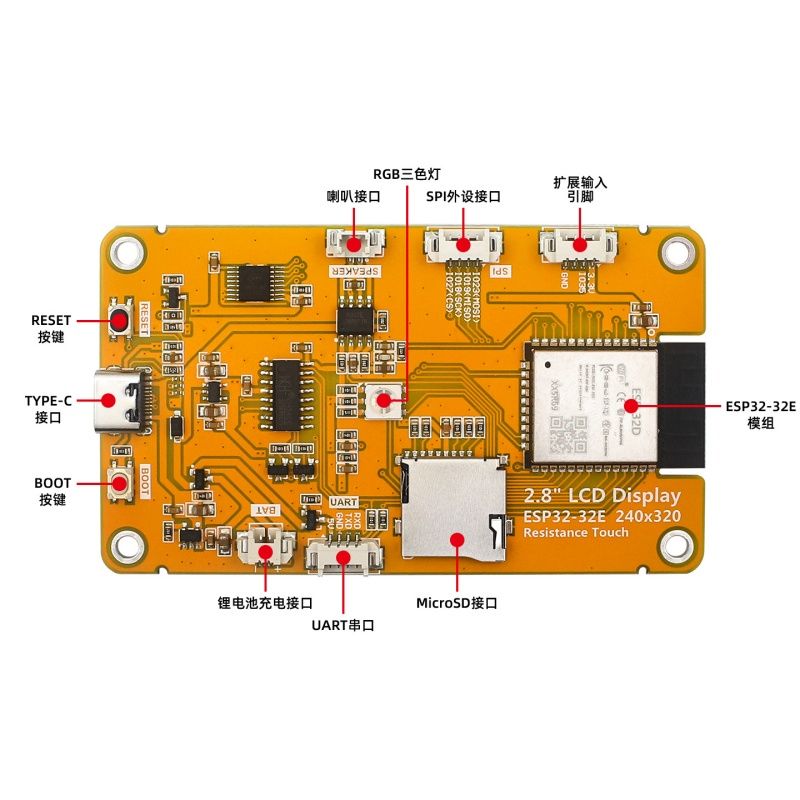
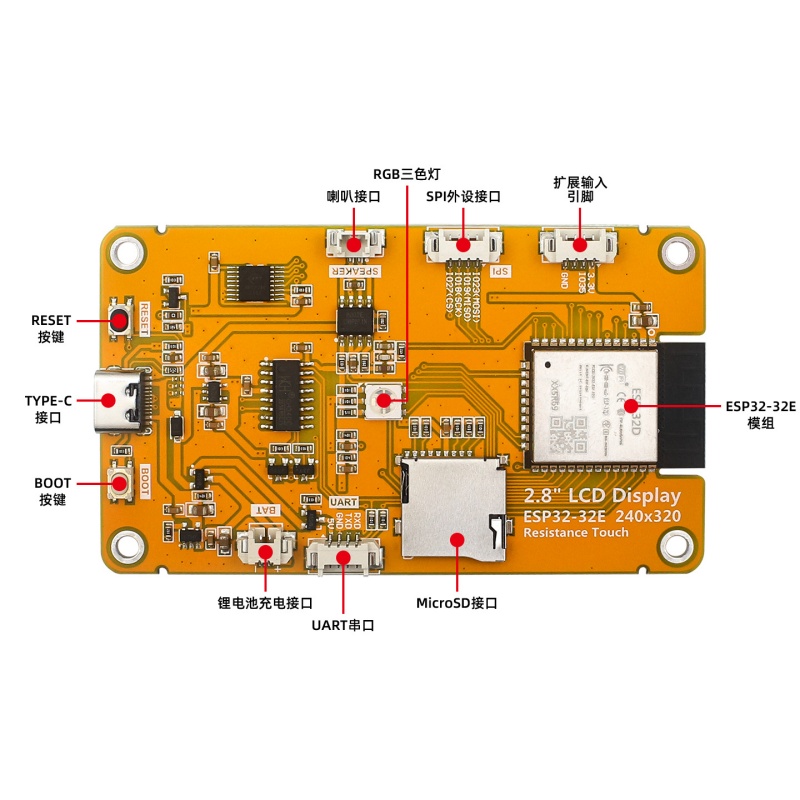
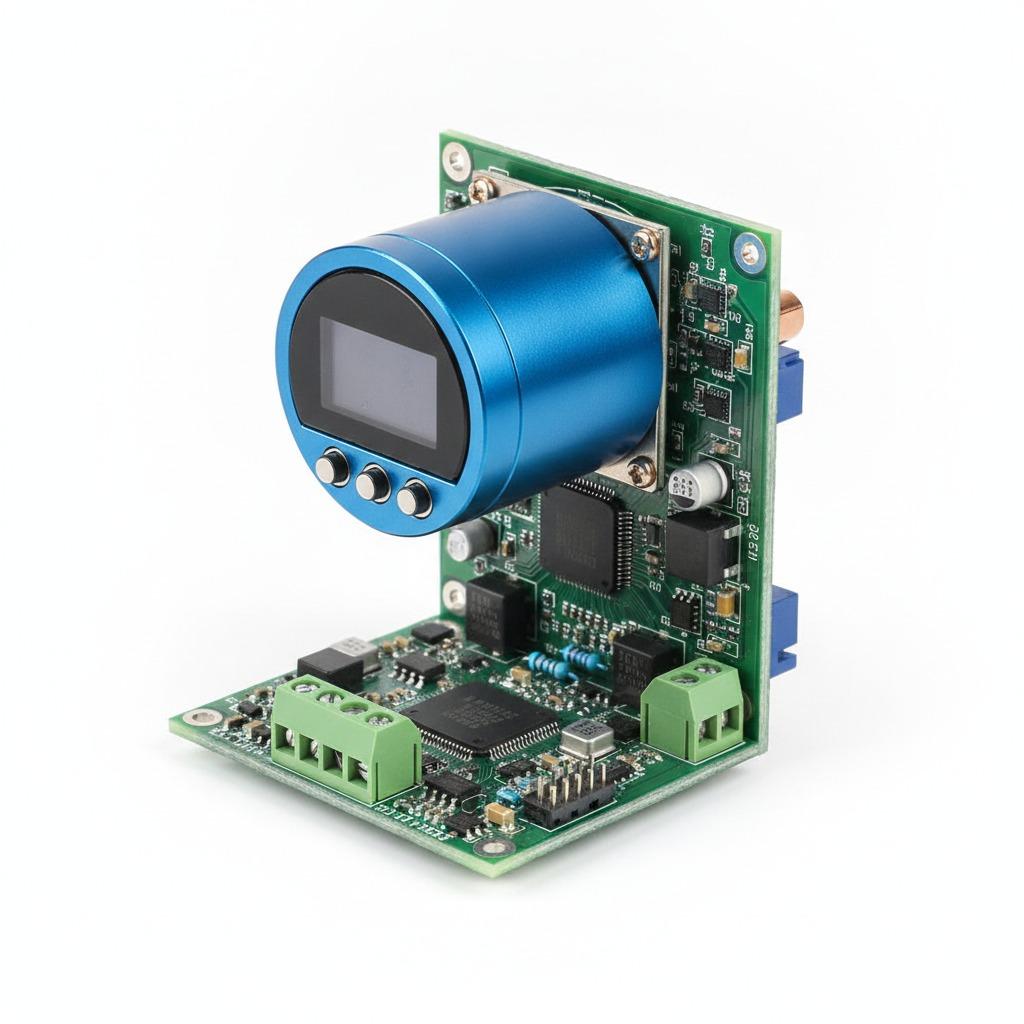
The visible product form suggests an industrial electronics assembly built around a round or circular front interface and a populated PCB. One version shows a blue cylindrical housing with a front display window, while the PCB side includes an LCD module, tactile buttons, screw-terminal connection points, and compact electronic components. Another view shows a square or circular PCB module with headers, a central IC, and connector interfaces. These are practical layouts for monitoring equipment, sensor interfaces, or control-panel electronics where space is limited and wiring must stay organized.
Because the exact sensing principle is not visible, this page should be treated as a reference for the hardware structure and manufacturing approach rather than a claim about a specific pressure, temperature, flow, or communication function.
Key Specifications and Visible Capabilities
Compact board integration
The assembly combines an LCD, supporting components, and connection hardware on a single Industrial Circuit Board. This reduces the need for separate display and interface subassemblies.
Front-panel interaction
Visible tactile buttons indicate local user control, such as parameter setting, reset, menu navigation, or field adjustment. For industrial equipment, this is often more convenient than relying only on external tooling.
Wiring and connectivity
The board layout includes screw terminals and header-style connectors. That makes the module easier to wire into test fixtures, control cabinets, or embedded systems that use standardized connection methods.
Mounting-friendly layout
Plated mounting holes, compact geometry, and a round sensor-style face support mechanical integration into enclosures or machine housings.
Materials and Finish Options
From the visible evidence, the electronics side uses a green solder-mask PCB, while another board version uses a black PCB surface. The visible parts include surface-mount resistors, capacitors, an IC package, pin headers, and a USB Type-A female connector on one variant. The enclosure material is not confirmed. The blue outer housing appears molded plastic or painted metal, but that cannot be verified from the image alone.
For custom builds, buyers usually select FR-4 based PCBs, solder-mask color, silkscreen marking, connector type, and any protective coating required by the end environment.
Manufacturing and Assembly Process
HCDPCBA supports SMT贴片, PCB打样, 元器件代采, 组装, 测试, and OEM/ODM service flows. For a module like this, the typical sequence starts with PCB fabrication, then SMT placement of ICs and passives, followed by through-hole soldering for headers, terminals, or USB connectors. After that, the board can be assembled into an enclosure and checked through electrical and functional testing.
DFMA support is useful here because connector locations, mounting holes, display alignment, and button spacing all affect manufacturability and final assembly speed. A small layout change can reduce rework and improve consistency across batches.
Application Scenarios
This kind of Industrial Transmitter PCBA fits equipment that needs local readout, status indication, or sensor-data forwarding. Typical use cases include process monitoring, machine status display, factory automation panels, signal-routing modules, and custom embedded systems. The visible Round Sensor PCB Assembly format also makes sense for products that need a front-facing dial-like interface or a circular opening in the housing.
For development teams, a USB-connected board variant can also serve as a lab interface, test fixture module, or communication adapter during prototyping and validation.
Quality Control and Integration Considerations
Industrial buyers usually evaluate solder quality, connector alignment, button feel, display visibility, and mounting accuracy before release. A Pressure Sensor PCBA Board or similar interface board should also be checked for stable signal routing, clean assembly, and reliable mechanical fit. Since the exact operating range, accuracy, and protocol are not supplied, those items should be confirmed during specification review rather than assumed from the image.
hcdpcba provides testing and assembly services, which is important for modules that must work inside control cabinets, production equipment, or other industrial environments where intermittent contact can stop a line or trigger false readings.
Customization Guidance for Buyers
If you are sourcing a board like this, define the interface first: display style, button count, connector type, mounting pattern, and enclosure constraints. Then confirm the electrical requirements, communication method, and any environmental protections needed for the final product. Buyers should also decide whether they need only PCB assembly or a complete OEM/ODM subassembly with enclosure integration and test coverage.
For repeat production, stable component sourcing and clear assembly documentation matter as much as the circuit itself. That is especially true for a compact Industrial Circuit Board where layout density leaves little room for manual correction.
Why Buyers Choose This Type of PCBA
The main value is integration. Instead of managing separate display boards, interface parts, and connector adapters, one assembled module can handle the mechanical and electrical functions together. That simplifies procurement, shortens assembly time, and makes field installation more predictable.
Request Custom PCB Assembly Support
If you need an Industrial Transmitter PCBA, a controller board, or a custom sensor interface module, hcdpcba can support PCB fabrication, SMT assembly, component sourcing, testing, and complete electronic integration. Share your schematic, BOM, target enclosure, and interface requirements to discuss a build that fits your application.