Aluminum PCB for Compact LED and Electronic Module Builds
An aluminum PCB is a practical choice when a design needs stable mounting, better heat spreading than a standard rigid board, and a compact layout for dense components. In lighting and control modules, the main buyer problem is often thermal buildup in a small footprint. A metal-backed board helps support surface-mounted devices, simplifies mechanical installation, and gives OEMs a cleaner path for building LED arrays, indicator panels, and custom electronic modules.
Product Overview
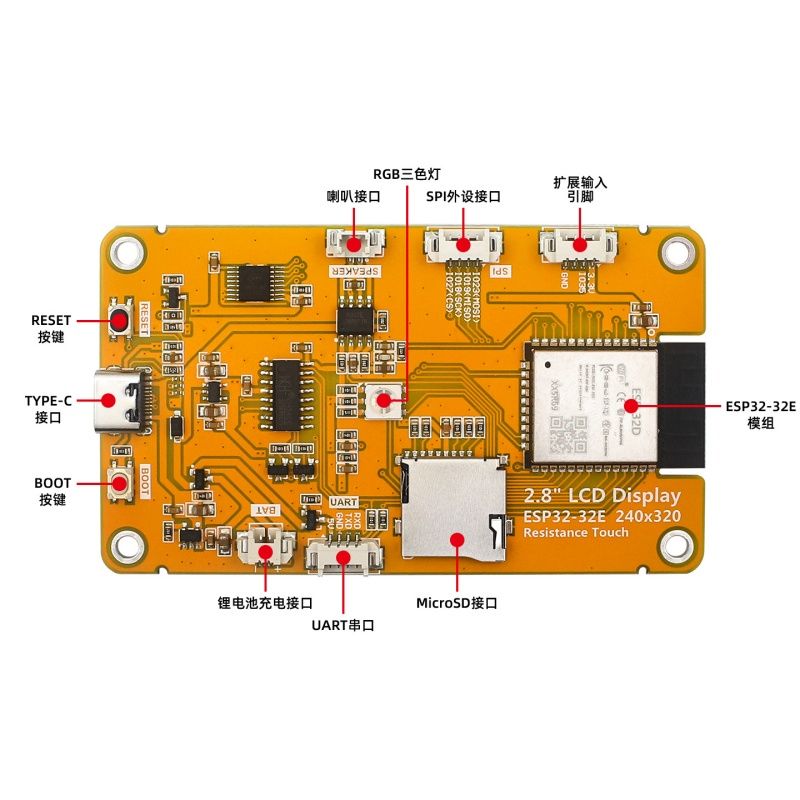
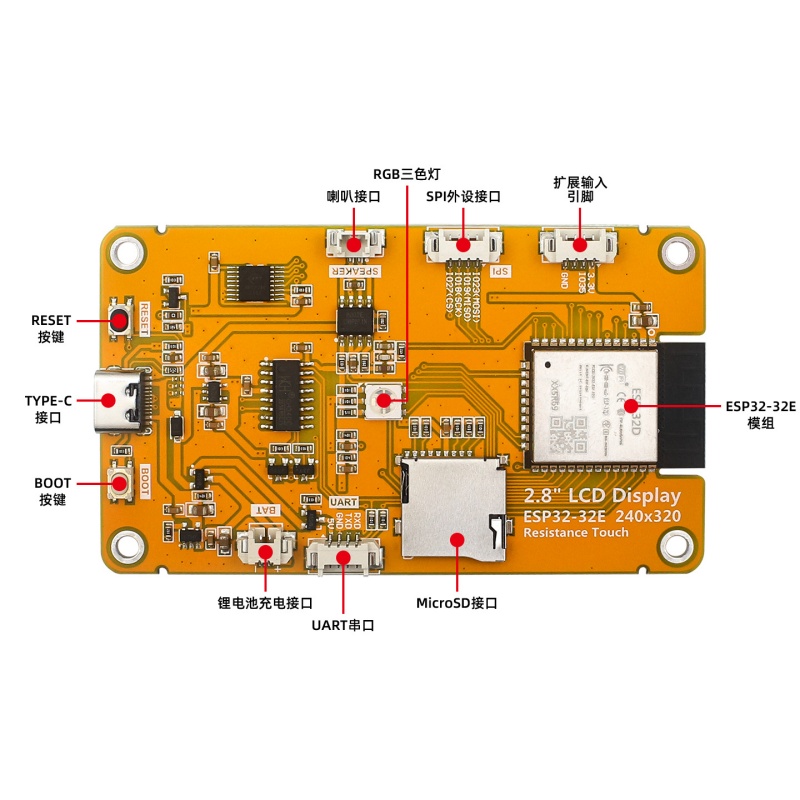
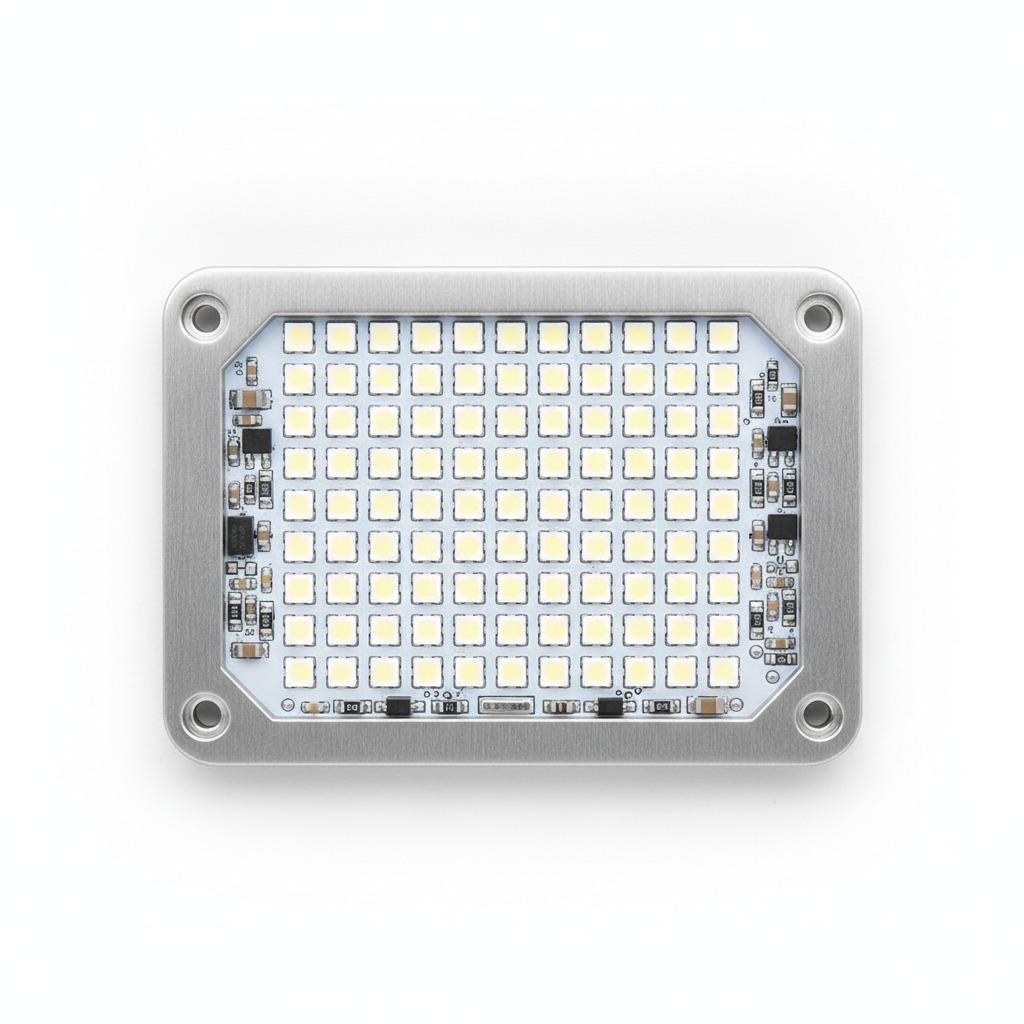
Based on the visible structure, this product appears to be a rectangular board or module assembly with a brushed metal-like frame, a flat circuit area, and a dense matrix of surface-mounted components. The layout suggests a board designed for illumination or signal output, although the exact end use is not identifiable from the image alone. The form factor is rigid and planar, with multiple mounting holes and a symmetrical component arrangement that supports panel-style installation.
For buyers sourcing a grow light PCB, a horticultural light PCB, or another LED-based module, this type of structure is useful because it combines electrical layout with mechanical support. The board format is suitable for systems that must sit flat, align consistently inside an enclosure, and tolerate repeated fastening during assembly.
Key Specifications and Visible Capabilities
Observed structural features
The visible assembly includes a rectangular shape, rounded corners, several mounting holes, and a dense grid of components arranged in rows and columns. Small surface-mount packages are evenly distributed across the board, indicating a design intended for consistent output or repeatable circuit behavior. A lower bracket or standoff is also visible, which suggests the assembly is meant to be fixed into a larger structure.
Likely capability range
This kind of board is commonly used in LED matrix displays, lighting panels, industrial indicators, lab fixtures, and custom OEM electronics. If the assembly is a LED plant light circuit board, the same board style can support compact light engines where thermal management and precise component placement matter. Exact voltage, wattage, brightness, and thermal performance are not visible and should be confirmed during engineering review.
Materials and Finish Options
The outer layer appears to have a brushed aluminum or aluminum-alloy finish, with a matte or satin surface. That finish is often selected for a clean appearance and practical handling during installation. The central circuit area looks like a green PCB substrate, possibly FR-4, though the exact material is not confirmed from the image. In some projects, buyers may choose an MCPCB construction for improved heat spreading, while others may use a standard PCB mounted to an aluminum base or frame.
Finish options for OEM projects usually depend on the target application: bare conductive surfaces for internal modules, protective solder mask on the circuit side, and machined metal edges or plates for mounting. For lighting products, the surface finish can also affect assembly cleanliness and how easily the module fits into an extrusion, housing, or bracketed fixture.
Manufacturing Process
A module like this typically involves PCB fabrication followed by SMT assembly. The process starts with circuit board design and panel preparation, then component placement, solder reflow, and electrical inspection. If the unit uses a metal-core structure, thermal design becomes part of the layout stage. The visible alignment of components suggests a machine-placed assembly rather than hand-soldered construction.
For custom production, hcdpcba can support PCB prototype work, SMT assembly, component sourcing, testing, and OEM or ODM builds. That matters when a buyer is developing a new industrial light board, a display module, or a control panel and needs one supplier to manage both fabrication and assembly.
Application Scenarios
This type of aluminum PCB fits several product families. It can be used in commercial and industrial lighting, custom luminaires, panel lights, backlight modules, ceiling fixtures, retrofit LED boards, and visual signaling devices. The rigid mounting holes also make it appropriate for test fixtures and lab equipment where boards must stay aligned under repeated handling.
For horticultural products, a grow light PCB or horticultural light PCB built in a similar format may be chosen for compact plant lighting arrays. The flat, repeatable geometry is useful when designers need even distribution of LEDs across a surface and straightforward installation inside a light engine.
Quality Control and Buyer Decision Factors
When evaluating an aluminum PCB, buyers usually compare substrate type, copper routing quality, LED placement accuracy, thermal path, mounting compatibility, and inspection method. The right decision also depends on how the board will be powered and whether it needs dimming, control integration, or long-term mechanical stability.
Because the exact electrical specification is not shown, buyers should request drawings, material stack-up details, and test requirements before order release. Important questions include: Is the board a true metal-core PCB or a PCB mounted to a metal frame? What are the target current and voltage ranges? Is there a defined driver circuit? Does the design require conformal coating or special surface protection?
Customization Guidance
Custom LED modules often need changes to hole pattern, board outline, LED spacing, trace width, and connector placement. If the board will serve as a LED plant light circuit board, optical arrangement and thermal loading should be reviewed together. For other industrial electronics, the focus may shift to signal routing, board rigidity, and enclosure fit. DFMA support is especially useful here because it can reduce assembly risk before mass production.
Provide your target dimensions, electrical requirements, component list, mounting method, and expected operating environment early in the project. That information helps streamline PCB fabrication, SMT placement, sourcing, and final testing.
Contact for OEM and Assembly Support
If you need a custom aluminum PCB, LED module assembly, or a finished PCBA for lighting or industrial use, hcdpcba offers PCB prototyping, SMT assembly, component procurement, testing, OEM, and ODM support. Share your drawings or sample requirements to start a manufacturing review and get a build plan matched to your application.