77GHz radar PCB for compact automotive sensing systems
A 77GHz radar PCB is designed to help vehicle electronics detect objects, measure distance, and support sensing functions where a camera alone may be limited by glare, rain, dust, or low light. For buyers developing ADAS hardware, front-grille sensor units, or custom automotive control modules, the main challenge is building a board that can carry high-frequency signals reliably while still fitting into a compact automotive package. This is where careful PCB fabrication, SMT assembly, and RF-aware layout matter.

Product overview
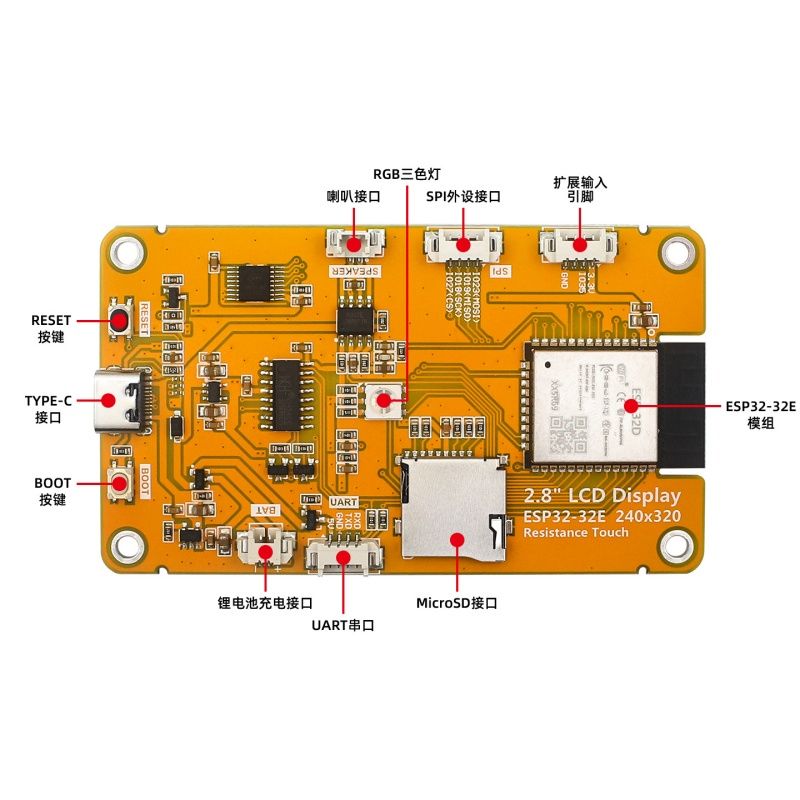
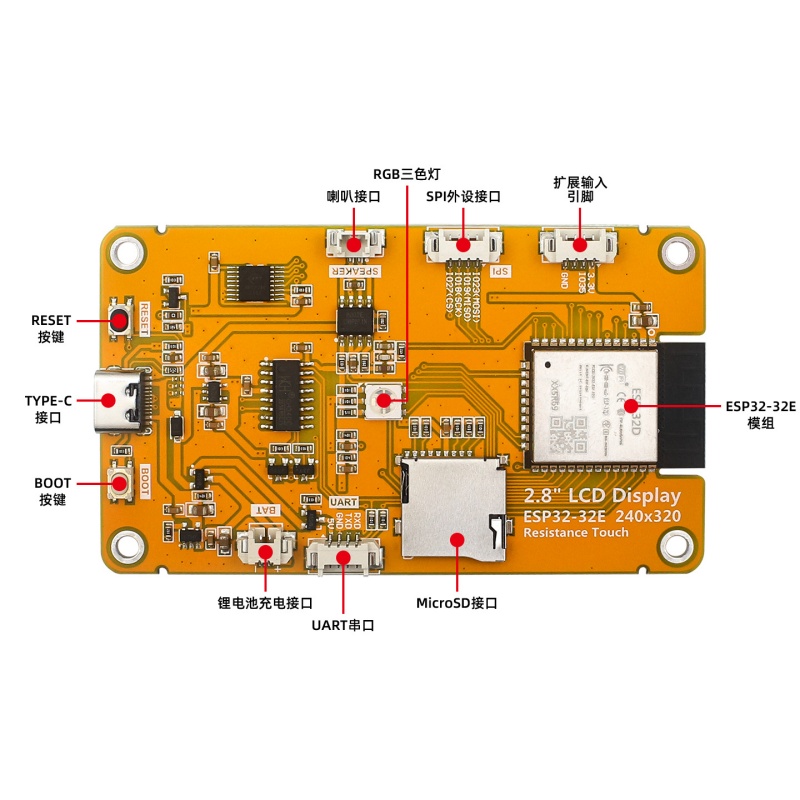
Based on the visible board structure, this type of assembly belongs to the family of automotive electronic PCB products used in sensing and embedded control. The board shown is compact, rectangular, and built with a central integrated circuit package, dense routing, and plated mounting holes for secure mechanical installation. In a radar project, that kind of structure is typically chosen to keep signal paths short and the module stable inside a vehicle-facing housing.
hcdpcba supports PCB prototyping and PCBA manufacturing for automotive electronics, including high frequency PCB assembly, multi-layer boards, and custom sensor-related assemblies. For development teams, that means one source for board fabrication, component placement, assembly, and testing support.
Key capabilities and structural features
Compact board architecture
A vehicle radar circuit board usually has limited space, so the layout must balance component density with signal integrity. The visible board shows a small footprint, corner mounting holes, and routed traces packed around a central processing or interface device. That structure suits embedded modules that need to sit behind a bumper, grille, or sensor carrier without adding bulk.
High-frequency design considerations
At millimeter-wave frequencies, the PCB stack-up, trace geometry, grounding strategy, and connector placement all influence performance. A millimeter wave radar PCBA normally requires disciplined impedance control and careful handling of the RF section. While the exact electrical specifications are not visible here, the board category suggests a need for accurate fabrication and repeatable assembly.
Materials and finish options
The visible substrate appears to be FR-4-style fiberglass laminate with green solder mask and exposed copper or plated features. That is common for many automotive electronic PCB builds, especially where the RF section is paired with control logic or interface circuitry. Depending on the project, buyers may request different stack-ups, copper weights, surface finishes, solder mask colors, and board thicknesses to suit electrical and mechanical needs.
For RF radar PCB work, the choice of material is especially important. Standard FR-4 may be acceptable for certain support sections, while more demanding RF regions may call for specialized high-frequency laminates. The right choice depends on the design target, frequency band, and mechanical environment.
Manufacturing process
The visible module reflects a process flow that usually includes PCB fabrication, stencil printing, SMT placement, reflow soldering, and inspection. If the board includes an RF front end or sensor interface, assembly accuracy becomes critical because small placement offsets can affect connection quality and board reliability.
hcdpcba provides SMT贴片, PCB打样, 元器件代采, 组装, and 测试 services, which helps streamline the transition from prototype to pilot build. DFMA support can also reduce avoidable assembly issues before mass production starts.
Application scenarios
This kind of assembly is suitable for vehicle sensor integration, ADAS-related development, in-vehicle data acquisition, prototype radar modules, and custom embedded control systems. The same manufacturing approach can also support robotics, industrial sensing, and other high-reliability electronics projects where a millimeter wave radar PCBA or related sensor board is needed.
When a buyer is evaluating a solution, the real question is often not only “Can the board be built?” but “Can it be built consistently, with traceable quality, and in a form factor that fits the enclosure?” That is especially true for front-mounted modules exposed to vibration and thermal cycling.
Quality control and assembly reliability
For a 77GHz radar PCB, quality control should cover solder joint integrity, component placement accuracy, visual inspection, and functional checks appropriate to the design. hcdpcba states that it provides testing services and quality control support, which is valuable when the board includes dense SMT parts and critical signal paths. For automotive-facing designs, buyers should also confirm mechanical fit, connector alignment, and board flatness before release.
Customization guidance for buyers
When requesting a custom build, share the intended use case, board outline, mounting points, connector style, component list, and any known RF or sensor requirements. If the project is a prototype, clarify whether the goal is proof-of-concept, integration testing, or pre-production validation. A good automotive radar board is not built from the board outline alone; it depends on stack-up, component sourcing, assembly rules, and test strategy.
If you need a high frequency PCB assembly for a sensor module, ask about DFMA review, sourcing options, and how the design will be handled for both small batches and larger runs. That is often the difference between a board that powers on and a board that survives real vehicle conditions.
Decision factors before placing an order
Buyers should compare electrical requirements, mechanical constraints, material selection, assembly capability, and testing scope. For a RF radar PCB or automotive electronic PCB, the best supplier is usually the one that can support both the build and the engineering conversation around it. Reliability comes from process control, not from appearance alone.
Request support from hcdpcba
If you are developing a vehicle radar circuit board, a millimeter wave radar PCBA, or another compact automotive sensing module, hcdpcba can help with PCB fabrication, SMT assembly, component sourcing, and testing. Share your drawings, BOM, and target application, and the team can support a build path suited to your project stage.
Contact hcdpcba at +86 18924624188 to discuss your custom board requirements.