Security System Circuit Board Overview
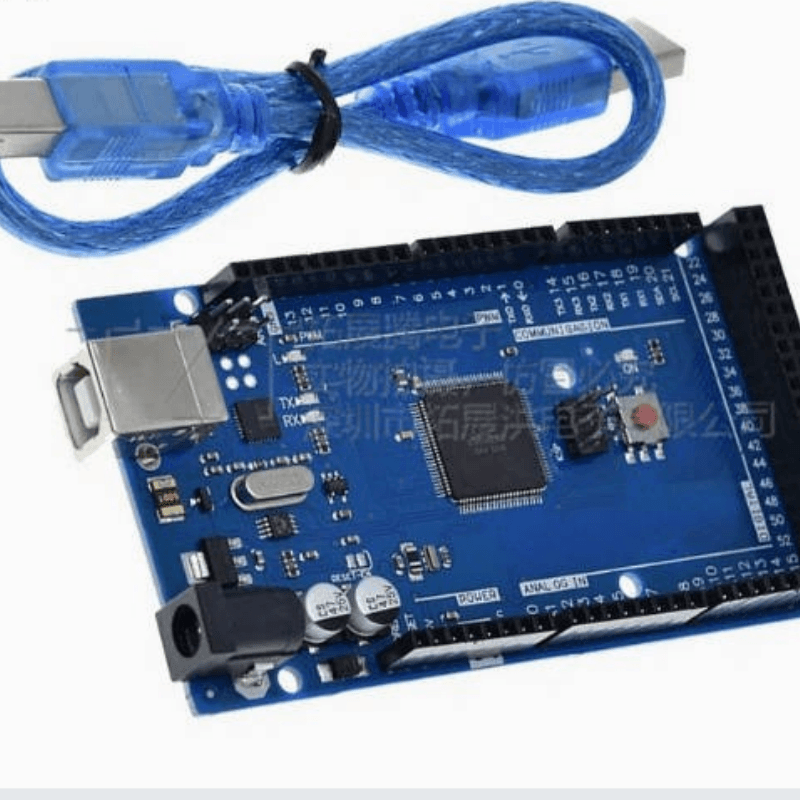
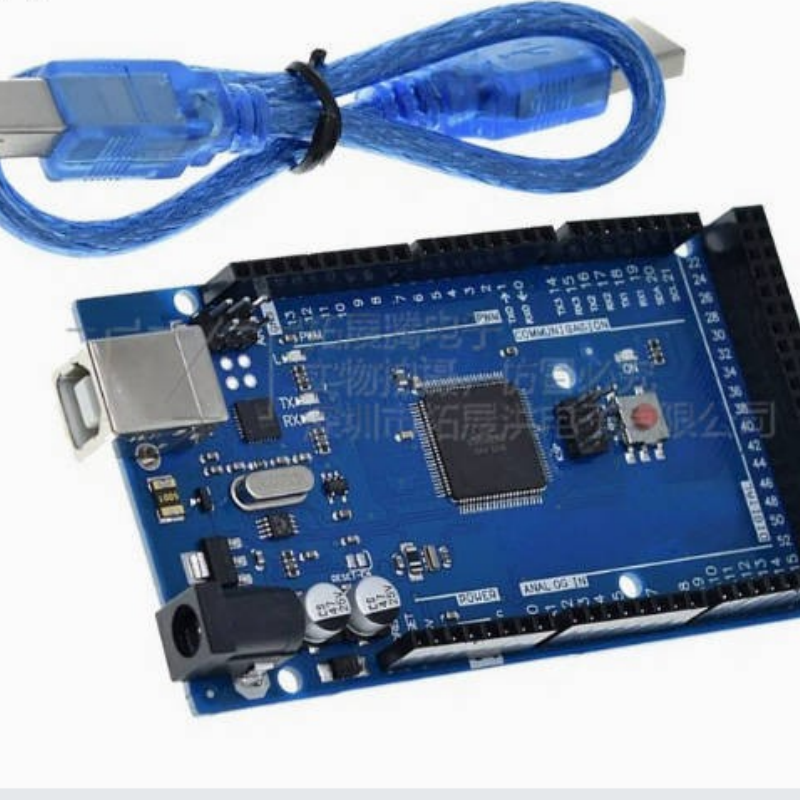
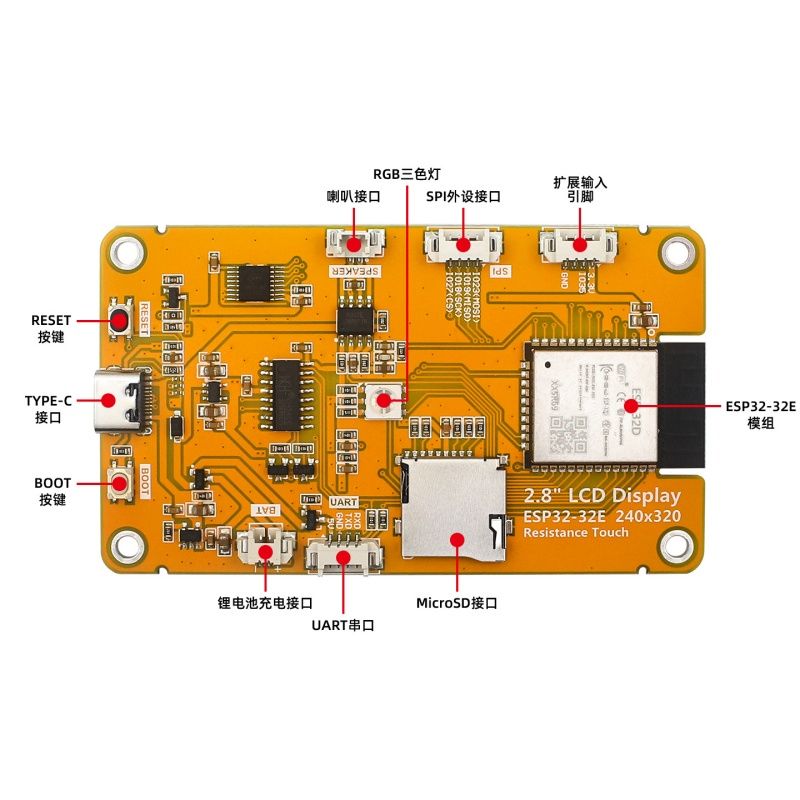
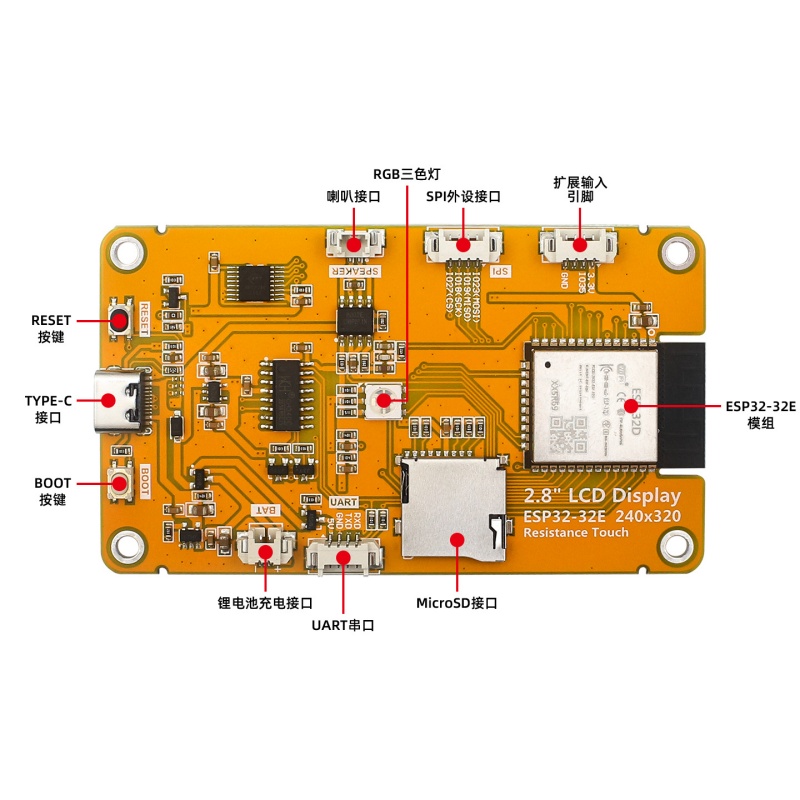
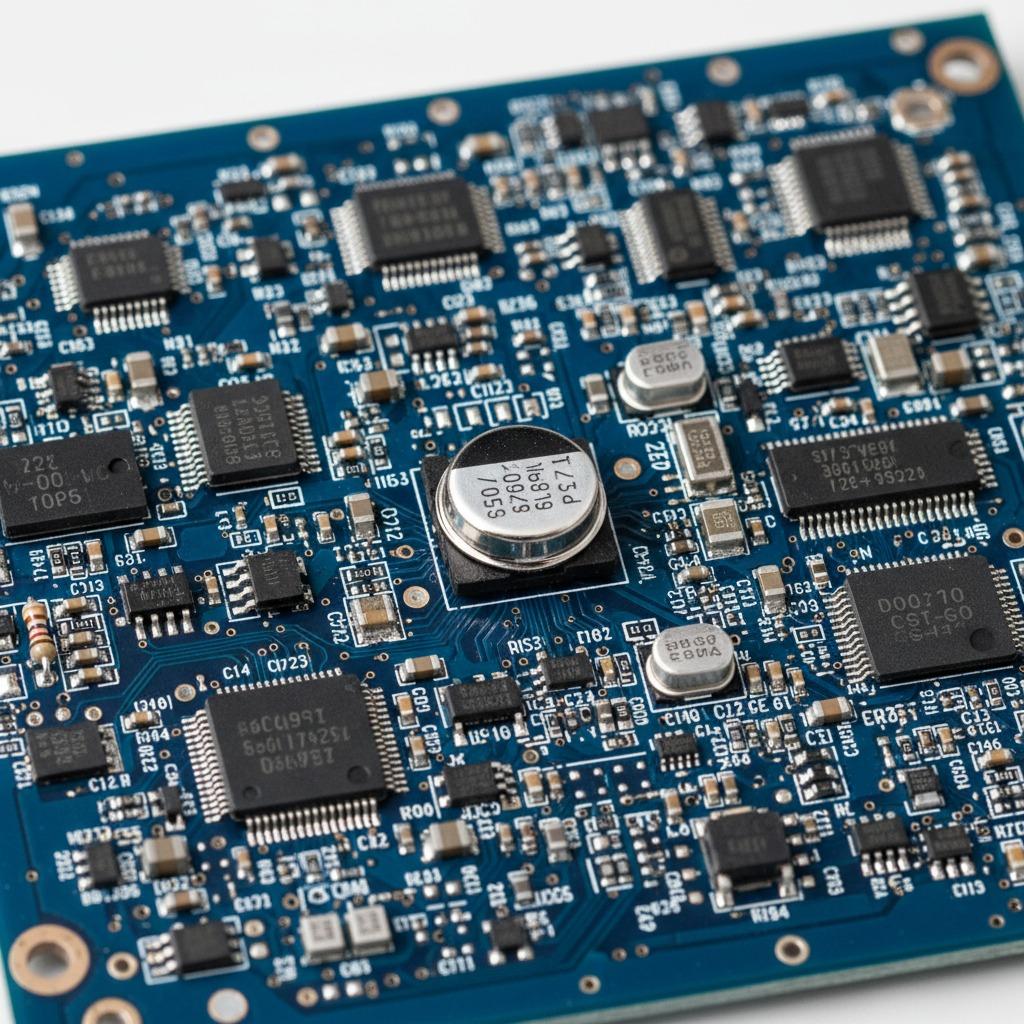
A security system circuit board is the control center that keeps alarms, sensors, and communication paths working together. When a buyer needs compact, repeatable electronics for monitoring, triggering, or relaying signals, this type of board solves a practical problem: it organizes many components into one stable assembly instead of relying on loose wiring and fragmented modules. The visible board here is a populated PCBA with dense surface-mount parts, fine-pitch integrated circuits, and mounting holes, which points to a design meant for reliable signal routing in a compact enclosure.
hcdpcba supports this kind of build through PCB fabrication, SMT processing, assembly, sourcing, and testing services. For projects that sit inside security equipment, access control units, or related embedded products, the real value is not only making the board fit, but making it buildable again and again with consistent placement and solder quality.
Product Overview
The board shown has a rigid rectangular shape with rounded corners, a blue solder mask, white silkscreen markings, and exposed metallic pads. A larger central IC package anchors the layout, while smaller chips and passives are distributed around it in a tight network. That arrangement is typical of compact control electronics where space is limited and signal paths must stay short. The visible construction suggests a finished PCBA rather than a bare PCB, with SMT assembly already completed.
What the board is designed to do
From the visible structure, this assembly likely manages power distribution, signal processing, or interface functions inside a larger device. In security-related electronics, that can mean coordinating inputs from sensors, handling logic for alarms, or linking local hardware with external communication modules. The exact end product is not identifiable from the image, so any deeper function would need project documentation.
Key Specifications and Visible Capabilities
Several features stand out on inspection: high component density, fine-pitch leaded packages, multiple integrated circuits, small SMD passives, and plated mounting holes for mechanical fastening. These details matter to buyers because they indicate a board built for compact electronic control rather than simple power switching.
Visible construction details
The solder mask color appears blue, the base material is likely fiberglass-reinforced epoxy, and the copper traces are routed in a dense pattern. A silver-toned crystal or metal-can component is visible as well, which often supports timing or clock-related functions in embedded circuitry. None of these observations reveal exact electrical ratings, layer count, or processor identity, but they do confirm a carefully assembled board.
Materials, Finish, and Assembly Method
For a security system circuit board, material choice affects long-term stability and solder reliability. The visible board likely uses an FR-4-type substrate, which is common in control electronics because it balances rigidity, manufacturability, and cost. The finish shows metallic soldered pads and through-hole rings that support both electrical connection and board fastening.
hcdpcba’s SMT processing service fits this kind of assembly. In practice, that means solder paste printing, pick-and-place component loading, reflow soldering, and inspection. If through-hole parts are included in a future revision, those would typically be added in a mixed assembly flow.
Typical Applications
Boards with this layout can be used in security devices, home automation PCB projects, industrial controllers, instrumentation units, communications modules, and other embedded systems. The same build style also appears in alarm controller PCBA designs, access control hardware, and compact interface boards where a small footprint and organized signal routing are essential.
Where buyers often use this type of assembly
Common use cases include intrusion alarms, keypad control units, relay interfaces, sensor hubs, smart building modules, and equipment that needs stable access logic or event monitoring. The exact application will depend on the schematic, firmware, and enclosure design.
Quality Control and Manufacturing Considerations
Reliable board builds depend on more than component placement. Buyers usually care about solder joint integrity, alignment of fine-pitch packages, polarity control, continuity, and inspection of mounting points. For production runs, board-level testing helps catch shorts, opens, and assembly defects before the product reaches integration.
hcdpcba provides testing support and DFMA guidance, which is useful when a security board must be easy to assemble, inspect, and maintain. That kind of support can reduce rework and improve repeatability across small batches or larger volumes.
Customization Guidance for Buyers
If you are sourcing a security system circuit board, start by defining the board’s electrical role, connector map, enclosure limits, and operating environment. From there, confirm whether the design needs single-side or double-side SMT processing, special component sourcing, conformal coating, or mixed assembly. For security and automation products, mounting-hole placement and connector orientation can be just as important as circuit performance.
Information to prepare before ordering
Provide Gerber files, BOM, pick-and-place data, assembly notes, test requirements, and any packaging or labeling instructions. If the project is still in development, hcdpcba can also support PCB sampling and OEM/ODM workflows so the design can move from prototype to production with fewer surprises.
Buyer Decision Factors
When comparing suppliers, look at assembly consistency, component sourcing control, inspection capability, response speed, and the ability to handle both prototype and volume builds. For a board tied to security or access functions, repeatability matters more than flashy claims. A clean SMT layout, dependable soldering process, and practical test coverage usually tell you more than marketing language.
Contact for Custom PCBA Support
If you need a custom security system circuit board, alarm controller PCBA, or home automation PCB build, hcdpcba can support fabrication, SMT processing, assembly, sourcing, and testing under one roof. Share your design files and build requirements to discuss a workable manufacturing plan for your embedded electronics project.