Heating blanket PCBA overview
A Heating blanket PCBA is the electronic core that helps a warming product turn power into controlled heat instead of uncontrolled risk. For buyers, that means a board assembly designed to manage temperature, timing, and power delivery inside a blanket, pad, or similar warming device, while keeping the circuit compact enough to fit inside a soft, flexible product structure. In this category, the real challenge is not only making heat available, but making it stable, repeatable, and safe for daily use.
hcdpcba supports PCB fabrication, SMT placement, assembly, component sourcing, testing, and OEM/ODM work for custom electronics. That makes this type of board suitable for product teams that need a reliable control platform for a warming system, whether the final design is a consumer item or an industrial-style heated accessory.
Product reference and visible board features
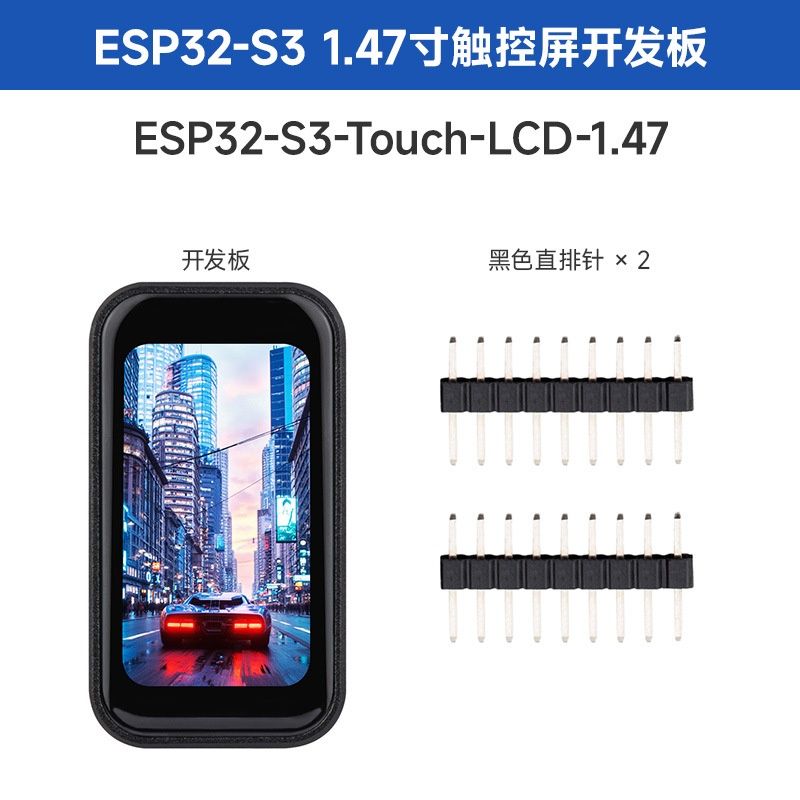
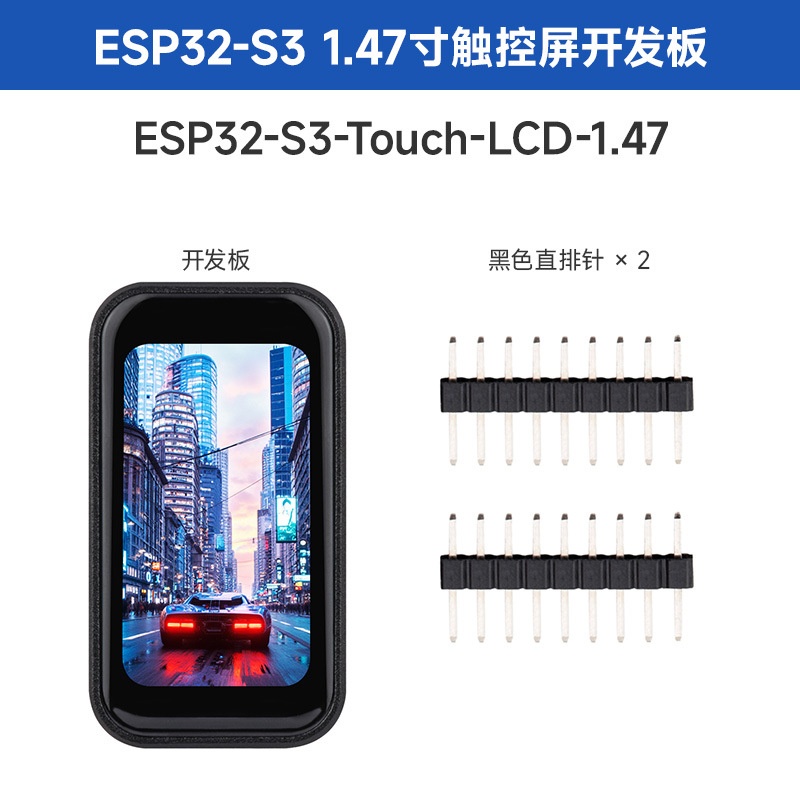
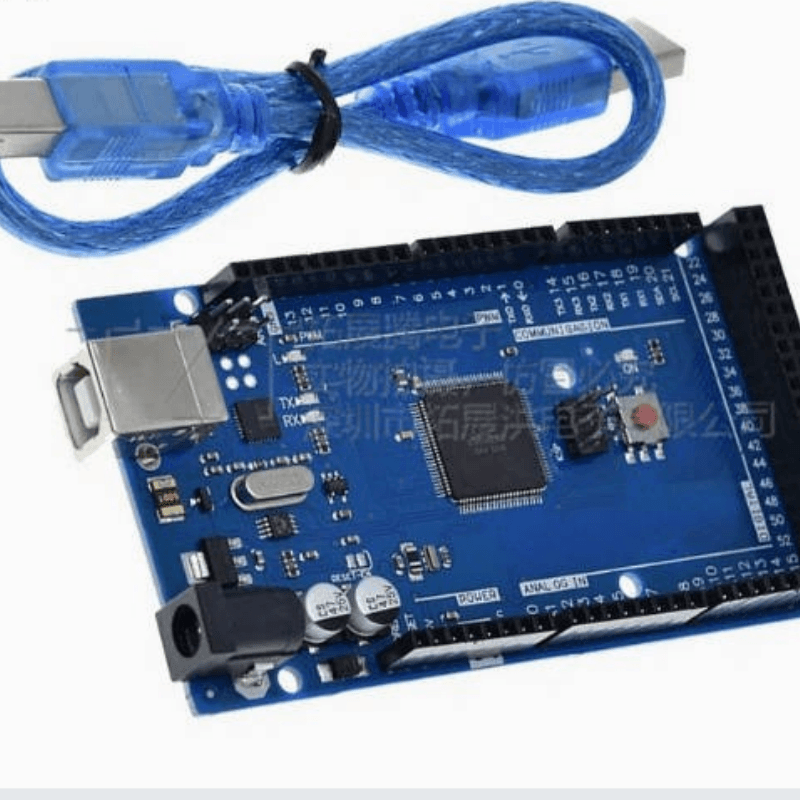
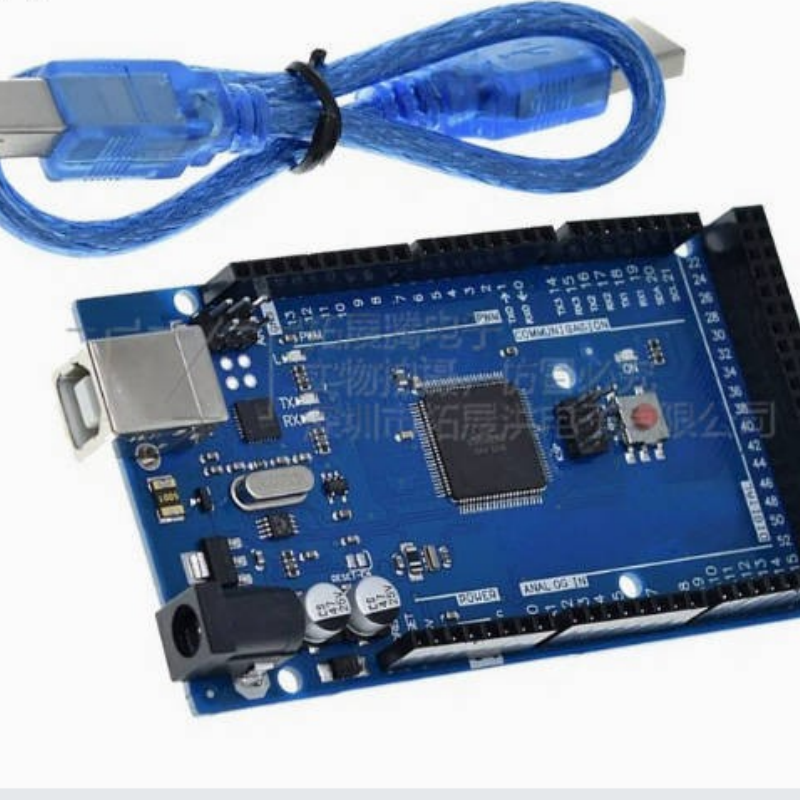
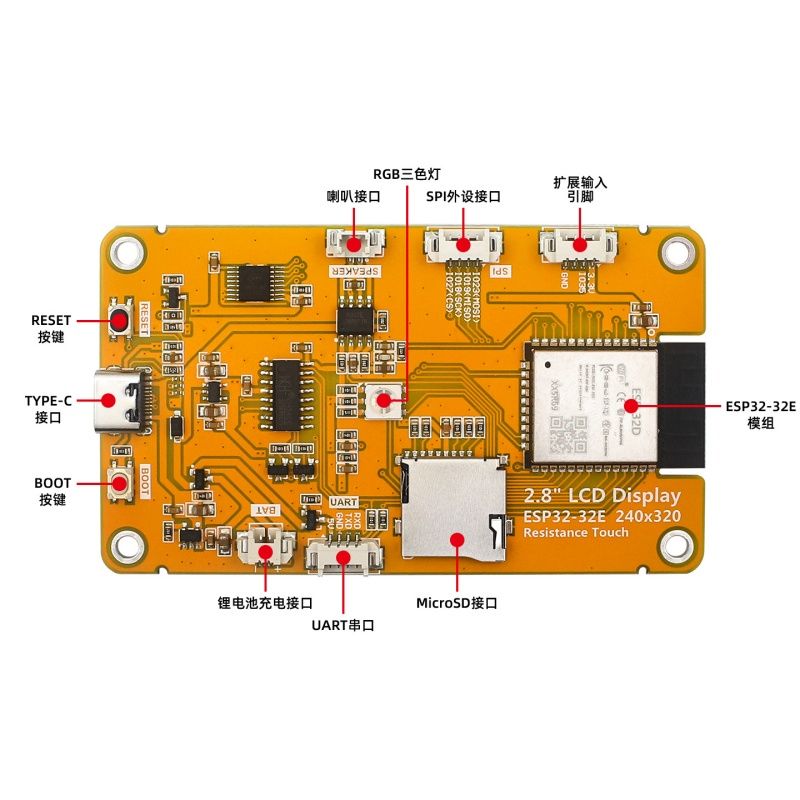
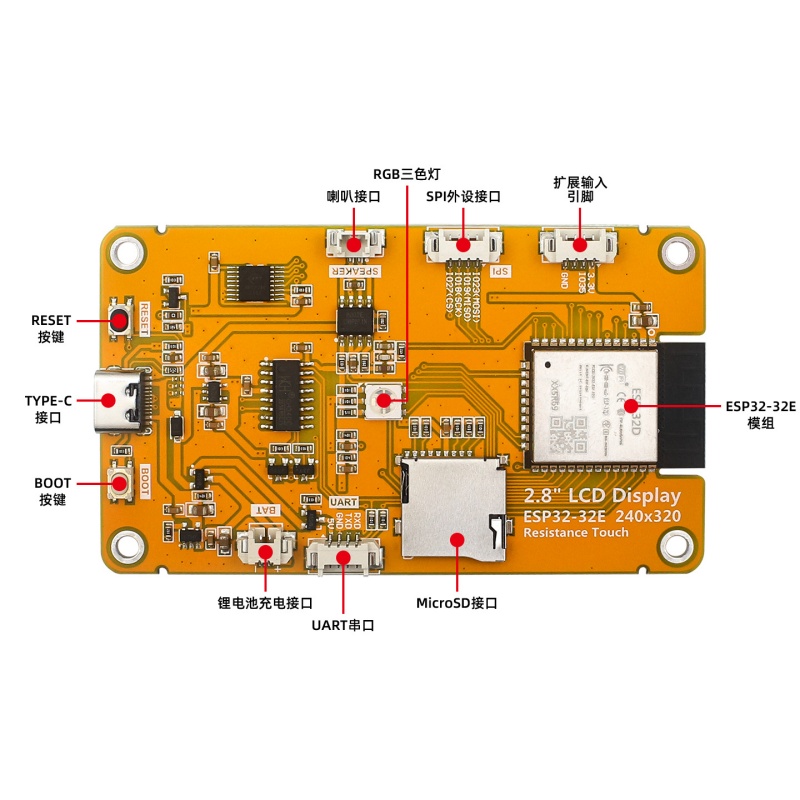
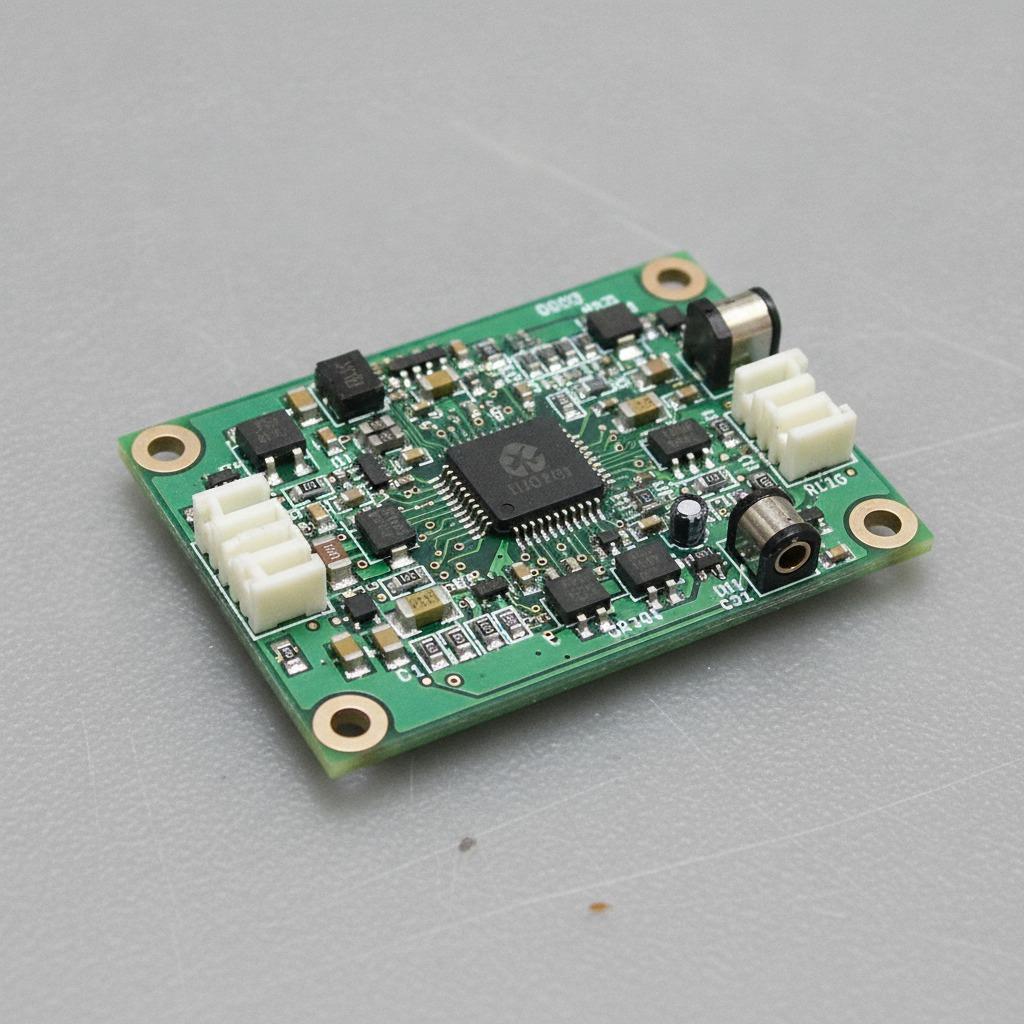
The supplied product information describes a compact green PCB assembly with a dense but orderly layout. Visible elements include a main integrated circuit, headers for expansion, connector interfaces for cable attachment, and mounting holes for fastening the board into a larger enclosure or textile module. These physical details matter because heating products often face space limits, repeated vibration, and mechanical stress from wires, pads, switches, and insulation layers.
For buyers comparing a Heated blanket control board against a generic controller board, the practical difference is integration. A purpose-built heating board is typically selected to coordinate temperature sensing, power switching, user input, and cable routing in a way that fits the product form factor.
Key specifications and capabilities
Compact control layout
The board layout shown in the preparation data is compact and functional, with multiple connection points that support board-to-cable integration. Exposed header pins can help during development, debugging, or expansion, while plug-in cable interfaces simplify wiring inside an assembled product.
Connector-rich structure
Several connector types are visible across the described boards: metal-shielded board connectors, inline plug sockets, white multi-pin connectors, and cable entries from opposite sides. Exact connector models are not confirmed, so they should be verified during engineering review. Even so, the general structure suggests a practical electronics module built for interfacing with power, sensors, or external subassemblies.
Mounting and enclosure fit
Drilled mounting holes are a useful feature when the circuit must remain fixed inside a soft blanket cartridge, plastic case, or insulated housing. This reduces connector strain and helps the assembly survive handling during daily use.
Materials and finish options
The visible boards use a standard green solder mask with white silkscreen markings. The substrate appears to be FR-4 style PCB material, which is common in electronics assembly. Exact board thickness, layer count, copper weight, and finish are not provided, so those details should be confirmed during quotation.
For a heating application, finish options and material choices often depend on the thermal environment, the need for compact routing, and the type of connector system selected. If the project requires better thermal stability, denser routing, or higher integration, hcdpcba can support custom PCB and PCBA builds under OEM/ODM workflows.
Manufacturing process
A Warming blanket circuit board normally goes through PCB fabrication, SMT assembly, through-hole insertion where needed, soldering, cleaning, inspection, and functional testing. For a product like this, process control is especially important because heating devices depend on consistent electrical behavior.
hcdpcba’s service scope includes PCB prototyping, SMT placement, component procurement, assembly, and testing. In practice, that means buyers can move from an early concept board to a more production-ready assembly without changing suppliers repeatedly. DFMA analysis can also help simplify the layout and reduce avoidable assembly issues before mass production starts.
Application scenarios
This type of board is relevant wherever controlled warming or embedded device management is needed. The provided data points to uses such as prototype electronics, embedded control, sensor interfacing, development testing, and board-to-cable connectivity. In a heating blanket product, the same structural ideas may support temperature regulation, user control, indicator lighting, or power distribution.
Although the exact end product is not visible, the assembly style also fits related electronics such as compact control modules, appliance subassemblies, or insulated device units that require airflow, external cabling, and secure board mounting.
Quality control and buyer decision factors
For buyers, the most important questions are not just “Can it be assembled?” but “Will it remain stable in use?” Key factors include connector reliability, solder joint quality, component sourcing, inspection method, and whether the design supports the expected thermal load. Because exact ratings and protocol details are not supplied here, those values should be verified in the engineering stage rather than assumed from the image.
hcdpcba emphasizes quality control, rapid response, and confidential handling. For heating electronics, that is useful when your project needs repeated revisions, small-batch pilot runs, or a controlled transition into production.
Customization guidance
If you are developing an Electric blanket PCBA, start by defining the practical boundary conditions: power source, temperature control method, cable path, enclosure style, and how the board will be mounted. Then review the connector plan, test points, and component placement so the assembly can be built and serviced without damaging the textile or housing.
Customization may include PCB size adjustment, connector selection, component sourcing, added protection features, and assembly optimization. Because the visible boards show multiple connector styles and expansion points, they already suggest a design approach that can be adapted to different product architectures.
Contact hcdpcba for OEM/ODM support
If you need a heating control board, a custom embedded module, or PCBA support for a warming product, hcdpcba can help with PCB prototype work, SMT assembly, sourcing, testing, and full OEM/ODM development. Share your target structure, connector needs, and use case, and the team can help turn the concept into a manufacturable board assembly.
Phone: +86 18924624188