Choose the Manufacturing Scope Before Comparing Prices
Choosing an automotive electronics PCBA manufacturer should begin with three questions: Can the supplier build to your approved design files? Can it demonstrate the agreed inspection and functional requirements? Can it control material, firmware, and process changes after the first approved batch? For OEMs sourcing vehicle control boards, LED drivers, or warning modules, these questions provide a more useful starting point than an assembly price alone. Define the installation environment, production scope, and acceptance criteria before requesting comparable quotations. The deliverable should be an assembly with an agreed design revision, test scope, and release record—not simply a populated circuit board. The following sourcing framework turns those expectations into information that engineering, purchasing, and quality teams can review together.
Which Buyers and Projects Is This Guide For?
This guide is intended for vehicle-accessory brands, automotive equipment manufacturers, electronics design companies, and procurement teams commissioning custom PCB assemblies. It is particularly useful when a project is moving from an engineering prototype toward pilot production, when an existing product needs a new manufacturing source, or when a brand requires development support before the design is ready for production. Establish whether you need build-to-print assembly, a broader sourcing-and-manufacturing service, or an OEM/ODM development project. Do not treat these as interchangeable quotations. Projects involving safety-critical vehicle functions also require a separate capability and qualification review; a general electronics assembly offer should not be accepted as evidence that every automotive application is supported.
Start With the Vehicle Application, Not an Automotive Label
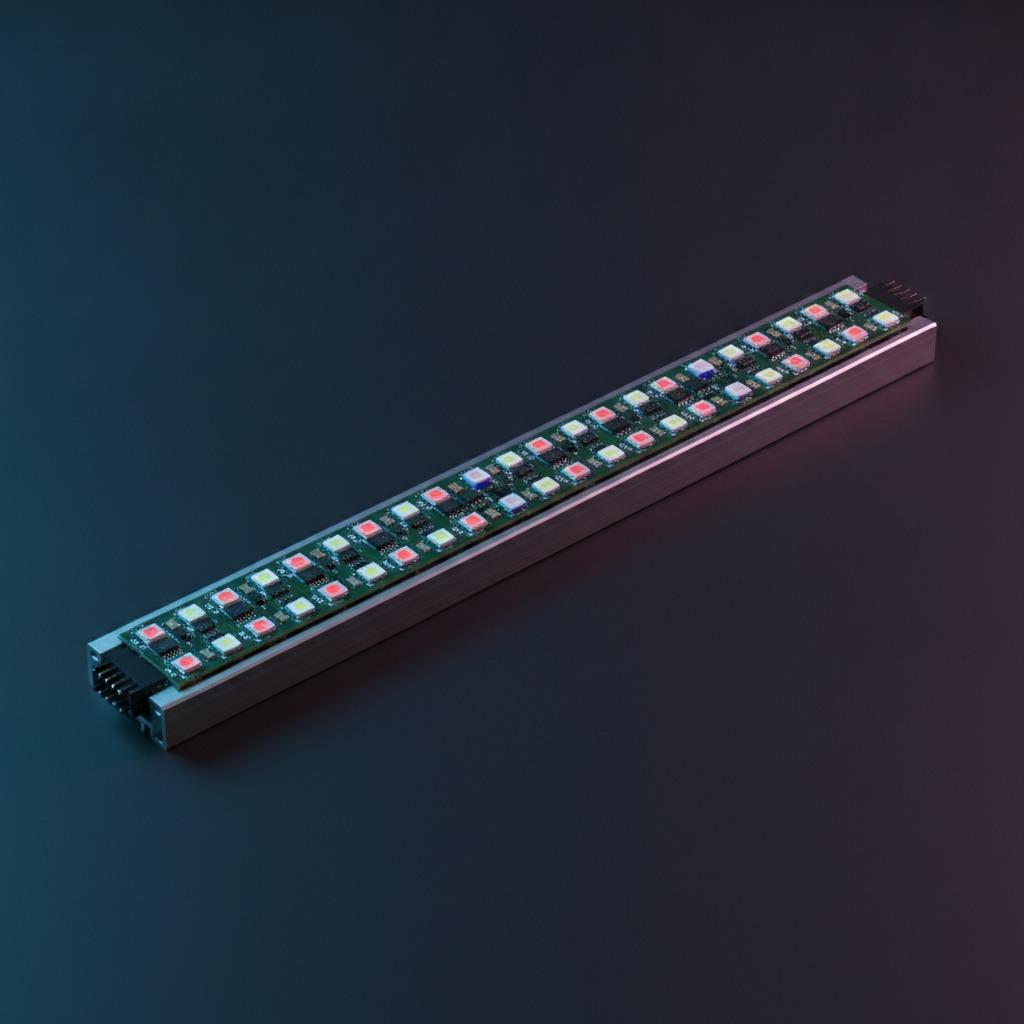
For an LED driver board, ask how the proposed test plan will verify output behavior, control inputs, and operation under the agreed load. For a compact controller, define the input signals, output functions, communication interfaces, and firmware behavior that must be checked. For a reverse voice warning board, specify trigger logic, audio content, speaker configuration, supply conditions, and installation requirements. These are different sourcing discussions even when the boards use similar assembly processes. HCDPCBA presents both automotive PCBA for embedded control and LED-driver boards and circuit board design for 12–24 V reverse voice alarm systems. Use these pages as starting points for application-specific discussions, then confirm the actual design, configuration, and acceptance requirements.
Build a Technical Specification Sheet Before Requesting an RFQ
Give an automotive electronics PCBA manufacturer a requirements sheet that connects the board’s intended function to measurable acceptance conditions. Describe where the assembly will be installed, how it will connect to the vehicle or equipment, and what the completed product must do. Avoid leaving important requirements inside informal emails while the quotation references only Gerber files and a component list. The table below is a buyer-side specification template, not a statement of standard HCDPCBA product ratings. Complete it using your released design documents and project requirements, and identify unresolved items before the supplier commits to a production scope.
| Specification area | Information to define | Evidence or agreement to request |
|---|---|---|
| Application and function | Control, lighting, warning, sensing, or interface duties | Functional description and agreed acceptance criteria |
| Electrical supply | Nominal voltage, operating limits, and project-specific abnormal supply conditions | Electrical requirements and corresponding verification plan |
| Outputs and loads | Output current, connected loads, operating modes, and duty cycle | Test conditions, limits, and recorded results |
| Installation environment | Temperature, moisture exposure, vibration, enclosure, and mounting location | Environmental requirements and validation responsibilities |
| PCB construction | Layer stack-up, material grade, copper weight, thickness, and finish | Approved fabrication drawing and controlled material requirements |
| Mechanical integration | Board outline, holes, connectors, component-height limits, and cable routing | Dimensioned drawings and mechanical fit checks |
| Components | Manufacturer part numbers, required qualifications, and permitted alternatives | Approved bill of materials and substitution procedure |
| Firmware and interfaces | Firmware revision, programming method, pin assignments, and communication requirements | Programming instructions and interface test specification |
| Inspection and testing | Required assembly checks, electrical tests, functional tests, and sampling rules | Written inspection and test plan |
| Identification and delivery | Revision marking, traceability, packaging, labels, and shipment documents | Agreed release and delivery checklist |
Lock the BOM and PCB Materials Before Production
Require a bill of materials, or BOM, that identifies manufacturer part numbers, quantities, package types, and any project-specific component requirements. Mark components that cannot be substituted and establish who may approve alternatives. Do not approve a replacement solely because its footprint and nominal value match; require the responsible engineer to review the characteristics relevant to the circuit and application. Apply the same discipline to PCB materials by recording the laminate specification, stack-up, copper requirements, and surface finish in controlled fabrication documents. Where coating, potting, adhesives, or thermal-interface materials are required, define the material, application areas, exclusions, and inspection requirements. Ask the manufacturer to identify procurement uncertainties before you approve the build rather than leaving material decisions to the production floor.
Use DFMA to Resolve Assembly Questions Before the Pilot Build
Ask for design-for-manufacture-and-assembly feedback before ordering production tooling or releasing a large batch. The review should identify unresolved component footprints, polarity markings, connector orientation, assembly access, panelization, test-point access, and any mechanical features that require clarification. Turn each finding into an action with an owner and an approved resolution. For the manufacturing review, request the proposed assembly sequence, soldering approach, process verification, inspection stages, and rework controls relevant to your board. HCDPCBA includes DFMA within its custom PCB assembly services, alongside assembly and testing. Use that review to agree on build requirements; do not assume that manufacturing feedback replaces your responsibility to approve circuit function or vehicle integration.
Ask What Inspection and Functional Testing Actually Cover
An automotive electronics PCBA manufacturer should explain its proposed test coverage rather than relying on a statement such as “fully tested.” Automated optical inspection addresses visible assembly features, while X-Ray inspection can examine selected hidden connections. Electrical and functional checks address other questions, including whether the assembled circuit behaves as required under defined conditions. These methods are complementary, not interchangeable. HCDPCBA’s OEM electronics manufacturing guide distinguishes inspection and functional-testing needs, while its manufacturing overview lists AOI, X-Ray, and ICT capabilities. For your project, specify which methods are included, which features they cover, what requires a test fixture, and whether results are retained by board or batch. Request the acceptance limits before production, not after a disagreement about a failed sample.
Verify Certification Claims and Project Approval Separately
When a purchasing specification calls for IATF 16949, request the relevant certification documents and review the manufacturing site, covered activities, validity, and applicable customer requirements before awarding the work. Treat component qualification, factory quality-system certification, and approval of your finished assembly as separate evidence requests. A product title containing “automotive” or a standard number is not a substitute for project documentation. HCDPCBA’s discussion of automotive circuit-board qualification also cautions that a board photograph cannot establish certification status or exact electrical specifications. Confirm which verification activities are performed internally, which require an external laboratory, and who approves the results. Resolve any safety-related engineering and qualification responsibilities before releasing the purchase order.
Plan the Transition From Prototype to Repeat Production
Ask the automotive electronics PCBA manufacturer to separate the project schedule into engineering clarification, material procurement, PCB fabrication, assembly, programming, testing, and shipment release. Identify the conditions that start each stage, including file approval, material availability, and fixture readiness. For a pilot build, agree on what must be demonstrated before increasing quantity: approved components, resolved assembly issues, satisfactory functional results, and a controlled production package. For repeat orders, require the same discipline around revisions, firmware, approved alternatives, and acceptance limits. Ask how board or batch identification will connect delivered assemblies to the agreed build and test records. Also define the response to a reported defect, including affected-batch identification, containment, investigation, and approval of corrective changes. These are project requirements to negotiate, not assumptions to make from a advertised production capacity.
Compare Manufacturing Routes Before Comparing Suppliers
A custom vehicle control board should be quoted against an agreed scope, so compare what each supplier will deliver and what your team must provide. A quotation covering assembly of customer-supplied materials is different from one covering component sourcing, programming, test development, and delivery documentation. Use the following comparison to structure supplier discussions. These are sourcing configurations rather than fixed product models or published price tiers; availability and responsibility must be confirmed for the individual project.
| Manufacturing route | Buyer contribution | Supplier scope to confirm | Cost and risk questions |
|---|---|---|---|
| Customer-supplied materials with build-to-print assembly | Released design files, supplied materials, and acceptance requirements | Material receipt checks, assembly, inspection, programming, and agreed testing | Who handles shortages, excess materials, defective supplied parts, and replacement procurement? |
| Turnkey build-to-print PCBA | Released design package, approved BOM, and required deliverables | PCB sourcing or fabrication, component procurement, assembly, testing, and shipment preparation | Which material sources and alternatives are approved, and what is excluded from the quotation? |
| ODM development followed by manufacture | Product requirements, interface definitions, application conditions, and approval decisions | Engineering deliverables, prototypes, revisions, manufacturing preparation, and production | Who owns design files and firmware, and how are development changes and additional validation priced? |
Compare Total Project Cost Without Removing Essential Checks
Evaluate an automotive electronics PCBA manufacturer on a like-for-like quotation rather than the lowest displayed unit price. Separate recurring board costs from engineering work, stencils, fixtures, programming preparation, qualification activities, packaging, and other agreed charges. Consider a simple comparison: one quotation includes firmware loading, interface verification, and shipment test records, while another covers assembly and visual inspection only. Those quotations do not describe the same deliverable. Ask both suppliers to price the same scope before deciding which is more competitive. For cost-reduction discussions, review approved sourcing options, panelization, component choices, and fixture reuse with engineering input. Do not remove a required test merely to achieve a purchasing target. Record what changed, why it was accepted, and whether the revised build needs further validation.
Define OEM and ODM Responsibilities in Writing
For a build-to-print project, state who owns and releases the design files, who answers engineering questions, and who approves changes. For an ODM project, extend that agreement to circuit development, firmware, prototypes, mechanical interfaces, validation, and ownership of the resulting deliverables. Define confidentiality, source-file access, tooling ownership, and change charges before development proceeds. HCDPCBA describes its business as a one-stop electronics manufacturing service covering SMT assembly, PCBA, prototyping, DFMA, and OEM/ODM support, with component sourcing and assembly/testing also included in its published service overview. Its company and service information provides a starting point for that discussion. Ask the team to identify the responsibilities it can undertake for your automotive project and which items remain with your engineering organization.
Prepare an RFQ That Produces a Useful Technical Response
Send the automotive electronics PCBA manufacturer a coordinated package containing Gerber and drill files, the BOM, assembly drawings, placement data where available, board dimensions, connector information, and your requested quantities. Add the application description, installation conditions, firmware requirements, test specification, required documentation, and target delivery schedule. Mark preliminary information clearly and distinguish mandatory requirements from preferences. Request a response that identifies assumptions, exclusions, material risks, engineering questions, and proposed next steps—not just a price. For confidential projects, agree on the appropriate information-sharing arrangement before transferring sensitive files. To discuss a control board, LED-driver assembly, or vehicle warning module, contact HCDPCBA with your project requirements and ask for a review of the proposed manufacturing and test scope.
Frequently Asked Questions
What does an automotive electronics PCBA manufacturer need for an accurate quotation?
Provide the released manufacturing files, BOM, quantity, assembly requirements, and expected test coverage. Include the vehicle application and installation conditions so the supplier can identify questions beyond component placement. Separate confirmed requirements from items still awaiting engineering approval.
Can HCDPCBA support prototypes as well as assembly projects?
HCDPCBA lists prototyping, SMT assembly, PCBA, DFMA, and OEM/ODM support among its services. Define the purpose of your prototype and the criteria for moving to the next build. Prototype quantities, engineering work, and production arrangements should be confirmed for the project.
Should every automotive board use the same temperature specification?
Do not assign a universal rating simply because the product is intended for a vehicle. State the installation location, expected ambient conditions, operating modes, and relevant project requirements. Ask the responsible engineering team to approve component and assembly requirements against that specification.
Are AOI and X-Ray sufficient to approve a finished assembly?
Do not treat an inspection pass as evidence that every required function has been verified. Agree on the electrical and functional checks needed for the product, including their conditions and acceptance limits. Specify how inspection results and functional results contribute to shipment approval.
How should automotive certification claims be checked?
Request the underlying documents rather than relying on a logo or product title. Check the relevant company and production site, covered activities, validity, and customer-specific requirements. Separately request the evidence needed to approve your particular board and its intended application.
Can alternative components be used when the original parts are unavailable?
Only use alternatives through an agreed approval process. Require the proposed part number, relevant technical differences, sourcing information, and any additional verification needed. Identify who has authority to approve the change and update the controlled BOM before production proceeds.
How can buyers reduce cost without weakening the acceptance plan?
Start by comparing quotations with identical deliverables. Then review sourcing choices, panelization, component selections, reusable fixtures, and production quantities with the engineering team. Keep required inspection and functional checks in place unless a documented review approves a change.
What should buyers ask about MOQ and delivery time?
Request project-specific conditions rather than assuming a standard minimum quantity or turnaround. Ask how material purchasing requirements, board fabrication, engineering work, fixtures, and test preparation affect the proposal. Confirm whether the quoted schedule begins at order placement or after defined release conditions are satisfied.
What should an ODM agreement include beyond the finished board?
Specify the engineering deliverables, prototype stages, revision allowance, test responsibilities, and approval process. Address ownership and access to schematics, layout files, firmware, tooling, and test software where relevant. State how additional development work and later product changes will be handled.
What information should remain controlled across repeat orders?
Maintain the approved PCB revision, BOM, component alternatives, firmware, assembly instructions, test limits, labeling, and packaging requirements. Define how changes are proposed and approved. Ask for the agreed traceability and release records so each shipment can be connected to its authorized production configuration.
Conclusion
Selecting an automotive electronics PCBA manufacturer is a decision about application fit, manufacturing responsibility, and evidence—not simply assembly cost. Define the vehicle environment, approve the materials and design revisions, establish meaningful test coverage, and confirm qualification requirements before committing to repeat production. For control boards, LED drivers, and vehicle warning modules, a clear specification and release process give both buyer and manufacturer a practical basis for cooperation. Start with the requirements that determine acceptance, then compare suppliers against the same deliverable. Share your board files, application details, quantities, and testing expectations through the HCDPCBA contact page to discuss a manufacturing proposal matched to your project.