Why a WIFI lighting timer board is harder to source than it looks
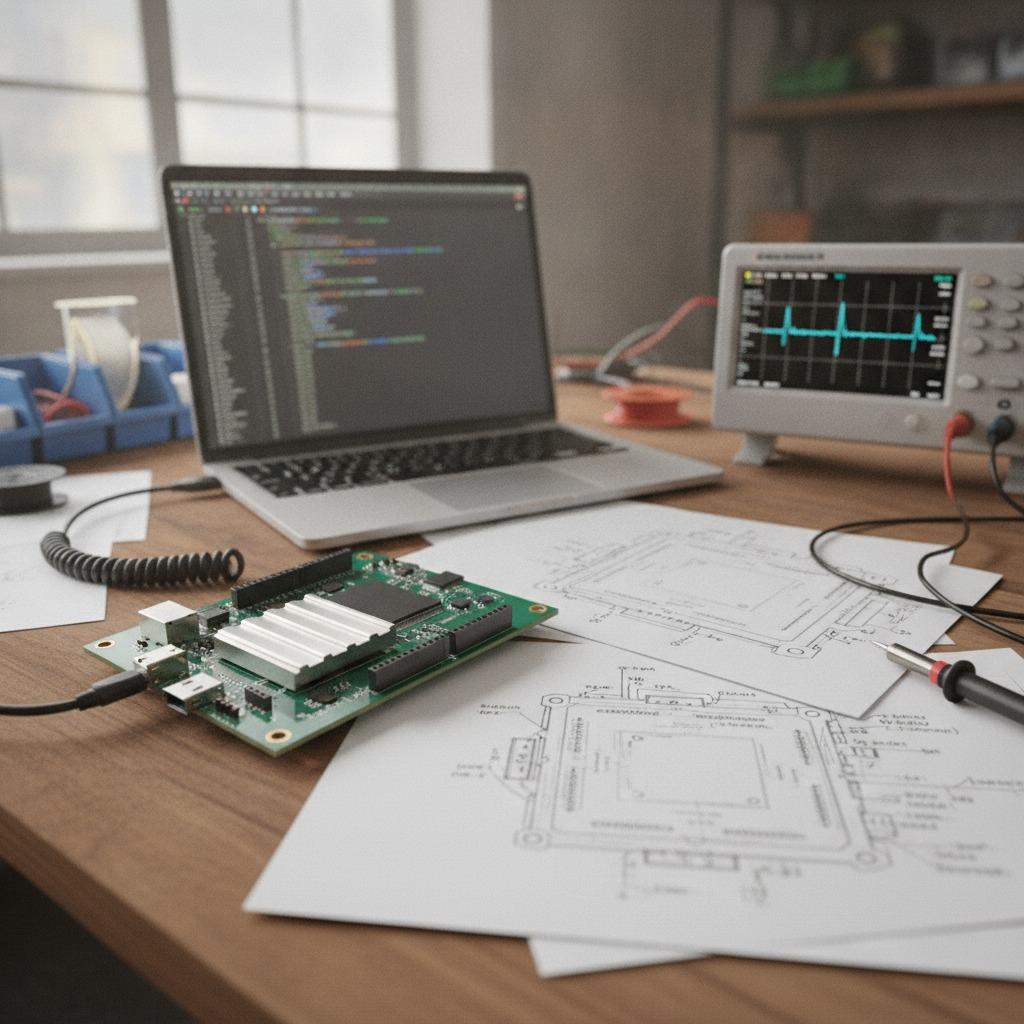
A WIFI lighting timer board sounds straightforward until it has to live in a real product. The board must switch loads reliably, accept app or remote commands, hold timing logic without drifting, and still fit into a compact enclosure with acceptable heat management. For engineers and sourcing managers, the issue is not whether the concept works. It is whether the PCB assembly will keep working after repeated switching, noisy mains environments, and ordinary user mistakes.
That is where a good WIFI lighting timer board stops being just a control board and becomes a manufacturing problem. The choice affects wireless stability, timing accuracy, thermal behavior, service life, and even the final user experience. If the product also needs an LCD digital timing PCBA or a mobile remote control dimmer board function, the design gets more crowded and the trade-offs become harder to ignore.
What buyers usually need this board to solve
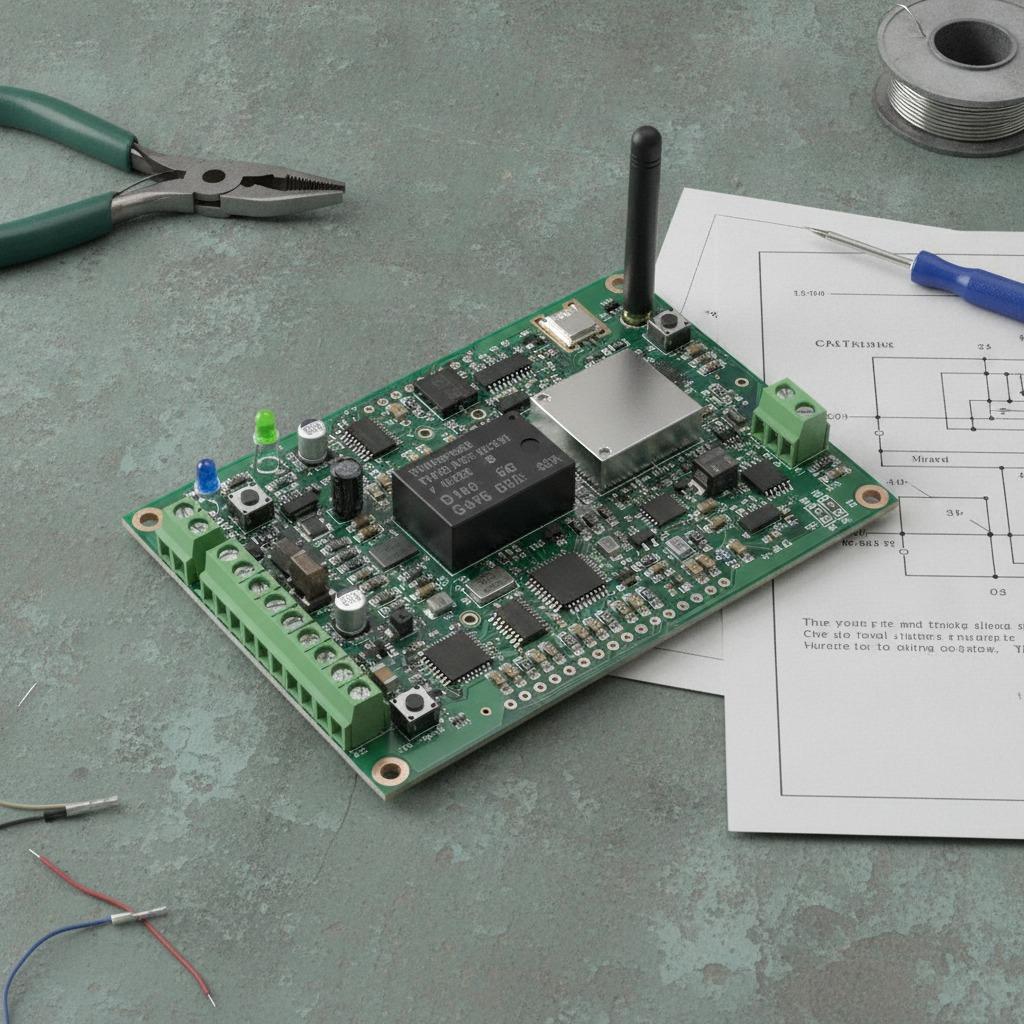
Most buyers are not shopping for a PCB in isolation. They are trying to solve a use case: lights that turn on and off automatically, dim smoothly, follow a schedule, or respond to app-based control. In smart home and commercial lighting, that can mean energy savings, more predictable operation, and fewer manual adjustments. In simple terms, the board is expected to replace several separate controls with one compact smart timing control PCB.
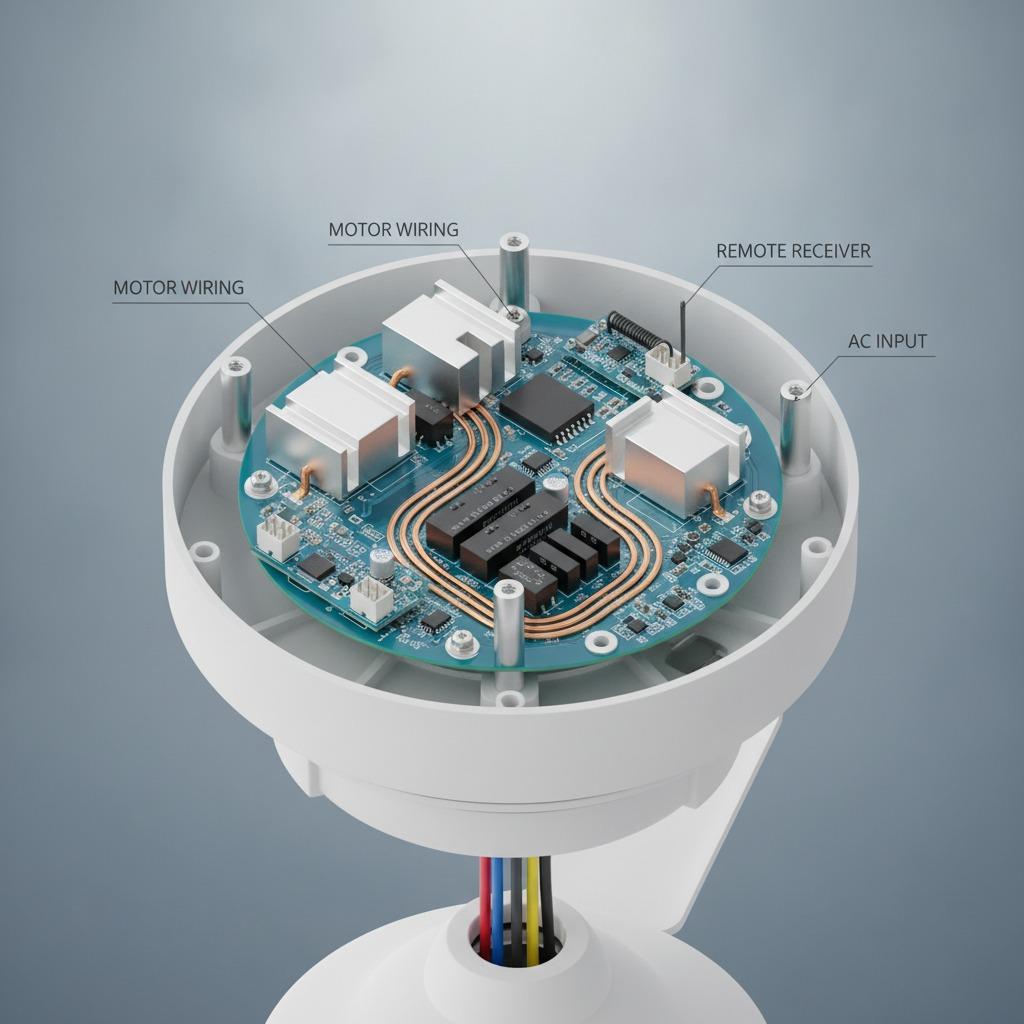
That consolidation sounds elegant, but it creates pressure in three places: component selection, layout discipline, and assembly quality. A board that combines wireless control, timing logic, dimming output, and display functions may need tighter partitioning than a basic relay board. If the product also includes a PCBA with cooling fan or other heat-producing elements, thermal design becomes even more important.
Key functions to compare before you commit to a design
For most projects, the first question is not brand or enclosure. It is feature set. Some boards are built mainly for scheduled switching. Others support scene control, brightness adjustment, or local display feedback. A practical comparison should look at the following:
Timing and control behavior
Does the board handle simple on/off scheduling, delayed start, countdown timing, or recurring cycles? A timer that feels precise in demo testing can still be awkward in a product if the interface is confusing or the logic resets badly after power interruption.
Wireless and remote interaction
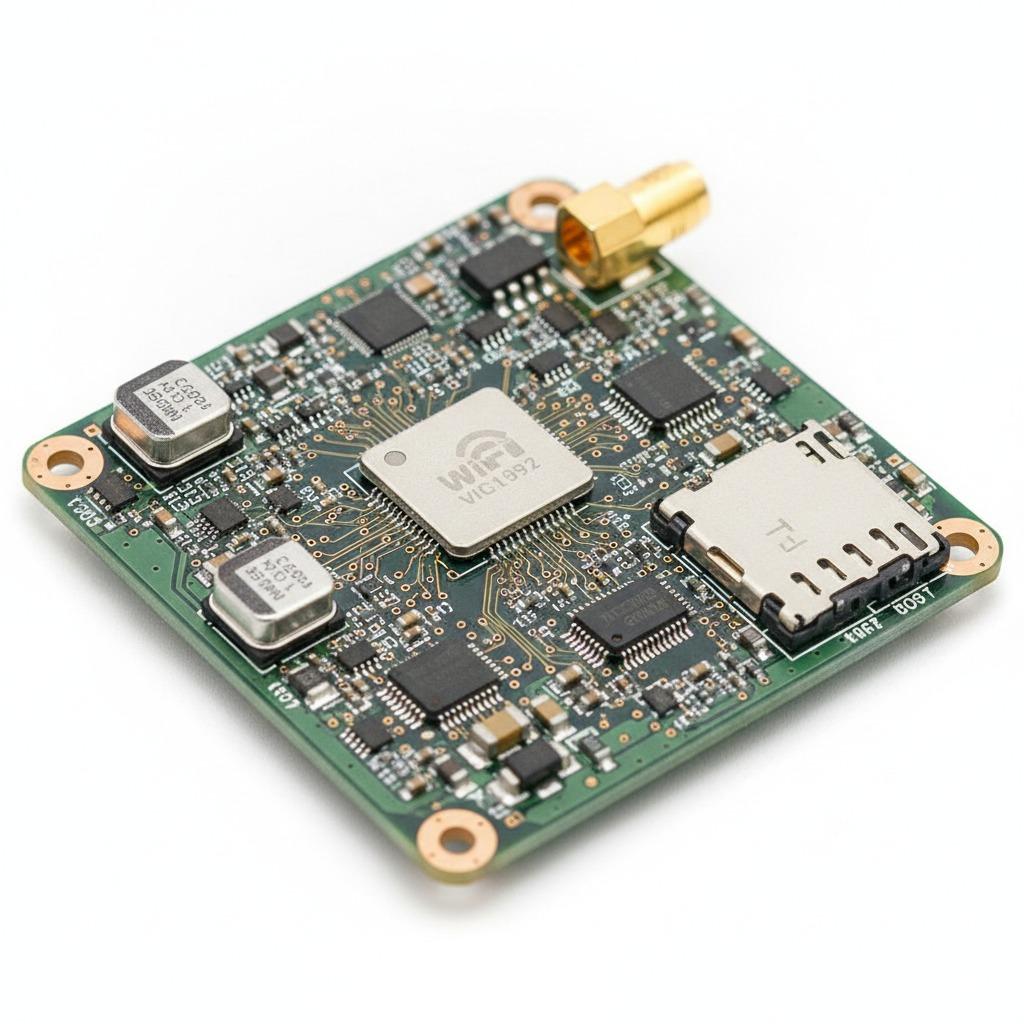
Many buyers want a WIFI lighting timer board because mobile control reduces installation friction. If app control is included, ask how pairing works, whether users can recover easily after power loss, and whether the control flow is realistic for non-technical end users. A mobile remote control dimmer board is only useful if the app or remote actually matches the way people install and operate the device.
Display and feedback
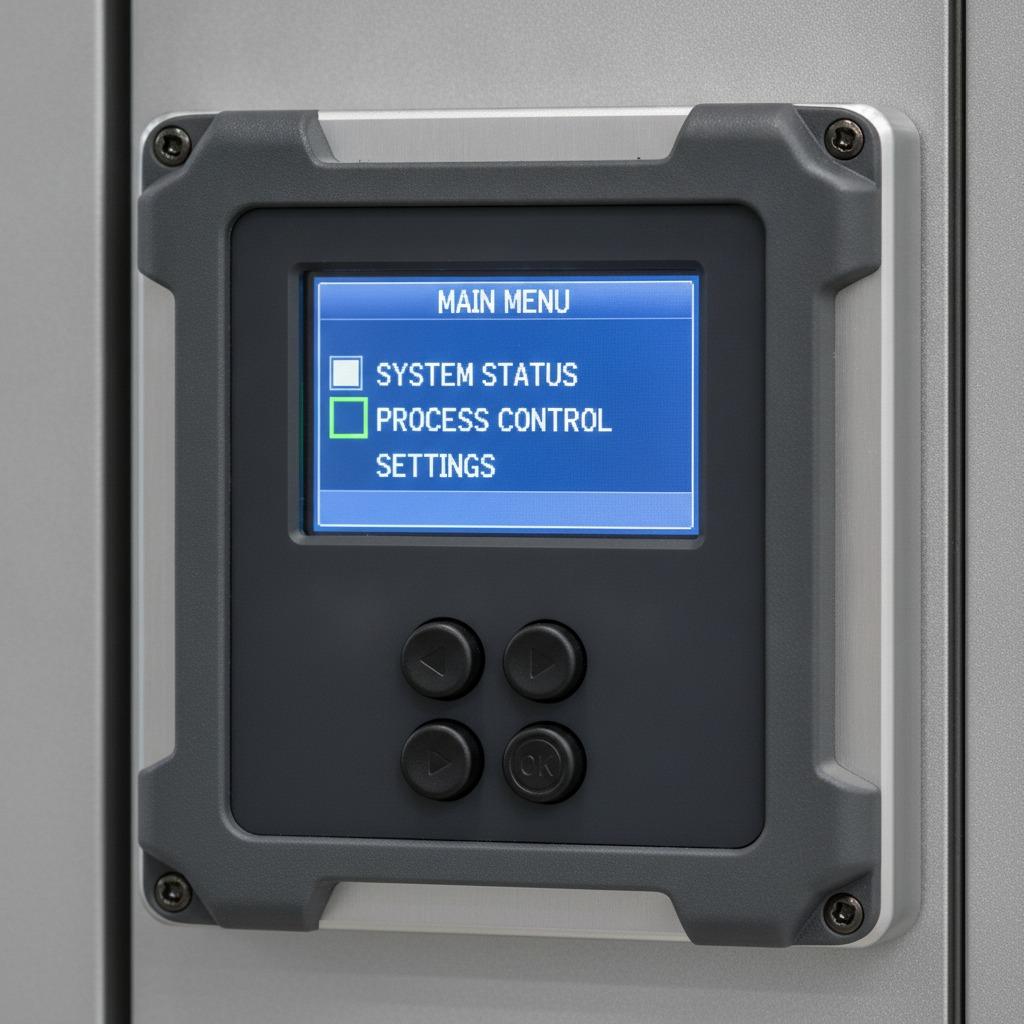
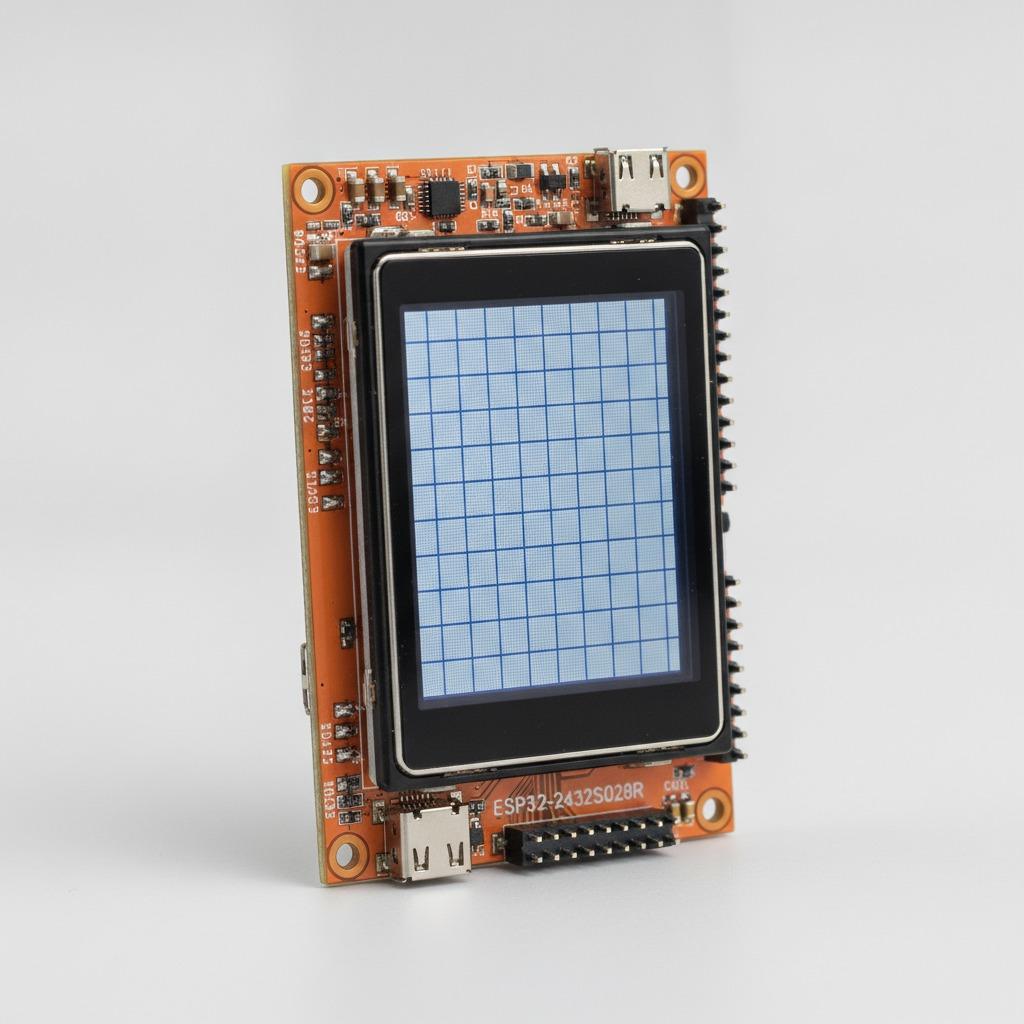
An LCD digital timing PCBA can be helpful in consumer and light commercial products because it gives the user a direct readout instead of forcing them to trust a hidden schedule. The caution here is simple: a display adds complexity, and complexity has to be supported by assembly quality and field robustness.
Manufacturing details that matter more than the spec sheet
hcdpcba provides SMT贴片, PCB打样, component sourcing, assembly, testing, DFMA support, OEM, and ODM services. That matters for this kind of product because lighting-control boards often need a cleaner production path than buyers expect. Wireless modules, switching components, connectors, and display parts can all create assembly bottlenecks if the layout is not designed with manufacturing in mind.
For a smart timing control PCB, DFMA review is worth taking seriously. Small changes in component placement can reduce assembly errors, improve soldering consistency, and simplify inspection. The company also supports small-batch and large-batch SMT without engineering fees, which can be useful when the first build is still being adjusted and the final volume is not yet fixed. That said, no one should confuse easy quoting with finished product readiness. Prototype verification still matters.
Common mistakes buyers make
The most common mistake is treating the board as a one-feature part when the product is actually doing four jobs at once. Lighting timing, wireless communication, dimming control, and thermal handling should be reviewed together. If one function is added late, the layout usually pays for it.
Another mistake is ignoring enclosure and heat. A control board may look fine on paper, then run warm once the relay, power stage, and display are all active. If the design needs a fan or some other thermal aid, it should be planned early rather than patched in later.
A third issue is over-specifying features that the end user will never use. A crowded interface can slow setup and increase support calls. In many products, a simpler timer board with reliable app control is better than an impressive but awkward interface.
How to choose the right manufacturing partner
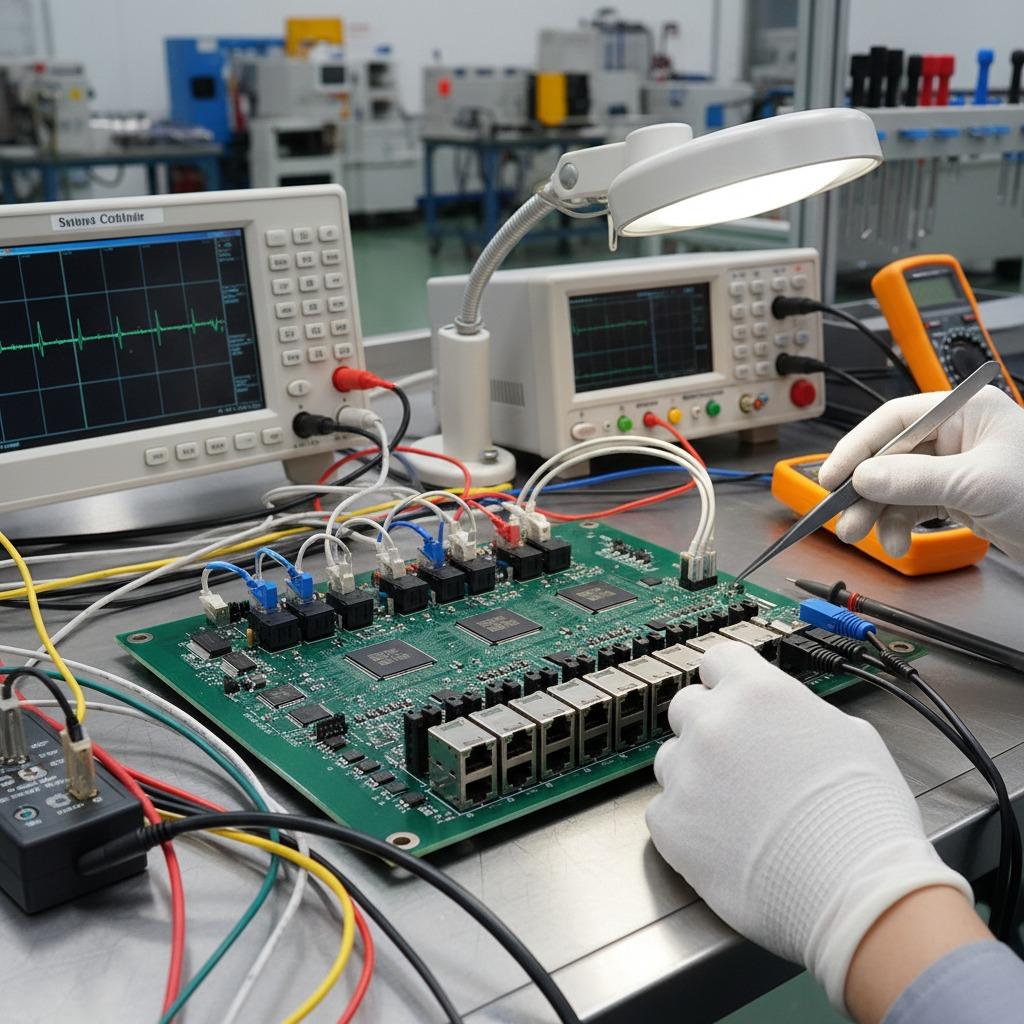
Look for a partner that can handle PCB prototype work, SMT assembly, component procurement, and testing under one roof. That reduces handoff risk. For lighting boards, it also helps if the manufacturer is comfortable with multi-layer boards, high-frequency considerations where needed, and mixed-signal layouts. hcdpcba also serves industrial control, medical, automotive electronics, IoT, security, and smart home applications, which suggests familiarity with products that need stable production rather than one-off experimentation.
Ask direct questions about test coverage, rework handling, and how the team flags manufacturability issues before mass production. A good answer is usually more valuable than a glossy capability list.
Buyer-facing takeaway
If your product needs scheduled lighting, app control, and reliable dimming in a compact package, the board architecture and the assembly process matter as much as the feature list. Choose the function set first, then make sure the PCB layout and PCBA process can actually support it. That is the difference between a board that demos well and a board that survives the field.
Next step
If you are developing a WIFI lighting timer board, a smart timing control PCB, or a related LCD digital timing PCBA, it is worth reviewing manufacturability before the design hardens. A short DFMA check, plus a prototype build plan, can save more time than most teams expect. For OEM or ODM support, hcdpcba can be contacted at +86 18924624188.