The Foundation of Modern Electronics
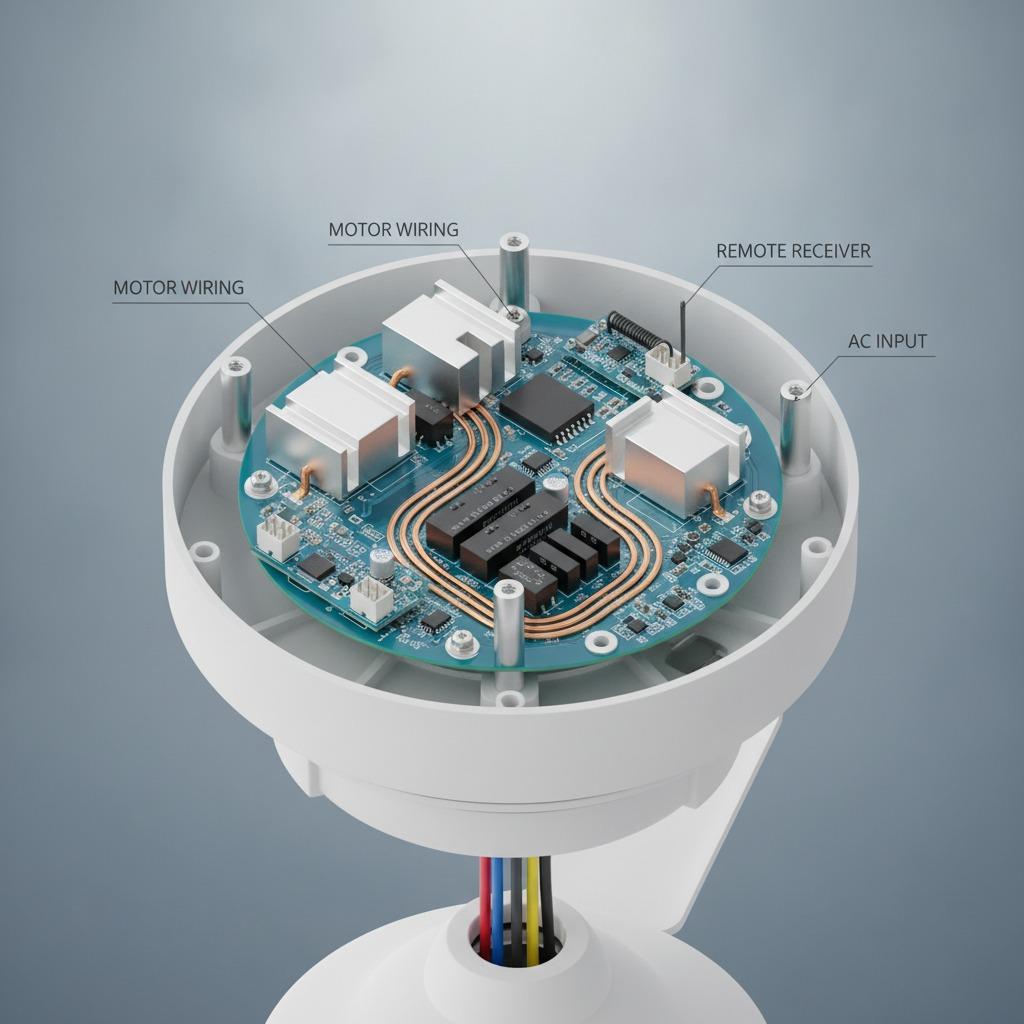
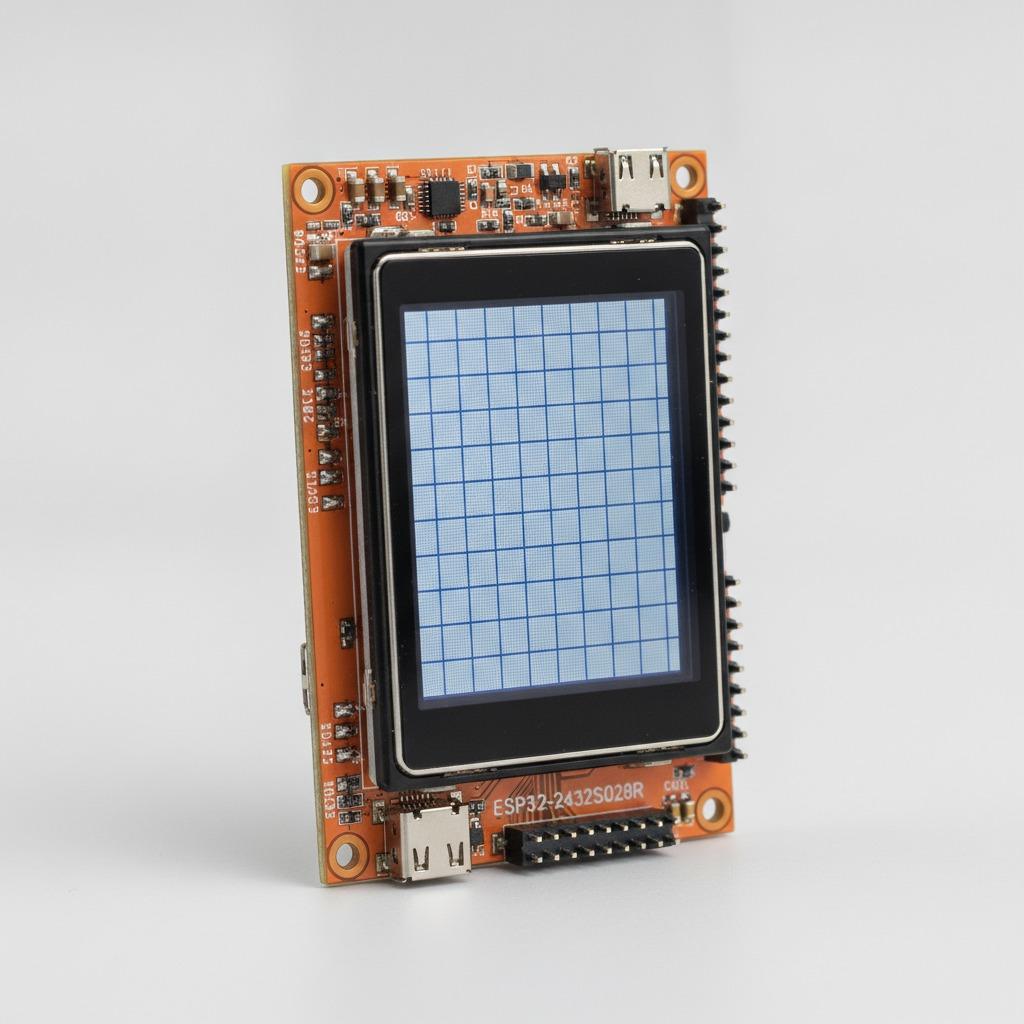
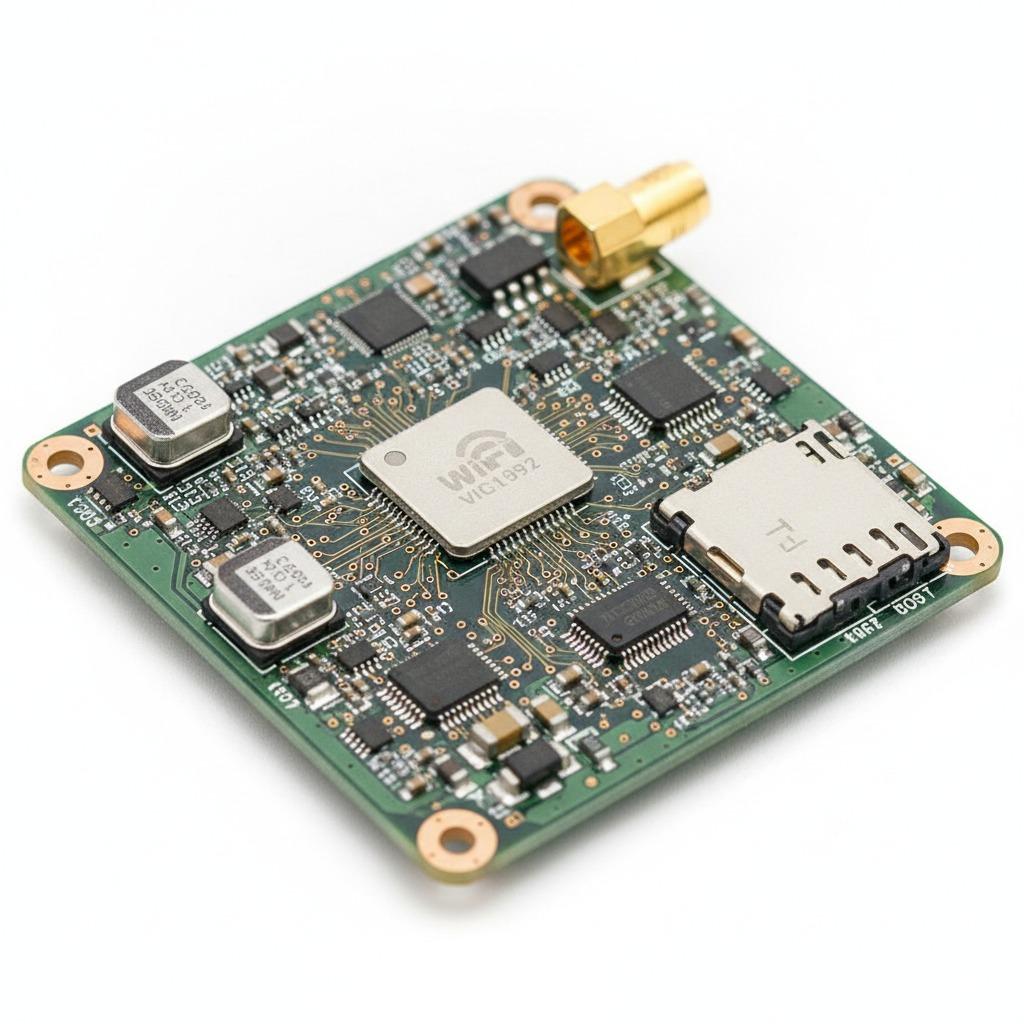
At the heart of nearly every electronic device we use today, from smartphones and laptops to cars and medical equipment, lies a Printed Circuit Board Assembly, or PCBA. The intricate process of PCBA board manufacturing is what transforms a bare circuit board into the functional brain of a product. This complex procedure involves mounting various electronic components onto a Printed Circuit Board (PCB) to create a fully operational electronic circuit. Without this sophisticated manufacturing process, the technology that defines our modern world would simply not exist. Understanding the steps involved reveals a fascinating intersection of precision engineering, robotics, and quality control.
Key Stages in the PCBA Manufacturing Process
The journey from a blank PCB to a finished PCBA involves several critical stages, each requiring immense precision. It begins with the application of solder paste. A stencil is placed over the board, and a squeegee-like tool applies a lead-tin or lead-free solder paste to the exact spots where components will be placed. Following this, the process moves to automated component placement using a 'pick-and-place' machine. This robotic device rapidly and accurately picks up individual electronic components—like resistors, capacitors, and integrated circuits—from reels and places them onto their designated pads on the board. Once all components are in place, the board travels through a reflow oven. The oven heats the board to a specific temperature profile, melting the solder paste, which then solidifies upon cooling, creating strong and permanent electrical connections for all the components.
Component Technologies: SMT and THT
There are two primary technologies used in the PCBA board manufacturing process: Surface Mount Technology (SMT) and Through-Hole Technology (THT). SMT is the most common method used today, where components are mounted directly onto the surface of the PCB. This allows for smaller components, higher component density, and a more automated assembly process, making it ideal for compact and complex electronics. In contrast, THT involves inserting component leads through holes drilled in the PCB and then soldering them on the opposite side. While older, THT provides stronger mechanical bonds, making it suitable for larger components like connectors or transformers that might endure physical stress. Many modern boards are actually a mix, using SMT for the majority of components and THT for those requiring extra durability.
Ensuring Reliability Through Rigorous Testing
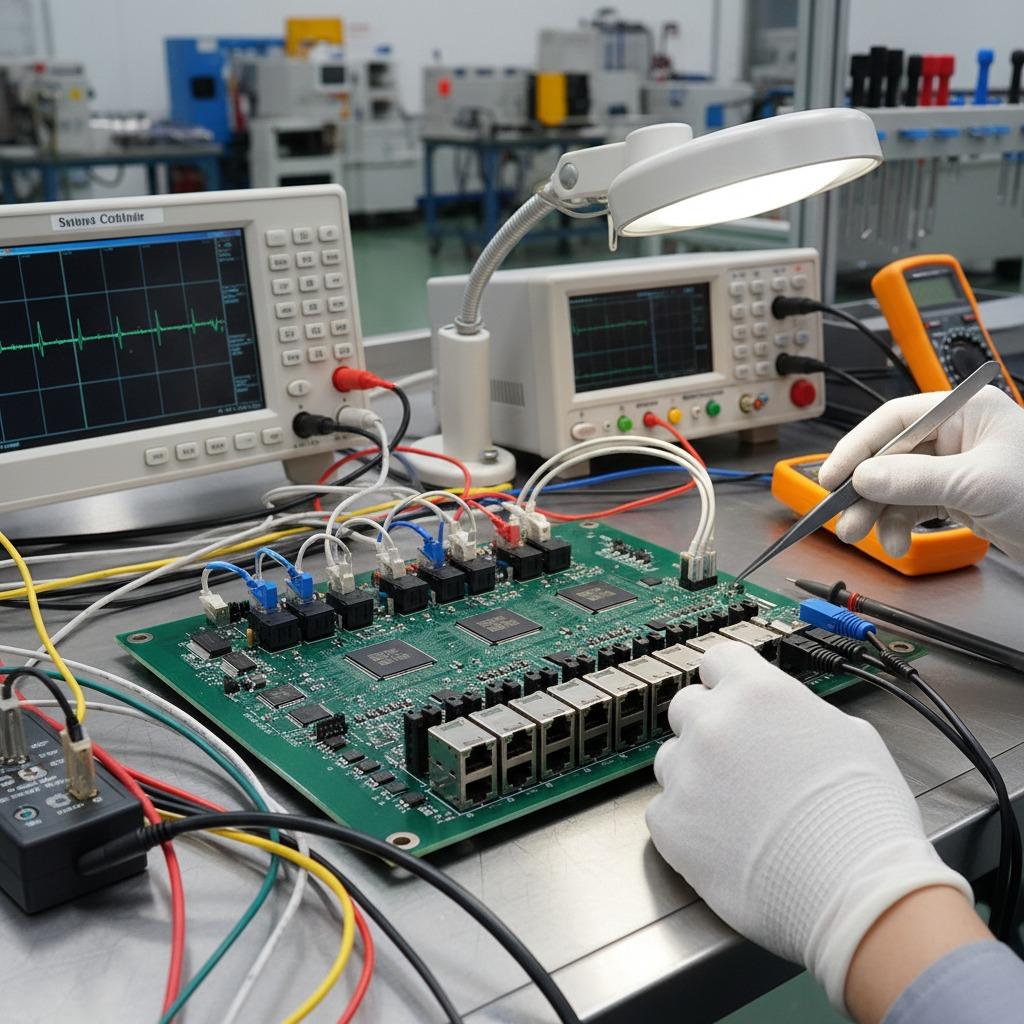
A crucial and non-negotiable part of the process is quality control and testing. A visually perfect board may still have hidden flaws that could lead to product failure. To prevent this, manufacturers employ several inspection methods. Automated Optical Inspection (AOI) uses cameras to scan boards and compare them against a detailed schematic, catching issues like incorrect component placement or solder bridges. For more complex components like Ball Grid Arrays (BGAs), where solder joints are hidden underneath the chip, X-ray inspection is used to see through the component and verify the connections. Finally, functional testing (FCT) is often performed. This test powers up the board and simulates its real-world operation to ensure it performs exactly as designed. These rigorous testing phases guarantee the reliability and longevity of the final product.