Why the Solar Hybrid Inverter PCB Board Deserves More Attention Than It Usually Gets
A solar hybrid inverter PCB board is one of those assemblies that tends to disappear behind the bigger story of batteries, panels, and load capacity. Yet it is the part that quietly decides whether a system switches smoothly between solar, battery, and grid input—or whether it stumbles at the worst possible moment. For engineers and sourcing teams, that makes the board more than a commodity. It becomes the center of control, protection, and power conversion.
If you are comparing suppliers or trying to move from prototype to production, the real question is not simply whether the board works on the bench. It is whether the design can hold up under thermal stress, noisy switching conditions, installation variability, and the practical realities of manufacturing. That is where the difference between a decent board and a production-ready one starts to show.
What This Board Typically Has to Do
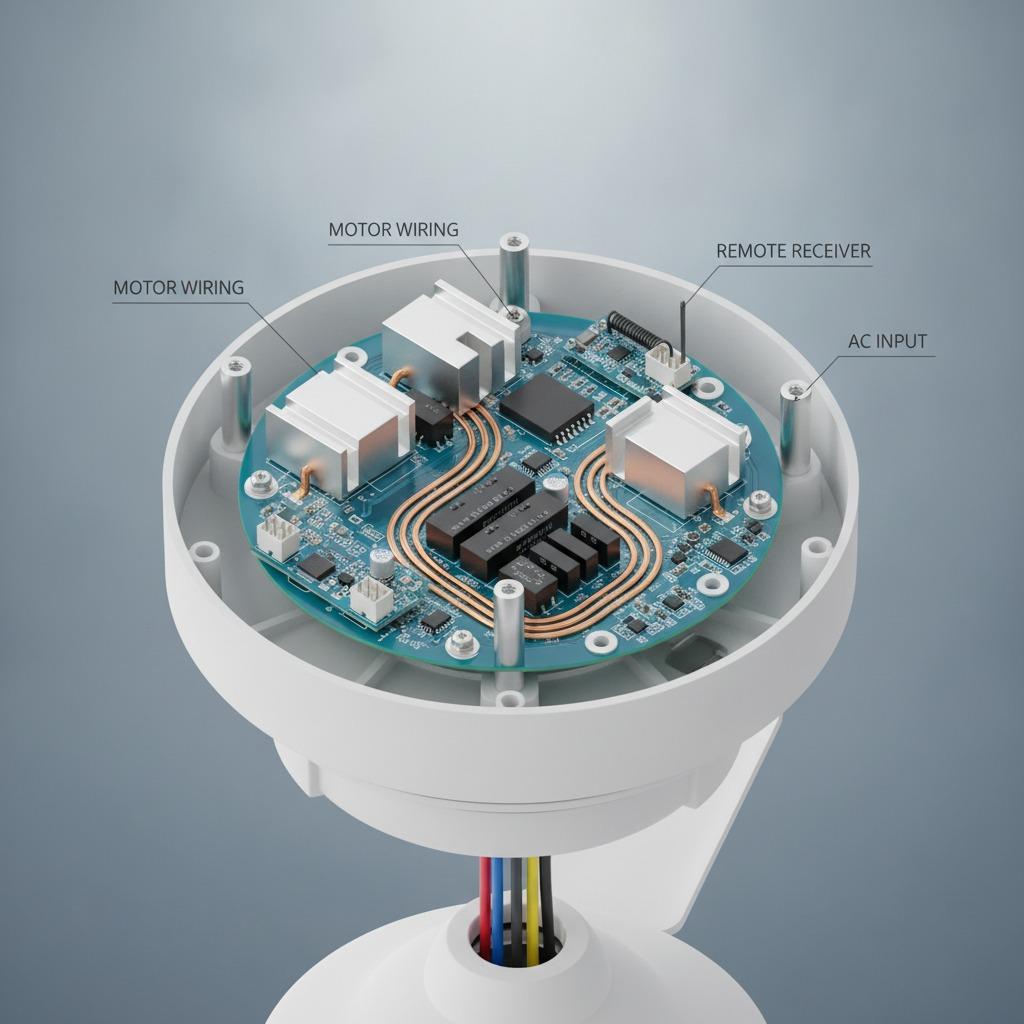
In a hybrid inverter, the PCB is not just carrying signals. It is handling coordination between power stages, sensing circuits, control logic, and protection functions. Depending on the design, it may also support communication interfaces, monitoring features, and the logic needed for charging and discharge decisions. In plain terms, the board must help the system decide when to draw from solar, when to charge batteries, and when to support the load from another source.
That is why buyers often cross-check a solar inverter pcba against the complete system architecture, not just the schematic. A weak layout, poor isolation strategy, or careless component placement can lead to unstable operation long before the final product reaches the field.
Core Design Considerations Buyers Should Not Skip
Power handling and heat
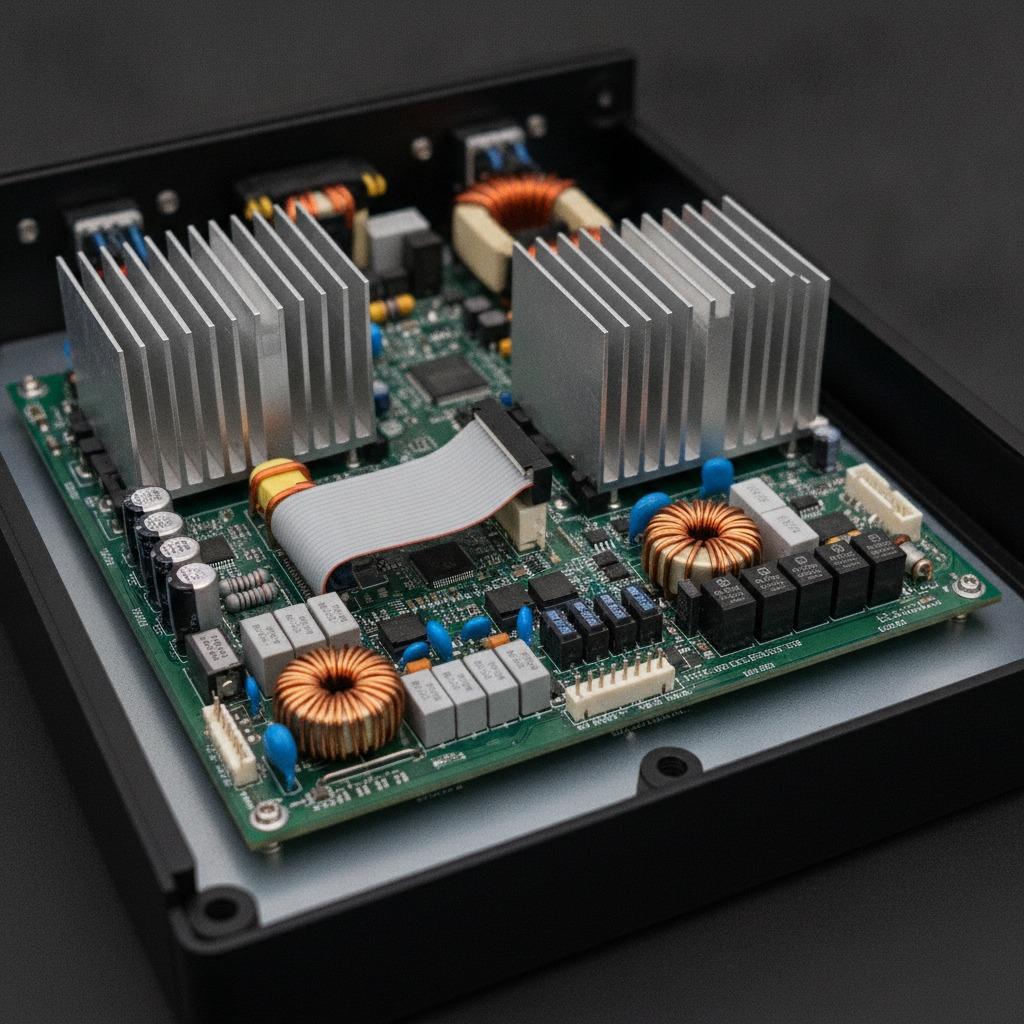
Hybrid inverter boards live in a harsh electrical neighborhood. Current spikes, switching heat, and long operating hours all leave a mark. Good thermal design matters as much as component selection. Keep an eye on copper weight, heat spreading, and how close sensitive control circuits sit to hotter power sections.
Isolation and noise control
Mixed-signal power electronics are unforgiving. A board that looks clean on paper can still fail if noise from the power stage bleeds into sensing or control paths. Proper grounding, spacing, and signal routing are not minor layout details; they are what keep an inverter from becoming temperamental in the field.
Manufacturability
Design for manufacturing often gets discussed late, which is usually too late. hcdpcba highlights DFMA service, and that is useful in this category because inverter boards can be crowded, layered, and awkward to assemble. A layout that is elegant but hard to assemble can slow down builds, raise defect risk, and complicate repair.
How Hybrid Inverter Boards Differ from Basic Power Boards
A solar power pcb board for a hybrid inverter is usually more demanding than a simple control board. It may need to support sensing accuracy, protection logic, power conversion, and communication in one compact assembly. In some systems, the design may resemble a pure sine wave inverter circuit board, but the hybrid version often adds extra decision-making and input management, which increases complexity.
That extra complexity affects sourcing too. A supplier has to manage component availability, assembly quality, and testing discipline, not just fabrication. hcdpcba’s services in PCB prototyping, SMT assembly, component sourcing, and testing can fit this kind of work when a buyer needs a one-stop path from sample build to production run.
Selection Criteria That Matter in Practice
When evaluating an off grid inverter pcb or hybrid design, focus on the questions that usually surface after launch:
Can the board be assembled consistently at scale? Can the supplier support multilayer boards or HDI if the layout needs it? Is the test flow sufficient to catch faults before shipment? Can the design be revised quickly if a field issue appears? These are not glamorous questions, but they are the ones that keep production moving.
It is also worth asking whether the supplier can support prototype iteration without dragging out the schedule. Fast PCB proofing and responsive SMT assembly can shorten the loop between electrical validation and pilot production, which matters when inverter platforms are being tuned for different markets or battery configurations.
Common Mistakes Seen in Sourcing
One frequent mistake is treating all inverter PCBs as interchangeable. They are not. A board intended for a compact residential unit will not behave like one built for a higher-power off-grid enclosure with tougher thermal and mechanical constraints.
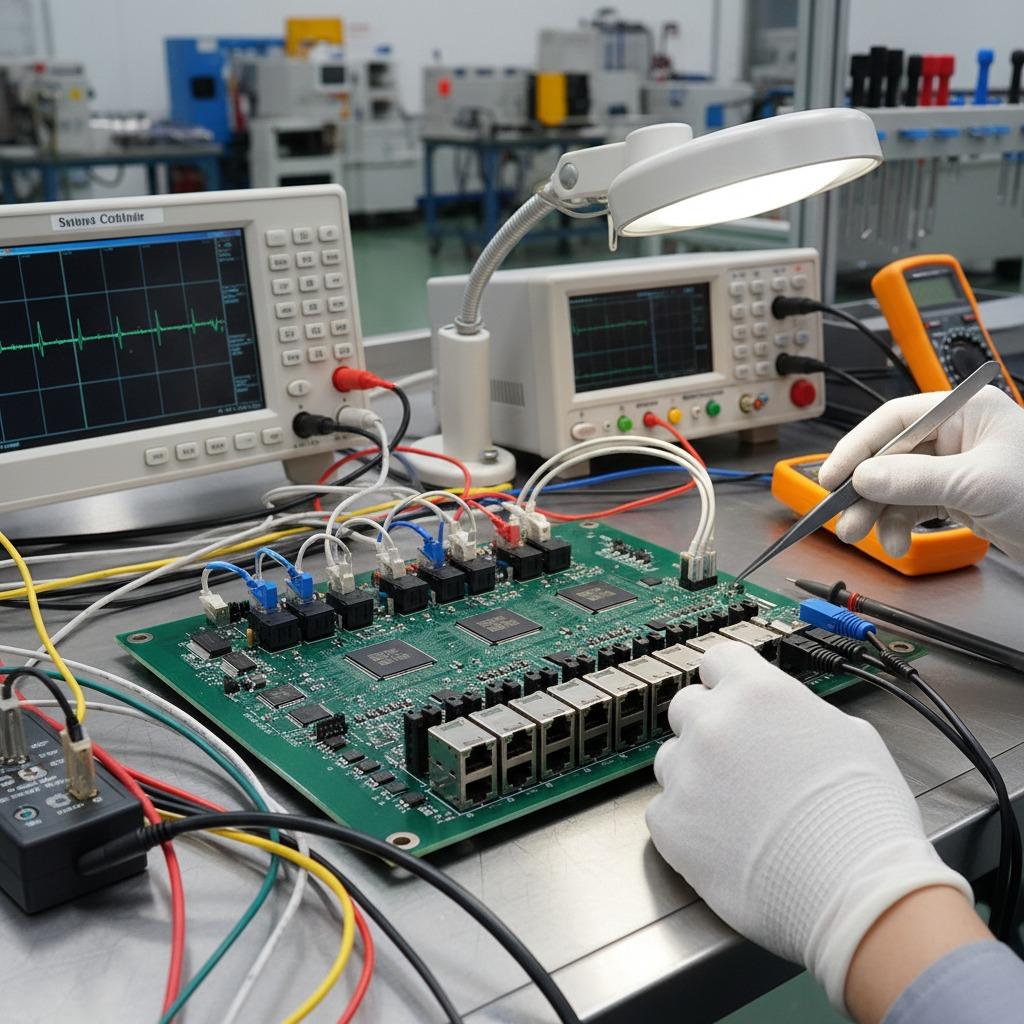
Another common issue is underestimating test requirements. Visual inspection alone is not enough for this class of product. Power electronics should be checked under conditions that reveal solder integrity, functional stability, and assembly defects. The more complex the board, the less forgiving the final system will be.
Practical Buyer Advice
If you are sourcing a solar hybrid inverter PCB board, start with the system requirements rather than the board drawing. Define input ranges, power stage needs, environmental conditions, and any communication or monitoring functions. Then ask suppliers how they would build and verify the design.
For buyers who need PCB fabrication, SMT assembly, component sourcing, and testing under one roof, hcdpcba positions itself as a manufacturing partner for custom PCBA work across industrial and power-related applications. That can be useful when speed matters, but so does traceability and process control.
FAQ
Is a hybrid inverter board the same as an off-grid inverter board?
Not necessarily. There is overlap, but hybrid systems usually manage multiple input sources and operating modes, which can add control complexity.
Why does layout matter so much?
Because power electronics is sensitive to heat, noise, and spacing. A board can pass schematic review and still fail in the real world if the layout is weak.
What should I request from a supplier?
Ask about PCB fabrication capability, SMT precision, component sourcing, assembly flow, testing support, and whether DFMA review is available before production starts.
If you are comparing suppliers for a solar inverter pcba program, the best next step is to share the electrical requirements early and ask for manufacturability feedback before tooling or volume commitment. That small step often saves the most expensive kind of delay later.