Understanding the Core of Modern Electronics: SMT Placement
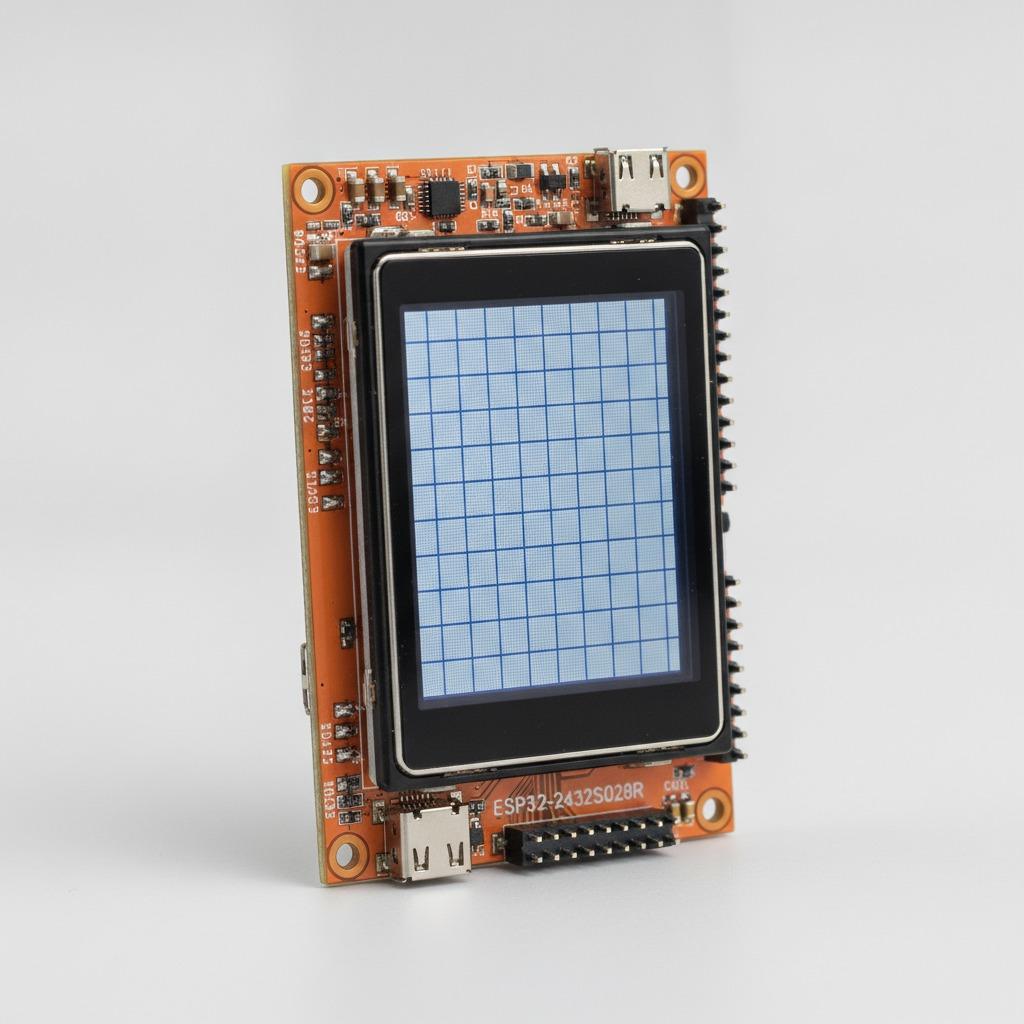
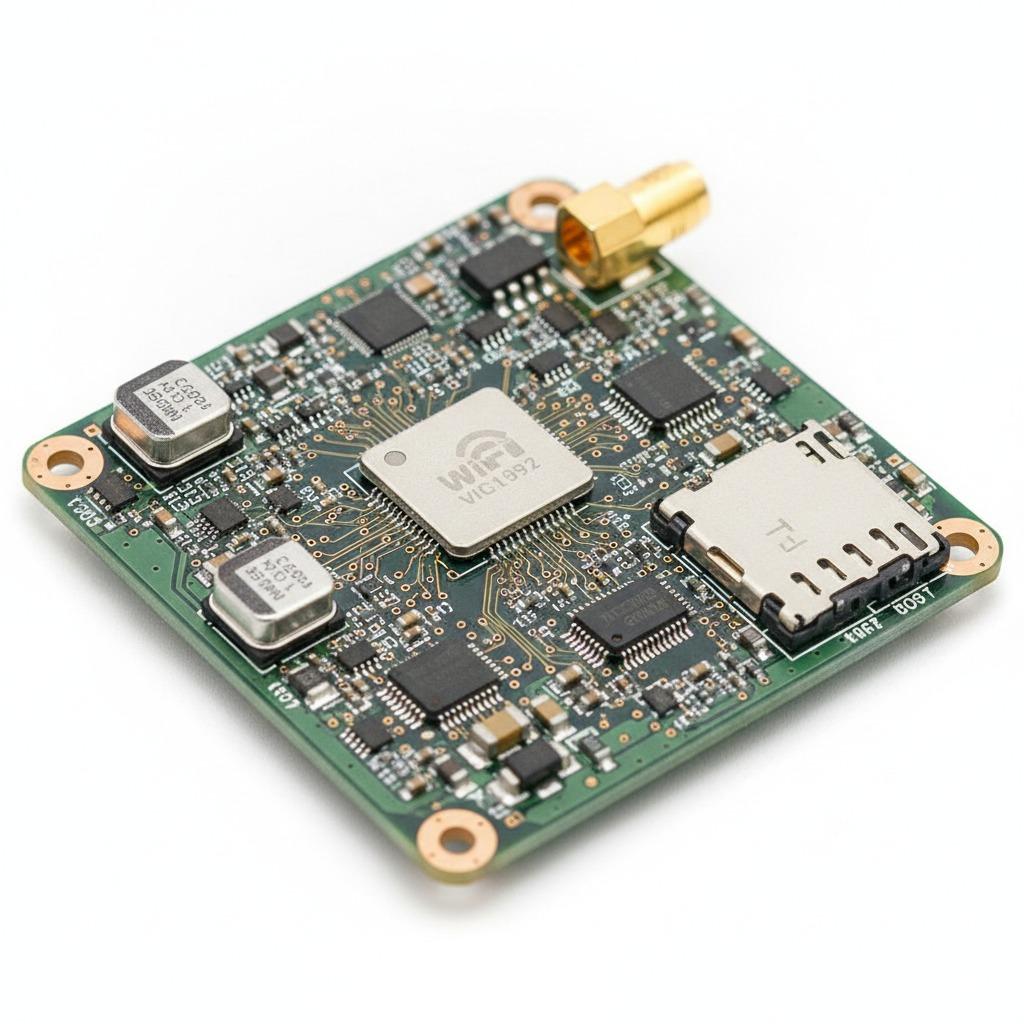
Surface Mount Technology (SMT) has revolutionized the way electronic circuits are designed and manufactured, forming the backbone of nearly every electronic device we use today, from smartphones to complex industrial controllers. At the heart of this technology is the SMT placement process, a highly automated procedure where electronic components are mounted directly onto the surface of a Printed Circuit Board (PCB). Unlike the older through-hole technology, which required components with leads to be inserted into holes drilled in the board, SMT allows for smaller components, increased density, and a more streamlined, cost-effective manufacturing workflow. This advancement is the primary reason for the ongoing miniaturization and increased functionality of modern electronics.
The Step-by-Step SMT Process
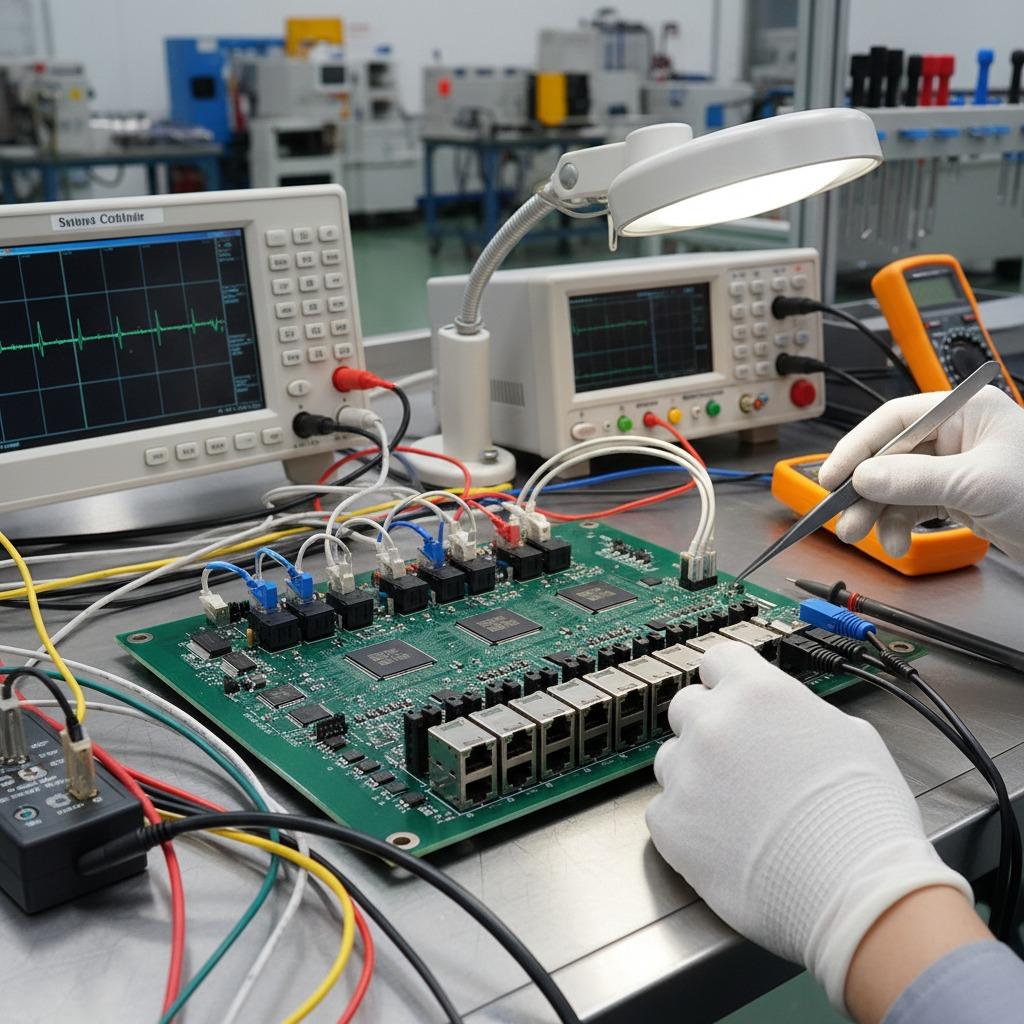
The journey of a bare PCB to a fully assembled board involves several critical stages. It begins with the application of solder paste. A stencil, which is a thin metal sheet with laser-cut openings, is placed over the PCB. A squeegee blade then moves across the stencil, depositing a precise amount of solder paste onto the specific copper pads where the components will sit. Following this, the board moves to the core stage: component placement. A sophisticated pick-and-place machine, using vacuum nozzles, picks up individual components from reels or trays and, guided by advanced vision systems, accurately places them onto their corresponding pads on the board. These machines operate at incredible speeds, placing tens of thousands of components per hour with microscopic precision. Once all components are placed, the board is conveyed through a reflow oven. The oven heats the board through carefully controlled temperature zones, melting the solder paste to form strong, permanent electrical and mechanical connections. Finally, the assembled board undergoes rigorous inspection, typically using Automated Optical Inspection (AOI) to check for placement errors, and sometimes X-ray inspection for components with hidden solder joints, like Ball Grid Arrays (BGAs).
The Technology Behind Precision Placement
The accuracy and efficiency of the SMT placement process are made possible by highly advanced machinery. The pick-and-place machine is the centerpiece of any SMT assembly line. These machines are engineered for speed and precision, capable of handling a vast range of component sizes, from large integrated circuits to tiny passive components smaller than a grain of sand. They utilize high-resolution cameras and sophisticated software to verify the component's orientation and align it perfectly with the pads on the PCB before placement. Feeders are another crucial element, reliably presenting a continuous supply of components to the pick-and-place machine. The entire process is a symphony of mechanical speed and digital intelligence, ensuring each component is placed correctly, which is vital for the final product's functionality and reliability.
Why SMT Dominates Electronics Manufacturing
The widespread adoption of surface mount assembly over through-hole technology is due to its significant advantages. The most obvious benefit is miniaturization. SMT components are much smaller and have no long leads, enabling engineers to design smaller, lighter, and more densely packed circuit boards. This higher component density means more features can be packed into a smaller device. Automation is another key driver; the SMT process is inherently suited for high levels of automation, which drastically reduces manual labor, minimizes human error, and increases production throughput, ultimately lowering manufacturing costs. From an electrical performance standpoint, the shorter connection paths offered by SMT reduce signal delays and parasitic inductance and capacitance, leading to better performance, especially in high-frequency applications. These combined benefits make SMT the undisputed standard for mass production in the electronics industry.
The Future of Circuit Assembly
The field of electronics assembly is constantly evolving, and the SMT placement process continues to advance alongside it. The trend towards further miniaturization persists, with components like the 01005 package pushing the boundaries of placement technology and inspection capabilities. We are also seeing the integration of SMT with Industry 4.0 concepts, leading to smarter factories where machines communicate with each other, predict maintenance needs, and optimize production flows in real-time. This digital transformation ensures that SMT will remain the foundational manufacturing process for the next generation of innovative electronic products, from wearable tech and the Internet of Things (IoT) devices to advanced automotive systems and beyond.