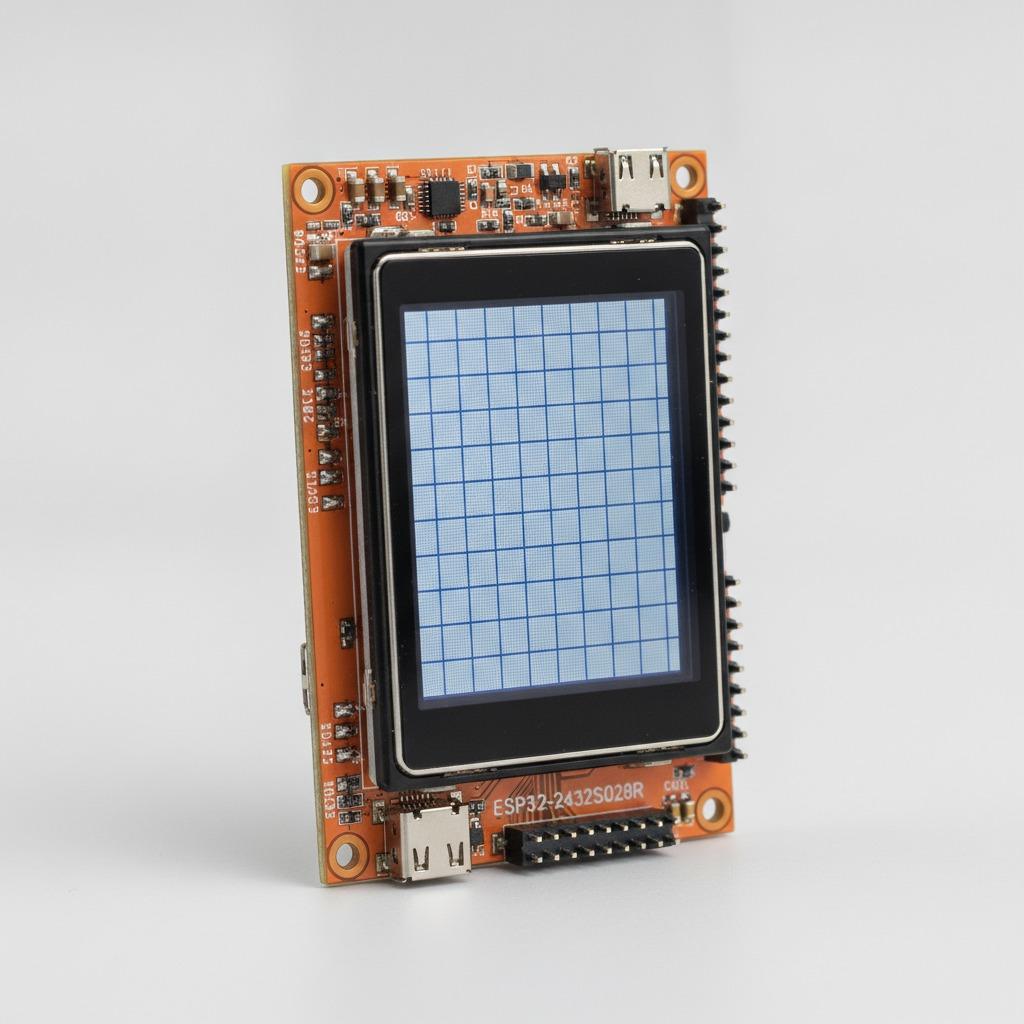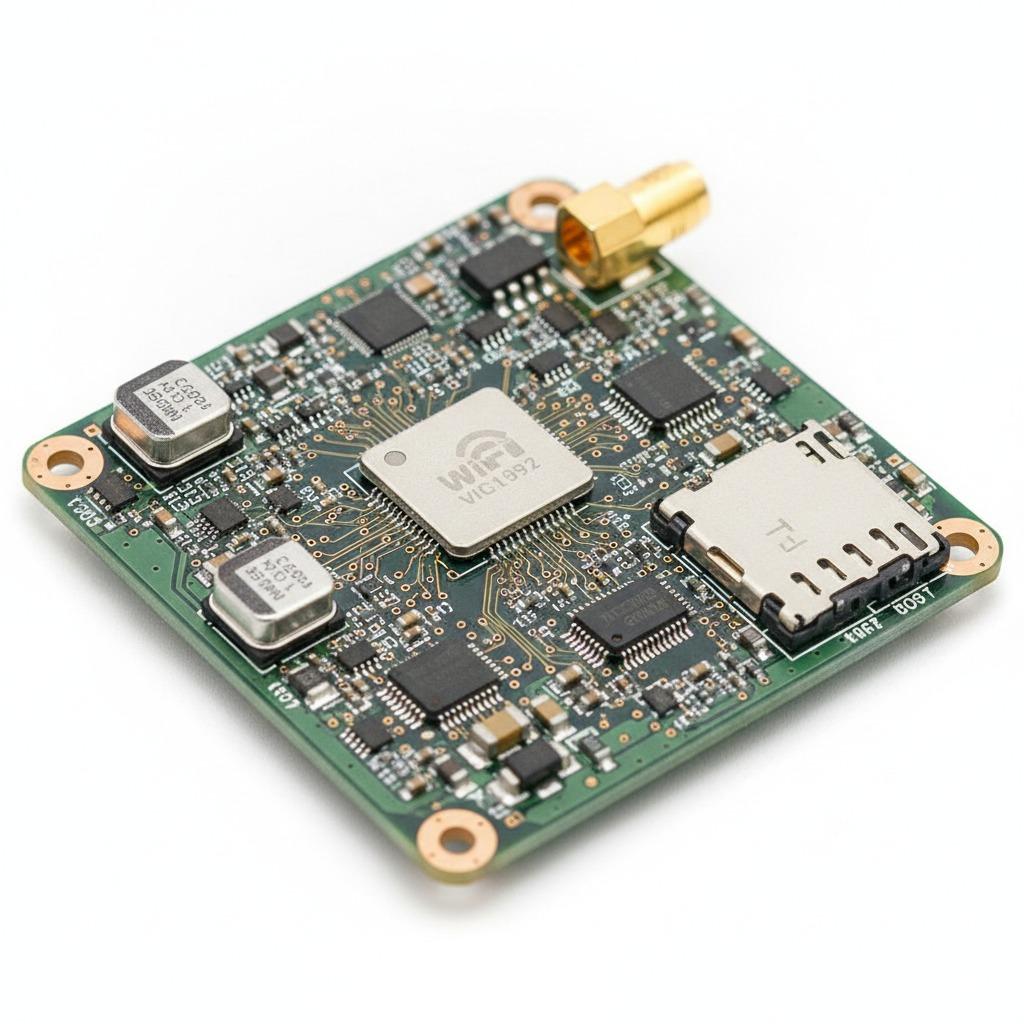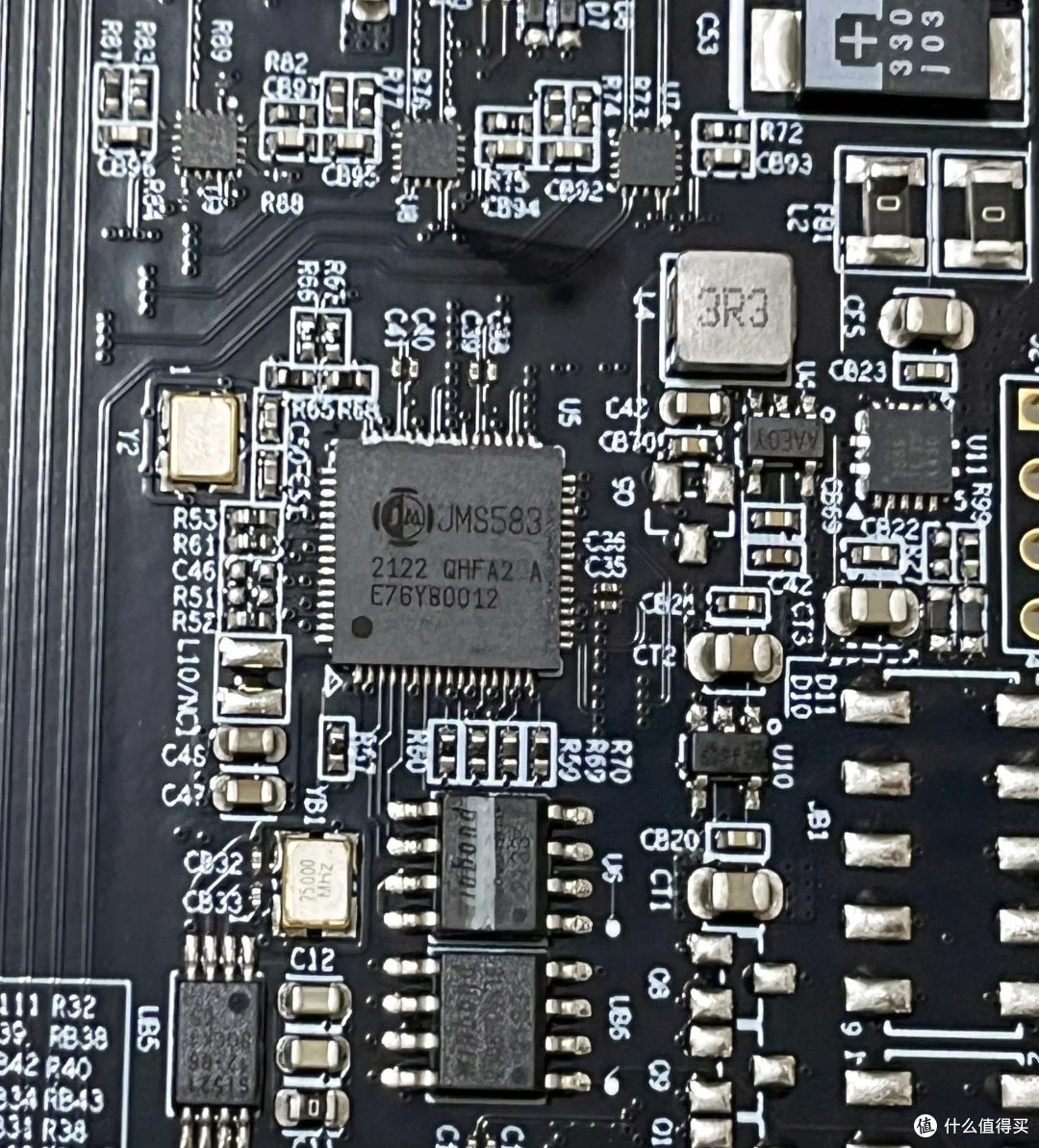
Smart surveillance systems operate under conditions that are very different from typical consumer electronics. Cameras often run continuously for months or even years, capturing and transmitting video streams without interruption. When hardware stability is compromised—even slightly—video lag, frame drops, or system resets may occur.
In many surveillance projects, these issues are not caused by software or networking. Instead, they originate at the hardware level, where board design, power distribution, and thermal management interact under long operating cycles.
A carefully engineered smart surveillance PCBA ensures that video sensors, processors, and storage components remain stable even during continuous operation. By optimizing signal routing, power integrity, and heat distribution, our engineering team helps surveillance devices maintain reliable performance across extended deployment periods.
Why Surveillance Hardware Requires Specialized PCBA Design
Surveillance electronics process a continuous stream of visual data. Unlike event-driven systems, where processing occurs only occasionally, surveillance devices remain active at all times. This means that both data throughput and thermal load remain constant for long periods.
High-resolution cameras generate large data volumes that must move quickly from sensors to processors and storage modules. If signal routing or power stability is not carefully managed, even minor electrical noise can disrupt the video stream.
A reliable smart surveillance PCBA therefore emphasizes stable signal pathways between camera modules and processors. Differential routing and impedance-controlled traces ensure that high-speed video data travels across the board without distortion or timing mismatch.
Systems designed with these considerations typically experience 15–20% improvement in signal stability, especially in high-definition video applications.
Material and Structural Design for Surveillance Electronics
Surveillance systems often operate in compact enclosures mounted on walls, ceilings, or outdoor fixtures. These environments restrict airflow and expose hardware to temperature variations.
PCB materials therefore play an important role in long-term reliability. Standard FR-4 laminates are widely used, but higher thermal stability materials are often selected when devices operate in hotter environments.
Copper thickness and layer configuration also influence board performance. Thicker copper layers allow efficient power distribution and help spread heat away from processors and imaging components.
In a well-designed smart surveillance PCBA, multi-layer stack-ups isolate sensitive signal layers from switching power circuits. Dedicated ground planes help stabilize signal references while also reducing electromagnetic interference.
This structural approach improves both electrical stability and long-term durability in surveillance deployments.
Managing Thermal Load in Always-On Systems
Continuous operation places significant thermal stress on surveillance electronics. Image sensors, processors, and networking components generate heat that accumulates within sealed housings.
Without effective thermal planning, heat concentration can gradually degrade component performance. Even moderate temperature increases can shorten semiconductor lifespan or cause processing instability.
Thermal management strategies in smart surveillance PCBA typically include balanced copper areas, thermal via networks, and strategic placement of heat-generating components.
In real deployments, boards designed with these strategies often achieve 10–25°C reduction in localized hotspot temperature, allowing devices to maintain stable operation even during extended recording periods.
Manufacturing Precision and System Reliability
Surveillance devices are produced in large quantities, and consistency between production batches becomes essential. Small manufacturing variations can affect signal impedance, thermal behavior, or power delivery.
Maintaining strict assembly control helps ensure each device performs identically once deployed.
Key Manufacturing Factors Affecting Surveillance PCBA
| Manufacturing Factor | Control Method | Typical Result |
|---|---|---|
| Signal routing precision | Length-matched differential traces | Reduced video transmission errors |
| PCB stack-up control | Consistent impedance layers | Improved signal stability |
| Copper thermal balance | Uniform heat distribution | Lower hotspot formation |
| Component placement | Precision alignment | Stable processor performance |
| Reflow process stability | Controlled temperature profile | Reduced batch variation |
Through these manufacturing controls, a production-ready smart surveillance PCBA maintains consistent performance across large-scale deployments.
Compliance and Environmental Reliability
Surveillance systems must also comply with regulatory requirements related to electromagnetic compatibility and electrical safety. Because cameras often transmit high-frequency digital signals, poor board design can lead to excessive electromagnetic emissions.
Grounding strategies, layer isolation, and signal shielding are integrated into the board design to reduce this risk. Designing these elements directly into the smart surveillance PCBA significantly improves the likelihood of passing compliance testing without redesign.
Frequently Asked Questions
Q1: Why do surveillance cameras sometimes experience frame drops?
Signal instability or power fluctuations at the PCBA level can interrupt continuous video processing.
Q2: Does PCB design influence camera lifespan?
Yes. Thermal distribution and electrical stability directly affect long-term component reliability.
Q3: Can manufacturing variation affect video performance?
Yes. Even small assembly differences can influence signal timing and thermal behavior.
Why Reliable Surveillance Systems Depend on PCBA Design
A stable smart surveillance PCBA ensures that image sensors, processors, and networking modules work together reliably under continuous operation. When signal integrity, thermal management, and manufacturing consistency are carefully controlled, surveillance systems can operate for extended periods without interruption.
If you want to evaluate how board-level architecture influences the stability and scalability of surveillance hardware, reviewing proven PCBA manufacturing capabilities is an effective starting point. You can learn more about our engineering and production experience here:
👉 https://www.hcdpcba.com
For projects involving AI surveillance cameras, security monitoring systems, or intelligent vision devices, early technical discussion often helps prevent design and production challenges. Our engineering team is available to assist here:
👉 https://www.hcdpcba.com/en/contact-us