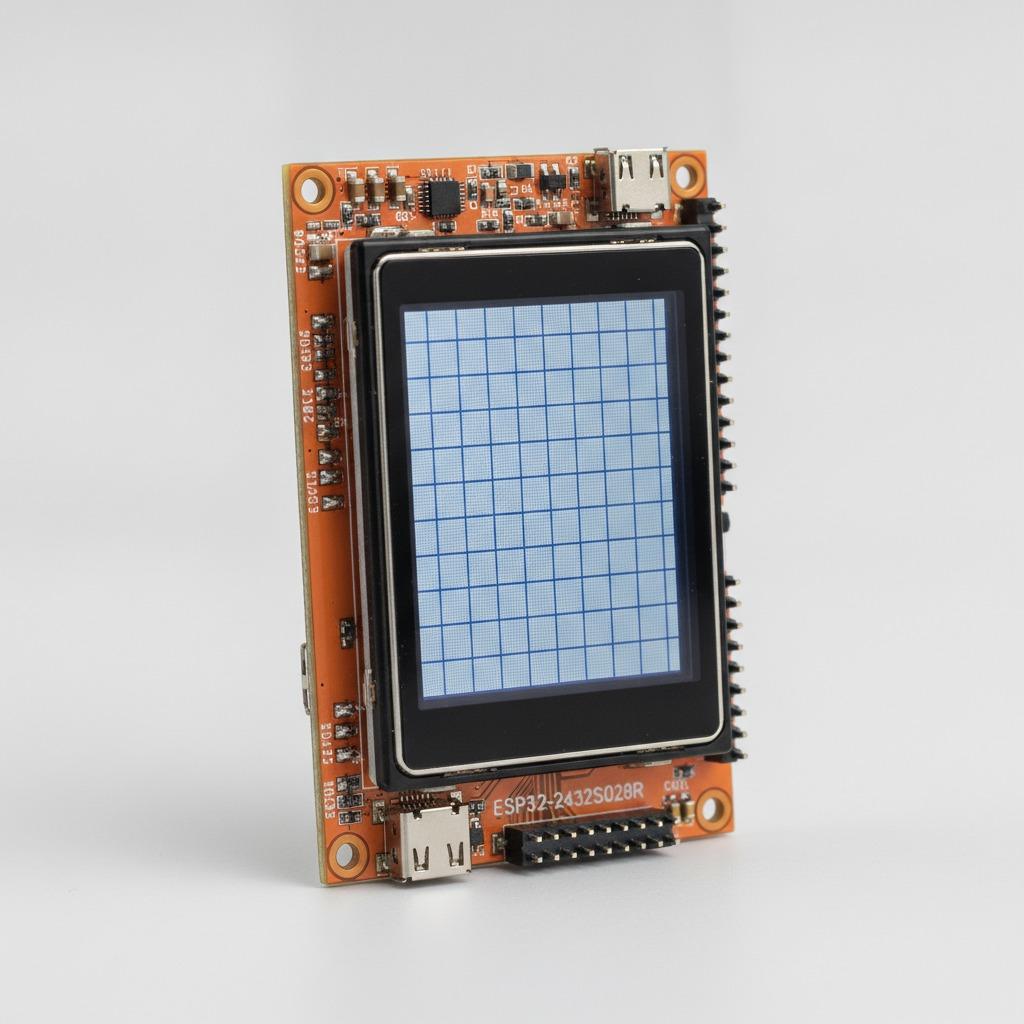
Why a Smart Air Purifier Board matters before you commit to a design
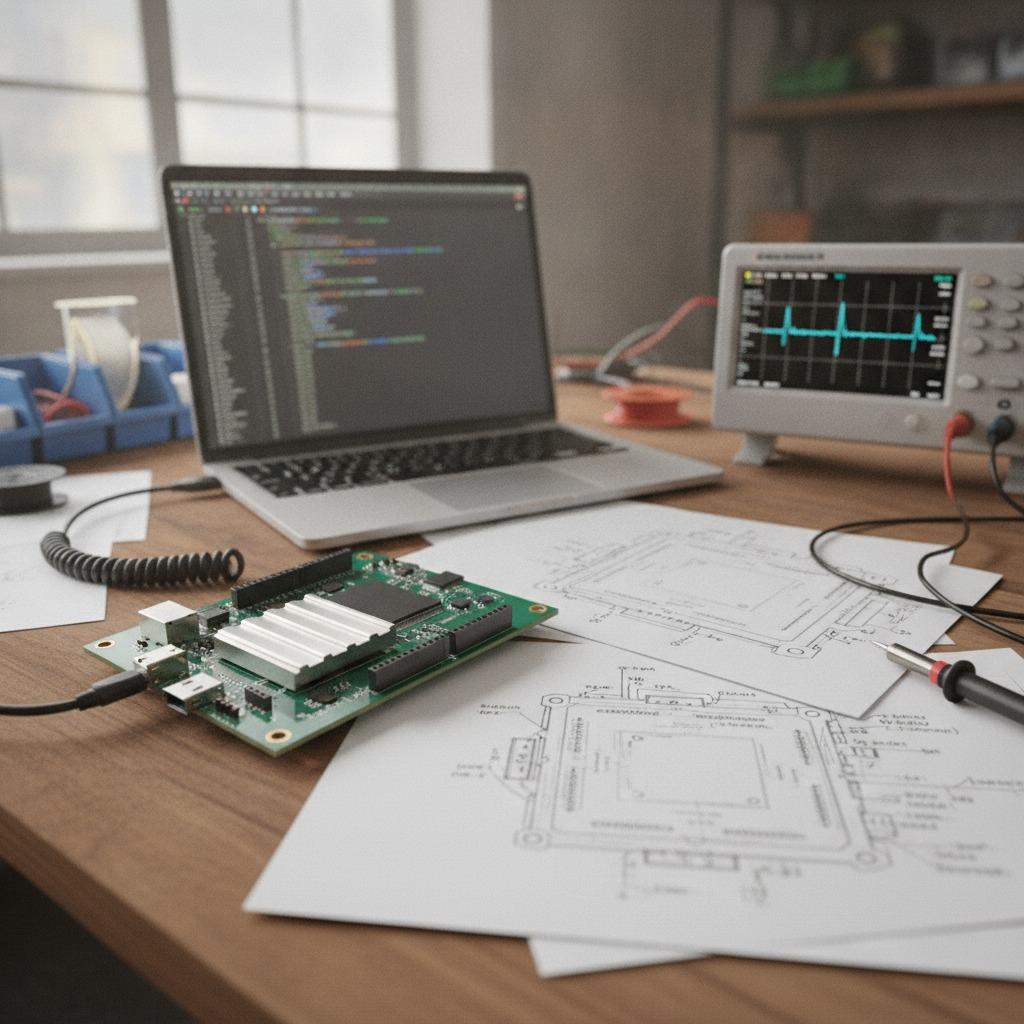
A Smart Air Purifier Board is not just the control center inside a cleaner-looking appliance. It is the piece that decides whether an air purifier feels responsive, quiet, and trustworthy in daily use. For sourcing managers, the board often sits at the intersection of cost, function, and field reliability. For engineers, it is where sensors, fan control, display logic, and connectivity either work together smoothly or create endless debugging.
That matters because modern buyers expect more than a fan with a filter. They expect automatic speed changes, air quality feedback, app control, and a machine that reacts sensibly when a room changes from fresh to smoky to stuffy. If the control board is weak, the whole product feels cheap, even when the shell and filter media are decent.
What this board typically does inside the appliance
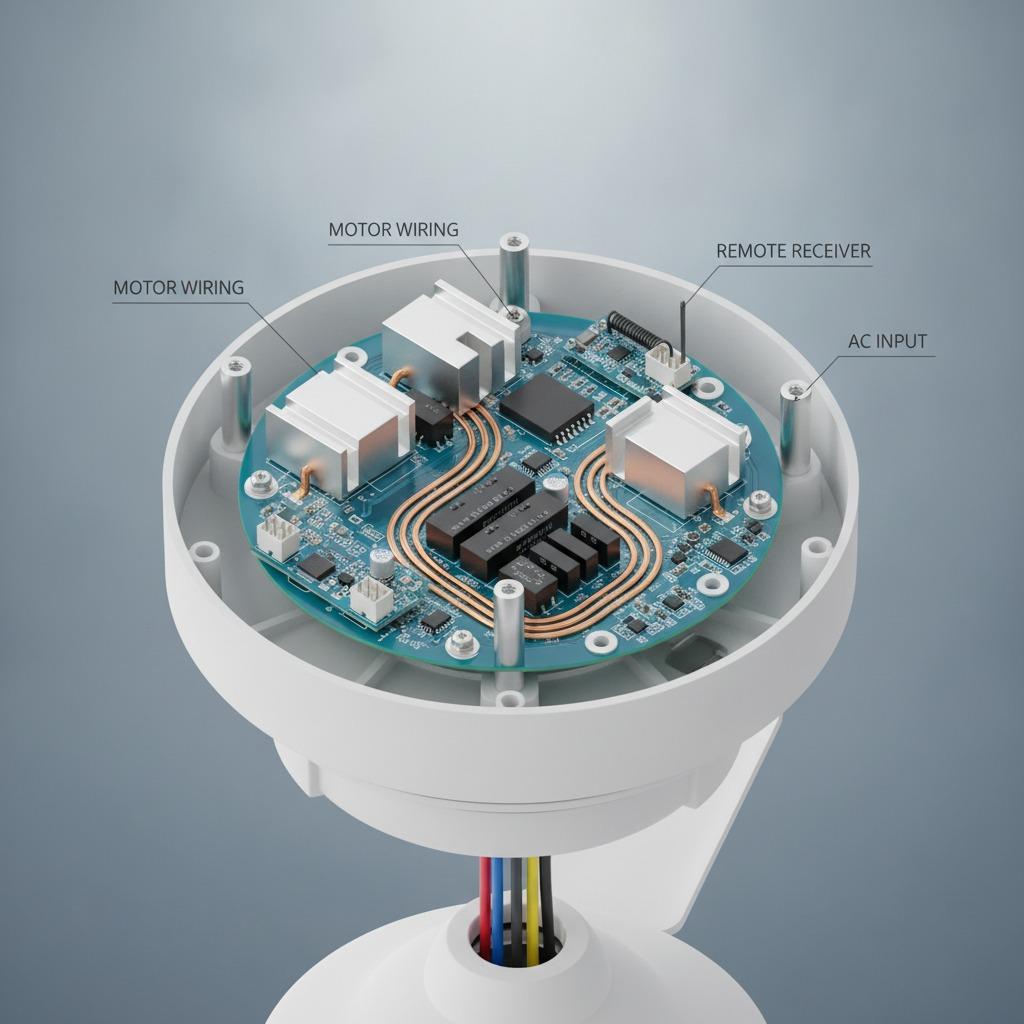
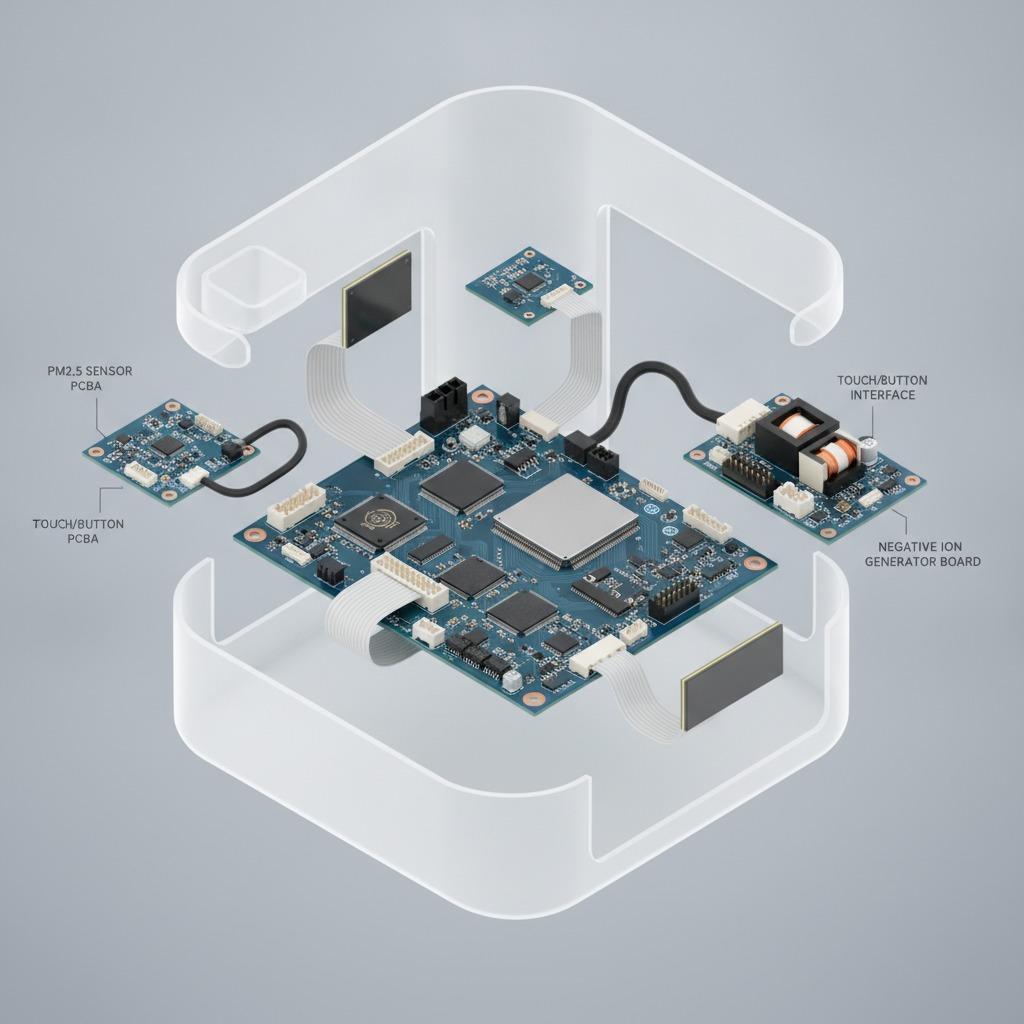
In practical terms, the control board manages the purifier’s decision-making. It reads air quality input, drives the fan, handles touch or button commands, and may support wireless features. In many product lines, the board also coordinates a PM2.5 Sensor PCBA so the purifier can judge particulate levels in real time rather than running on a fixed schedule.
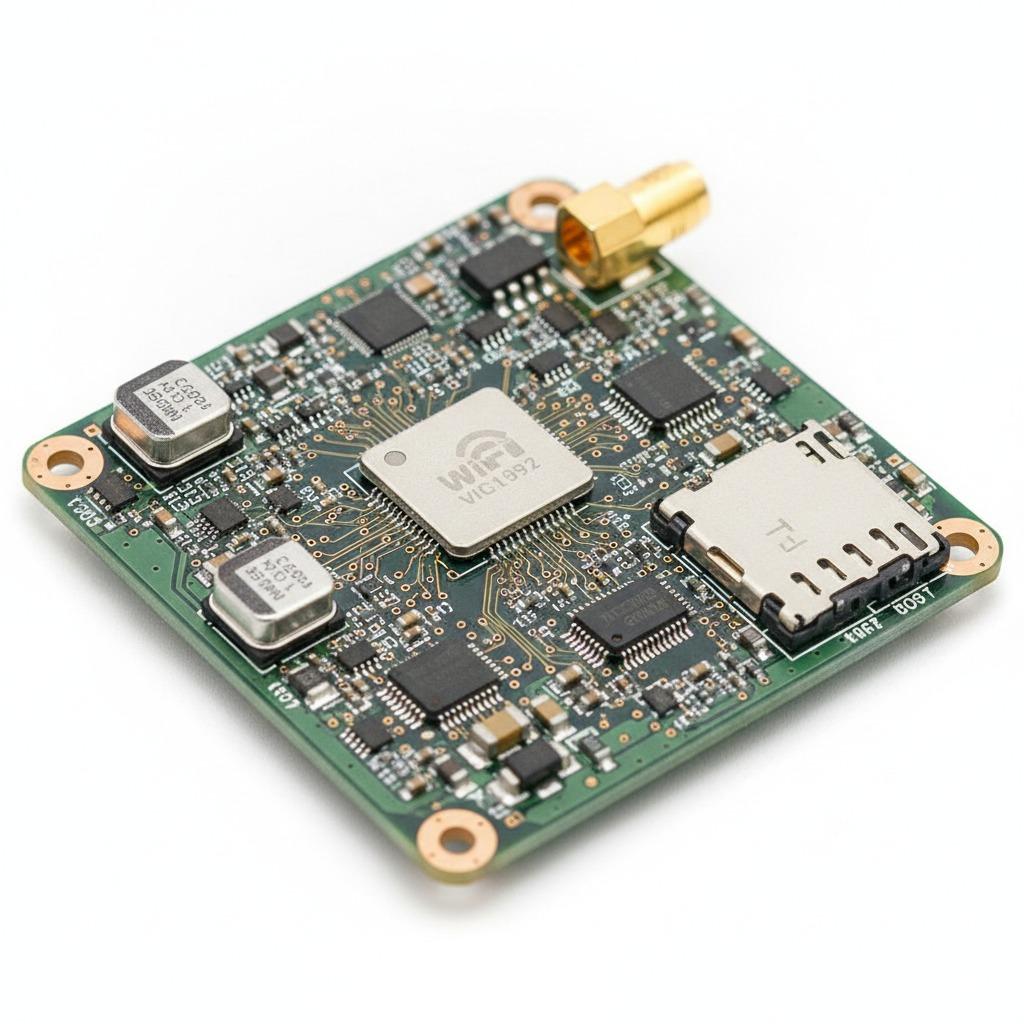
Some models add a WiFi Air Purifier Control Board function for app pairing, remote status checks, and firmware updates. Others integrate a Negative Ion Generator Board section, usually to support optional ion output. That kind of integration can save space, but it also asks more of the layout, power design, and electromagnetic discipline. A cramped board may look tidy on paper and still be a nuisance in production.
Quick comparison: what buyers usually need to decide
Basic control versus connected control
A basic board is often enough for on-device buttons, mode switching, and fan speed control. Connected designs add WiFi module support, indicator logic, and sometimes cloud-facing functions. The extra flexibility is useful, but it can complicate testing and increase the number of failure points.
Standalone sensing versus integrated sensing
Some purifiers use a separate PM2.5 sensor board, while others fold sensing into the main system. Integrated designs can reduce wiring and assembly time, but a separate sensing module may simplify service and calibration. There is no universal winner; the right choice depends on enclosure space, target price, and how much control the product team wants over firmware behavior.
Ion output as a feature or a burden
Negative ion generation can be a selling point in certain markets, yet it should never be treated as a decorative add-on. If the electrical design is loose, that feature can become a compliance and safety headache. Buyers should ask how the board separates high-voltage sections, how it is tested, and how the product behaves when that function is disabled.
Selection criteria that are easy to overlook
When evaluating a Smart Air Purifier Board, most teams focus first on the obvious items: sensor compatibility, WiFi stability, fan control range, and firmware support. Those are necessary, but the quieter issues often decide whether a product ships smoothly.
Pay attention to board stack-up, connector placement, and assembly friendliness. A design that looks elegant in CAD may still create awkward cable routing on the line. If the purifier needs tight internal packaging, ask early whether the board can be adapted to the mechanical envelope instead of forcing the housing to change later.
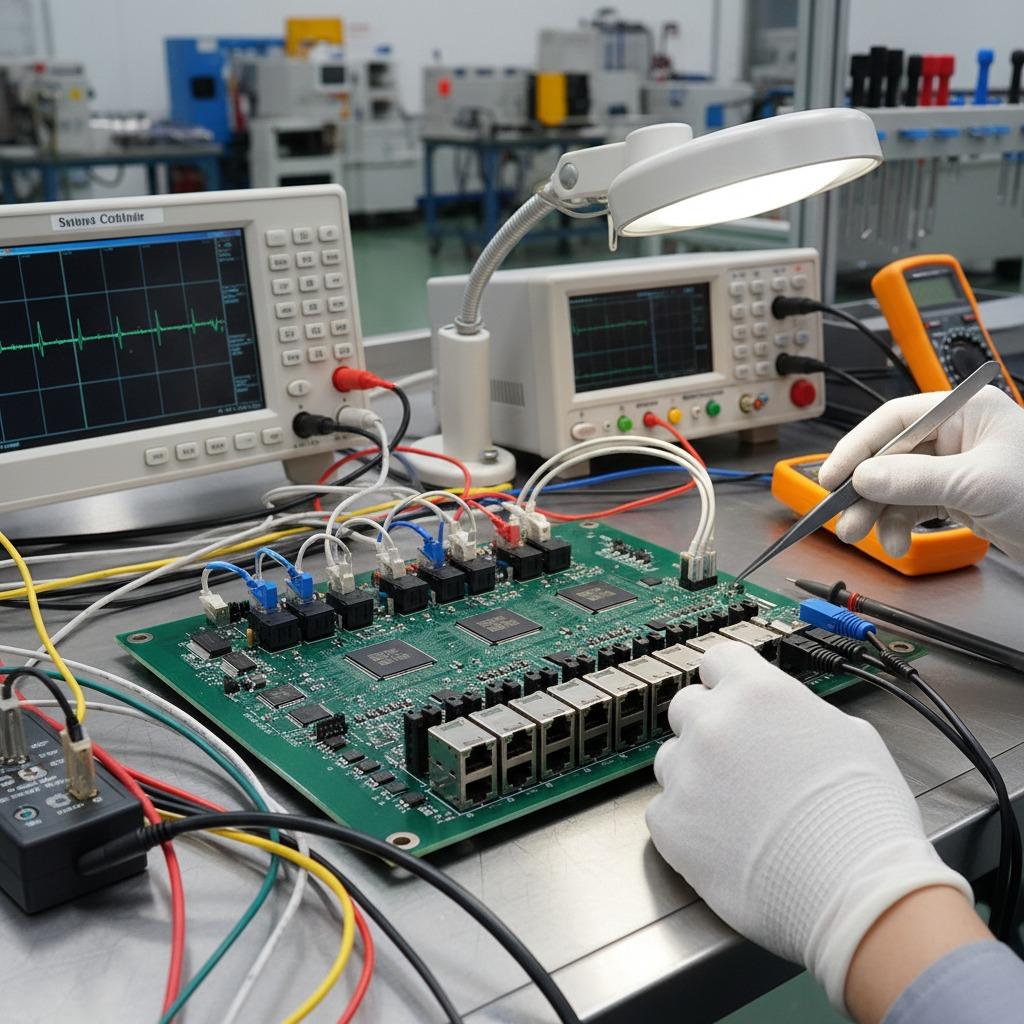
Testing strategy matters too. For products aimed at retail or appliance channels, a control board should be validated not only for function, but for repeatable startup, stable sensor reading, and graceful recovery after power interruption. That may sound obvious, but it is exactly where rushed projects slip.
Where manufacturing discipline shows up
This is the point where a capable PCBA partner becomes more than a supplier. HCDPCBA describes SMT assembly, PCB prototyping, component sourcing, assembly, testing, and DFMA support, which is relevant for purifier electronics because the board has to be built as consistently as it behaves in the field. Air purifier electronics are rarely glamorous. They live in dusty rooms, run for long periods, and are expected to keep working without drama.
For buyers, that means assembly quality, component traceability, and test coverage are not back-office details. They directly affect returns, warranty pressure, and brand perception. A board with unstable soldering or careless parts sourcing may still pass a basic power-on test and later fail in a customer’s living room, which is a much more expensive place to discover a problem.
Common mistakes in purifier board projects
One frequent mistake is treating the sensor as an accessory rather than part of the control logic. If the PM2.5 Sensor PCBA is not matched well with the algorithm, the purifier may react too slowly or chase noise. Another is overloading the UI. Too many modes, too many lights, and too many app states can confuse users faster than they help them.
A second common issue is underestimating EMC and layout sensitivity. WiFi, fan motors, and ion-related circuitry can coexist, but only with careful separation and grounding strategy. Teams that skip these details often end up burning time on field complaints that were technically avoidable.
Practical buyer advice before sourcing
Ask for a clear functional breakdown of the board early in the project. Confirm what is controlled on-board, what is external, and what can be customized for your housing, filter system, and user interface. If your product roadmap includes app control, check whether the WiFi Air Purifier Control Board architecture can support future firmware changes without a redesign.
If you plan to add ion output, treat the Negative Ion Generator Board portion as a design topic, not a marketing checkbox. And if you are building for multiple markets, make sure the board concept can adapt to different user expectations without creating three separate platforms.
FAQ
Is a connected purifier always better?
Not always. Connectivity adds convenience, but it also adds complexity. Some channels value reliability and simple operation more than app control.
Can one board handle sensing, fan control, and WiFi?
Yes, in many designs it can. The real question is whether the layout, power budget, and test plan support that integration without weakening stability.
What should sourcing teams request first?
Start with the functional spec, board architecture, and test approach. Those three items reveal more than a polished drawing ever will.
Next step for product teams
If you are developing or updating an air purifier platform, the board choice should come before cosmetic polishing. A Smart Air Purifier Board determines how the product senses air, how it responds, and how much trouble the factory will inherit later. For teams that need PCB prototyping, SMT assembly, component sourcing, testing, or OEM and ODM support, HCDPCBA offers a manufacturing path that fits a custom electronics project rather than a generic appliance part.
For a purifier design that has to feel smart in the hand and dependable over time, that is where the real work begins.