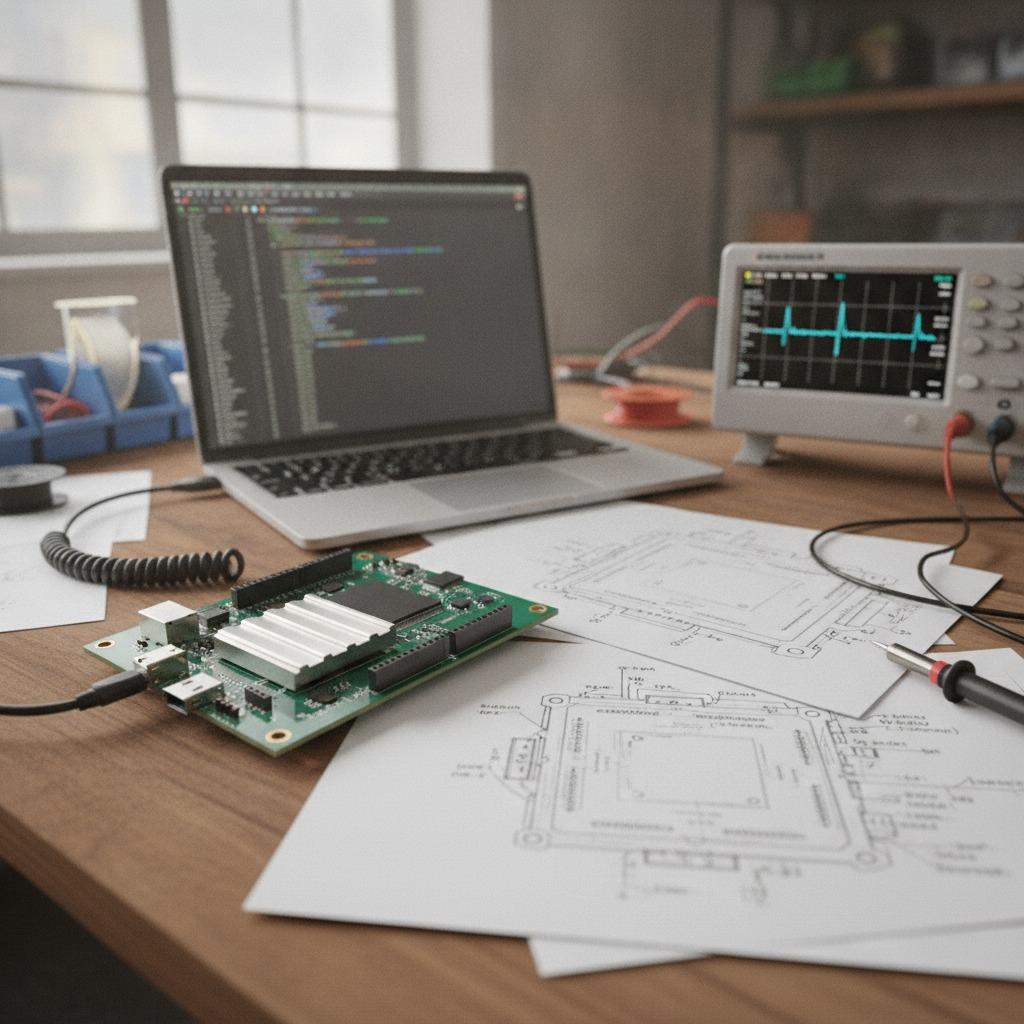
PCBA Manufacturing Service for Controlled Production and Scalable Output
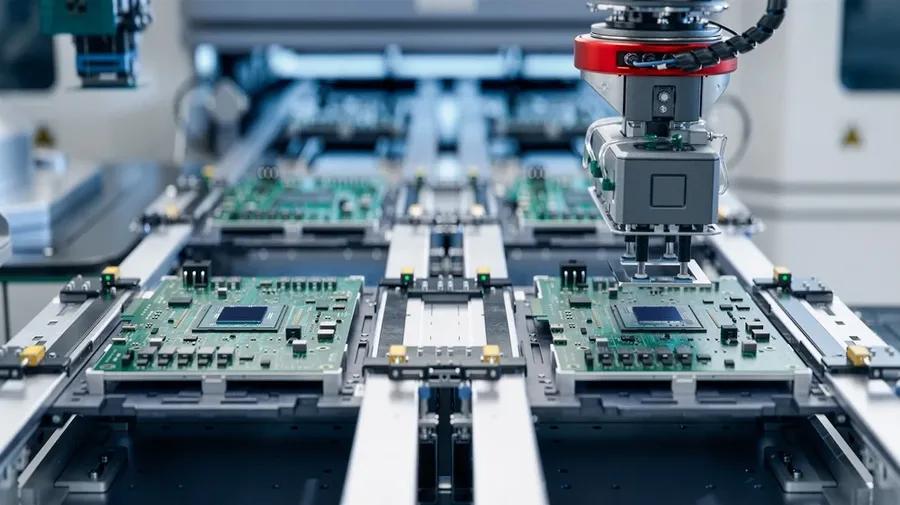
Many hardware projects do not fail at the design stage—they fail during production transition.
Boards that work perfectly in prototype runs begin to show yield instability, component inconsistencies, or unexpected delays when moving into small-batch or volume manufacturing.
Typical issues include:
- Increasing defect rates after initial pilot runs
- Component substitutions that affect performance
- Process variation between batches
- Lack of traceability when issues occur
A structured PCBA manufacturing service is designed to prevent these problems before they scale. By aligning engineering validation, sourcing discipline, and production control early, our team ensures that prototypes transition smoothly into stable and repeatable manufacturing output.
Why Manufacturing Service Is More Than Assembly
Many companies treat PCBA manufacturing as a simple assembly process. In reality, manufacturing service defines how consistently a product can be produced over time.
A board that performs well once is not enough. The real challenge lies in producing thousands of identical units with stable electrical and mechanical behavior.
A reliable PCBA manufacturing service integrates:
- Process standardization across production lines
- Controlled material sourcing and validation
- Continuous monitoring of yield and defect trends
Projects that implement these practices typically reduce post-ramp production issues by 20–30%, especially when scaling from prototype to mass production.
Material Control and Supply Chain Stability
Component sourcing is one of the most overlooked risks in PCBA production. Sudden substitutions or inconsistent suppliers can introduce subtle electrical or thermal differences.
In structured manufacturing environments:
- Approved alternates are validated before production
- Component lifecycle is considered during BOM planning
- Procurement aligns with long-term production schedules
This approach ensures that material variation does not compromise performance.
In a disciplined PCBA manufacturing service, these strategies often lead to:
- 5–12% reduction in sourcing-related cost fluctuation
- Improved consistency across production batches
Process Control from Prototype to Volume Production
One of the most critical stages in PCBA projects is the transition from engineering builds to volume production. Many failures occur because processes used during prototyping are not properly standardized.
A well-managed PCBA manufacturing service ensures that:
- Assembly parameters validated during pilot runs are locked
- Production workflows are standardized across shifts
- Process changes are documented and controlled
In real-world production environments, this level of control can reduce defect recurrence by 30–50%, particularly in complex boards.
Manufacturing Yield and Defect Reduction
Yield stability is not achieved through inspection alone. It is the result of controlled processes and continuous optimization.
For example, improper stencil design or inconsistent solder paste can lead to recurring defects that increase rework and cost.
Key Factors Influencing PCBA Manufacturing Yield
| Factor | Control Method | Typical Result |
|---|---|---|
| Solder paste control | Optimized stencil design | 20–30% defect reduction |
| Component placement | Precision alignment | Improved assembly consistency |
| Reflow profile | Controlled temperature curves | Reduced solder defects |
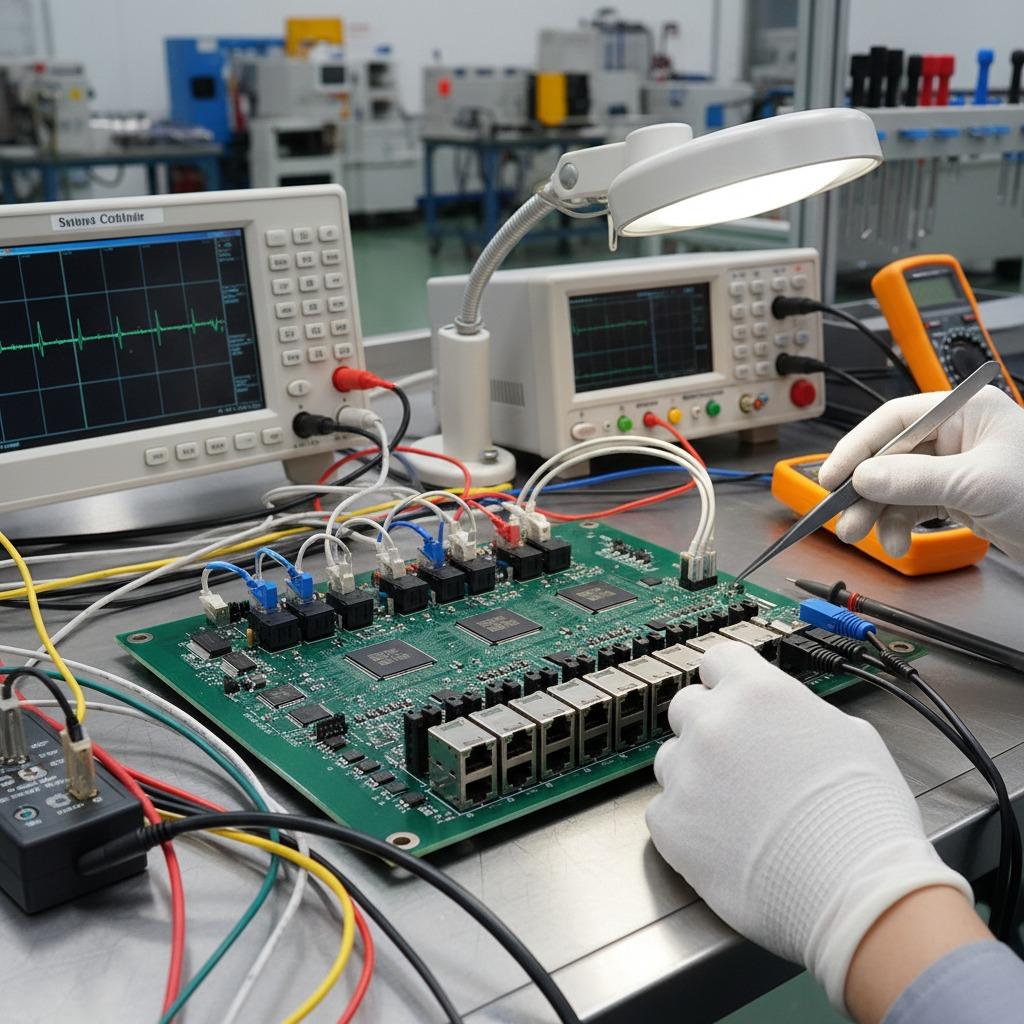
| Inspection strategy | Targeted AOI & testing | Early issue detection |
| Process monitoring | Data-driven feedback | Prevents defect recurrence |
Through these measures, a production-ready PCBA manufacturing service maintains high yield without excessive inspection overhead.
Scalability and Production Flexibility
Different products require different production strategies. Some projects demand high-mix, low-volume flexibility, while others require stable high-volume output.
A capable manufacturing service must support both without compromising quality.
This includes:
- Flexible line setup for multiple product variants
- Efficient changeover between batches
- Consistent process performance regardless of volume
Manufacturers that achieve this balance often see:
- 10–20% improvement in production efficiency
- Reduced downtime during product transitions
Traceability and Long-Term Production Control
Traceability is essential in modern PCBA manufacturing, especially for products with long lifecycles or high reliability requirements.
Tracking production data allows teams to identify patterns, isolate defects, and maintain consistent quality over time.
A structured PCBA manufacturing service includes:
- Batch-level tracking of components and processes
- Historical data analysis for defect trends
- Documentation of process changes
This approach reduces troubleshooting time and supports long-term product stability.
Compliance and Quality Assurance
PCBA manufacturing must meet regulatory and quality standards depending on application and market.
Typical requirements include:
- EMC and safety compliance (CE, FCC)
- RoHS and material compliance
- Quality system standards such as ISO processes
Integrating compliance into the manufacturing workflow reduces certification risk and avoids delays.
Frequently Asked Questions
Q1: Why do defects increase during volume production?
Because processes are not properly standardized after prototyping.
Q2: Can manufacturing service reduce overall project cost?
Yes. Stable processes reduce rework, scrap, and delays.
Q3: Is traceability necessary for all projects?
It is especially important for long-term or high-reliability products.
Why Manufacturing Structure Defines Product Success
A well-structured PCBA manufacturing service ensures that engineering design, material sourcing, and production processes are aligned. When these elements work together, products can scale reliably without introducing hidden risks or instability.
If you want to evaluate how manufacturing capability impacts your product’s scalability and reliability, reviewing real production processes and controls is a practical first step. You can learn more about our PCBA manufacturing capabilities here:
👉 https://www.hcdpcba.com
For projects moving from prototype to production, early discussion often helps identify potential risks and improve long-term outcomes. You are welcome to contact our team here:
👉 https://www.hcdpcba.com/en/contact-us