Small-Batch PCBA Solutions Designed for Fast Product Iteration
In electronics manufacturing, not every project demands millions of units.
Startups, industrial developers, and R&D teams often need something far more complex—short runs, multiple designs, frequent updates, and zero room for error.
That’s where a low-volume high-mix PCBA manufacturer proves its true value.
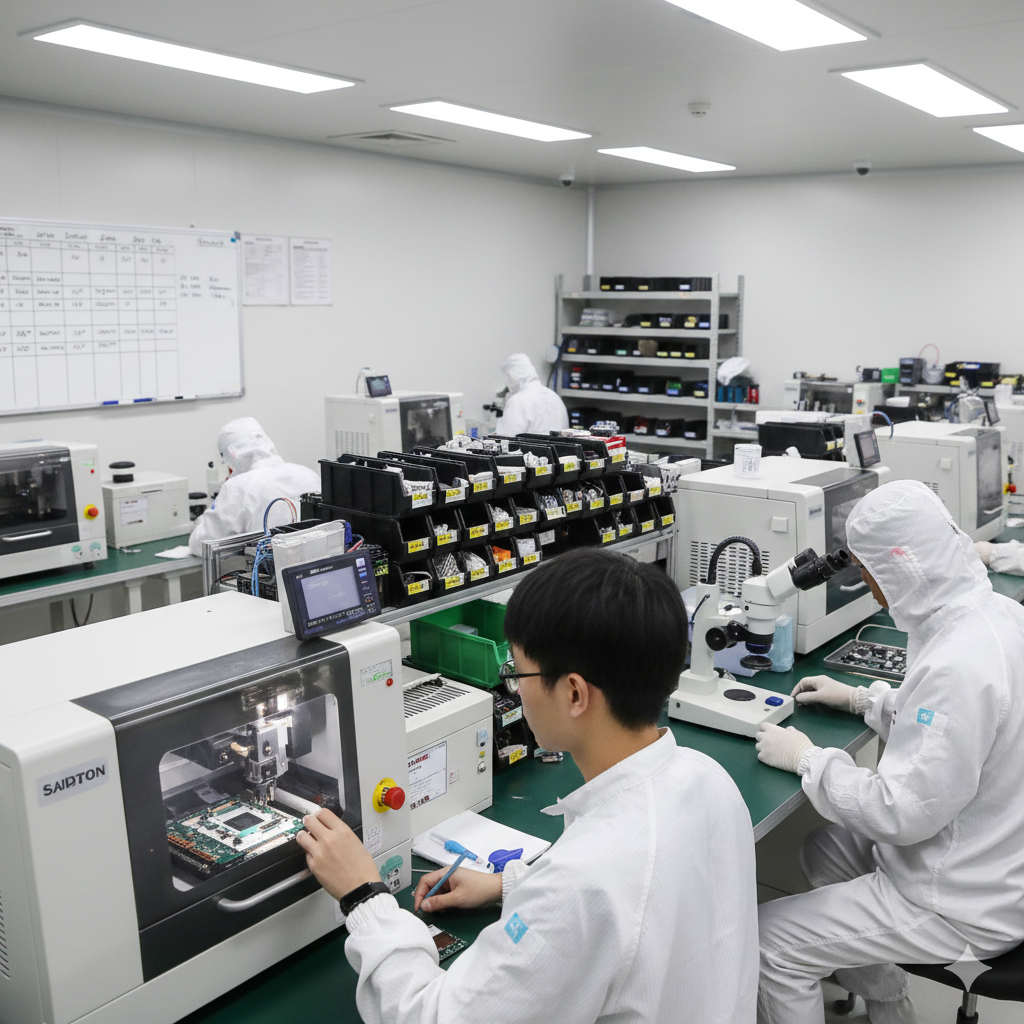
Unlike mass producers, these factories prioritize flexibility, engineering control, and real-time responsiveness—building stability into ever-changing product cycles.
The Challenge of Low-Volume, High-Mix Production
In high-mix environments, no two production batches are identical.
Boards vary in size, BOM complexity, and assembly methods—from BGA-heavy sensor modules to mixed through-hole and SMT boards.
The challenge isn’t capacity—it’s adaptability.
| Production Variable | Impact on Process Control |
|---|---|
| Frequent Setup Changes | Increases need for rapid feeder reconfiguration and program switching. |
| Diverse BOM Structures | Requires real-time inventory tracking and material traceability. |
| Unstable Demand | Demands flexible scheduling and cross-trained operators. |
| Multiple PCB Technologies | SMT, THT, flex, and rigid-flex all require different reflow and soldering profiles. |
| Engineering Updates (ECN) | Must be managed mid-production without compromising documentation accuracy. |
A professional flexible manufacturing system is what keeps this diversity efficient rather than chaotic.
Prototype and NPI: The Engineering-Driven Stage
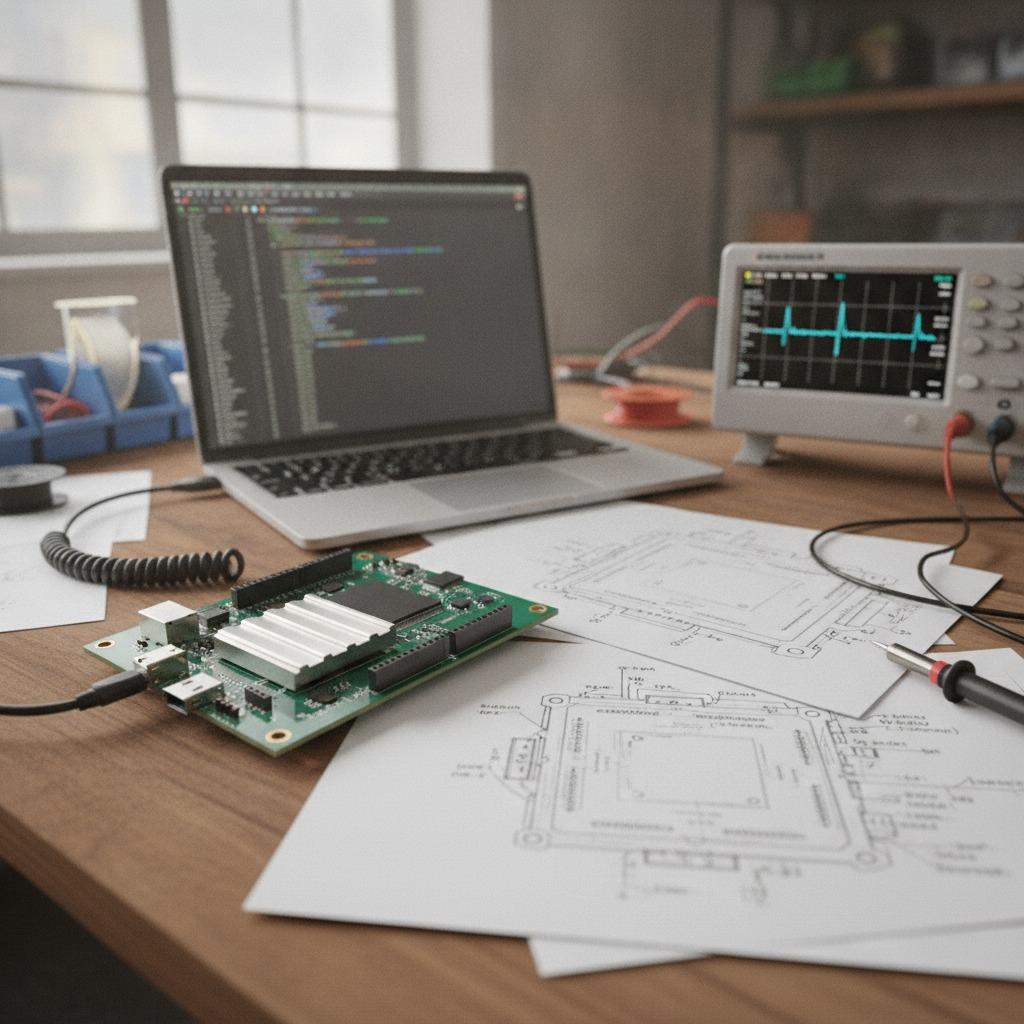
When producing prototype PCB assembly or NPI PCBA service (New Product Introduction), the priority shifts from quantity to feedback speed.
Each prototype cycle is a data experiment—testing layout manufacturability, component fit, and thermal behavior.
Leading manufacturers use:
-
Dedicated NPI Lines for quick setup and validation.
-
Digital Twin Models to simulate assembly before production.
-
On-site Engineering Teams for rapid design adjustments.
-
Transparent Feedback Loops between designers and process engineers.
This engineering collaboration shortens validation time while ensuring repeatability when the design moves to mass production.
Process Control in Small Batch PCB Production
Even when volumes are small, precision cannot be compromised.
A capable low-volume high-mix PCBA manufacturer ensures every batch follows the same traceability and quality framework as large-scale production.
| Process Area | Control Method | Purpose |
|---|---|---|
| SMT Setup | Automated feeder mapping and changeover documentation | Prevents misplacement in frequent line switches |
| Reflow Soldering | Batch-specific temperature profiling | Maintains solder joint reliability across designs |
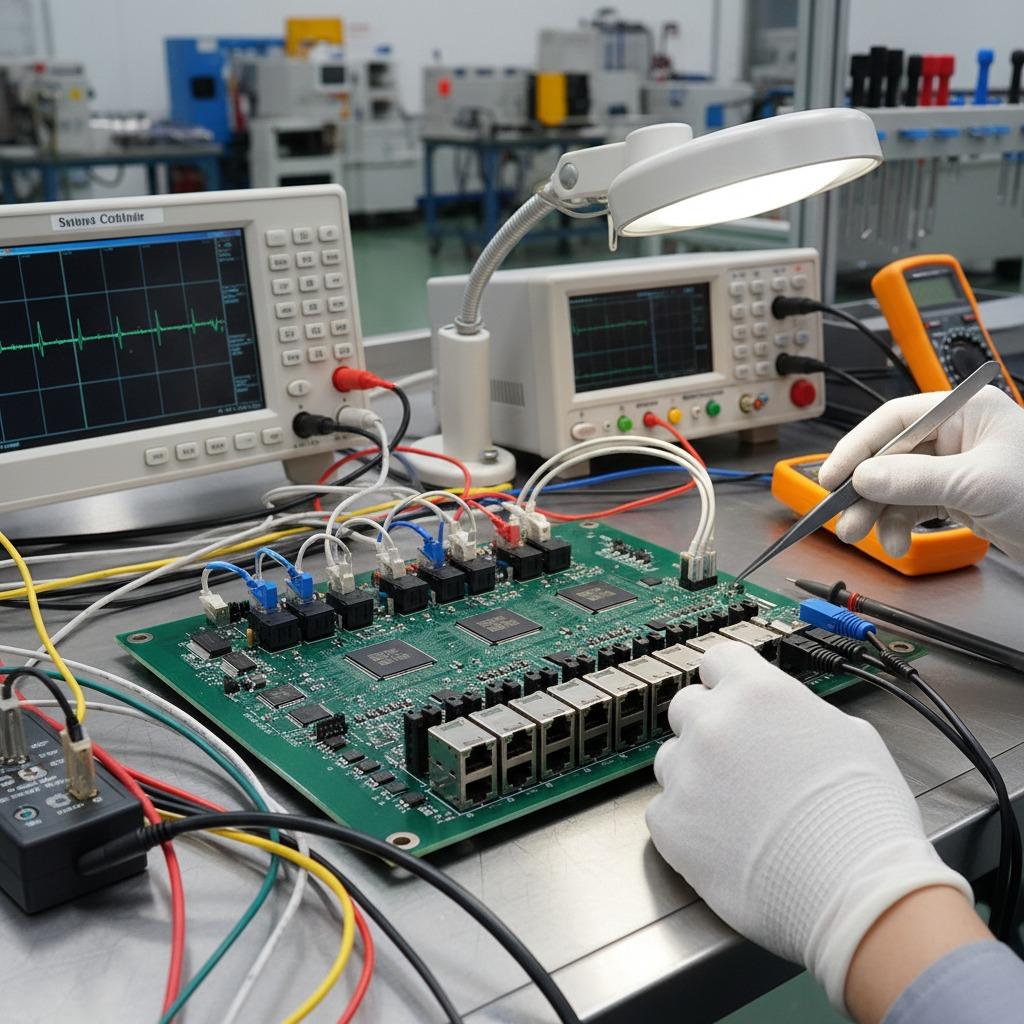
| AOI + ICT Testing | 100% visual and electrical verification | Detects variation early for small-batch correction |
| Material Lot Tracking | Barcode-based data logging | Enables full traceability for customer audits |
| Documentation | Dynamic traveler sheet with ECN logs | Synchronizes engineering changes with operators |
Here, precision depends more on procedure than volume.
Engineering Change Management: Agility Without Risk
Design revisions are inevitable in small-run manufacturing.
Whether it’s a component substitution or a circuit optimization, how these changes are handled determines your project’s risk exposure.
An experienced custom electronics assembly partner maintains structured engineering change management protocols that:
-
Validate all revisions with design and QA sign-off.
-
Update digital work instructions immediately across the line.
-
Preserve traceability between revisions for post-build reference.
-
Minimize downtime through modular tooling and flexible fixtures.
In a fast-paced prototype environment, the difference between chaos and control is documentation discipline.
Selecting the Right Partner for Complex, Small-Batch Builds
Not every PCBA factory can handle dynamic product variation efficiently.
Before partnering, evaluate these practical criteria:
-
Dedicated NPI / Small-Batch Lines: Separation from high-volume production prevents schedule conflict.
-
Cross-Disciplinary Engineering Team: Electrical, mechanical, and process experts collaborate under one roof.
-
Quick-Turn Capabilities: 3–5 day prototyping support with integrated DFM review.
-
Real-Time MES (Manufacturing Execution System): Tracks work orders and ECN implementation.
-
Flexible Material Sourcing: Supports both customer-supplied and vendor-managed BOMs.
If a supplier treats small-batch work as “less important,” they’re not truly built for it.
Precision in Every Prototype
A low-volume high-mix PCBA manufacturer doesn’t just fill production gaps—it powers innovation cycles.
Every batch, every engineering revision, every test run is a bridge between concept and commercialization.
If you need a partner who values engineering accuracy over quantity, explore our advanced PCBA capabilities at our homepage.
For direct technical discussion or prototype support, contact our engineering team via the contact page.
Your next design deserves precision at every iteration.