Why intelligent temperature control matters in heated products
When buyers look for an Intelligent temperature control PCBA, they are usually solving a very practical problem: how to keep a heating product warm, stable, and safe without overthinking it in the field. In a car heating blanket, an electric blanket, or another small heated appliance, the control board is the part that decides whether the product feels steady and reassuring or erratic and hard to trust. That gap matters more than many sourcing teams first expect.
A heating element alone can generate warmth, but warmth without control is a blunt instrument. Users notice hot spots, delayed response, uneven output, and that unpleasant “too hot, then too cold” cycle. Engineers notice something else as well: a weak control circuit can complicate certification work, increase returns, and make production debugging unnecessarily painful. The board is not just an accessory. It is the behavior of the product.
What this control board typically has to do
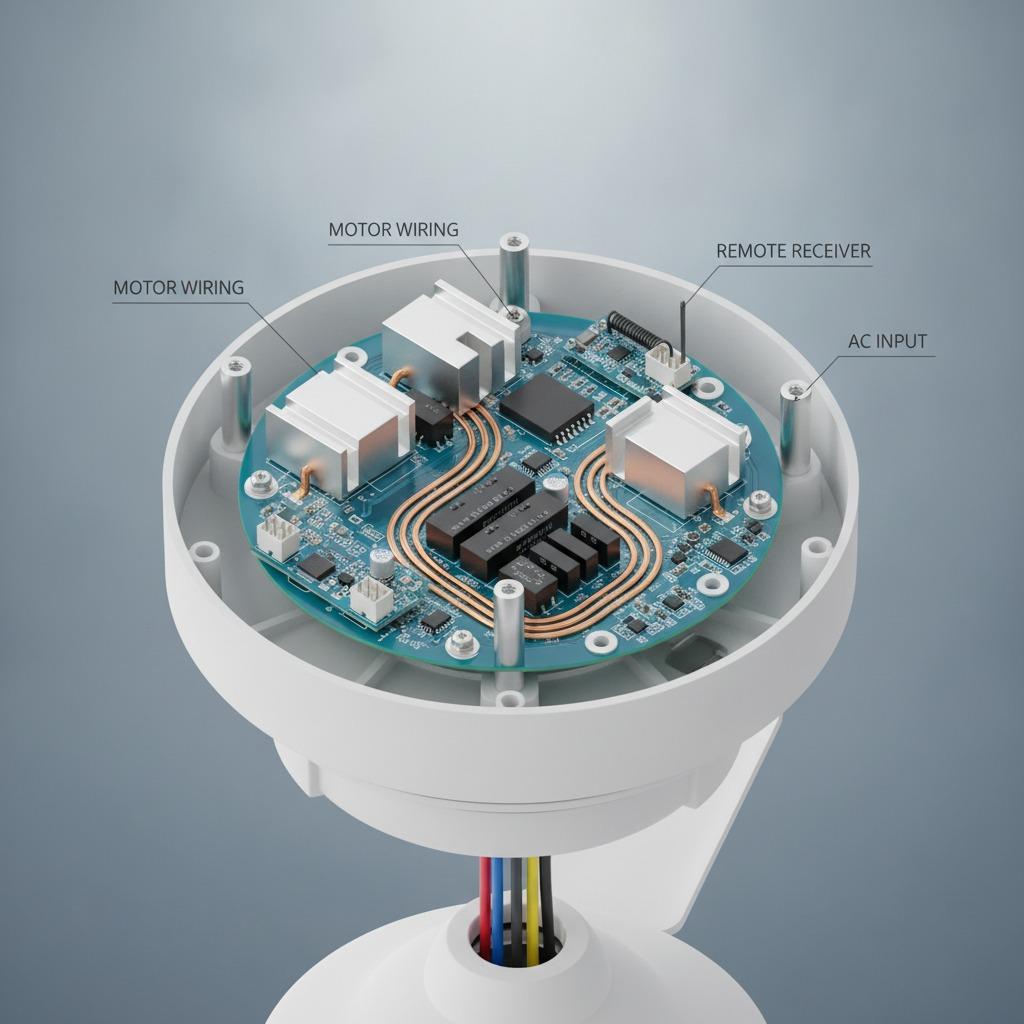
In simple terms, an intelligent heating controller monitors temperature, compares it with a target range, and adjusts power delivery so the product stays within that band. Depending on the design, it may also include timing functions, multiple heat levels, over-temperature protection, sensor input handling, and status indication. For a Finished control board for electric blanket, the user experience is often judged by how quickly the unit reacts and how calmly it holds temperature once it gets there.
That sounds straightforward, but the PCB assembly behind it is not trivial. Heating applications create their own stress: repeated thermal cycling, compact housings, wire connections that can loosen, and end users who press buttons more than the design team hoped. Good boards are built with that reality in mind. Cheap boards are built as if the product will live on a lab bench forever. It rarely does.
Why SMT quality changes the result
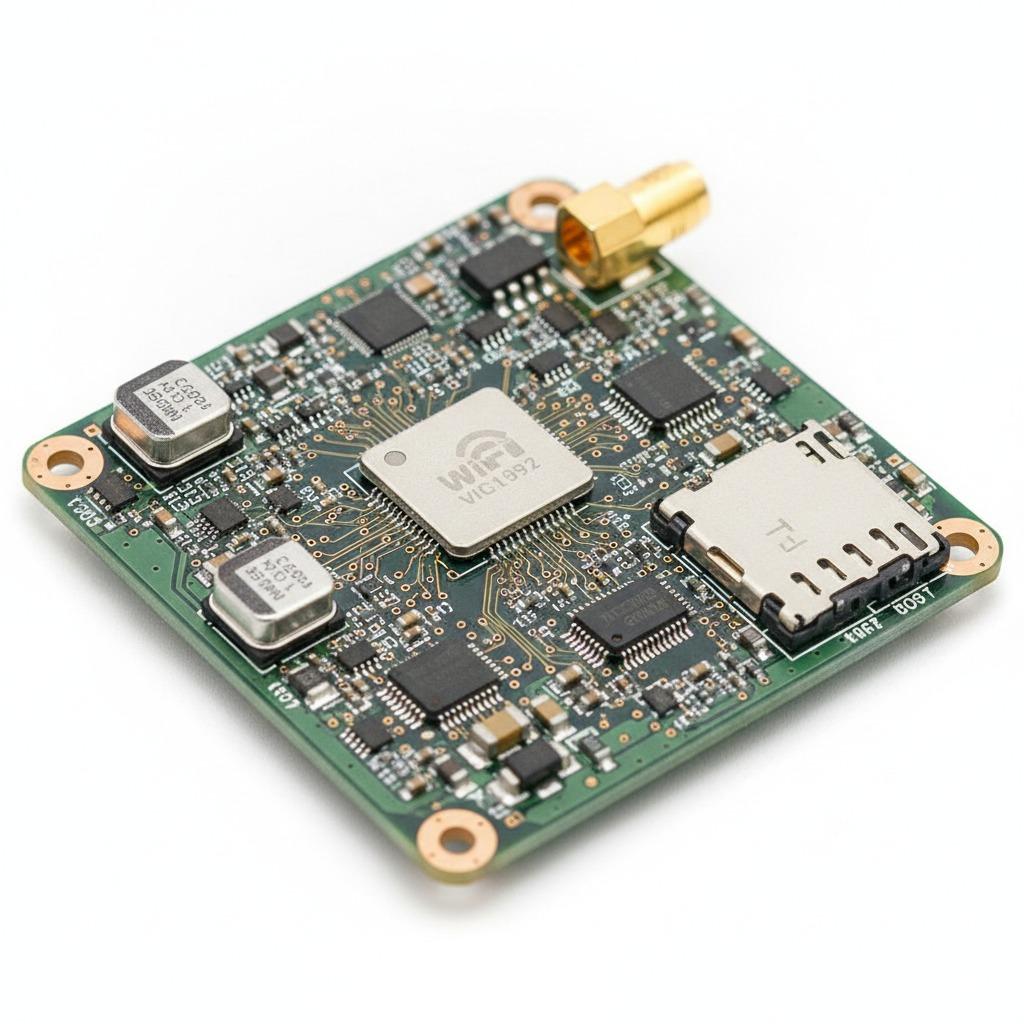
For this category, SMT processing circuit board quality is not an abstract manufacturing talking point. Solder paste control, component placement accuracy, reflow behavior, and inspection discipline all affect long-term reliability. If the board carries sensors, small ICs, resistors, capacitors, connectors, and indicator parts, the assembly process must be consistent enough that every unit behaves alike. In heating products, inconsistency shows up quickly in temperature drift or unstable operation.
Hcdpcba offers SMT贴片 services, PCB打样, component sourcing, assembly, testing, DFMA support, and OEM/ODM services. That mix is useful for buyers who need more than simple board placement. When the project is still being tuned, the ability to move from prototype to assembled board to testing under one roof can reduce back-and-forth. The company also supports small and large production runs, which matters if a buyer wants to validate a design before committing to volume.
Car heating blanket PCBA: the sourcing angle
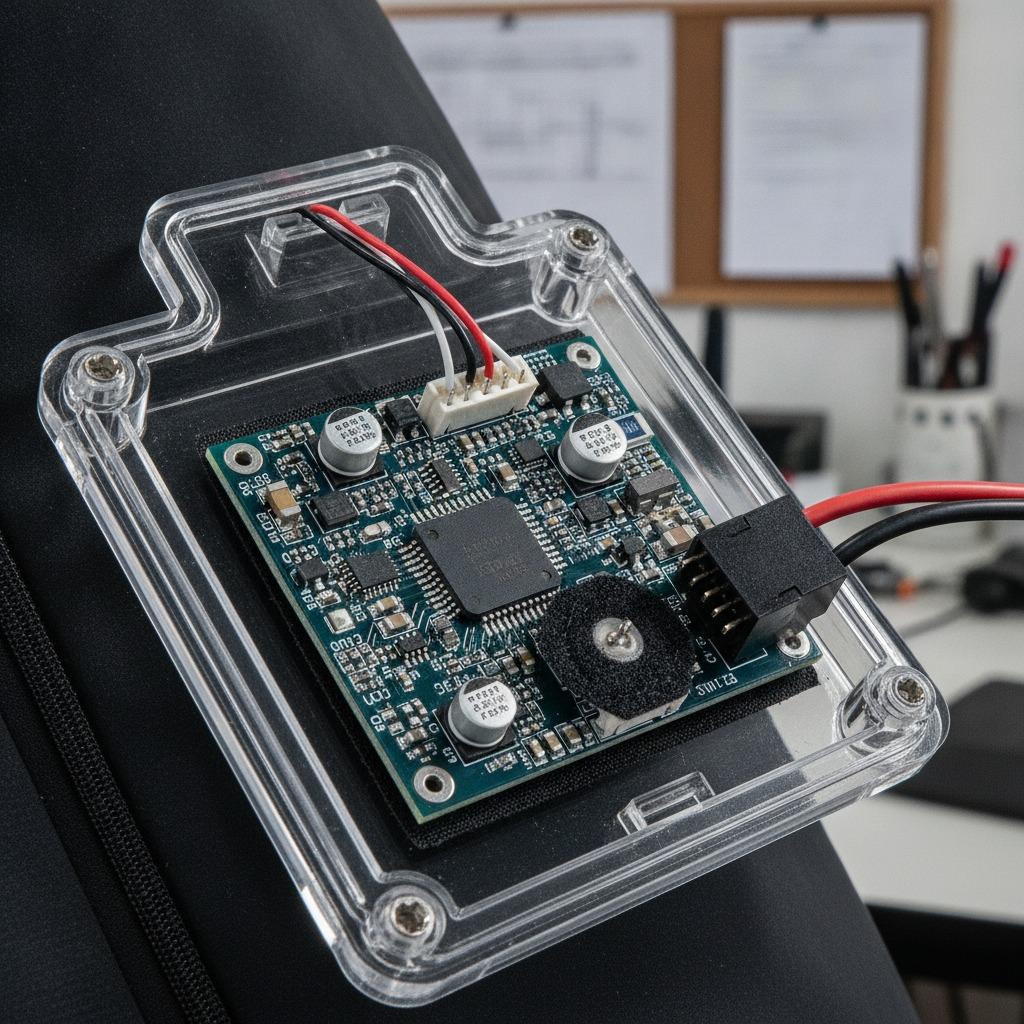
A Car heating blanket PCBA brings a few extra concerns. Automotive use is not the same as indoor consumer heating. The environment can involve vibration, fluctuating supply conditions, cramped routing, and user behavior that is anything but gentle. Buyers should look closely at connector robustness, wiring layout, sensor placement, and whether the board can be assembled into the final product without awkward cable strain. A heating blanket that works in a sample photo may still fail in real cabin use if the electronics and harnessing were not thought through together.
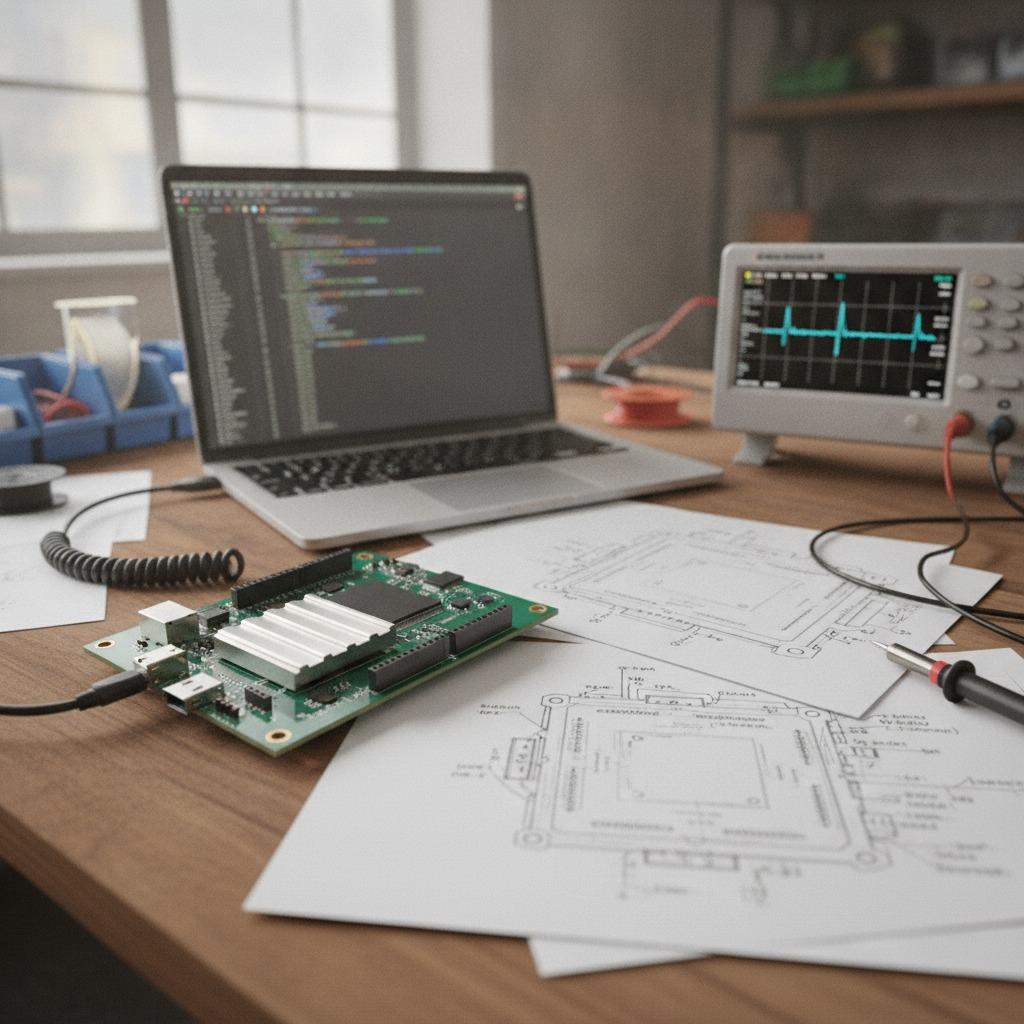
One practical caution: do not choose the control board only by function list. Two boards can both offer temperature control, but one may be easier to assemble, test, and enclose. That difference becomes visible during mass production. DFMA analysis is valuable here because it can expose awkward part placement, confusing assembly steps, or a test process that will slow your line.
How to evaluate a supplier for this kind of board
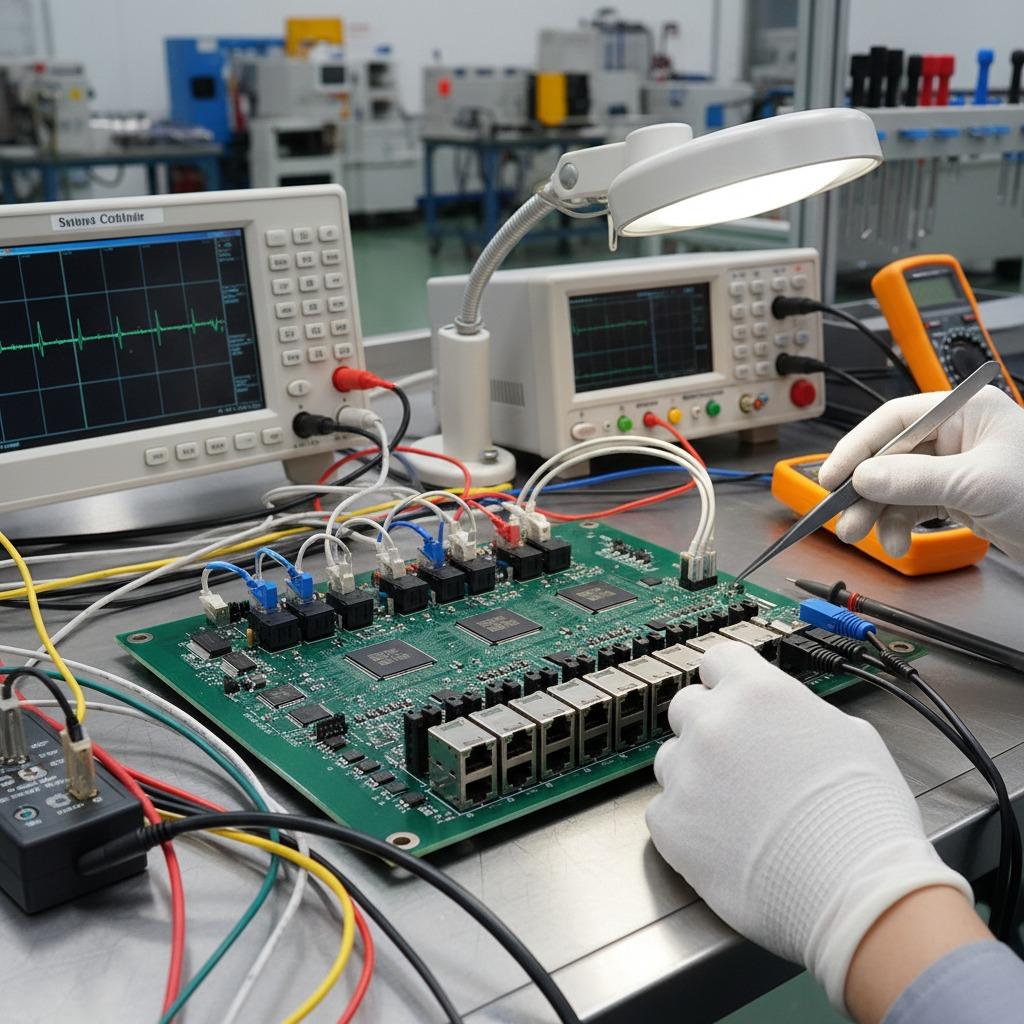
For sourcing managers and product teams, the selection process should be less about flashy specs and more about disciplined execution. Ask how the supplier handles component sourcing, what testing is performed before shipment, and whether they can support design changes without creating chaos on the line. For a temperature-controlled product, calibration logic and sensor response are just as important as the bare PCB layout.
Questions worth asking early
Can the supplier support prototype and production builds? Do they provide assembly and testing as a package? Can the team review manufacturability before the layout is frozen? These questions sound basic, but they often separate a smooth launch from a slow, expensive one.
Common mistakes buyers still make
The most common mistake is treating the control board as a generic commodity. It is not. Heating control boards are tied closely to the product’s safety feel and user experience. Another mistake is underestimating the value of testing. A board may power on perfectly and still behave poorly once the sensor warms up, the enclosure closes, or the product cycles repeatedly. In this category, “works once” is not a quality standard.
A second mistake is ignoring how the board will be assembled into the final product. If the PCB design, wiring, enclosure, and heating element do not fit together cleanly, production will spend time solving problems that should have been caught earlier. That is why buyers often benefit from suppliers that can provide both PCB assembly and practical engineering feedback.
What a good next step looks like
If you are developing an electric blanket, car heating blanket, or another temperature-controlled product, start with the control logic you need, then work backward into the PCB and assembly requirements. That sequence keeps the project grounded. From there, review manufacturability, define test points, and make sure the board can be built and inspected without guesswork.
Hcdpcba’s service scope—SMT贴片, PCB打样, assembly, testing, DFMA, OEM, and ODM—fits buyers who want the board handled as part of a real production process, not just as a schematic turned into a sample. If your project depends on reliable temperature regulation, the right conversation is not “Can you make a board?” but “Can you help us make one that behaves the same way every time?” That is the question that usually decides whether the product survives the market.