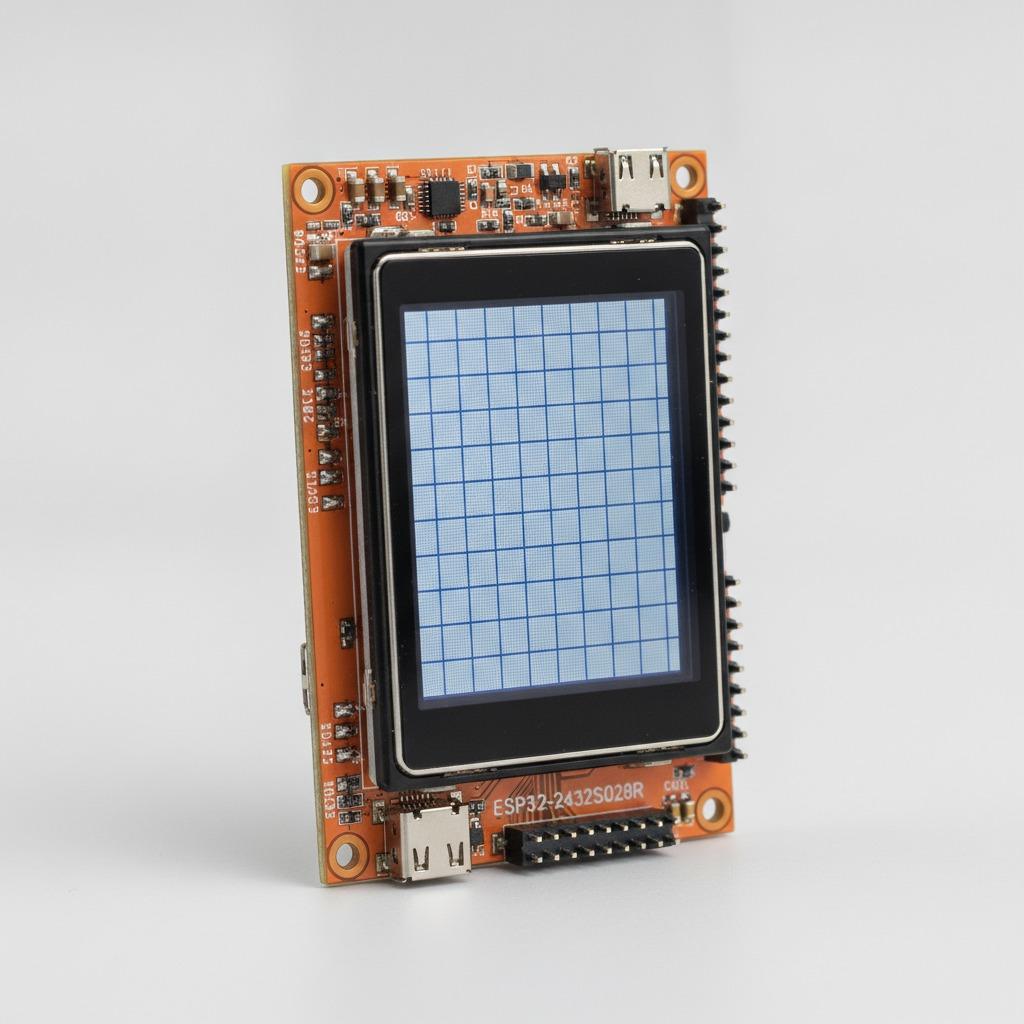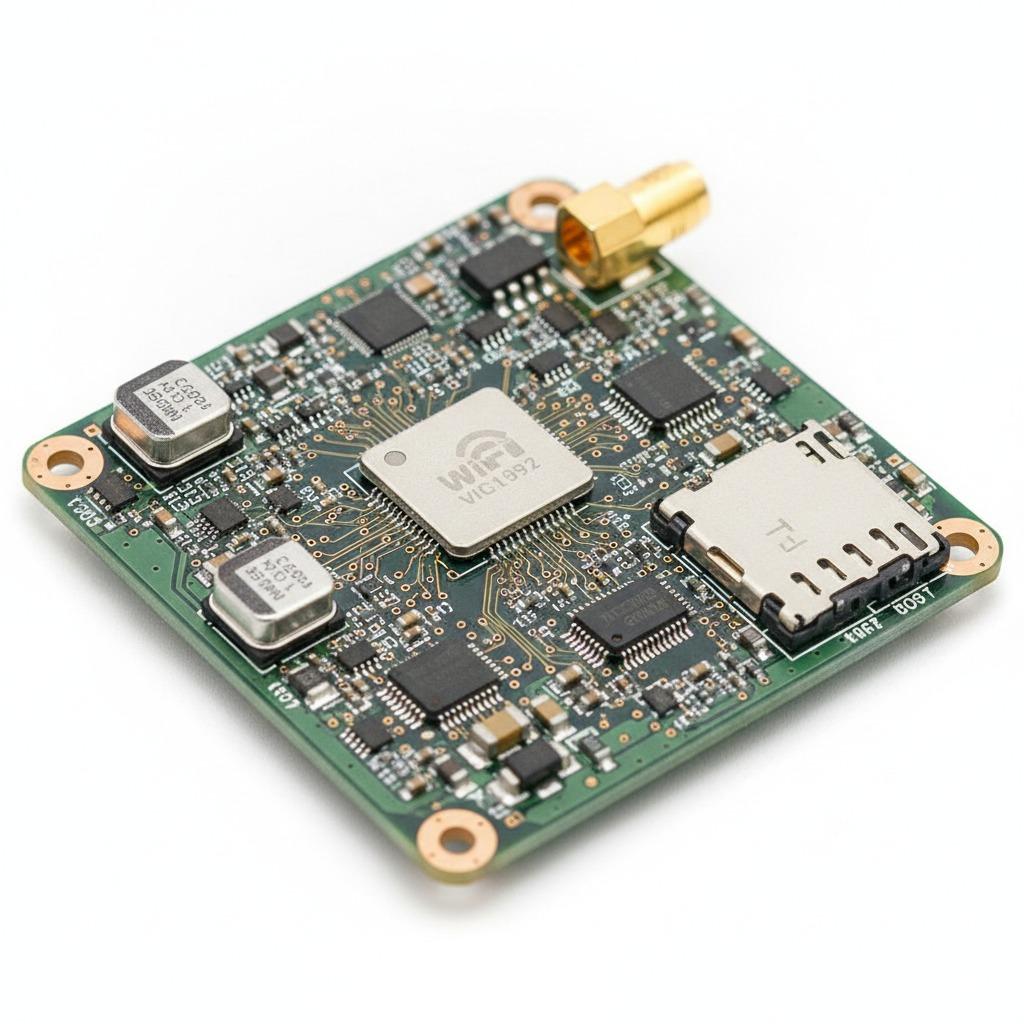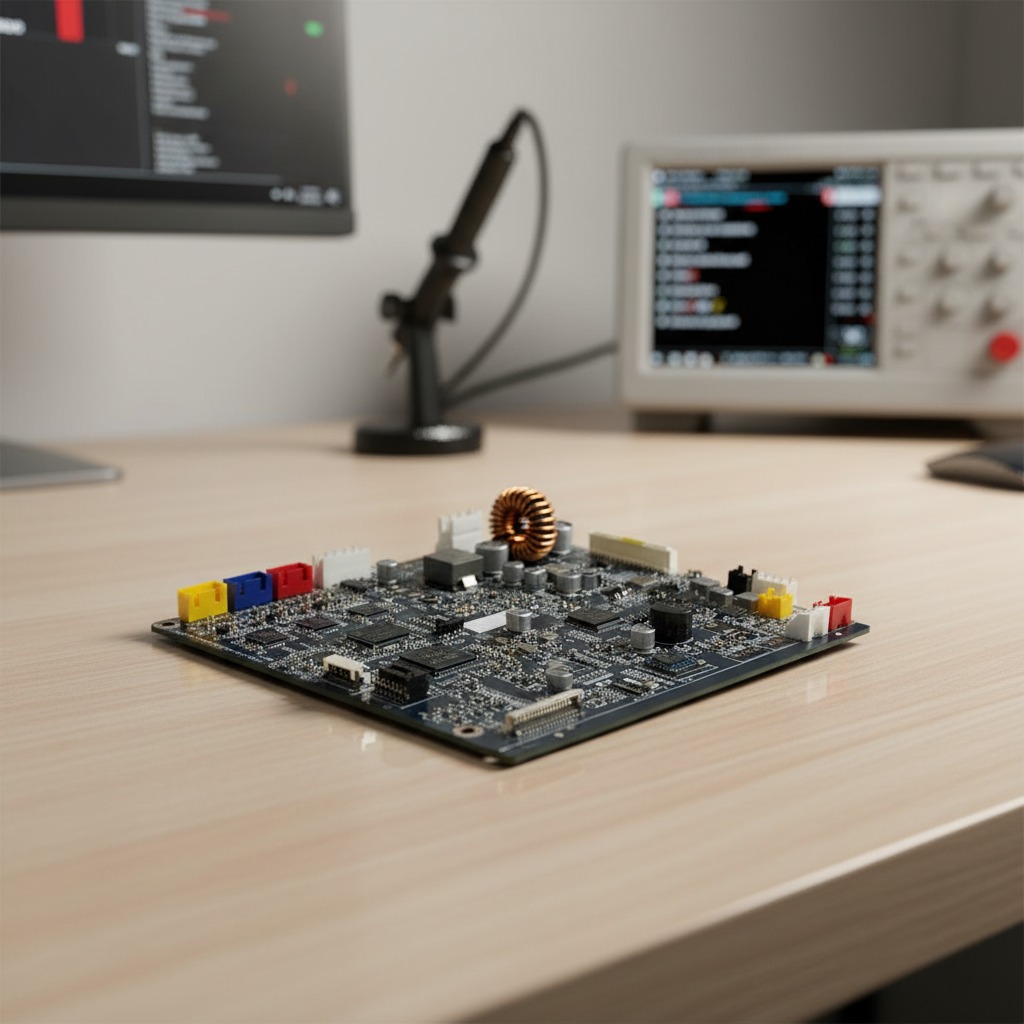
Industrial PCBA for Harsh Environments and Long-Term Stable Operation
In industrial systems, failure is rarely acceptable—and often expensive.
Unlike consumer electronics, industrial equipment is expected to operate continuously under demanding conditions: elevated temperatures, electrical noise, vibration, and sometimes humidity or dust exposure. When issues occur, they are not minor inconveniences—they can stop production lines or disrupt critical operations.
Many engineering teams encounter problems only after deployment. Boards that perform well during lab testing begin to show instability in real environments. Communication errors appear near high-power equipment, components degrade faster than expected, or systems require frequent maintenance.
A structured approach to industrial PCBA addresses these risks early. By combining robust layout design, material selection, and controlled manufacturing processes, our engineering team ensures that boards remain stable under real industrial conditions—not just under ideal test scenarios.
Why Industrial PCBA Requires a Different Design Philosophy
Industrial electronics are not designed for peak performance—they are designed for predictability over time.
In factory environments, electromagnetic interference from motors and switching equipment can affect signal integrity. Temperature fluctuations between day and night cycles introduce mechanical stress. Continuous operation accelerates component aging.
A reliable industrial PCBA therefore prioritizes:
-
Electrical stability under noisy conditions
-
Mechanical durability under vibration
-
Thermal consistency over long duty cycles
Projects designed with these principles often show significantly lower failure rates compared to designs optimized only for cost or compactness.
Material Selection and Structural Stability
Material choice is one of the most critical decisions in industrial PCB design. While standard FR-4 materials are widely used, industrial applications often require enhanced thermal and mechanical properties.
For example, high-Tg materials (≥170°C) provide better resistance to thermal stress, especially in environments where boards operate continuously near elevated temperatures. Thicker copper layers improve current handling and reduce resistive losses, which also helps manage heat.
In addition, multilayer structures provide better isolation between signal and power layers, improving both electrical stability and noise immunity.
In well-designed industrial PCBA, proper material selection can:
-
Reduce thermal deformation over time
-
Improve long-term electrical consistency
-
Extend product lifespan under continuous operation
Adapting PCB Layout to Industrial Environments
Industrial environments introduce factors that are often ignored in standard PCB design.
For instance, placing sensitive signal traces near high-current paths can lead to interference. Similarly, insufficient spacing between components can increase the risk of electrical leakage under humidity or contamination.
In a robust industrial PCBA, layout strategies include:
-
Increased spacing for high-voltage or noisy areas
-
Dedicated grounding structures to isolate sensitive signals
-
Routing paths designed to minimize interference from power circuits
When these adjustments are applied, systems typically show:
-
15–30% improvement in noise resistance
-
Reduced communication errors in electrically noisy environments
Thermal Management in Continuous Operation Systems
Industrial equipment often runs 24/7, which makes thermal management a long-term concern rather than a short-term performance issue.
Heat generated by power components accumulates over time. Without proper distribution, localized hotspots can form, accelerating component aging and increasing failure risk.
Effective thermal strategies include copper balancing, thermal vias, and component placement that spreads heat evenly across the board.
In practical deployments, optimized industrial PCBA designs often achieve:
-
10–25°C reduction in hotspot temperatures
-
Improved stability during extended operation cycles
Manufacturing Consistency and Long-Term Reliability
Industrial systems are often produced in batches over long periods. Maintaining consistency between these batches is critical, especially when replacement or expansion is required years later.
Even small manufacturing variations can lead to differences in electrical behavior or thermal performance.
Manufacturing Factors and Their Impact
| Manufacturing Factor | Control Method | Typical Result |
|---|---|---|
| Material consistency | Controlled sourcing | Stable long-term performance |
| Stack-up accuracy | Fixed layer structure | Predictable impedance |
| Component placement | Precision alignment | Reduced mechanical stress |
| Solder quality | Controlled process parameters | Lower failure rates |
| Process repeatability | Standardized workflows | Reduced batch variation |
Through these controls, a production-ready industrial PCBA maintains consistent behavior across long production cycles.
Compliance, Safety, and Certification Requirements
Industrial electronics must meet strict safety and compliance standards. These requirements are often more demanding than those for consumer products.
Key considerations include:
-
Electrical isolation and clearance distances
-
EMC performance in noisy environments
-
Thermal limits aligned with long-term reliability
Designing compliance into the industrial PCBA stage reduces certification risk and avoids costly redesigns later in the development process.
Frequently Asked Questions
Q1: Why do industrial boards fail faster in real environments than in testing?
Because lab conditions do not replicate temperature variation, electrical noise, and mechanical stress found in industrial settings.
Q2: Does PCB material significantly affect industrial reliability?
Yes. Material properties influence thermal stability and long-term durability.
Q3: Can layout design improve resistance to electrical interference?
Absolutely. Proper grounding and routing strategies significantly reduce noise impact.
Why Industrial Reliability Begins at the PCBA Level
A well-designed industrial PCBA ensures that electrical performance, thermal behavior, and mechanical stability are aligned with real-world operating conditions. When these factors are addressed early, systems become more reliable, easier to maintain, and better suited for long-term deployment.
If you want to evaluate how your current hardware design can perform in real industrial environments, reviewing PCBA design and manufacturing capability is a practical starting point. You can learn more about our engineering and production expertise here:
👉 https://www.hcdpcba.com
For projects involving industrial automation, control systems, or high-reliability electronics, early technical consultation can significantly reduce risk and improve system stability. Our engineering team is available here:
👉 https://www.hcdpcba.com/en/contact-us